
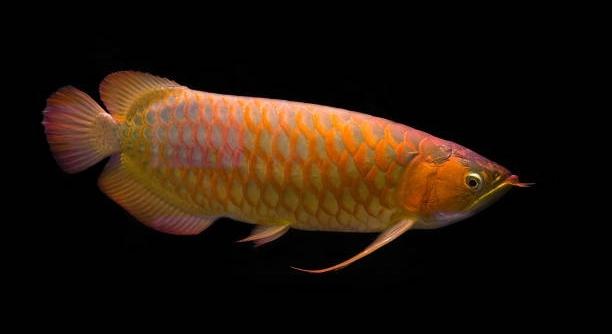
Is your arowana constantly fixated on its own reflection in the tank? Many fish owners notice this behavior, as their arowanas often swim back and forth or display signs of agitation when seeing themselves.
Arowanas are naturally territorial and respond aggressively to perceived intruders. Their reflection in the glass is interpreted as another fish entering their space. This behavior is a combination of instinctual defense mechanisms and social interaction cues within the aquarium.
Observing this behavior closely can help you manage your arowana’s environment and reduce stress in its tank.
Understanding Arowana Reflection Behavior
Arowanas are highly visual fish, and their behavior often revolves around what they see in their environment. When they spot their reflection, they may interpret it as another arowana entering their territory. This triggers a combination of curiosity and aggression. Repeatedly confronting the reflection, they swim aggressively, flare their fins, and sometimes bump into the glass. This can be alarming for owners who are unfamiliar with the behavior. Reflection responses are more common in tanks with high lighting or highly reflective surfaces. The size and placement of the tank can also influence the frequency of this behavior. Some arowanas may become obsessed with their reflection, while others may lose interest over time. Understanding their instincts can help you adjust the tank setup. Providing hiding spots, rearranging decorations, or using a background can reduce reflection stress. Monitoring their reactions daily ensures the fish remains healthy and active.
Reflection behaviors can indicate territorial instincts and general curiosity in arowanas, not illness.
Adjusting tank lighting and adding visual barriers can help manage these behaviors effectively. Owners may notice immediate improvements in their arowana’s activity and stress levels.
Reducing Reflection Fixation
Limiting reflective surfaces can reduce obsessive behavior in arowanas.
Adding plants, rocks, or tank backgrounds breaks up the mirrored surfaces. Adjusting lighting to minimize glare reduces the intensity of reflections. Some owners find that placing the tank against a wall rather than in open space helps. Regularly rearranging decorations keeps the environment dynamic and stimulating, which distracts the arowana from fixating on its own image. Observing the fish and noting when reflection behavior peaks can guide further adjustments. Using a dimmer or adjusting natural light exposure can also be beneficial. Occasionally, temporary tank covers on one side reduce stress while maintaining visibility for the owner. Ensuring the arowana has enough swimming space and enrichment prevents boredom, which often intensifies reflection behavior. A calm, consistent environment supports natural behaviors and minimizes repetitive aggression toward reflections. Small changes can make a significant difference in the fish’s daily activity and overall wellbeing, creating a balanced and comfortable habitat.
Tank Placement and Environment
The position of the tank can influence how often an arowana sees its reflection. Placing it against a plain wall reduces mirrored images. High traffic areas may increase agitation. Proper placement helps maintain calmer behavior and reduces obsessive interactions with reflections.
Bright lighting and reflective walls amplify fixation. Arowanas in corner tanks or near windows often display more aggressive behavior toward their reflection. Adjusting light intensity or using a background can help. Providing enough swimming space and hiding spots allows the fish to retreat when stressed. Small changes in layout can significantly reduce reflection-related aggression. Monitoring reactions to these adjustments ensures they are effective and keeps the fish comfortable and healthy.
Adding physical barriers like plants or decorations can break the line of sight to reflections. Rearranging items periodically keeps the environment stimulating and helps redirect attention. Combining these methods with thoughtful tank placement encourages natural behavior and reduces unnecessary stress from mirror images.
Behavioral Enrichment Techniques
Toys, floating objects, and live plants provide engagement for the arowana. These items help distract it from its reflection and reduce repetitive aggressive swimming. Consistent environmental enrichment encourages exploration and activity.
Offering enrichment requires careful planning. Floating objects like ping pong balls or lightweight decorations allow movement without risk of injury. Live plants provide natural hiding spots, improving comfort and reducing stress. Rearranging these items weekly prevents boredom and gives the fish new areas to explore. Behavioral enrichment also involves varying feeding routines and locations within the tank. Small changes stimulate curiosity, encourage natural hunting instincts, and reduce the likelihood of obsessive behaviors. When combined with proper tank placement and lighting adjustments, these techniques create a healthier, more balanced environment, helping your arowana thrive both physically and mentally.
Monitoring Stress Levels
Signs of stress include frantic swimming, loss of appetite, and fin clamping. Observing these behaviors helps you identify when the arowana is struggling with reflection fixation. Early detection allows for timely adjustments in its environment.
Providing hiding spots and calmer areas in the tank reduces stress. Arowanas benefit from spaces where they can retreat, helping them feel secure and less reactive to reflections. Consistent monitoring ensures their wellbeing and supports natural behavior.
Feeding Adjustments
Adjusting feeding routines can distract arowanas from their reflection. Offering food in different locations encourages movement around the tank and reduces focus on mirrored surfaces. Gradually changing feeding times also introduces variety, keeping them mentally stimulated. Feeding enrichment helps maintain a balance between nutrition and behavior management.
Using Tank Backgrounds
A solid or patterned background minimizes reflections and reduces aggressive behavior. Simple barriers often make a noticeable difference in an arowana’s daily activity.
FAQ
Why is my arowana constantly attacking its reflection?
Arowanas are territorial fish, and their instinct is to defend their space. When they see their reflection, they perceive it as another fish invading their territory. This triggers aggression, fin flaring, and chasing behaviors. The reflection is not recognized as themselves, so this response is natural and instinctual.
Can constant reflection viewing harm my arowana?
Yes, prolonged aggression toward reflections can cause stress. Stress weakens their immune system and may lead to health issues, including loss of appetite or fin damage. Limiting exposure to reflective surfaces and providing enrichment or hiding spots can help reduce these harmful behaviors.
How can I tell if my arowana is stressed from reflections?
Signs of stress include frantic swimming, hiding excessively, clamped fins, rapid gill movement, or refusal to eat. Observing daily behavior helps identify patterns. If these signs are frequent, it indicates the fish is uncomfortable with its surroundings and adjustments are needed.
Will covering one side of the tank help?
Yes, using a solid background or temporary cover can block reflections, reducing obsessive behavior. Even partial coverage helps the fish focus on its environment rather than its image. This allows it to feel more secure and calmer in its territory.
Are all arowanas equally reactive to their reflection?
No, individual temperament plays a role. Some arowanas ignore reflections, while others fixate intensely. Factors such as tank size, lighting, age, and previous social experience affect their reaction. Observing your arowana over time helps you understand its personality and plan adjustments accordingly.
Can rearranging tank decorations help?
Yes, moving plants, rocks, and other items creates new hiding spaces and breaks up reflective surfaces. This encourages exploration and reduces boredom, which often exacerbates reflection fixation. Rotating decorations weekly maintains interest and helps the fish focus on its environment rather than mirrored images.
Does lighting affect reflection behavior?
Bright lighting increases reflections and can intensify obsessive behavior. Adjusting the tank lighting or using dimmers can reduce glare. Indirect natural light or soft artificial lighting provides visibility for observation without causing stress from intense reflections.
Will feeding routines reduce obsession with reflections?
Yes, varying feeding locations and times keeps the arowana engaged. Scattering food or using floating items encourages movement and interaction with the environment, drawing attention away from reflections. Feeding enrichment also supports natural hunting instincts and mental stimulation.
Can reflections be completely eliminated?
While it’s difficult to remove all reflections, steps like using tank backgrounds, rearranging decorations, and adjusting lighting minimize their impact. Combining these strategies reduces stress and aggressive behavior while promoting a balanced and comfortable environment for the fish.
Should I be worried if my arowana constantly swims in circles near the glass?
This behavior is usually a reaction to reflections or boredom. Ensuring the tank has enrichment, hiding spots, and adequate space helps redirect activity. Consistent observation allows you to distinguish between normal territorial behavior and signs of stress or illness.
Are there any long-term consequences of ignoring reflection behavior?
Persistent stress can lead to chronic health issues, such as reduced immunity, slower growth, and fin damage. Behavioral problems may escalate, making it difficult to maintain a healthy, calm environment. Addressing reflection fixation early improves the fish’s wellbeing and reduces the risk of long-term complications.
Can multiple arowanas in one tank reduce reflection obsession?
Adding another arowana is not always a solution. It may increase aggression if the tank is too small. Proper tank size, monitoring behavior, and providing hiding spaces are essential to prevent stress and territorial conflicts. Social interactions must be managed carefully.
Do certain tank materials make reflections worse?
Glass and highly polished surfaces create clearer reflections, increasing fixation behavior. Acrylic tanks or textured backgrounds reduce sharp mirror effects. Adding plants, rocks, or patterned backgrounds further breaks up reflections and helps the fish feel secure.
How quickly can changes in the tank environment reduce reflection behavior?
Some improvements, like adding a background or rearranging decorations, may show results within a few days. Behavioral adjustments, enrichment, and lighting changes may take weeks to fully reduce obsession. Consistency is key to achieving long-term improvements in the arowana’s behavior.
Are reflection behaviors more common in younger arowanas?
Juvenile arowanas tend to be more reactive due to higher energy levels and developing territorial instincts. Adult fish may still show reflection behavior, but it often becomes less intense as they grow accustomed to their environment and establish dominance within their space.
Is it normal for an arowana to fixate on its reflection at feeding time?
Yes, feeding increases alertness and energy, so the fish may notice its reflection more. Providing variety in feeding locations and enrichment items keeps them engaged with the environment rather than obsessing over the mirrored image.
Does tank size influence reflection fixation?
Smaller tanks amplify reflections and restrict movement, often intensifying aggressive behaviors. Larger tanks with ample swimming space reduce stress, allow natural movement, and limit repetitive interactions with reflections. Proper space is essential for mental and physical wellbeing.
Can I use mirrors intentionally for enrichment?
Occasional, short-term mirror use may stimulate activity, but prolonged exposure is not recommended. Overexposure can trigger chronic stress and aggression. Controlled, brief enrichment sessions can be used, but the arowana should not have constant access to mirrors or reflective surfaces.
Is it okay if my arowana occasionally ignores its reflection?
Yes, some arowanas lose interest over time, especially with consistent enrichment and proper tank management. This indicates comfort with their environment and reduced stress. Continuing to provide a stimulating, secure habitat supports ongoing healthy behavior.
What is the best long-term approach to managing reflection behavior?
Combining tank placement adjustments, enrichment, proper lighting, feeding variation, and observation is most effective. Regular monitoring and gradual environmental changes create a calm, balanced habitat, reducing obsessive reflection behavior while promoting natural activity and wellbeing for your arowana.
Final Thoughts
Observing your arowana interact with its reflection can be fascinating, but it often points to natural territorial instincts. These fish are visually oriented and respond strongly to perceived intruders in their environment. What may look like obsessive or unusual behavior is often just a reflection of their innate need to protect their space. Recognizing that this is normal allows you to respond appropriately and create a tank setup that reduces stress while respecting their natural behaviors. Simple adjustments, like using a tank background, repositioning the aquarium, or adjusting lighting, can make a noticeable difference in reducing reflection-related agitation. Over time, these changes help your arowana feel more secure and comfortable in its habitat.
Providing environmental enrichment is equally important. Arowanas need stimulation to stay mentally and physically healthy. Adding floating objects, live plants, or decorations not only breaks up reflections but also encourages exploration and activity. Rearranging these elements periodically keeps the tank interesting and prevents boredom, which can worsen aggressive behavior. Feeding routines can also be adjusted to encourage movement and engagement, rather than repetitive focus on the glass. These enrichment strategies work together with proper tank placement and lighting adjustments to create a balanced environment. Arowanas thrive when their surroundings mimic aspects of a natural habitat, allowing them to exhibit natural behaviors without unnecessary stress.
Consistency and observation are key to maintaining a calm and healthy arowana. Monitoring their daily behavior helps identify when they are stressed, bored, or overreacting to reflections. Small, consistent changes in the tank environment often yield better results than drastic alterations. While some arowanas may continue to show interest in their reflection, the goal is to minimize obsessive or harmful behaviors. By combining thoughtful tank placement, controlled lighting, regular enrichment, and attentive observation, you can create a space where your arowana remains active, healthy, and comfortable. Understanding their instincts and responding with practical solutions ensures that your fish can thrive while reducing frustration for both you and your arowana.

Hello,
If you enjoy the content that we create, please consider saying a "Thank You!" by leaving a tip.
Every little bit helps us continue crafting quality advice that supports the health, happiness, and well-being of pets around the world, for pets of all shapes, sizes, and species.
We really appreciate the kindness and support that you show us!