
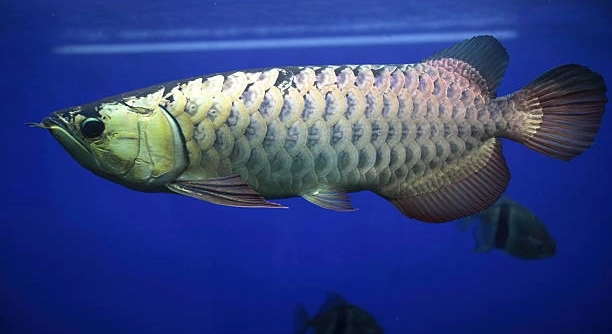
Are your arowanas showing signs of restlessness or unusual behavior in their tank? Many fish owners overlook subtle cues that indicate their beloved arowana may require more space to thrive. Proper tank size is essential.
Arowanas require ample swimming space to maintain optimal health and growth. A tank that is too small can lead to stunted development, increased stress, and heightened vulnerability to disease. Recognizing these signs early ensures timely intervention and proper care.
Understanding the signals your arowana sends can prevent long-term health problems. Observing their behavior closely will guide you in providing a suitable, comfortable environment.
Rapid Growth
Arowanas can grow quickly, often faster than many owners expect. In a small tank, their development may be limited, leading to stress and potential health issues. Watching your fish closely allows you to notice sudden growth spurts and evaluate whether the tank size is still appropriate. Providing sufficient space supports strong muscle development, smooth swimming, and natural behavior patterns. It also reduces the risk of deformities or stunted growth caused by confinement. Many arowanas will start brushing against decorations or sides of the tank, signaling they need more room. Keeping their environment spacious is essential for their overall well-being and longevity. Proper filtration and water movement also become more effective in larger tanks, ensuring cleaner water and a more stable habitat. By upgrading to a bigger tank, you are creating an environment where your arowana can flourish physically and emotionally, maintaining vitality and reducing stress over time. Monitoring their activity daily helps prevent long-term health problems.
Rapid growth in arowanas often signals the need for a larger tank to accommodate their size comfortably.
Providing extra space allows your fish to swim freely, develop properly, and remain healthy in the long term.
Aggressive or Restless Behavior
Aggression and restlessness can indicate a tank that is too small. Arowanas naturally need room to swim and establish territory. In cramped conditions, they may become more territorial, flaring fins or chasing tank mates. Restless movement along the tank walls, repeated circling, or attempts to jump out are common signs. These behaviors are stress responses and can harm both the fish and the aquarium’s ecosystem. A larger tank reduces these tensions, giving them defined areas for activity without constant confrontation. Environmental enrichment, such as floating plants or subtle decorations, works best when paired with more space, allowing natural instincts to remain balanced. Observing these behavioral changes early helps prevent injury and maintains harmony if you keep multiple fish. Adjusting tank size proactively ensures the arowana’s temperament remains calm and predictable.
A larger tank mitigates stress, reduces aggression, and supports natural behavior patterns, creating a stable environment.
Ensuring your arowana has enough space prevents ongoing stress and supports healthy, calm behavior. Adding decorations thoughtfully can enhance their habitat, but only if they have sufficient room to move naturally.
Limited Swimming Space
Arowanas need room to glide and turn freely. When their tank is too small, they may bump into walls or decorations. Restricted movement can stress the fish and stunt growth, making tank size a critical factor for maintaining health.
Restricted swimming can affect muscle development and overall stamina. Fish that cannot move naturally may experience weakened fins and slower growth. They might avoid certain areas, causing uneven wear on their scales and disrupting natural behavior. A tank that allows full movement supports cardiovascular health and promotes stronger, more resilient fish.
Larger tanks give arowanas the space to explore without constant obstruction. Open water encourages natural hunting instincts and more fluid swimming patterns. Ensuring enough room reduces stress and enhances overall well-being, leading to a more active and visually impressive fish.
Water Quality Issues
Small tanks make maintaining stable water conditions difficult. Waste builds up faster, affecting oxygen levels and stressing the fish. Regular water changes are essential but may not fully compensate for limited space.
Overcrowded tanks often experience spikes in ammonia and nitrites, which can harm arowanas. Poor water quality may trigger fin rot, lethargy, and increased susceptibility to disease. Larger tanks dilute waste more effectively and allow filtration systems to operate efficiently, maintaining stable pH and temperature levels. Monitoring water regularly helps prevent long-term health problems.
Providing a bigger tank creates a healthier, more balanced environment. Fish benefit from consistent water quality, reduced toxins, and less frequent maintenance stress. Clean, spacious water supports immune function, encourages natural behavior, and ensures the fish remain vibrant and active over time.
Constantly Bumping into Tank Walls
Arowanas that frequently hit the sides of their tank are signaling they need more space. This repeated contact can lead to injuries, stress, and damaged scales. Observing this behavior is a clear indication to consider a larger tank.
Even minor bumps over time can weaken fins and cause abrasions. Fish in a cramped tank may also appear restless, swimming in repetitive patterns with little variation. Expanding their environment helps prevent injury and encourages more natural, relaxed movement throughout the tank.
Rapid Fin Deterioration
Poor fin condition often results from inadequate space. In small tanks, fins can tear easily on decorations or walls. Constant contact and stress can accelerate fin decay. Providing more room allows the arowana to swim without restriction, reducing the risk of injury and supporting natural healing.
Increased Aggression
Arowanas confined in tight spaces may show heightened aggression toward other fish or tank decorations. Tensions rise as territorial instincts are amplified in limited areas.
FAQ
How do I know if my arowana is too big for its tank?
You can tell by observing its behavior and physical space. If your arowana frequently bumps into walls, swims in tight circles, or avoids certain areas, the tank is likely too small. Also, rapid growth compared to tank dimensions signals the need for an upgrade.
What tank size is appropriate for an adult arowana?
Adult arowanas require a minimum of 250 gallons, but more space is better for swimming and overall health. Length and width are important—allow enough room for the fish to turn easily. A taller tank can help with vertical movement, but horizontal space is more critical.
Can arowanas live in small tanks temporarily?
Short-term confinement may be acceptable for juveniles or while preparing a larger tank, but it should never exceed a few weeks. Prolonged small tank use can lead to stress, stunted growth, fin damage, and higher disease risk. Frequent water changes are essential during this period.
What signs indicate stress due to a small tank?
Look for restlessness, constant circling, hiding, loss of appetite, or aggression toward tank mates. Stress can also show physically as faded colors, torn fins, or unusual swimming patterns. Identifying stress early helps prevent long-term health issues.
How often should I change water in a small tank?
Small tanks require more frequent water changes—often 30–50% weekly. Larger tanks reduce waste concentration and stabilize water quality, but monitoring remains essential. Use a water test kit to track ammonia, nitrite, and pH levels to prevent dangerous spikes.
Can tank decorations affect swimming space?
Yes. Overcrowded tanks with rocks, driftwood, or plants limit swimming space, which can stress the arowana. Decorations should be minimal and strategically placed to allow open areas for swimming while still providing hiding spots and environmental enrichment.
Does a larger tank improve behavior?
Absolutely. A bigger tank reduces aggression, encourages natural swimming, and decreases stress. Fish become more active and display normal behavior when they have enough room. Arowanas in spacious tanks also recover faster from minor injuries and maintain healthier fins.
What is the best way to upgrade to a bigger tank?
Plan carefully by measuring the new tank dimensions and checking filtration capacity. Gradually acclimate your arowana to the new environment to minimize stress. Transfer decorations and substrate if possible, and ensure water parameters match the old tank initially.
How important is water filtration in larger tanks?
Filtration is critical, regardless of tank size, but larger tanks allow filters to operate more efficiently. Proper filtration keeps ammonia and nitrites low, ensures oxygen circulation, and supports overall water stability. Combining mechanical, chemical, and biological filtration yields the best results.
Can arowanas adapt to a larger tank easily?
Most arowanas adjust well if introduced gradually. Provide familiar water conditions, maintain similar temperature and pH, and allow time to explore the new space. Avoid sudden changes in tank setup, as it can stress the fish and reduce appetite temporarily.
What long-term benefits come from a bigger tank?
A larger tank supports full growth potential, reduces disease risk, encourages natural behavior, and improves lifespan. It provides ample swimming space, reduces stress, and allows for stable water conditions. Investing in proper tank size ensures your arowana thrives physically and emotionally.
Are there special considerations for multiple arowanas in one tank?
Yes. Each fish needs enough personal space to avoid aggression. The larger the tank, the easier it is to manage multiple arowanas. Plan for hiding spots, visual barriers, and adequate swimming area to prevent conflict and stress among tank mates.
How often should I monitor my arowana in a bigger tank?
Daily observation is best. Watch for changes in swimming, appetite, or color. Even with ample space, health problems can arise. Regular checks help you spot early signs of stress, disease, or environmental issues and maintain a thriving habitat.
Does tank size affect feeding behavior?
Yes. In cramped tanks, fish may eat aggressively or become territorial during feeding. Larger tanks reduce competition and stress, allowing calmer, more natural feeding behavior. Proper space encourages consistent appetite and supports healthy digestion.
Can arowanas jump in larger tanks?
Yes, they are strong jumpers. Ensure the tank has a secure lid, even when upgrading. Sufficient space doesn’t prevent jumping, but it reduces stress and energy, so the fish are less likely to attempt escaping repeatedly.
Final Thoughts
Ensuring your arowana has the right tank size is essential for its health and happiness. Arowanas are active, fast-growing fish that need plenty of room to swim, explore, and exercise. When confined to a small tank, they can experience stress, injuries, and stunted growth, which affects both their physical condition and overall well-being. Watching for signs like constant bumping, restlessness, or aggressive behavior can help you determine if your fish is struggling with space limitations. By responding promptly and upgrading the tank when necessary, you provide an environment where your arowana can thrive. Proper tank size allows the fish to display natural behaviors, which not only keeps them healthier but also makes observing them more enjoyable for you.
A larger tank also supports better water quality, which is another critical aspect of arowana care. Smaller tanks can quickly accumulate waste, leading to dangerous levels of ammonia or nitrites that can harm your fish. With more space, filtration systems work more effectively, and water parameters remain more stable. This reduces the need for frequent maintenance while keeping your arowana in a healthier, less stressful environment. Beyond physical health, adequate tank space contributes to emotional stability. Fish confined to tight spaces may develop repetitive or restless behaviors, whereas a spacious environment encourages natural exploration and calm activity. Maintaining water quality and providing ample room go hand in hand, and both are key factors in ensuring a long and healthy life for your arowana.
Investing in a larger tank is ultimately an investment in the long-term health and happiness of your arowana. While it may require planning, space, and effort, the benefits are clear. Your fish will grow more naturally, maintain stronger fins and scales, and display normal swimming and feeding behavior. Stress levels will be lower, reducing the risk of disease and promoting a longer lifespan. By observing their behavior and being attentive to changes, you can make informed decisions about tank upgrades and care routines. Arowanas are remarkable fish, and providing the proper environment allows them to reach their full potential, both in size and in vitality. Ensuring they have enough space is one of the most important ways to support their overall well-being, creating a healthy, thriving aquatic habitat that benefits both the fish and the owner.

Hello,
If you enjoy the content that we create, please consider saying a "Thank You!" by leaving a tip.
Every little bit helps us continue crafting quality advice that supports the health, happiness, and well-being of pets around the world, for pets of all shapes, sizes, and species.
We really appreciate the kindness and support that you show us!