
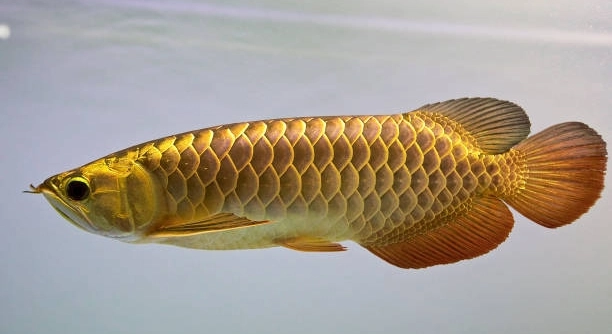
Are you bringing home your first arowana and want to make sure it thrives in its new environment? These majestic fish need specific care and attention to remain healthy and vibrant throughout their lives.
The most essential tips for first-time arowana owners include providing a spacious tank, maintaining stable water conditions, offering a balanced diet, and ensuring proper lighting. Consistent monitoring and patience are key to supporting the fish’s growth and well-being.
From feeding routines to tank setup and health maintenance, each step contributes to your arowana’s success in captivity.
1. Choosing the Right Tank
Arowanas are large fish that require a spacious environment to thrive. Choosing the right tank is the foundation of proper care. A young arowana may start in a smaller aquarium, but it will quickly outgrow it. Ideally, a fully grown arowana needs a tank of at least 250 gallons to allow free movement and reduce stress. The tank should be long and wide rather than tall since arowanas swim horizontally. Use a sturdy stand that can handle the tank’s weight, and ensure the setup is secure to prevent jumping accidents. Tank covers are necessary because arowanas are powerful jumpers and can easily injure themselves if they hit hard surfaces.
The tank’s design should prioritize comfort and safety over decoration. Avoid sharp ornaments and choose smooth rocks or driftwood. Always leave plenty of open swimming space to support natural movement and overall health.
Maintaining a well-planned tank helps your arowana stay active, relaxed, and injury-free. Proper setup prevents common problems and creates a comfortable home where your fish can thrive for years. Arowanas become more confident and display better coloration in well-designed environments.
2. Maintaining Ideal Water Conditions
Stable water quality is vital for arowanas. They are sensitive to fluctuations in temperature, pH, and cleanliness. Keeping these parameters balanced ensures your fish remains healthy and stress-free.
Use a high-quality filtration system that supports a large tank’s needs. Regular water changes are essential to remove waste and maintain oxygen levels. Aim to replace about 20 to 30 percent of the water every week. The ideal temperature should stay between 75°F and 82°F, with a pH level around 6.5 to 7.5. Arowanas prefer soft, clean water, so invest in a good test kit to monitor these levels regularly. Avoid using untreated tap water since it may contain harmful chemicals. Instead, use a water conditioner to neutralize chlorine and chloramine. Clean filters monthly to prevent buildup that can reduce efficiency.
Maintaining stability is more important than chasing perfect numbers. Arowanas quickly react to sudden changes, so make adjustments slowly. Consistent care builds trust and keeps your fish thriving in its aquatic environment.
3. Feeding Your Arowana Properly
Arowanas are carnivorous fish that thrive on a protein-rich diet. Feeding them correctly supports healthy growth, strong coloration, and longevity. Variety is essential to meet nutritional needs and prevent boredom during feeding time.
Live foods such as crickets, mealworms, and small fish provide protein and encourage natural hunting behavior. However, feeding too much live food can cause aggression or introduce parasites. Balance it with frozen or pellet-based diets made for arowanas. Pellets ensure consistent nutrients and reduce waste buildup. Feed juveniles twice a day and adults once daily, offering only what they can consume in two minutes. Overfeeding can quickly affect water quality and health.
Observing your fish during feeding helps you monitor appetite and detect early signs of illness. Healthy arowanas show excitement when food approaches and eat eagerly. If your fish refuses food, check water parameters and temperature before assuming it is sick.
4. Ensuring Proper Tank Companions
Arowanas are territorial fish, and tank mates must be chosen carefully to prevent aggression. They do best with similarly sized, calm species that occupy different tank levels. Avoid keeping them with small or slow fish that may be seen as prey.
Suitable tank companions include large catfish, silver dollars, and certain cichlids that can hold their own without being aggressive. Introduce new fish gradually to reduce stress and fighting. Arowanas prefer spacious tanks where each fish has room to establish its territory. Feeding all fish evenly helps avoid competition and biting during meals. When adding new species, observe interactions closely during the first few days to ensure harmony. Provide hiding areas or dividers if needed.
Peaceful coexistence depends on balance and patience. Every fish has its personality, so what works for one setup may not suit another. Careful observation ensures your aquarium remains calm and visually appealing.
5. Monitoring Health and Behavior
Arowanas often show early signs of illness through behavior changes. Loss of appetite, slower movement, or unusual swimming patterns indicate possible issues. Regularly observing these habits helps detect problems before they become serious.
Common health problems include fin rot, parasites, and dropsy. Maintaining clean water and a balanced diet prevents most of these conditions. Isolating sick fish helps avoid spreading diseases to others in the tank.
6. Providing Proper Lighting and Cover
Lighting plays a role in maintaining your arowana’s color and regulating its internal rhythm. Use soft, full-spectrum lighting for around eight to ten hours daily. Avoid direct sunlight, as it encourages algae growth and may overheat the tank.
Adding floating plants or shaded areas gives the fish a sense of security. Arowanas feel calmer when they have places to retreat. These additions also reduce stress, which helps maintain good health and bright coloration.
7. Handling and Tank Maintenance
Arowanas are sensitive to handling and can injure themselves easily. Avoid unnecessary contact, and use a large, soft net only when required. Gentle movements prevent stress and damage to their scales or fins.
FAQ
How often should I feed my arowana?
Juvenile arowanas should be fed twice daily, while adults only need one feeding per day. Offer only what the fish can consume in two to three minutes to prevent overfeeding. A balanced diet including pellets, frozen food, and occasional live insects supports proper growth and health. Overfeeding can cause water quality issues and stress the fish. Observe eating habits to adjust portions as needed.
Can arowanas live with other fish?
Yes, but tank mates must be carefully selected. Avoid small fish that can be eaten or overly aggressive species that may attack the arowana. Suitable companions include large catfish, silver dollars, and robust cichlids. Each fish requires enough space to establish territory, and adding new fish gradually reduces stress.
What water temperature is best for arowanas?
Arowanas thrive in temperatures between 75°F and 82°F. Stability is more important than exact numbers. Sudden fluctuations can stress the fish and trigger illness. Use a reliable heater and thermometer to monitor the water consistently, and adjust gradually when changes are necessary.
How often should I change the water?
Regular water changes are essential. Replace 20–30 percent of the water weekly to maintain cleanliness and oxygen levels. Use a water conditioner to neutralize chlorine or other harmful chemicals in tap water. Consistency prevents sudden changes that could harm the fish and keeps the tank environment healthy.
What do I do if my arowana stops eating?
Loss of appetite often signals stress or health issues. Check water parameters first, including temperature, pH, and cleanliness. Illness may also be a factor, so inspect for visible signs such as spots, bloating, or fin damage. Adjust feeding routines or consult a veterinarian if the problem persists.
Do arowanas require special lighting?
Yes, proper lighting enhances coloration and supports natural rhythms. Soft, full-spectrum lights for eight to ten hours daily are sufficient. Avoid direct sunlight, which can overheat the tank and promote algae growth. Floating plants or shaded areas give the fish security and reduce stress.
How big will my arowana grow?
Arowanas grow quickly and can reach up to 36 inches in captivity, depending on species and tank size. Providing a spacious tank and proper diet supports healthy growth. Overcrowding or restricted space can stunt growth and cause stress-related health problems.
Is it necessary to net my arowana often?
Frequent handling should be avoided. Only use a large, soft net when moving the fish for tank cleaning or health checks. Rough handling can damage scales, fins, and stress the fish. Gentle movements and minimal contact are essential for their well-being.
How do I prevent disease in my arowana?
Maintaining clean water, proper diet, and stable environmental conditions reduces the risk of illness. Observe the fish daily for unusual behavior or physical changes. Quarantine new fish before introducing them to the main tank. Isolation helps prevent the spread of disease and keeps the aquarium healthy.
Can arowanas jump out of the tank?
Yes, arowanas are strong jumpers. Secure lids or covers are necessary to prevent injuries. Providing open swimming space and floating plants can reduce stress and discourage jumping attempts. Always handle the tank carefully and check that covers fit tightly.
How do I know if my arowana is stressed?
Signs of stress include hiding, erratic swimming, loss of appetite, and faded coloration. Stress often results from poor water quality, improper tank mates, or inadequate space. Addressing these issues promptly improves the fish’s behavior and overall health.
Final Thoughts
Caring for an arowana requires planning, patience, and attention to detail. These fish are large, active, and sensitive, so their environment must meet specific requirements. From selecting the right tank to providing appropriate lighting, each aspect of care contributes to the fish’s health and overall well-being. Neglecting any one factor can lead to stress, illness, or stunted growth. Ensuring a spacious, secure tank with clean water and stable conditions forms the foundation of successful arowana care. Observing the fish regularly allows owners to notice subtle changes in behavior or appetite, which can be early indicators of potential problems. By being attentive and proactive, owners can address issues before they become serious, keeping their arowana healthy and thriving. This also helps the fish feel secure and comfortable in its environment, which is important for reducing stress and encouraging natural behavior patterns.
Feeding is another critical element of arowana care. These carnivorous fish require a diet rich in protein to support their rapid growth and maintain their vibrant coloration. While live foods like insects or small fish can be offered occasionally, a diet based on high-quality pellets or frozen foods ensures consistent nutrition and reduces the risk of disease or parasites. Overfeeding should be avoided, as it can degrade water quality and strain the fish’s digestive system. Observing how your arowana eats, how much it consumes, and whether it shows signs of stress during feeding provides valuable information about its overall health. Regularly adjusting portions to match the fish’s size and activity level helps maintain balance and prevents common health issues. Feeding routines also create opportunities to monitor interactions with tank mates, ensuring the aquarium remains a calm and stable environment.
Maintaining proper water conditions and tank companions is equally important. Arowanas thrive in clean, well-oxygenated water with a stable temperature and balanced pH. Regular water changes, proper filtration, and testing are essential to keep the environment safe. Adding compatible tank mates can enrich the aquarium, but care must be taken to avoid aggressive or undersized species. Providing hiding areas, shaded spaces, and smooth decorations creates a sense of security and reduces stress. Stress-free fish display brighter colors, healthier fins, and more natural behavior. Taking these steps helps prevent disease, reduces the risk of injury, and promotes long-term well-being. Consistent, attentive care ensures that your arowana grows strong, remains active, and becomes a rewarding addition to your aquarium. Over time, these practices make maintaining arowanas manageable and satisfying, allowing you to enjoy the beauty and presence of these remarkable fish.

Hello,
If you enjoy the content that we create, please consider saying a "Thank You!" by leaving a tip.
Every little bit helps us continue crafting quality advice that supports the health, happiness, and well-being of pets around the world, for pets of all shapes, sizes, and species.
We really appreciate the kindness and support that you show us!