
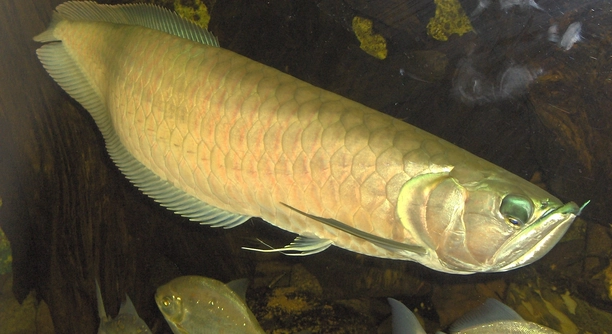
Arowanas are striking, elegant fish that bring life to any aquarium. Their shimmering scales and graceful movements captivate many fish enthusiasts who enjoy observing them throughout the day. These fish thrive in calm and engaging environments.
Arowanas can experience boredom if their environment lacks stimulation. Providing variety in tank decor, interactive feeding methods, and occasional environmental changes supports their mental engagement and promotes natural behaviors, contributing to overall health and activity levels in captivity.
Maintaining an engaging environment for your arowana is essential. Small adjustments and thoughtful additions can keep these fish active, healthy, and visually captivating over time.
Signs Your Arowana May Be Bored
Arowanas are naturally active and curious fish, and they will often display certain behaviors when they feel unstimulated. Repetitive swimming patterns, such as pacing along the tank glass, can indicate a need for more mental engagement. Reduced interest in food or slow responses to feeding are additional signs. You might notice them hiding more than usual or avoiding interaction with tank elements. Even subtle changes in color intensity can reflect stress or lack of stimulation. Observing your arowana daily helps detect these patterns early, ensuring timely adjustments. Introducing safe tank objects, varying feeding locations, or even changing tank lighting can encourage natural curiosity. Their well-being relies on mental and physical activity, so consistent observation is essential. Recognizing boredom is not always straightforward, but attentive care allows you to support your arowana’s overall health and happiness.
Consistent observation allows you to catch boredom early and make small adjustments that keep your arowana active.
Arowanas respond well to environmental changes that mimic natural conditions. Floating plants, driftwood, or open swimming spaces encourage exploration. Rotating decor or adding interactive feeding methods stimulates their senses and prevents stagnation. Small additions like mirror exercises or live food can prompt natural hunting behaviors, enhancing engagement. Maintaining water quality and stable conditions is equally important, as stress can mimic boredom symptoms. Over time, an enriched tank can improve coloration, appetite, and activity levels. By paying attention to subtle behavioral cues, you can prevent repetitive behaviors and maintain a healthy, lively fish.
How to Keep Arowanas Engaged
Simple additions to the tank can significantly improve your arowana’s daily activity. Toys, floating objects, or occasional live food make feeding time more interactive and stimulating.
Structured enrichment helps maintain mental and physical health. For instance, varying feeding schedules, introducing drifting objects, or using safe, non-toxic toys encourages curiosity and problem-solving. Observing how your fish interacts with these changes helps refine their environment. Over time, rotating tank decorations or creating small hiding areas keeps their surroundings interesting. It’s also helpful to occasionally change the direction of water flow or introduce gentle currents, mimicking natural habitats. Engaging your arowana in ways that align with its instincts fosters a calmer, more active fish. Ensuring they have ample space to swim without obstruction is crucial, as confined areas can contribute to stress and repetitive behaviors. Proper enrichment strengthens overall health, stimulates natural behaviors, and reduces signs of boredom. Small, thoughtful changes make a noticeable difference in their daily life and long-term well-being.
Tank Setup Tips for Engagement
Providing a well-structured tank promotes natural behavior and mental stimulation. Open swimming areas combined with hiding spots encourage exploration. Driftwood, rocks, and floating plants add variety without overcrowding the space, keeping your arowana active and curious throughout the day.
Arowanas thrive in spacious tanks with clean, well-filtered water. Maintaining stable temperature and pH levels reduces stress, allowing them to focus on interaction with their environment. Placing objects strategically encourages swimming patterns and exploration while preventing boredom. Regularly changing decorations or rearranging items introduces novelty, which keeps your arowana engaged. Careful placement of feeding areas stimulates foraging instincts. Avoid overpopulating the tank, as this can limit movement and reduce mental stimulation. Thoughtful tank setup supports both physical and psychological well-being, ensuring your fish remains lively and responsive.
It is also important to balance decor with swimming space. Too many objects can restrict movement, while too few create monotony. Choosing lightweight, safe items allows flexibility for rearranging. Observing how your arowana interacts with these changes informs further adjustments. Even small additions, like floating plants or driftwood, can provide enrichment. Rotating items periodically keeps the environment fresh and encourages natural behaviors, reducing stress. By combining open areas and interactive elements, the tank becomes an engaging habitat where your arowana remains healthy, curious, and visually active.
Feeding Strategies for Engagement
Variety in diet stimulates natural hunting instincts and keeps arowanas mentally active. Rotating food types, offering live or frozen prey, and changing feeding locations promote engagement.
Feeding schedules play a key role in maintaining activity levels. Providing food at different times of the day encourages anticipation and natural foraging behavior. Live or frozen prey, such as shrimp or small fish, mimics hunting and stimulates mental focus. Introducing slow feeders or feeding rings challenges your arowana to work for food, preventing passive feeding habits. Varying food types also ensures balanced nutrition, supporting growth and overall health. By combining proper diet, feeding techniques, and timing, you create an interactive feeding experience that reduces boredom and promotes vitality.
It is helpful to observe your arowana’s preferences and adjust portions accordingly. Overfeeding can reduce interest in activity, while underfeeding may cause stress. Using tools like feeding tongs or dropping food at different tank levels encourages movement and interaction. Incorporating variety, timing, and slight unpredictability keeps feeding stimulating. Over time, these strategies enhance natural instincts, maintain energy levels, and support a healthier, more engaged fish. Thoughtful feeding habits complement tank enrichment, ensuring both mental and physical stimulation are consistently met.
Interactive Toys and Objects
Adding safe, non-toxic objects can spark curiosity and movement. Floating toys, mirrors, or small items for investigation provide stimulation without overcrowding the tank.
Observe how your arowana interacts with each object. Remove items that cause stress and rotate toys periodically to maintain interest and engagement.
Social Interaction and Observation
Although arowanas are not social fish, gentle observation can encourage responsiveness. Watching their movements and interacting indirectly through feeding or enrichment stimulates awareness. Subtle gestures, like placing objects or dropping food, allow them to react naturally, keeping their mind active and reducing signs of boredom.
Maintaining Water Quality
Clean water and proper filtration directly impact activity levels. Poor water conditions cause stress, lethargy, and disinterest in tank enrichment. Consistently monitoring water parameters ensures your arowana remains energetic and receptive to mental and physical stimulation.
FAQ
Do arowanas get bored if they are alone?
Yes, arowanas can become bored when their environment is unstimulating, even if they are alone. Unlike social fish, they do not rely on other fish for interaction, but a lack of environmental variety can lead to repetitive behaviors, lethargy, and reduced appetite. Adding decor, hiding spots, or objects to explore keeps them engaged without the need for companions.
How can I tell if my arowana is bored?
Signs of boredom include pacing along the tank walls, frequent hiding, reduced interest in food, and slower reactions to stimuli. Dull coloration or repetitive swimming patterns can also indicate a lack of stimulation. Observing daily behaviors helps identify subtle changes early, allowing adjustments to their environment.
What objects are safe to use for engagement?
Driftwood, smooth rocks, floating plants, and non-toxic aquarium toys are safe options. Avoid sharp or small items that could be swallowed. Rotating these objects and introducing new arrangements encourages exploration and mental stimulation. Even small changes, like moving decorations, can make the tank feel fresh.
Can feeding methods help prevent boredom?
Yes, varying feeding methods stimulates natural hunting and foraging behaviors. Live or frozen prey encourages chasing and targeting, while slow feeders, tongs, or feeding rings promote problem-solving. Changing feeding locations also keeps the fish attentive and mentally active, reducing passive feeding habits.
How often should I change the tank setup?
Small, gradual changes every few weeks are ideal. Rearranging decor, rotating plants, or introducing new objects maintains novelty without causing stress. Arowanas adapt well to mild changes, and thoughtful rotation of tank elements ensures continuous stimulation and encourages exploration.
Does water quality affect engagement?
Absolutely. Poor water conditions reduce activity, making arowanas less responsive to enrichment. Maintaining proper filtration, stable temperature, and balanced pH is essential. Clean water supports energy levels and responsiveness, making interactive objects and varied feeding more effective for preventing boredom.
Are mirrors effective for engagement?
Mirrors can encourage short bursts of activity, as arowanas may respond to their reflection. Use mirrors sparingly to avoid stress or aggression. Short, monitored sessions can provide mental stimulation without overwhelming the fish, complementing other enrichment methods.
Is it necessary to have other fish with an arowana?
Not necessarily. Arowanas are generally solitary and can thrive alone if their tank is enriched. Other fish may introduce stress or territorial disputes. Proper enrichment, varied feeding, and safe objects are sufficient to keep a solitary arowana mentally and physically active.
How can I combine different enrichment strategies?
Combine varied feeding, interactive objects, and subtle environmental changes. Introduce new plants, rearrange decor, and rotate toys while offering live prey or feeding at different locations. Monitoring reactions helps identify which strategies keep your arowana most engaged and active.
Can boredom affect health?
Yes, prolonged boredom can lead to stress, weaker immunity, and slower growth. A stimulated environment encourages movement, natural behaviors, and mental alertness, supporting overall health. Regular observation and enrichment prevent negative impacts, keeping your arowana lively and resilient over time.
What is the simplest way to keep my arowana engaged daily?
Rotate toys or plants, vary feeding methods, and maintain open swimming areas. Even small daily interactions, like dropping food in new locations, provide mental stimulation and prevent routine-induced boredom. Consistency paired with variety ensures the fish remains curious and active.
Are live plants better than artificial ones for engagement?
Live plants offer natural textures and hiding spots, encouraging exploration. Artificial plants are easier to maintain but still provide stimulation. Combining both types allows flexibility, ensuring safe interaction while creating a varied and engaging environment.
How do I prevent stress when adding new objects?
Introduce one new item at a time and monitor behavior. Avoid sharp edges or overly large objects. Gradual additions reduce stress, allowing your arowana to explore and adapt naturally while maintaining engagement.
Can boredom affect feeding habits?
Yes, a bored arowana may show less interest in food. Varying diet, feeding times, and methods keeps them motivated. Encouraging natural hunting or problem-solving behaviors during feeding helps maintain appetite and energy.
How important is space in preventing boredom?
Ample swimming space is crucial. Overcrowded tanks limit movement and exploration, reducing mental stimulation. Balanced open areas and enrichment objects ensure your arowana can exercise and engage naturally, supporting both physical and psychological health.
Can environmental sounds or vibrations help engagement?
Subtle vibrations or movements in the tank can stimulate awareness, but strong noises or frequent disturbances cause stress. Gentle interactions, like tapping lightly on the tank surface during feeding, can encourage responsiveness without overwhelming the fish.
Is it necessary to monitor behavior daily?
Yes, daily observation allows you to detect early signs of boredom or stress. Noticing subtle changes in swimming patterns, feeding interest, or interaction with objects ensures timely adjustments to maintain engagement and overall well-being.
How do I balance enrichment with safety?
Choose non-toxic, appropriately sized objects, maintain water quality, and avoid overcrowding. Gradual changes, monitored interactions, and varied feeding methods create a stimulating but safe environment, supporting natural behavior and long-term health.
What is the most effective long-term strategy for engagement?
A combination of clean water, varied diet, interactive objects, and subtle environmental changes ensures sustained mental stimulation. Consistent observation and thoughtful rotation of enrichment elements keep your arowana active, healthy, and mentally engaged over time.
Can boredom lead to aggression?
Yes, boredom or lack of stimulation may trigger aggressive behaviors, even in solitary fish. Providing enrichment, sufficient swimming space, and varied feeding reduces frustration, encouraging calm, natural behavior while preventing stress-induced aggression.
Final Thoughts
Arowanas are intelligent and sensitive fish that benefit greatly from a thoughtfully designed environment. Providing mental stimulation is as important as maintaining clean water and proper nutrition. Without engagement, they can become lethargic, display repetitive swimming patterns, or lose interest in food. These behaviors are signs that their environment is not fulfilling their natural instincts. Observing your arowana’s daily behavior is crucial to understanding its needs. Small details, like how it reacts to new objects, changes in decor, or feeding methods, can provide insight into its mental state. By paying attention to these signals, you can make informed decisions that promote both physical and psychological health. Engagement is not about constant activity but about creating opportunities for natural behavior to occur. Ensuring that your fish has safe spaces to explore, swim, and interact with its surroundings will make a noticeable difference in its well-being.
A well-structured tank is the foundation of keeping an arowana mentally stimulated. Open swimming areas, hiding spots, floating plants, and driftwood provide a balance between exploration and safety. Rotating objects or rearranging tank elements occasionally introduces novelty, which encourages curiosity and reduces monotony. Even subtle adjustments, like changing the direction of water flow or adjusting feeding locations, can trigger natural foraging and hunting behaviors. Varying the diet with live, frozen, or high-quality prepared foods also plays a role in mental stimulation. Feeding methods that require effort, such as using tongs or slow feeders, promote problem-solving and keep the fish engaged. Combining physical, environmental, and dietary enrichment creates a well-rounded approach that addresses both activity and cognitive needs. Consistency is key, but so is variety; a predictable routine without stimulation can lead to boredom, while too many sudden changes may cause stress. Balancing these factors ensures that your arowana remains alert, healthy, and comfortable in its home.
Finally, it is important to recognize that engagement is an ongoing process. Arowanas are long-lived fish, and their needs can change over time. Regularly assessing behavior, introducing new enrichment, and adjusting feeding techniques helps maintain interest and prevents stagnation. Water quality and tank maintenance remain critical, as stress from poor conditions can negate the benefits of enrichment. Even small, thoughtful interactions, such as varying feeding spots or gently introducing new objects, contribute to a more dynamic environment. By prioritizing mental and physical stimulation, you support natural instincts, reduce stress, and encourage healthy activity. Over time, these practices not only enhance the fish’s quality of life but also make observing and caring for your arowana a more rewarding experience. Creating a balanced, engaging environment is the most effective way to ensure your arowana remains lively, healthy, and responsive for years to come.

Hello,
If you enjoy the content that we create, please consider saying a "Thank You!" by leaving a tip.
Every little bit helps us continue crafting quality advice that supports the health, happiness, and well-being of pets around the world, for pets of all shapes, sizes, and species.
We really appreciate the kindness and support that you show us!