
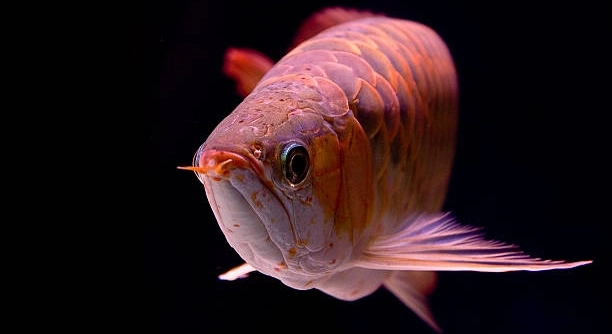
Do you ever notice your arowana swimming past its food without taking a bite? Even healthy fish can refuse meals sometimes, leaving owners puzzled. Understanding why this happens can help maintain their well-being and feeding routine.
Arowanas may refuse food due to stress, water quality issues, illness, improper diet, sudden environmental changes, or natural fasting periods. Identifying the specific cause is essential for correcting feeding behavior and ensuring the fish’s overall health and growth.
Knowing these situations will help you respond appropriately and maintain a balanced feeding schedule for your arowana. Proper care begins with observing these subtle feeding behaviors.
Stress and Its Impact on Feeding
Arowanas are sensitive to changes in their environment. Loud noises, frequent tapping on the tank, or sudden movements around their aquarium can make them anxious. When stressed, they may ignore food, even if it is something they usually enjoy. Stress can also weaken their immune system, making them more vulnerable to illness. Maintaining a calm environment is crucial. Keep lights consistent and avoid sudden disturbances. Introducing new tankmates gradually can help prevent territorial disputes. Regular tank cleaning and stable water parameters also reduce stress levels. Observing your fish’s behavior helps identify early signs of stress, such as hiding, rapid gill movement, or erratic swimming. Reducing stress ensures they remain healthy and more willing to eat. Consistent routines and gentle handling go a long way in supporting their feeding habits. Over time, stress management contributes to a stronger, more active arowana that feeds reliably.
Minimizing sudden changes in the tank environment often restores normal feeding behavior in stressed arowanas.
Arowanas thrive when they feel safe and secure. Regular feeding schedules, gentle interactions, and stable water conditions encourage consistent appetite. Avoiding overcrowding and monitoring for stress signals ensures they maintain good health and continue eating properly.
Water Quality Problems
Poor water quality directly affects an arowana’s willingness to eat. High ammonia, nitrite, or nitrate levels can make them feel unwell. Frequent water testing and partial water changes keep these parameters safe. Temperature fluctuations or inappropriate pH also discourage feeding.
Maintaining stable, clean water promotes regular eating patterns and overall health.
Contaminated or unstable water can quickly lead to health issues. Arowanas are particularly sensitive to changes, and their appetite is one of the first signs of discomfort. Checking filters, testing water weekly, and adjusting as needed prevents sudden declines in feeding. Overfeeding can pollute water, so careful portioning is necessary. Observing their behavior after water changes helps ensure conditions remain suitable. Providing hiding spots or gentle currents can reduce stress related to water flow. By prioritizing water quality, owners can prevent many feeding problems and support long-term vitality. Clean water not only encourages eating but also minimizes disease risks, helping arowanas thrive in a controlled environment.
Illness and Health Issues
Arowanas often refuse food when they are sick. Signs like lethargy, clamped fins, or unusual swimming patterns can indicate illness. Prompt observation and treatment are important. Ignoring symptoms may worsen their condition and prolong feeding refusal.
Illness can be caused by bacterial, viral, or parasitic infections. Internal parasites can reduce appetite, while external parasites may cause irritation and stress. Nutritional deficiencies or organ problems also affect feeding. Arowanas may hide more or stay near the surface when feeling unwell. Quarantining new fish and maintaining clean water reduces the risk of disease. Consulting a veterinarian experienced with ornamental fish ensures accurate diagnosis and treatment, helping restore normal feeding behavior and overall health.
Proper care, including a balanced diet, stable water conditions, and attention to behavioral changes, minimizes illness-related feeding issues. Early detection prevents serious complications and helps your arowana regain appetite faster.
Improper Diet
Feeding your arowana unsuitable food can make it refuse meals. They need protein-rich diets and occasional variety. Overfeeding or repetitive food choices reduce appetite.
Providing a balanced diet with live, frozen, or pellet foods keeps arowanas healthy. Avoid foods that float indefinitely or spoil quickly. Certain fish may refuse food if it is too large or difficult to swallow. Rotating protein sources like shrimp, fish fillets, and insects ensures nutritional balance and prevents boredom. Supplementing with vitamins can improve appetite and immunity. Observing how your arowana reacts to different foods allows adjustments to maintain consistent feeding. Proper preparation of food, such as thawing frozen items, also encourages eating. Maintaining dietary variety supports growth, vibrant coloration, and energy levels in arowanas. Consistent, appropriate feeding practices prevent long-term appetite problems.
Sudden Environmental Changes
Arowanas are sensitive to rapid changes in temperature, lighting, or tank placement. Sudden shifts can make them stop eating temporarily. Gradual adjustments help them acclimate without stress.
Even minor changes, like moving decorations or rearranging the tank, may affect feeding behavior. Maintaining consistency in their environment encourages normal appetite and reduces anxiety.
Seasonal Fasting
Some arowanas naturally eat less during certain times of the year. This is a normal adaptation to seasonal changes in temperature or daylight.
Aggressive Tankmates
Aggressive or territorial fish can intimidate arowanas, causing them to avoid food. They may hide or swim defensively instead of eating. Maintaining compatible tankmates and monitoring interactions helps reduce stress and encourages consistent feeding.
FAQ
Why is my arowana refusing food even though it looks healthy?
Even healthy arowanas can skip meals. Stress, minor environmental changes, or boredom with repetitive food can reduce appetite temporarily. Observing behavior, maintaining stable water conditions, and offering varied food often restores feeding. Skipped meals are not always a sign of illness but should be monitored closely.
How long can an arowana go without eating?
Arowanas can survive several days without food, but extended fasting can weaken their immune system and slow growth. Short-term fasting may occur naturally or due to mild stress. Regular observation and timely intervention are necessary to prevent health issues.
Can water temperature affect feeding?
Yes, water temperature directly impacts metabolism. If the tank is too cold, digestion slows and appetite decreases. Keeping water within the species’ ideal range encourages regular feeding and supports overall health. Gradual adjustments help prevent sudden refusals.
Could tank size influence eating habits?
A cramped or overcrowded tank can make arowanas stressed and reduce appetite. Providing sufficient space and hiding areas encourages confident feeding. Larger tanks also allow more stable water parameters, which indirectly supports consistent feeding behavior.
Is the type of food important for encouraging eating?
Absolutely. Arowanas require high-protein diets, including live, frozen, or prepared foods. Repetitive feeding of the same item can lead to refusal. Offering variety, appropriate portion sizes, and occasional supplements supports appetite and nutritional balance.
What signs indicate illness affecting feeding?
Symptoms like lethargy, clamped fins, unusual swimming, or visible spots suggest illness. Appetite loss is often an early indicator. Prompt attention, quarantine of sick fish, and consulting a veterinarian experienced with ornamental fish are recommended.
Can stress from other fish cause food refusal?
Yes, aggressive or territorial tankmates can intimidate arowanas. They may avoid food or hide frequently. Maintaining compatible fish, monitoring interactions, and adjusting the environment can reduce stress and restore appetite.
How often should I offer food to encourage consistent eating?
Arowanas generally do well with once or twice daily feedings depending on age and size. Overfeeding can pollute water and reduce appetite. Establishing a routine helps them develop a consistent feeding pattern.
Does water quality really affect feeding?
Poor water quality is one of the most common reasons for food refusal. High ammonia, nitrite, or nitrate levels stress the fish and reduce appetite. Regular testing, partial water changes, and maintaining stable pH and temperature prevent feeding issues.
What if my arowana refuses food for several days?
Short-term refusal may not be dangerous, but prolonged fasting can indicate stress, illness, or environmental problems. Observe behavior, check water parameters, and consider dietary adjustments. Professional advice from an aquatic veterinarian can prevent serious health consequences.
Can seasonal changes impact feeding behavior?
Yes, some arowanas naturally eat less during cooler months or when daylight is shorter. This is typically normal, but monitoring ensures they remain healthy and do not lose excessive weight during these periods.
Are there ways to make food more appealing?
Yes, slightly varying temperature, texture, or type of food can encourage eating. Thaw frozen foods properly, cut prey into manageable pieces, and occasionally offer live food to stimulate appetite. Consistency and variety together maintain interest.
Is it safe to fast an arowana intentionally?
Short-term fasting for a day or two can sometimes be used to manage water quality or digestion, but prolonged fasting without reason can harm the fish. Always monitor health and behavior carefully during fasting periods.
How can I tell if environmental stress is the reason for food refusal?
Look for erratic swimming, hiding, rapid gill movement, or avoiding areas where food is offered. Stable water conditions, quiet surroundings, and minimal tank disturbances usually resolve stress-related appetite issues.
What steps should I take if my arowana stops eating suddenly?
Check water quality, tankmates, food type, and temperature. Observe for signs of illness. Adjust the environment, offer varied foods, and isolate if necessary. Prompt action helps prevent complications and restores feeding more quickly.
This FAQ addresses common concerns about arowanas refusing food. Monitoring behavior, maintaining stable conditions, and offering appropriate diets are key to keeping them healthy and consistent in feeding.
Arowanas are fascinating fish, but feeding them consistently can sometimes be challenging. There are several reasons why an arowana may refuse food, ranging from stress and illness to environmental changes and diet issues. Each factor plays a role in their behavior, and understanding these can help you provide better care. Observing your arowana closely is essential, as subtle changes in behavior often indicate the underlying cause. Even minor adjustments to the tank, such as stabilizing water temperature or removing aggressive tankmates, can make a significant difference in restoring appetite. By being attentive, you can identify patterns and address feeding issues before they become more serious, ensuring your arowana remains healthy and active.
Proper care and maintenance are critical for encouraging arowanas to eat regularly. Water quality is one of the most important factors, as contaminated or unstable water can cause stress and illness, both of which reduce appetite. Keeping the water clean, monitoring parameters like ammonia and nitrite levels, and performing regular partial water changes support overall health. Diet is equally important. A balanced feeding routine with high-protein foods, supplemented with variety to prevent boredom, ensures your arowana receives the nutrients it needs. Observing how your fish reacts to different foods helps in adjusting portions and types to suit its preferences. A stable, clean environment combined with appropriate feeding practices creates conditions where the arowana feels secure enough to eat consistently.
Monitoring your arowana’s behavior, providing the right diet, and maintaining a stable environment are ongoing responsibilities. Seasonal changes, stress from tankmates, and occasional illness are natural challenges, but they can be managed with careful observation and timely adjustments. Feeding patterns often reflect the overall well-being of the fish, so addressing any refusal to eat promptly is essential. Patience is important, as some issues, like seasonal fasting or minor stress, may resolve on their own with a consistent routine. Paying attention to these details allows you to prevent long-term problems and ensures your arowana thrives in a healthy environment. Taking a proactive approach not only improves feeding habits but also supports the fish’s growth, color, and activity, resulting in a stronger, happier arowana.

Hello,
If you enjoy the content that we create, please consider saying a "Thank You!" by leaving a tip.
Every little bit helps us continue crafting quality advice that supports the health, happiness, and well-being of pets around the world, for pets of all shapes, sizes, and species.
We really appreciate the kindness and support that you show us!