
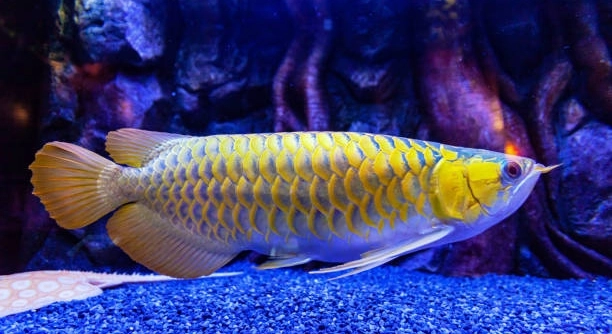
Do you ever notice your arowana swimming alone, barely acknowledging its tankmates? Many fish owners face this situation and wonder why their usually active fish seems so distant in its environment. Observing behavior is important for healthy aquariums.
Arowanas may not interact with tankmates due to stress, territorial instincts, incompatible species, or poor water conditions. Ensuring proper tank size, stable water parameters, and suitable companions can improve social behavior and overall fish welfare.
Understanding these key factors can help you create a more harmonious aquarium. By paying attention to behavior and environment, you can encourage arowanas to feel secure and engaged.
Common Reasons Your Arowana Avoids Tankmates
Arowanas are naturally territorial and can feel stressed when their space is overcrowded. A small or improperly arranged tank may make them anxious, leading to withdrawal from other fish. Incompatible species can trigger fear or aggression, causing them to hide or ignore companions. Water quality is another important factor. Sudden changes in temperature, pH, or ammonia levels can make arowanas uneasy, reducing interaction. Even the presence of aggressive or fast-moving fish may overwhelm them. Providing plenty of swimming space, hiding spots, and monitoring water parameters helps reduce stress. Observing their behavior daily allows you to notice subtle signs of tension, such as erratic swimming or chasing other fish. Adjusting tank conditions gradually can encourage more natural social behavior. Many owners see improvements simply by rearranging decor or separating incompatible species. Feeding routines also play a role, as a hungry or stressed fish may act differently. Consistency and attention create a calmer tank environment.
Stress, territorial instincts, and incompatible tankmates are the main reasons arowanas withdraw. Adjusting conditions and tankmates often improves interaction.
Watching your arowana’s response to changes can teach you a lot about its preferences. Small adjustments often lead to noticeable improvements, making your tank more peaceful.
Improving Social Behavior in Your Arowana
Tankmates need to be chosen carefully to avoid conflict. Slow-moving, non-aggressive species work best with arowanas.
Creating a calm environment requires attention to tank size, water conditions, and feeding schedules. Arowanas prefer large tanks with open swimming areas and some hiding spots to feel secure. Overcrowding causes stress and reduces interaction. Maintaining stable temperature, pH, and cleanliness ensures your fish remain healthy. Introducing new tankmates slowly helps prevent territorial disputes. Observing behavior during feeding times is important, as dominance or competition can affect social behavior. Gentle rearrangements of tank decorations can reduce stress by giving the arowana new spaces to explore without feeling threatened. Regular monitoring and adjustments based on observations make a significant difference. Ensuring compatible species and proper care encourages natural behavior and interaction. Consistency in routine helps the arowana feel safe, allowing it to be more comfortable and social in its environment. By paying attention to these factors, you can foster a balanced, interactive community in your tank.
Adjusting Tank Conditions
Changing water temperature gradually helps reduce stress in arowanas. Stable pH and clean water are essential for comfort and social behavior. Small changes should be made slowly to avoid shocking the fish. Monitoring conditions daily keeps the tank safe.
Proper filtration, regular water changes, and temperature control create a healthy environment. Arowanas are sensitive to sudden fluctuations, which can make them retreat or ignore tankmates. Providing enough space and reducing overcrowding allows them to swim freely without feeling threatened. Observing how they interact with other fish after adjustments shows whether changes are effective. Patience and consistency are key when making environmental improvements, as results may take days to appear.
Lighting and tank layout influence behavior as well. Open areas for swimming paired with shaded hiding spots allow arowanas to feel secure. Rearranging decorations slowly reduces stress, helping the fish explore more confidently. By controlling water parameters, space, and layout, you create an environment that encourages social interaction naturally. Regular monitoring ensures any signs of discomfort or aggression are addressed quickly, maintaining balance in the tank and supporting long-term health and well-being.
Feeding and Interaction
Arowanas respond well to predictable feeding schedules. Consistent feeding reduces stress and encourages them to notice tankmates. Feeding at the same time daily helps establish routine and familiarity.
Offering varied diets supports health and behavior. Protein-rich foods, occasional live prey, and high-quality pellets meet nutritional needs and stimulate activity. Feeding multiple fish slowly avoids competition and aggression. Watching how your arowana reacts to food reveals comfort levels and willingness to interact. Introducing treats in different tank areas encourages exploration. Adjusting portions and frequency prevents overfeeding while keeping the fish active. Feeding time is also an opportunity to observe tank dynamics and behavior patterns closely.
Interaction can be encouraged by gentle, consistent routines. Swimming patterns, feeding response, and exploration show comfort and social tendencies. Slow movements near the tank and predictable care help the arowana feel secure. Combining proper feeding with suitable tankmates promotes natural engagement. Over time, consistent care encourages trust and social behavior, improving overall harmony. Observing reactions carefully allows adjustments to environment or diet to enhance interaction further. The goal is to create a routine that balances health, comfort, and social activity.
Recognizing Stress Signs
Arowanas may show stress by hiding, refusing food, or swimming erratically. Loss of color or clamped fins can also indicate discomfort. Paying attention to these signs helps identify issues early.
Other indicators include aggression toward tankmates or lethargy. Observing daily behavior allows quick adjustments in tank conditions, improving overall health.
Choosing Compatible Tankmates
Selecting calm, non-aggressive fish prevents conflicts and encourages interaction. Avoid small, fast-moving species that may trigger chasing or stress in arowanas. Properly sized companions give the arowana confidence to engage without feeling threatened. Choosing species that share similar water requirements reduces tension and promotes harmony.
Maintaining Tank Hygiene
Regular cleaning and monitoring water parameters keep the environment safe. A clean tank reduces stress and encourages natural behavior, supporting both the arowana and its companions.
FAQ
Why is my arowana hiding most of the time?
Arowanas hide when they feel stressed, threatened, or uncomfortable in their environment. Small tanks, sudden water changes, or aggressive tankmates can trigger hiding. Providing ample swimming space, shaded areas, and stable water conditions helps your fish feel safe and encourages more natural activity.
Can water quality affect my arowana’s behavior?
Yes, poor water quality is a major factor in withdrawal. High ammonia, nitrite, or nitrate levels can make arowanas stressed or sick. Maintaining proper filtration, regular water changes, and consistent temperature and pH reduces stress and promotes interaction with tankmates.
Is my arowana being aggressive toward other fish?
Aggression often results from territorial instincts, overcrowding, or incompatible species. Arowanas may chase or nip at tankmates to establish dominance. Separating aggressive fish or choosing slower, peaceful species can reduce conflicts and create a calmer environment.
How can I encourage my arowana to interact with others?
Interaction improves when stress is minimized. Ensure adequate tank size, compatible species, hiding spots, and stable water conditions. Gradual introduction of new tankmates and consistent feeding routines help the arowana feel more secure and open to engagement.
Do diet and feeding schedules affect social behavior?
Absolutely. Consistent feeding times and a varied diet keep arowanas active and reduce stress-related withdrawal. Protein-rich pellets, occasional live food, and controlled portions encourage exploration and interaction. Feeding in multiple locations can stimulate movement and natural curiosity.
Can lighting and tank layout influence behavior?
Yes, arowanas respond to light and space. Bright or harsh lighting may stress them, while open swimming areas combined with shaded spots allow for comfort and exploration. Rearranging decorations slowly can reduce stress and encourage more interaction with tankmates.
How long does it take for my arowana to adjust to new tankmates?
Adjustment varies depending on the fish’s temperament and environment. Some arowanas adapt in days, while others may take weeks. Patience is key. Monitoring interactions, making slow environmental changes, and maintaining consistent routines can support smoother social integration.
Should I separate my arowana from aggressive tankmates?
Yes. Persistent aggression or stress can harm both the arowana and its companions. Using dividers or moving incompatible fish to another tank ensures safety. Once stress is reduced, you can attempt careful reintroduction with suitable species.
Is it normal for an arowana to ignore other fish completely?
Yes, some arowanas naturally prefer solitude, especially if they feel threatened or stressed. Observing behavior, adjusting the environment, and ensuring proper care can encourage limited interaction, but some level of independence is typical for the species.
Can illness cause arowanas to avoid tankmates?
Illness often leads to withdrawal. Symptoms like lethargy, loss of appetite, or unusual swimming may indicate sickness. Quarantining the fish and consulting a veterinarian or aquatics specialist ensures proper treatment and helps restore normal social behavior.
How do I monitor if changes are working?
Observe swimming patterns, feeding response, and interactions daily. Positive signs include increased movement, exploration, and occasional interaction with tankmates. Documenting behavior over time helps determine which adjustments improve comfort and social activity.
Are there environmental changes I should avoid?
Avoid sudden temperature shifts, drastic rearrangements, or introducing aggressive species abruptly. Gradual changes and stability are essential. Sudden disruptions increase stress and can worsen withdrawal or aggression, counteracting your efforts to improve interaction.
What long-term practices support social behavior?
Consistent care, proper tankmates, stable water conditions, and attentive feeding routines support long-term engagement. Regular observation allows for early detection of stress or health issues, ensuring your arowana remains comfortable, healthy, and more willing to interact over time.
Final Thoughts
Arowanas are beautiful and unique fish, but their behavior can sometimes be confusing. It is normal for some arowanas to be more reserved or independent than others. Factors like stress, tank size, water quality, and tankmates all play a role in how social they are. Small adjustments in the environment often have a big impact. Providing a larger tank, stable water parameters, and enough hiding spots can make your arowana feel more comfortable. Paying attention to their behavior each day helps you notice small changes that may indicate stress or discomfort. Even minor improvements, like moving decorations or adjusting lighting, can encourage your fish to explore and interact more. Observing your arowana calmly without making sudden changes allows them to gradually adapt at their own pace.
Feeding routines and diet also influence social behavior. Arowanas thrive on consistent schedules and varied nutrition. Protein-rich pellets, occasional live food, and controlled portions keep them active and healthy. Feeding in different parts of the tank encourages exploration and engagement with their environment. Overfeeding or irregular feeding can make arowanas lethargic or withdrawn. Watching how they respond to food can help identify stress or discomfort early. Tankmates play a major role as well. Slow-moving, peaceful fish are usually the best companions, while aggressive or overly fast species may increase stress and cause withdrawal. Gradual introductions of new fish, along with careful monitoring of interactions, can prevent conflicts and encourage a balanced social dynamic. Patience is important because changes in behavior may take time to appear.
Maintaining clean and stable tank conditions is essential for long-term well-being. Regular water changes, proper filtration, and monitoring temperature and pH levels reduce stress and improve overall health. Arowanas are sensitive to their environment, and even small fluctuations can affect behavior. Observing signs of illness or stress, such as hiding, clamped fins, or lack of appetite, allows for early intervention. By combining proper care, consistent feeding, suitable tankmates, and attention to environmental factors, you can create a comfortable and balanced habitat for your arowana. Over time, these practices support natural behaviors and interaction, helping your fish feel secure and more engaged in the tank. Understanding their needs and responding thoughtfully ensures your arowana can thrive in a healthy, peaceful environment.

Hello,
If you enjoy the content that we create, please consider saying a "Thank You!" by leaving a tip.
Every little bit helps us continue crafting quality advice that supports the health, happiness, and well-being of pets around the world, for pets of all shapes, sizes, and species.
We really appreciate the kindness and support that you show us!