
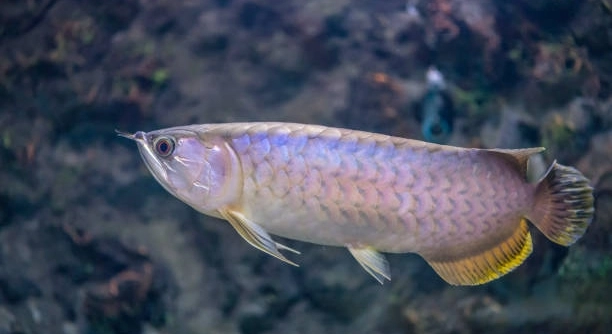
Keeping arowanas happy in captivity requires more than a clean tank and proper food. These fish are intelligent and active, and providing them with ways to stay engaged can improve their overall health and behavior.
Arowana enrichment can be achieved through simple techniques such as rearranging tank decorations, introducing floating objects, providing live or artificial prey, creating hiding spots, and varying feeding methods. These strategies stimulate natural instincts and promote physical and mental well-being.
Adding small, thoughtful changes to your tank environment can make a noticeable difference in your arowana’s daily life and keep them more active.
Rearrange Tank Decorations
Changing the layout of your arowana’s tank can make a big difference. Moving rocks, driftwood, or plants around encourages exploration and keeps your fish from becoming bored. Even small adjustments in the tank can stimulate curiosity, giving your arowana new places to swim around and inspect. Over time, this can improve their mental engagement and reduce signs of stress. You might notice your fish spending more time near new hiding spots or exploring corners they ignored before. Variety in their environment mimics natural habitats, which helps satisfy their instinctual need to investigate.
Rearranging decorations every few weeks helps maintain a stimulating environment and encourages active behavior in arowanas.
When moving decorations, ensure the tank remains safe. Sharp edges should be avoided, and objects should be stable so they won’t fall and injure the fish. Gradual changes are best; sudden, extreme rearrangements can cause stress. Watch how your arowana reacts, adjusting placement slowly to keep the tank engaging while maintaining comfort and security. This simple method keeps the fish active, curious, and healthier over time.
Introduce Floating Objects
Floating objects like small balls or plants can catch an arowana’s attention quickly. They may push or nudge these objects, which promotes physical activity and natural hunting behavior.
Using floating items in a tank encourages movement and curiosity, helping to prevent boredom and inactivity.
Floating objects are versatile and easy to implement. They can be natural, like lightweight plants, or artificial toys designed for aquariums. Placement at different areas of the tank challenges the fish to move and adjust, keeping swimming patterns varied. Over time, arowanas may interact with the items regularly, showing interest in tapping, circling, or nudging them. These objects can also serve as visual stimulation, breaking up empty spaces and giving the tank a more dynamic feel. Regular rotation of floating objects ensures novelty, keeping your fish engaged. Combined with other enrichment strategies, floating items help maintain mental sharpness, reduce stress-related behaviors, and encourage healthy activity levels, contributing to overall well-being.
Provide Hiding Spots
Arowanas need spaces to feel secure. Adding caves, driftwood, or dense plants gives them areas to retreat and reduces stress. Hiding spots encourage natural behavior and keep the fish calm, especially in larger tanks where open spaces can feel overwhelming.
Hiding areas simulate natural habitats, offering safety and comfort. Fish may use them during rest or when feeling threatened. Positioning multiple hiding spots at different heights and corners promotes exploration and activity. This setup encourages the arowana to move around the tank rather than staying in one place. Stable and non-sharp materials are essential to prevent injuries, and careful placement ensures they are accessible without overcrowding the swimming space. The goal is balance: enough spots for security, but open areas for exercise.
Providing hiding spots also supports breeding and territorial instincts. When arowanas feel secure, they display healthier behavior and are more likely to interact with the environment. These areas can reduce aggressive tendencies and give the fish confidence to explore new objects or floating items added later. Adjusting placement occasionally keeps the environment stimulating while maintaining a safe and comfortable habitat, enhancing overall well-being.
Vary Feeding Methods
Changing how food is offered can increase mental stimulation. Tossing live prey, using feeding sticks, or scattering pellets encourages natural hunting instincts and keeps feeding interesting.
Varying feeding techniques prevents monotony and promotes activity. Introducing live or moving food requires the arowana to chase and strategize, which mimics natural hunting. Using feeding sticks or tongs allows controlled movement of food, making fish react quickly, strengthening agility and alertness. Even rearranging the timing or location of feeding encourages adaptability. Different food textures, sizes, and motion types help satisfy instinctual behaviors. By creating challenges during feeding, arowanas stay mentally sharp and physically active.
Feeding variety also supports digestive health and prevents overeating. Alternating live food with frozen or pellet options ensures a balanced diet while keeping the fish engaged. Observing how the arowana responds to different feeding setups can guide adjustments for optimal stimulation. Over time, this method encourages stronger reflexes, better coordination, and sustained curiosity about the tank environment. It is a simple, effective way to combine nutrition with enrichment, supporting long-term health and activity.
Use Mirrors Sparingly
Placing a mirror for short periods can stimulate your arowana’s natural curiosity. The fish may interact with its reflection, which encourages movement and mental engagement without causing long-term stress.
Mirrors should be introduced briefly and removed after a few minutes. Prolonged exposure can lead to aggression or frustration, so timing is important to maintain a positive effect.
Add Water Currents
Creating gentle water currents with a pump or filter helps your arowana exercise naturally. Swimming against the flow strengthens muscles and mimics conditions in their natural habitat, promoting both physical and mental health.
Rotate Tank Toys
Switching out tank toys every few weeks keeps your arowana interested. New objects or shapes in the environment encourage exploration and prevent boredom from routine.
FAQ
How often should I rearrange my arowana’s tank decorations?
Rearranging decorations every few weeks is enough to keep your arowana curious and active. Small adjustments are better than a complete overhaul, which can stress the fish. Observing their response helps guide how much change is appropriate for your tank setup.
Can floating objects be left in the tank all the time?
Floating objects are best rotated rather than left constantly. Short periods of interaction maintain novelty. This prevents boredom and encourages your arowana to explore and engage with the environment rather than ignoring static objects over time.
Are hiding spots necessary in every tank?
Yes, hiding spots are essential for reducing stress. They provide security and comfort, allowing the fish to retreat when needed. Even minimal setups benefit from one or two safe areas, as it promotes natural behaviors and a calmer, healthier fish.
What types of food should I use to vary feeding methods?
Live prey, frozen foods, and high-quality pellets offer variety. Using tongs or feeding sticks can make the feeding process interactive, prompting natural hunting behaviors. Occasional treats like insects or small crustaceans keep your arowana mentally stimulated.
Can mirrors harm my arowana?
Mirrors can stimulate curiosity but should be used briefly. Long exposure may cause aggression or stress, especially if the fish perceives its reflection as a rival. Short, controlled sessions allow safe interaction without negative effects.
How strong should water currents be?
Gentle currents are best. Too strong a flow can tire or stress your arowana. Adjust the pump or filter so the fish can swim comfortably against the current, providing exercise while mimicking natural conditions.
Is it safe to rotate tank toys regularly?
Yes, rotation is beneficial. Introducing new shapes or objects every few weeks keeps your arowana engaged. Avoid overcrowding the tank, and ensure toys are smooth and safe to prevent injury.
Will enrichment affect my arowana’s health?
Proper enrichment improves both mental and physical well-being. Active and engaged fish are less likely to develop stress-related behaviors or illnesses. Enrichment combined with good water quality and diet ensures long-term health.
How do I know if my arowana enjoys a new enrichment item?
Signs include increased swimming, exploring, or interacting with objects. A curious arowana may circle, nudge, or investigate new items. Lack of engagement may indicate a need to adjust placement or try different enrichment methods.
Can I combine multiple enrichment techniques at once?
Yes, combining strategies like hiding spots, floating objects, and varied feeding is effective. Ensure changes are gradual and balanced. Too many new elements at once may overwhelm the fish, but careful layering encourages healthy exploration and activity.
How often should I monitor my arowana’s behavior during enrichment?
Daily observation is ideal. Watch for signs of stress, aggression, or inactivity. Monitoring ensures that enrichment methods are effective and safe, allowing you to adjust techniques as needed for the fish’s comfort and engagement.
Are enrichment methods different for young versus adult arowanas?
Young arowanas benefit from more frequent changes and interactive elements to build activity habits. Adults may require less frequent adjustments but still benefit from variety. Tailoring enrichment to size and age ensures appropriate stimulation and supports healthy growth.
Can enrichment reduce aggression between multiple arowanas?
Proper enrichment can help by providing separate hiding spots, varied feeding, and objects that allow individual activity. While it doesn’t eliminate territorial instincts, it can reduce stress-related conflicts by keeping each fish engaged and occupied.
How long does it take to see results from enrichment?
Some changes, like increased swimming or curiosity, can be observed within days. Mental and physical health improvements may take weeks. Consistency and patience are key, as gradual exposure reinforces positive behavior and long-term benefits.
Are there any risks with over-enrichment?
Yes, too many objects, sudden changes, or constant stimulation can stress your arowana. Balance is essential. Introduce one or two new elements at a time, monitor reactions, and maintain safe swimming space to ensure enrichment remains positive.
Can enrichment help during water changes or maintenance?
Yes, providing temporary distractions like floating objects or feeding challenges can reduce stress during maintenance. Familiar hiding spots or partial rearrangements help keep your arowana calm and engaged while routine care is performed.
Do enrichment items need to be cleaned regularly?
Yes, all items should be cleaned during routine tank maintenance to prevent algae, bacteria, or debris buildup. Cleaning preserves safety and hygiene while maintaining effective stimulation for your arowana.
Is enrichment necessary for all arowana species?
All species benefit, though the level and type of stimulation may vary. Larger or more active species may require additional swimming space and more interactive elements. Observing your specific fish’s behavior helps tailor enrichment effectively.
How do I start enrichment if my arowana is shy?
Begin with small, simple changes, like a single hiding spot or a floating plant. Gradually introduce new items or feeding techniques, giving the fish time to adapt. Patience allows shy arowanas to explore without feeling threatened.
Can enrichment improve arowana lifespan?
While enrichment alone doesn’t guarantee longevity, it reduces stress, promotes physical activity, and supports mental health. Combined with proper diet, water quality, and care, it contributes to a healthier, potentially longer life.
Providing arowanas with proper enrichment is an important part of keeping them healthy and active. These fish are intelligent and naturally curious, and a tank that only offers food and basic decorations can become dull and unstimulating. Simple strategies like rearranging decorations, adding hiding spots, or introducing floating objects give them opportunities to explore and interact with their environment. Over time, these small adjustments can make a noticeable difference in behavior, making your arowana more engaged and lively. Even minor changes can encourage natural instincts such as swimming, hunting, and investigating, which are essential for their overall well-being. When enrichment is consistent and thoughtful, it helps reduce stress, prevents boredom, and supports mental stimulation, which is just as important as proper nutrition and clean water.
In addition to physical activity, enrichment also encourages mental engagement. Varying feeding methods, using temporary mirrors, or rotating tank toys can challenge an arowana’s mind and prevent routine from becoming monotonous. Fish that are regularly stimulated tend to show more confident behavior and are less likely to develop stress-related issues. Observing how your arowana interacts with different objects or responds to new arrangements can help you understand its preferences and habits. Adjusting the tank environment gradually is important, as sudden or extreme changes may cause anxiety. By combining physical and mental enrichment, you create a balanced setup that mirrors the natural environment of arowanas while promoting curiosity and healthy activity levels in a controlled home setting.
Overall, enrichment is a practical way to improve the quality of life for your arowana. Simple measures such as adding hiding spots, introducing floating items, and varying feeding techniques are easy to implement and can have a significant impact over time. It is important to monitor your fish’s behavior and adjust strategies as needed to ensure safety and comfort. Enrichment is not just a temporary activity; it should be a regular part of tank maintenance and care. By maintaining a stimulating and dynamic environment, you help your arowana stay active, alert, and healthy, making it easier to enjoy a thriving, vibrant fish that shows natural behaviors and maintains a high level of well-being throughout its life.

Hello,
If you enjoy the content that we create, please consider saying a "Thank You!" by leaving a tip.
Every little bit helps us continue crafting quality advice that supports the health, happiness, and well-being of pets around the world, for pets of all shapes, sizes, and species.
We really appreciate the kindness and support that you show us!