
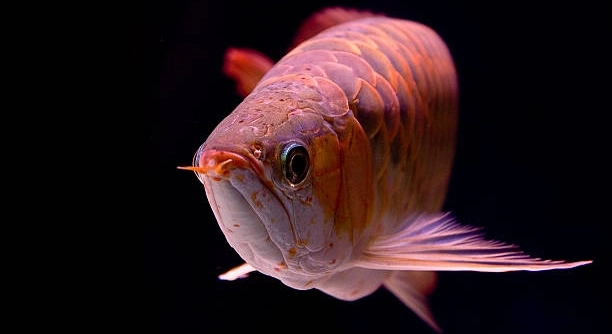
Do you ever notice your arowana suddenly breaking the water’s surface, leaving you wondering what could be causing such behavior in your aquarium?
Arowanas often break the surface due to stress, poor water quality, insufficient oxygen, or natural feeding instincts. Environmental changes, strong lighting, and improper tank setup can also trigger this behavior, signaling the need for careful observation and adjustment.
Understanding these reasons will help you create a safer, more comfortable environment that supports your arowana’s natural behavior and overall well-being.
Poor Water Quality
Arowanas are sensitive fish, and poor water quality is one of the main reasons they break the surface frequently. Ammonia buildup, high nitrate levels, and unbalanced pH can cause irritation and stress, leading them to gasp for air or jump. These fish rely heavily on clean, well-oxygenated water to stay healthy, and any imbalance can quickly affect their behavior. Maintaining stable conditions through regular water changes, proper filtration, and monitoring water parameters ensures your arowana remains calm and active within its environment. Arowanas thrive in consistency, so keeping their habitat stable is key to preventing distress.
When the water becomes polluted, it limits oxygen levels, forcing your arowana to seek air near the surface. Consistent cleaning, testing kits, and gradual adjustments can prevent this situation from escalating and help your fish stay relaxed.
By focusing on water quality, you’re supporting your arowana’s natural instincts and preventing unnecessary stress. Clean water doesn’t just improve health—it enhances movement, appetite, and color vibrancy. When their environment mimics natural conditions, arowanas display fewer erratic behaviors and more balanced swimming patterns. Paying attention to small signs like frequent surfacing or sluggishness can help identify issues early. Taking time to maintain stability ultimately promotes a healthier, more comfortable aquarium for your arowana.
Insufficient Oxygen Levels
Low oxygen levels are another major reason your arowana breaks the surface often. It’s their way of trying to breathe in more air when the water lacks proper aeration or circulation.
Arowanas are large, active fish that require plenty of dissolved oxygen to thrive. When tanks are overcrowded, filters become clogged, or aeration is weak, oxygen levels drop, leaving your fish gasping near the surface. Adding air stones, maintaining proper water flow, and avoiding overfeeding all help sustain healthy oxygen balance. Warmer temperatures can reduce oxygen in water, so keeping the tank slightly cooler and ensuring surface agitation are effective solutions. Regularly checking your equipment and observing your fish’s behavior will reveal if oxygen levels need attention. Maintaining sufficient oxygen not only prevents surfacing behavior but also strengthens immune health and supports better metabolism, ensuring your arowana remains strong, active, and stress-free in its aquatic home.
Stress and Sudden Movements
Stress is a common cause for arowanas breaking the surface. Sudden movements, loud noises, or frequent tapping on the glass can easily startle them. These sensitive fish react quickly to disturbances, especially in unfamiliar environments or when tank conditions change abruptly.
Arowanas need a calm and stable environment to feel secure. When stressed, they may swim erratically, jump, or hide for long periods. Introducing new tank mates, rearranging decorations, or bright lighting can heighten anxiety. Reducing external disturbances and maintaining consistent lighting schedules can help. Avoid overcrowding, as too many fish increase territorial behavior and stress levels. Gradual changes to the aquarium are best for preventing shock. Regular feeding times also promote a sense of security and reduce unpredictable reactions.
Maintaining stability helps your arowana regain confidence. When the environment feels safe, they move gracefully instead of darting or leaping. A peaceful setting encourages feeding and interaction, allowing their natural beauty to shine. Over time, predictable routines and a consistent habitat help reduce panic responses, ensuring your arowana remains calm and active without sudden surface breaks caused by fear or agitation.
Feeding Instincts and Surface Hunting
Arowanas are natural surface hunters, so breaking the water during feeding is normal behavior. Their instinct is to strike at insects or smaller prey above the waterline, making surface activity a sign of healthy predatory behavior when conditions are stable.
Providing floating pellets, live insects, or small feeder fish supports their instinctive feeding habits. However, excessive jumping or thrashing during feeding can indicate hunger or poor feeding schedules. Feeding smaller portions several times a day helps maintain balance. Avoid overfeeding, as leftover food can quickly spoil water quality. It’s also essential to keep a secure tank lid since arowanas can leap unexpectedly. Observing their feeding response closely reveals much about their overall well-being. A healthy arowana will strike swiftly, return calmly to swimming, and maintain steady movement after eating, signaling that both feeding patterns and environmental comfort are properly aligned.
Territorial Behavior
Arowanas are highly territorial fish that can become aggressive when they feel their space is threatened. When another fish invades their area, they may leap or break the surface to assert dominance or warn off intruders within the tank.
Maintaining a spacious aquarium and minimizing tank mates reduces territorial tension. Separating aggressive species or providing visual barriers can also help calm your arowana. Creating defined areas with plants or driftwood allows them to establish boundaries, reducing conflicts and minimizing unnecessary surface activity.
Reflections and Lighting
Bright lighting or strong reflections can confuse arowanas, making them mistake their reflection for another fish. This often causes them to strike the water surface in reaction. Adjusting light angles and dimming brightness prevents confusion and minimizes erratic jumping behavior caused by mirror-like reflections.
Temperature Fluctuations
Sudden temperature changes can make arowanas uncomfortable, leading them to the surface for relief. Maintaining consistent water temperature prevents shock and stress. Using a reliable heater and thermometer ensures stable conditions, supporting your fish’s health and preventing unnecessary surface breaks or restless swimming.
FAQ
Why does my arowana keep jumping out of the tank?
Arowanas jump out of tanks due to stress, poor water quality, or their natural instinct to catch prey near the surface. Sometimes, sudden noises or movements outside the tank startle them. To prevent injuries, always use a secure lid. Keeping consistent lighting, stable water parameters, and minimizing external disturbances helps reduce this behavior. Ensure your arowana has enough space to swim comfortably, as cramped environments increase restlessness and jumping tendencies.
Is surface breathing normal for arowanas?
Occasional surface breathing is normal, especially after feeding or during active hours. However, frequent surfacing may suggest low oxygen levels, high ammonia, or poor filtration. Proper aeration and regular water changes are essential to maintain balance. Using air stones and ensuring good water circulation prevents oxygen depletion. When oxygen is sufficient, your arowana will remain near the middle or bottom of the tank most of the time, showing calm and steady movement.
Can temperature changes make an arowana restless?
Yes, even small temperature shifts can disturb an arowana. These fish are sensitive to environmental changes, and sudden drops or rises can cause them to swim erratically or rush toward the surface. Keep water temperature between 75°F and 82°F with consistent monitoring. Using a reliable heater and thermometer prevents stress-related reactions. Stability helps maintain their immune system, appetite, and natural rhythm, ensuring balanced movement and fewer surface breaks.
How can I tell if my arowana is stressed?
Stress signs include rapid swimming, frequent surfacing, hiding, or refusing food. Arowanas may also display dull coloration or frayed fins. When stressed, they often react strongly to light changes or nearby movements. Reducing these triggers helps. Maintain stable tank conditions, proper oxygenation, and avoid overcrowding. Regular routines, consistent feeding schedules, and a quiet environment promote calm behavior. A relaxed arowana will swim gracefully, respond to food, and display vibrant coloration without sudden surface jumps.
Does poor diet affect surface behavior?
Yes, a poor diet can influence how your arowana behaves. Nutritional deficiencies may cause lethargy, anxiety, or hyperactivity. Feed a balanced mix of pellets, live food, and occasional treats to keep energy steady. When underfed, they may frequently strike the surface searching for food. Overfeeding, however, causes waste buildup, affecting water quality and oxygen levels. Balanced feeding habits support calm swimming patterns, healthy digestion, and proper surface interaction during feeding times.
Can tank mates cause surface activity in arowanas?
Aggressive or fast-moving tank mates can trigger defensive reactions. Arowanas, being territorial, dislike intrusions. If they feel challenged or crowded, they might break the surface or show signs of irritation. Choose compatible tank mates that occupy lower or middle levels, such as larger catfish or peaceful species. Avoid fin nippers or smaller fish that may provoke chasing. Ensuring proper space distribution and minimal confrontation keeps your arowana stress-free and less likely to exhibit erratic surface behavior.
What lighting conditions are best for arowanas?
Soft, indirect lighting works best. Harsh or fluctuating lights can make them anxious or cause confusion due to reflections. Keep the aquarium away from direct sunlight and use consistent lighting schedules. Installing dimmable LED lights helps mimic natural daylight patterns. Gradual brightness transitions during morning and night reduce stress. Proper lighting also enhances their natural color and supports normal activity levels. Balanced illumination keeps your arowana active, calm, and less prone to surface jumping caused by sudden flashes or reflections.
How often should I clean the tank to prevent surface behavior issues?
Regular maintenance is crucial. Partial water changes every week, about 25–30%, help maintain quality. Clean filters monthly or as needed to prevent buildup. Avoid deep cleaning all elements at once, as it can disrupt beneficial bacteria. Balanced cleaning schedules sustain oxygen flow and reduce ammonia, which directly influences surface behavior. Always test the water before and after cleaning to ensure parameters remain stable. A clean, balanced environment supports consistent movement and prevents panic or surface gasping in your arowana.
Why does my arowana stop eating and stay near the surface?
Loss of appetite combined with surface hovering often signals stress or water issues. Check for high ammonia, low oxygen, or temperature fluctuations. Poor diet variety can also lead to disinterest in food. Offering live or frozen options can encourage eating. If behavior persists, evaluate environmental stability and reduce disturbances. Healthy arowanas should display curiosity during feeding times. Once conditions improve, appetite usually returns, and surface hovering lessens, restoring a balanced and calm routine.
Can changing the tank setup affect arowana behavior?
Yes, rearranging decorations or adding new items can temporarily disturb your arowana. They rely on familiar surroundings for security, and sudden changes can trigger surface activity or hiding. Introduce changes gradually, allowing them to explore and adjust. Avoid over-decorating; open swimming space is vital for their comfort. Keeping their habitat consistent and introducing adjustments slowly minimizes stress. Over time, familiarity restores confidence, helping them resume natural swimming and reducing unnecessary surface breaks.
Final Thoughts
Caring for an arowana requires attention, patience, and consistency. These beautiful fish have strong instincts and specific needs that must be met for them to thrive. Understanding why they break the surface helps identify issues early and prevent harmful outcomes. Every movement they make communicates something about their comfort, health, or environment. Clean water, stable temperature, and sufficient oxygen are not optional—they are essential parts of responsible care. Small mistakes, like sudden water changes or inconsistent feeding, can easily lead to stress and surface-breaking behavior. By maintaining a balanced routine and creating a stable environment, you help your arowana remain calm and active without unnecessary agitation.
Arowanas are intelligent and observant, responding strongly to the conditions around them. When they feel safe and supported, they display grace and confidence in their movements. Providing enough swimming space, proper lighting, and good-quality food strengthens both their health and behavior. Every tank setup should be designed with their natural habits in mind, allowing them to express their predatory instincts without injury or stress. Paying attention to patterns—such as when they surface or how they react to feeding—can help you recognize early signs of discomfort. With proper adjustments, most surface-breaking issues can be corrected without causing harm to your fish.
Consistency is what keeps arowanas healthy over time. These fish are not just decorative; they are living creatures that rely on your care and awareness. Observing their behavior daily builds familiarity and trust, helping you detect subtle changes before they become serious. Regular maintenance, gentle handling, and a calm environment ensure that your arowana remains both strong and vibrant. Creating this balance might take time, but the reward is seeing your fish thrive peacefully in its tank, free from the stress that causes erratic surface activity. When cared for properly, an arowana becomes a long-lasting companion in your aquarium, showcasing its natural elegance and strength for many years. Each moment spent improving its habitat contributes to its overall well-being, making your effort deeply worthwhile.

Hello,
If you enjoy the content that we create, please consider saying a "Thank You!" by leaving a tip.
Every little bit helps us continue crafting quality advice that supports the health, happiness, and well-being of pets around the world, for pets of all shapes, sizes, and species.
We really appreciate the kindness and support that you show us!