
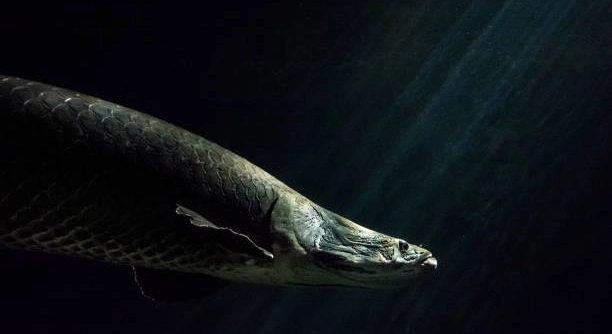
Have you ever noticed how arowanas move gracefully in their tanks yet often swim alone? These fish are popular for their beauty and elegance, drawing attention from hobbyists who enjoy watching them thrive.
Arowanas are not known to experience loneliness in the way humans do. While they recognize environmental changes and respond to stimuli, their social needs are minimal, and they can remain healthy and active without constant human interaction.
Learning about their natural behaviors can help you provide a better environment. Observing their interactions with surroundings ensures your arowana remains content and well-cared-for.
Understanding Arowana Behavior
Arowanas are naturally solitary fish. In the wild, they live alone or in very small groups, maintaining large territories. Their behavior in captivity often reflects this instinct. They may swim near decorations, examine tank mates from a distance, or patrol the edges of their space. Arowanas are visually oriented, responding to movement and light more than social interaction. Many owners notice their fish following their hand or swimming closer during feeding times, but this is a response to stimulation rather than emotional attachment. Their activity levels vary throughout the day, with periods of rest and bursts of movement. Providing a spacious tank, hiding spots, and consistent water conditions helps them feel secure. Overcrowding or sudden changes in environment can trigger stress, impacting health and appetite. Observing these natural tendencies allows you to design a habitat that supports their instincts and keeps them active and healthy over time.
Their behavior is guided primarily by instinct, not emotional bonds.
Knowing how arowanas naturally interact with their environment helps create a balanced tank. By mimicking these conditions, you encourage natural activity, reduce stress, and maintain overall well-being for your fish.
Signs Your Arowana is Comfortable
Comfortable arowanas show steady swimming patterns, regular feeding habits, and minimal stress indicators.
When an arowana is relaxed, it swims confidently around the tank, exploring decorations and surfaces. The fish maintains bright coloration and clear eyes, showing alertness without frantic movement. Feeding times are consistent, and the fish approaches food without hesitation. Stress signs include hiding excessively, swimming erratically, or refusing to eat. Tank conditions directly affect comfort, including temperature, pH levels, and water cleanliness. Arowanas thrive in environments that reflect their natural habitat, with enough space to move and areas to retreat when needed. Interactions with humans are limited to recognizing movement near the tank, which can appear as curiosity. Unlike social species, arowanas do not need constant attention to remain healthy. Observing these cues allows you to identify when adjustments are needed to maintain a suitable environment and ensure the fish remains calm and active.
Regular observation and adjustments of tank conditions ensure your arowana’s comfort. Monitoring health, behavior, and environment creates a space where the fish can thrive independently. Consistent care reduces stress, encourages feeding, and supports natural activity. By understanding these signs, you can maintain a stable, enriching habitat.
Tank Setup for Arowanas
Arowanas need large tanks with open swimming areas. Decorations should provide hiding spots without overcrowding. Proper filtration and regular water changes maintain stability and reduce stress, keeping the fish healthy and active.
Tank size should allow at least three times the fish’s length in swimming space. Rounded corners and smooth surfaces prevent injuries, as arowanas can be powerful swimmers. Plants and driftwood can add enrichment, but they must not restrict movement. Maintaining temperature between 75–82°F and pH around 6.5–7.5 is essential. Arowanas respond to clean, stable water, and sudden changes can trigger stress or aggression.
Lighting should mimic natural conditions, with a day-night cycle to regulate activity. Avoid bright, harsh lights that may cause anxiety. Substrate and decorations should be easy to clean. Monitoring water parameters regularly ensures a safe environment. By carefully arranging the tank and keeping conditions stable, your arowana will remain active, healthy, and confident in its space.
Feeding and Nutrition
Arowanas require a diet rich in protein and variety for proper growth.
Feeding should include live, frozen, or prepared foods such as shrimp, fish, or insects. Rotating food types prevents nutrient deficiencies and keeps the fish interested. Feeding small amounts multiple times a day mimics natural hunting behavior and reduces waste accumulation. Overfeeding can lead to obesity and poor water quality, so portion control is essential. Supplements can enhance coloration and overall health, especially in young or stressed fish. Observing how your arowana eats helps detect appetite changes early, indicating potential health issues.
Hydration, vitamin supplementation, and high-quality protein sources support skeletal and muscle development. Avoid feeding exclusively one type of food, as this can cause imbalance. Maintaining a consistent feeding routine allows the arowana to establish predictable habits. Tank cleanliness is crucial during feeding to prevent leftover food from degrading water quality. By providing varied, nutritious meals and monitoring intake, your arowana will remain strong, vibrant, and active over time.
Social Interaction
Arowanas are not social fish and do not require companions to thrive. They may observe other fish but prefer their own space. Interaction with humans is limited to curiosity or feeding responses, not emotional connection.
Providing a calm, stable environment allows them to feel secure. Excessive handling or disturbances can stress them, impacting health. Arowanas thrive on routine and predictable surroundings rather than social engagement, so minimal interference is often best.
Signs of Stress
Stress in arowanas appears as erratic swimming, loss of appetite, or faded coloration. Monitoring these behaviors helps maintain a healthy environment. Tank changes, overcrowding, or poor water quality are common triggers.
Tank Mates
Careful selection of tank mates is essential. Only similarly sized, non-aggressive fish are suitable to prevent conflict and injury.
Maintaining Water Quality
Regular water testing, filtration, and partial water changes prevent harmful buildup. Keeping water clean supports health and activity levels.
FAQ
Can arowanas recognize their owners?
Arowanas do not recognize humans the way pets like dogs or cats do. They can, however, become familiar with movement near the tank and associate it with feeding. This response is based on routine and environmental cues rather than emotional bonding. Over time, your fish may swim closer when you approach, indicating curiosity and recognition of the feeding pattern.
Do arowanas need companions in their tank?
Arowanas are solitary by nature. They do not require companions to be healthy or active. Adding other fish can sometimes cause stress or territorial disputes, especially in smaller tanks. If tank mates are considered, they should be large enough to avoid being eaten and calm enough to coexist peacefully.
How can I tell if my arowana is happy?
Signs of a comfortable arowana include consistent swimming patterns, regular feeding, bright coloration, and alertness without frantic movements. The fish explores its environment confidently, interacts with objects like plants or decorations, and maintains a healthy appetite. Sudden changes in behavior can indicate stress or illness, requiring adjustments in care or environment.
What foods are best for arowanas?
A balanced diet includes live or frozen fish, shrimp, insects, and specially formulated pellets. Variety is essential to prevent nutrient deficiencies and keep the fish interested in feeding. Overfeeding should be avoided, as excess food can harm water quality and lead to obesity. A consistent feeding routine supports growth and health.
Can arowanas survive without seeing people?
Yes, arowanas can thrive without constant human presence. They rely on environmental stability and routine care rather than social interaction. Regular feeding, proper tank conditions, and clean water are more important for their well-being than human attention. Minimal disturbance often results in healthier, more active fish.
How often should I change the water?
Partial water changes of 20–30% weekly help maintain stable water quality. Regular testing for ammonia, nitrite, nitrate, pH, and temperature ensures the tank environment remains safe. Clean water prevents stress, supports immune function, and encourages natural behavior. Overcleaning or large, sudden changes can also be harmful.
What are signs of illness in arowanas?
Illness can appear as faded color, abnormal swimming, loss of appetite, bloating, or visible injuries. Early detection is critical. Regular observation, proper nutrition, and maintaining clean water reduce the risk of disease. Quarantining new fish before introduction also prevents infections.
Can arowanas live in smaller tanks?
Smaller tanks limit movement and can cause stress. Arowanas need ample swimming space proportional to their size, with at least three times their body length. A cramped environment may lead to injury, aggression, or stunted growth. Proper tank size is essential for long-term health and activity.
Is it necessary to provide hiding spots?
Yes, hiding spots like driftwood, rocks, or plants allow arowanas to feel secure. These spaces reduce stress and mimic natural conditions. Even though they are solitary, having areas to retreat is important for comfort, especially during feeding or water changes.
Do arowanas need special lighting?
Lighting should reflect a natural day-night cycle, not be too bright or harsh. Proper lighting supports activity patterns and coloration without causing anxiety. Timers can help maintain consistency, allowing the fish to adjust naturally to regular light periods.
How can I reduce stress in my arowana?
Stress can be minimized by maintaining stable water conditions, providing enough space, and avoiding overcrowding. Limiting sudden disturbances and ensuring a predictable routine also helps. A calm, clean environment with proper temperature and diet supports overall well-being.
Can arowanas cohabit with aggressive species?
Aggressive species are not suitable tank mates. Arowanas may fight or become stressed, risking injury or illness. Choosing compatible, peaceful fish of similar size is crucial. Observing interactions closely can prevent conflicts and maintain a healthy, safe environment.
How long do arowanas live in captivity?
With proper care, arowanas can live 10–20 years or more. Lifespan depends on diet, tank conditions, and regular monitoring. Maintaining stable water quality, providing a balanced diet, and minimizing stress are key factors in ensuring a long, healthy life.
Can arowanas jump out of the tank?
Yes, they are strong, agile swimmers. Tanks should have secure lids to prevent injury or escape. Open-top tanks increase the risk of jumping, especially if the fish is startled or chasing food. Ensuring a secure environment protects both the arowana and the surroundings.
How do I introduce new tank mates?
New fish should be quarantined before introduction. Introduce them slowly, observing interactions for signs of aggression. Ensure the tank is large enough to provide territories and hiding spaces. Gradual introduction reduces stress and helps maintain harmony within the tank.
What temperature is ideal for arowanas?
Arowanas thrive in water between 75–82°F (24–28°C). Sudden fluctuations can cause stress or illness. Using heaters or chillers to maintain stability is recommended, along with regular monitoring to ensure optimal conditions for health and activity.
Are arowanas sensitive to water pH?
Yes, they prefer slightly acidic to neutral water, around 6.5–7.5 pH. Maintaining consistent pH is important, as sudden changes can stress the fish and impact digestion, immune function, and overall behavior. Regular testing helps prevent fluctuations.
Do arowanas interact with their reflection?
Arowanas may respond to reflections, mistaking them for another fish. This is natural and not harmful unless it leads to repeated stress or injury. Observing their reaction can help decide if adjustments, such as background changes, are needed.
Can arowanas recognize feeding routines?
Yes, they quickly learn feeding patterns and may become active when the routine begins. This recognition is based on habit rather than emotional connection, helping the fish anticipate food and maintain consistent appetite and behavior.
Is tank size more important than decoration?
Tank size is critical for movement and health. Decorations enhance the environment but should not limit swimming space. Proper space prevents stress, aggression, and injury, supporting growth, activity, and overall well-being.
How often should I monitor water parameters?
Weekly testing is recommended for temperature, pH, ammonia, nitrite, and nitrate. Frequent checks ensure a safe, stable environment. Sudden changes can indicate equipment failure or water quality issues, allowing timely corrections to prevent stress or illness.
Can arowanas live alone long-term?
Yes, they are naturally solitary and can thrive alone indefinitely. Their health depends on environmental stability, diet, and tank conditions rather than companionship. Minimal disturbance allows them to exhibit natural behaviors and remain active and healthy over time.
Arowanas are fascinating fish that thrive in well-maintained environments. They are naturally solitary and do not experience loneliness in the same way mammals do. In captivity, their health and activity depend more on the quality of their habitat, diet, and water conditions than on social interaction. Observing their behavior can be rewarding, as they are active and visually engaging. Unlike pets that seek affection, arowanas respond to stimuli, such as movement near the tank or feeding routines. Providing consistent care allows them to develop predictable habits and maintain steady health over the years. Understanding their natural tendencies helps you make informed decisions about tank size, decorations, and feeding schedules, ensuring a balanced and comfortable environment.
Proper tank setup is key to an arowana’s well-being. These fish require ample swimming space and smooth surfaces to prevent injuries, as they are powerful swimmers. A tank should be large enough to accommodate their eventual size, with open areas for movement and strategically placed hiding spots. Decorations like driftwood, rocks, or plants create a secure feeling without overcrowding. Filtration and water quality maintenance are crucial, as arowanas are sensitive to changes in temperature, pH, and water cleanliness. Regular partial water changes and monitoring of parameters help reduce stress and promote healthy behavior. Lighting should mimic a natural day-night cycle to support their activity patterns and coloration without causing anxiety. Every detail in the tank setup contributes to a safe and stimulating environment, allowing the fish to thrive naturally.
Feeding and nutrition also play a major role in their health. A balanced diet of live, frozen, or prepared foods ensures proper growth, coloration, and energy levels. Variety is important, as relying on a single food source can cause nutrient deficiencies or reduce interest in meals. Feeding small amounts multiple times a day mimics natural hunting behavior, reduces waste buildup, and prevents overfeeding. Observing how your arowana eats and behaves during feeding times can indicate overall health, allowing you to address any changes promptly. Minimal stress, proper care, and consistent routines provide arowanas with a stable and comfortable environment, enabling them to live long, active lives. By focusing on these essential aspects of care, you ensure your arowana remains healthy, confident, and well-adapted to its home.

Hello,
If you enjoy the content that we create, please consider saying a "Thank You!" by leaving a tip.
Every little bit helps us continue crafting quality advice that supports the health, happiness, and well-being of pets around the world, for pets of all shapes, sizes, and species.
We really appreciate the kindness and support that you show us!