
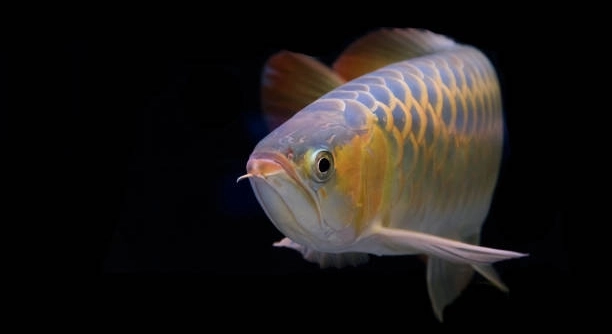
Have you ever noticed your Arowana behaving differently, swimming more actively, or showing unusual attention to its surroundings? These subtle shifts often indicate the fish’s natural instincts preparing for breeding in its environment.
Arowana breeding behavior is primarily triggered by environmental conditions, including optimal water temperature, proper pH levels, adequate lighting, and the presence of a compatible mate. These factors collectively stimulate hormonal changes, encouraging courtship and reproductive activities.
Observing these cues in your aquarium can provide valuable insight into the fish’s readiness, helping you support a healthy and successful breeding process.
Understanding Environmental Triggers
Arowanas respond strongly to their surroundings. Water temperature plays a major role, as slightly warmer conditions often stimulate activity linked to breeding. Stable pH levels between 6.5 and 7.5 help maintain their health, reducing stress that could prevent reproductive behaviors. Lighting also influences hormonal cycles, with longer daylight hours sometimes encouraging mating activity. A spacious tank with hiding spots allows Arowanas to feel secure, promoting confidence to engage in courtship behaviors. Changes in water flow or the introduction of gentle currents can mimic natural habitats, further enhancing their readiness. Diet impacts energy levels and vitality, and high-quality protein sources support reproductive health. Observing subtle signs like increased swimming near the surface, tail flicking, or bubble nest preparation indicates the fish is responding to these environmental factors. By adjusting the tank conditions carefully, you can encourage natural breeding instincts without causing harm or unnecessary stress. Patience and consistency are key for noticeable results in behavior.
Proper tank conditions directly affect Arowanas’ willingness to breed and their overall health, making attention to environment essential for success.
Monitoring these environmental cues daily can help identify optimal conditions, allowing timely adjustments to support breeding behavior effectively.
The Role of Compatibility
Introducing a compatible mate is crucial for successful breeding. Arowanas often show selectivity, responding best to partners of similar size and temperament, which helps reduce aggression.
Pairing the right male and female can improve courtship success. Differences in age, size, or temperament may cause stress or fighting, which hinders reproductive behavior. Proper observation is necessary to identify signs of acceptance, such as synchronized swimming, gentle nudging, or mutual attention. Once compatibility is established, maintaining a stable environment becomes even more important. Stress from overcrowding, sudden changes, or poor water quality can disrupt interactions and prevent spawning. Feeding both fish adequately supports energy for mating rituals, while giving them enough space allows natural behaviors to occur. Even subtle behavioral shifts, like protective circling or guarding areas, indicate readiness to breed. By carefully managing compatibility and providing optimal conditions, the chances of successful breeding increase significantly, creating a balanced and harmonious environment for these majestic fish to reproduce naturally.
Signs of Breeding Readiness
Arowanas show clear behaviors when ready to breed. Increased swimming near the surface, chasing movements, and protective circling are common signs. Observing these consistently helps identify when the fish is preparing for reproduction.
These behaviors are often paired with changes in appetite and energy. Males may start building bubble nests or showing heightened territorial behavior, while females become more responsive to the male’s courtship displays. Subtle color changes or more vivid scales can appear, signaling hormonal shifts. Tracking these signs over time gives insight into the right timing for pairing, reducing stress and maximizing breeding success. Attention to these cues ensures that both fish remain healthy and ready for reproduction.
Timing and patience are critical, as rushing or forcing interactions can lead to stress, injuries, or failed breeding attempts. Maintaining observation helps provide the best conditions.
Feeding and Nutrition
Proper diet directly supports breeding behavior. High-protein foods and live prey provide the energy necessary for courtship and spawning.
Arowanas require a balanced diet that includes live or frozen fish, insects, and pellets designed for carnivorous species. Feeding consistently ensures optimal energy levels and promotes reproductive readiness. Nutrients like vitamins and fatty acids enhance vitality, which is important during courtship. Overfeeding can cause water quality issues, while underfeeding can reduce activity and weaken breeding potential. Monitoring how the fish respond to different foods helps identify what boosts energy and interest in mating behaviors. Adjusting portion sizes and variety keeps both male and female healthy, supporting natural instincts and encouraging successful reproduction.
Along with nutrition, regular maintenance of the tank is essential. Clean water prevents disease and stress, which can otherwise inhibit breeding. A careful balance of feeding, tank care, and observation ensures that Arowanas remain vigorous, confident, and ready to engage in natural courtship and spawning behaviors, enhancing the likelihood of successful breeding.
Water Quality and Maintenance
Clean, stable water conditions are essential for Arowana breeding. Regular water changes and monitoring parameters like ammonia, nitrite, and nitrate levels prevent stress and promote natural reproductive behavior.
Maintaining consistent temperature and pH levels reduces hormonal fluctuations. Sudden changes in water conditions can cause aggression or inhibit courtship, so careful observation and routine maintenance are crucial for encouraging breeding readiness.
Tank Space and Environment
Arowanas need ample space to swim freely. Larger tanks reduce stress, allow courtship displays, and prevent territorial disputes between paired fish. Proper hiding spots and minimal obstructions help fish feel secure and confident to engage in mating behaviors.
Behavioral Observation
Watching daily behavior provides insight into readiness. Increased activity, chasing, and surface interactions indicate breeding motivation.
FAQ
What is the ideal water temperature for Arowana breeding?
The optimal temperature for Arowana breeding generally ranges between 78°F and 86°F (25.5°C–30°C). Maintaining a stable temperature within this range supports hormonal changes necessary for courtship and spawning. Sudden fluctuations can stress the fish, reducing their willingness to engage in mating behaviors.
How do I know if my Arowanas are compatible?
Compatible Arowanas usually show calm interactions, synchronized swimming, and mutual attention. Males may gently nudge females, while females respond without aggression. Pairing fish of similar size and temperament minimizes fighting, ensuring a safer environment for breeding and reducing stress-related issues.
What kind of diet encourages breeding?
High-protein diets are crucial. Feeding live or frozen fish, insects, and specialized carnivorous pellets boosts energy and supports reproductive health. Balanced nutrition strengthens courtship activity, improves vitality, and promotes egg production. Overfeeding or poor-quality food can harm water quality and reduce breeding readiness.
How important is tank size?
Tank space plays a major role in successful breeding. Arowanas need large, open areas to swim freely, perform courtship displays, and establish territories. Overcrowding increases stress and aggression, which can prevent mating. Providing at least 250 gallons for adult pairs is recommended to create a comfortable environment.
What signs indicate the male is ready to breed?
Males often build bubble nests or guard specific areas in the tank. They display chasing or circling behavior around the female and may show subtle color changes. Increased surface activity and protective movements signal readiness, allowing for careful monitoring to ensure the female is receptive.
What signs indicate the female is ready to breed?
Females become more responsive to the male’s displays. They may follow the male closely, show reduced aggression, and exhibit increased appetite. Physical cues like slight swelling in the abdominal area can indicate egg development. Observing these behaviors alongside the male’s activity helps identify breeding readiness.
How do water changes affect breeding behavior?
Regular water changes are essential for maintaining optimal parameters. Fresh water reduces toxins, stabilizes pH, and prevents ammonia or nitrite buildup, all of which support breeding. Sudden or large water changes, however, can shock the fish and interrupt courtship, so gradual adjustments are recommended.
What is the role of lighting in breeding?
Lighting influences hormonal cycles. Longer daylight periods can stimulate courtship behaviors, while dim or inconsistent lighting may delay breeding. Using a consistent day-night cycle that mimics natural conditions helps regulate behavior and encourages reproductive activity without causing stress.
Can stress prevent breeding?
Yes, stress is a major factor. Poor water quality, overcrowding, aggressive tank mates, or sudden environmental changes can all reduce breeding behavior. Minimizing disturbances, maintaining clean water, and providing enough space allow Arowanas to feel secure and more likely to engage in natural mating rituals.
How long does it take for Arowanas to start breeding?
Timing varies depending on age, maturity, and environmental conditions. After reaching sexual maturity, typically around three to five years, Arowanas may show readiness within weeks if conditions are ideal. Consistent monitoring and maintaining stable water, nutrition, and compatibility help speed up the process while ensuring healthy interactions.
What should I do if breeding fails?
If breeding attempts fail, review environmental factors, diet, and compatibility. Adjust water parameters gradually, ensure both fish are healthy and stress-free, and give them time to adapt. Sometimes waiting and observing natural behaviors without interference improves the likelihood of future successful breeding.
How can I support fry survival?
Providing a safe area for fry is essential. Separating them from adults, maintaining excellent water quality, and feeding appropriately sized live or prepared foods encourages growth. Monitoring for predation or stress ensures higher survival rates and healthier young Arowanas.
Are there differences in breeding behavior between Arowana species?
Yes, some species show subtle variations in courtship displays, aggression levels, and nesting behaviors. Understanding your specific species’ natural tendencies allows better environmental adjustments, enhancing the chances of successful breeding and reducing conflicts in the tank.
How frequently should I monitor breeding activity?
Daily observation is ideal. Regular monitoring allows timely intervention if aggression, stress, or environmental changes interfere with courtship. Keeping notes on behavior trends helps identify optimal conditions and improves understanding of the fish’s breeding patterns over time.
What is the role of water flow in breeding?
Gentle water flow simulates natural habitats and encourages activity without stressing the fish. Strong currents can inhibit spawning behaviors, while stagnant water may reduce oxygen levels, negatively affecting courtship. Balancing flow ensures a healthy environment supportive of reproductive activity.
Arowana breeding is a complex but fascinating process that relies on careful observation and consistent care. These fish respond strongly to environmental conditions, so maintaining stable water temperature, proper pH levels, and a clean, spacious tank is essential. Even small fluctuations can affect their behavior and reduce breeding success. Providing a large, secure tank with hiding spots and gentle water flow allows both male and female to feel comfortable. When fish feel safe and their basic needs are met, they are more likely to engage in natural courtship behaviors, such as chasing, circling, and bubble nest building. Observing these behaviors closely can help you understand when the fish are ready to breed and whether any adjustments to their environment are necessary.
Diet and nutrition are equally important in supporting breeding behavior. Arowanas require a high-protein diet that can include live or frozen fish, insects, and specialized carnivorous pellets. Proper feeding ensures that the fish have the energy needed for courtship, mating, and, in the case of females, egg development. Overfeeding or poor-quality food can harm water quality, reduce energy levels, and even prevent reproductive behaviors. By providing balanced nutrition consistently, the fish are more likely to remain active, healthy, and responsive to their environment. Monitoring how each fish responds to different foods also helps in fine-tuning the diet for optimal reproductive health. Alongside diet, maintaining routine tank care such as water changes, temperature monitoring, and cleaning helps minimize stress, which is one of the main factors that can prevent successful breeding.
Patience and careful observation are key throughout the entire process. Arowanas may take weeks or even months to display full breeding behavior, and rushing or forcing interactions can lead to stress, injury, or failure. It is important to recognize the subtle signs of readiness in both males and females, such as increased activity, color changes, and courtship displays. Maintaining compatible pairs, a stable environment, and proper nutrition gives the best chance for successful reproduction. Over time, learning to interpret these behaviors and adjusting tank conditions as needed allows breeders to support the fish in a natural and healthy way. Ultimately, understanding the factors that trigger Arowana breeding ensures a safer, more controlled environment, leading to healthier fish and a greater likelihood of successful reproduction.

Hello,
If you enjoy the content that we create, please consider saying a "Thank You!" by leaving a tip.
Every little bit helps us continue crafting quality advice that supports the health, happiness, and well-being of pets around the world, for pets of all shapes, sizes, and species.
We really appreciate the kindness and support that you show us!