
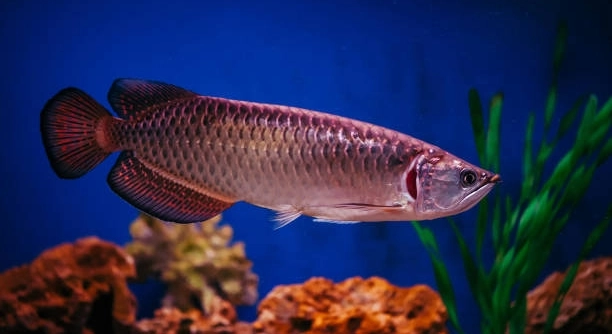
Arowanas are striking fish that bring elegance to any aquarium. Many owners enjoy their beauty but may not realize the small details that affect their health and well-being over time. Proper care goes beyond basic feeding routines.
Arowana owners often overlook critical aspects such as tank size, water quality, diet diversity, and behavioral enrichment. Ignoring these factors can lead to stress, stunted growth, disease susceptibility, and reduced lifespan, emphasizing the need for comprehensive and attentive care practices.
Even simple adjustments can make a significant difference. Understanding these commonly missed details ensures your arowana remains healthy, vibrant, and active in its aquatic environment.
Tank Size Matters
Many arowana owners underestimate how much space these fish require. Arowanas are large, active swimmers, and keeping them in a small tank can lead to stress, stunted growth, and health problems. Ideally, the tank should be at least 250 gallons for adult arowanas, with a long and wide layout to accommodate their swimming style. Vertical height is important but less critical than length. A tank that is too small also makes maintaining water quality more difficult, as waste buildup happens faster. This can lead to higher ammonia levels and increased disease risk. Providing sufficient space allows the arowana to move freely, display natural behaviors, and remain mentally stimulated. Additionally, a properly sized tank supports better oxygen circulation and allows for the addition of decorations or plants without crowding the fish. Planning tank size carefully from the start is one of the simplest ways to prevent common health issues.
Ensuring the right tank size improves both water quality and fish well-being. A larger tank reduces stress and promotes natural activity.
Investing in a spacious tank not only keeps your arowana healthier but also enhances its natural beauty. Arowanas need room to turn, swim long distances, and exercise without bumping into decorations or walls. Choosing a tank too small can cause long-term problems that are difficult to reverse, even with excellent care practices. A roomy tank makes daily maintenance easier, reduces ammonia spikes, and provides a more stable environment for temperature and filtration. It also allows for the addition of enrichment items, such as floating plants or driftwood, giving your fish opportunities for exploration. Large tanks mimic arowanas’ natural habitat more closely, helping them feel secure and promoting active, confident behavior.
Water Quality and Filtration
Maintaining clean water is essential for arowanas. They are sensitive to ammonia, nitrite, and nitrate levels, and poor water conditions can quickly lead to illness.
A reliable filtration system and frequent water testing are critical. Regular partial water changes help remove toxins and keep water parameters stable, which supports long-term fish health and reduces stress.
Investing in high-quality filters suited for large tanks ensures the removal of waste and debris. Mechanical filtration captures solid particles, chemical filtration removes impurities, and biological filtration supports beneficial bacteria that break down harmful compounds. Skipping or underestimating any of these elements can result in cloudy water, algae growth, and higher disease risks. Consistent monitoring of pH, temperature, and hardness is necessary, as sudden changes can shock the fish. Many owners overlook the importance of maintaining the filter itself; clogged or neglected filters reduce efficiency and can harm the arowana. Water circulation is another key aspect, ensuring oxygen levels remain sufficient and preventing stagnant zones. Properly maintained water encourages healthy appetite, growth, and coloration, making arowana care both simpler and more effective.
Diet and Feeding
Arowanas require a varied diet to stay healthy. Feeding only one type of food can cause nutritional deficiencies, weakened immunity, and slow growth. A balanced diet should include live, frozen, and pellet options to meet protein and vitamin needs.
Incorporating live foods such as small fish, insects, and shrimp helps stimulate natural hunting behavior. Frozen options like krill, bloodworms, and silversides provide essential nutrients without the risk of introducing parasites. High-quality pellets formulated for carnivorous fish ensure daily dietary consistency and prevent malnutrition. Feeding small portions multiple times a day is better than one large meal, as it mimics natural feeding habits. Overfeeding should be avoided, as leftover food can degrade water quality and lead to obesity or digestive problems. Carefully rotating food types ensures the arowana receives complete nutrition, supporting growth, vibrant coloration, and long-term health.
Many owners underestimate the importance of supplementation. Occasional additions of vitamins or mineral-enriched foods can prevent deficiencies. Observing the fish during feeding also provides insight into its health, activity level, and appetite, making dietary management both practical and preventative.
Tank Decoration and Environment
Overcrowding the tank with decorations can stress arowanas and restrict swimming space. Open swimming areas are essential for their movement and natural behavior. Proper placement of driftwood, rocks, or plants adds enrichment without compromising space.
Decorations should not have sharp edges or toxic materials, as arowanas can injure themselves while exploring. Floating plants can provide shaded areas, reducing stress, while large driftwood or rocks offer resting spots and visual variety. Avoid overcrowding, as excessive décor limits swimming room, affects water flow, and complicates cleaning. It is important to regularly rearrange or remove items to maintain balance between enrichment and free space. Providing a carefully planned environment supports mental stimulation, physical activity, and reduces aggressive behavior. Observing how the fish interacts with its surroundings helps refine tank setup for optimal health.
Temperature and Water Conditions
Arowanas thrive in stable temperatures, usually between 75°F and 82°F. Sudden fluctuations can stress the fish, weaken immunity, and increase susceptibility to disease. A reliable heater and thermometer are essential for maintaining consistency.
pH levels should remain between 6.5 and 7.5. Hard water and rapid changes can cause stress. Regular monitoring ensures stability and helps prevent long-term health issues.
Tank Mates
Choosing compatible tank mates is crucial. Aggressive or overly small fish can cause injuries or become prey. Peaceful, large species work best with arowanas to reduce stress and avoid conflict.
Regular Health Checks
Observing your arowana daily helps detect early signs of illness. Look for changes in appetite, swimming patterns, coloration, and fin condition. Early detection allows prompt treatment and prevents serious health problems.
FAQ
How often should I feed my arowana?
Feeding frequency depends on the fish’s age and size. Juvenile arowanas benefit from small meals two to three times a day, while adult arowanas can be fed once daily or every other day. Overfeeding should be avoided, as leftover food can foul the water and cause digestive issues. Observing appetite helps adjust portions accordingly.
What type of food is best for arowanas?
A varied diet is essential. Live foods like small fish or insects stimulate natural hunting behavior, while frozen options like shrimp or krill provide balanced nutrition. High-quality pellets formulated for carnivorous fish can ensure daily consistency. Occasionally including vitamin-enriched foods prevents nutritional deficiencies. Rotating food types supports growth, vibrant coloration, and overall health.
How large should my arowana tank be?
Adult arowanas require a tank of at least 250 gallons. Length and width matter more than height because they need space to swim horizontally. Adequate space reduces stress, allows natural movement, and helps maintain stable water conditions. Planning tank size in advance avoids long-term health problems.
What water conditions are ideal?
Arowanas thrive in temperatures between 75°F and 82°F with a stable pH of 6.5–7.5. Hard water or rapid changes can stress the fish. Regular monitoring of ammonia, nitrite, and nitrate levels is important, along with partial water changes. Consistent water quality promotes healthy growth, immunity, and coloration.
Can arowanas live with other fish?
Yes, but tank mates must be chosen carefully. Avoid small fish that may become prey and aggressive species that could injure the arowana. Peaceful, large fish work best. Observing interactions helps identify issues early and prevents stress or territorial aggression.
How do I know if my arowana is healthy?
Healthy arowanas display active swimming, consistent appetite, clear eyes, smooth scales, and intact fins. Changes in behavior, loss of appetite, discoloration, or frayed fins may indicate illness. Early detection allows prompt treatment and improves recovery outcomes. Regular observation is key to maintaining health.
How often should I clean the tank?
Partial water changes of 20–30% weekly help maintain water quality. Cleaning filters regularly ensures proper functioning and removes debris. Avoid complete water changes, as they can stress the fish. Maintaining a clean environment reduces disease risk and supports long-term well-being.
Do arowanas need tank decorations?
Yes, but carefully. Open swimming space is essential, with minimal decorations to prevent injury. Driftwood, rocks, and floating plants can provide enrichment and resting areas without overcrowding. Observing fish interaction with decorations helps maintain balance between stimulation and space for movement.
What are common signs of stress in arowanas?
Stress may show as hiding, loss of appetite, erratic swimming, or dull coloration. Poor water quality, inadequate tank size, or incompatible tank mates are common causes. Addressing these factors promptly helps restore the fish’s health and reduces long-term complications.
How do I prevent diseases in arowanas?
Maintaining stable water conditions, providing a balanced diet, avoiding overstocking, and observing daily behavior are key. Quarantining new fish before introducing them helps prevent infections. Early detection and prompt treatment of symptoms reduce the risk of serious illness.
Can arowanas jump out of the tank?
Yes, arowanas are strong jumpers. Secure lids or covers are essential to prevent escape and injury. Providing sufficient swimming space and a calm environment can reduce jumping tendencies, but a sturdy lid remains necessary for safety.
How long do arowanas typically live?
With proper care, arowanas can live 10–15 years or longer. Longevity depends on diet, water quality, tank size, and overall care. Attention to these factors ensures the fish remains healthy, active, and visually vibrant throughout its life.
Is it okay to keep one arowana alone?
Arowanas can be kept alone, especially in smaller tanks, as they may show territorial behavior. Solitary living reduces aggression and stress. However, social observation and mental stimulation through environmental enrichment remain important to prevent boredom.
How do I encourage natural behavior?
Providing live or frozen foods, sufficient swimming space, and enrichment items like driftwood or plants promotes natural hunting and exploration. Rotating tank features and monitoring interactions supports activity, reduces stress, and enhances overall well-being.
What should I do if my arowana refuses to eat?
Loss of appetite can indicate stress, illness, or poor water quality. Check water parameters, tank conditions, and diet. Offering varied food types or live options may stimulate feeding. Persistent refusal should be addressed with veterinary guidance to prevent malnutrition and health decline.
This FAQ covers the most common concerns, providing clear, practical guidance to support healthy and thriving arowanas. Consistency, observation, and attention to detail are essential for long-term care.
Final Thoughts
Caring for an arowana requires attention to several key details that are easy to overlook. From tank size to diet, water quality, and environmental enrichment, each factor plays a significant role in the fish’s health and well-being. While arowanas are visually stunning and often considered a centerpiece in aquariums, their care is more demanding than many owners realize. Large tanks, reliable filtration, and stable water conditions are not optional—they are essential for maintaining a healthy fish. Small mistakes, like overfeeding or ignoring water parameters, can quickly lead to stress, disease, and even shortened lifespan. Observing the fish daily, noting changes in behavior or appearance, and making gradual adjustments ensures that the arowana thrives rather than simply survives. The investment in proper setup and maintenance pays off with a vibrant, active, and healthy fish.
It is also important to remember that arowanas are not just ornamental pets; they are living creatures with specific needs and natural behaviors. Providing a varied diet that includes live, frozen, and pellet foods helps simulate their natural feeding habits and ensures they receive complete nutrition. Regular water testing, partial water changes, and careful tank maintenance protect them from toxins and stress. Even small details, such as smooth decorations and sufficient open swimming space, can influence the fish’s comfort and activity levels. Choosing compatible tank mates and avoiding overcrowding reduces aggression and territorial disputes. In short, an attentive, thoughtful approach to daily care makes a noticeable difference in the health and longevity of the arowana. Those who meet these requirements often find that the fish exhibits more natural behaviors, stronger coloration, and better overall vitality.
Ultimately, successful arowana ownership is about consistency, observation, and learning from experience. Each fish may display slightly different preferences or responses to its environment, so paying close attention and adapting care routines is crucial. Avoiding shortcuts or relying solely on general advice helps prevent common mistakes that many owners make. While caring for an arowana can be challenging, it is also highly rewarding. Watching the fish grow, thrive, and interact confidently with its environment reflects the effort put into providing the right conditions. By prioritizing tank size, water quality, nutrition, and enrichment, owners create a stable, healthy habitat that supports long-term well-being. Understanding and addressing these often-overlooked details not only promotes physical health but also enhances the enjoyment of keeping an arowana as a captivating and graceful centerpiece in the home.

Hello,
If you enjoy the content that we create, please consider saying a "Thank You!" by leaving a tip.
Every little bit helps us continue crafting quality advice that supports the health, happiness, and well-being of pets around the world, for pets of all shapes, sizes, and species.
We really appreciate the kindness and support that you show us!