
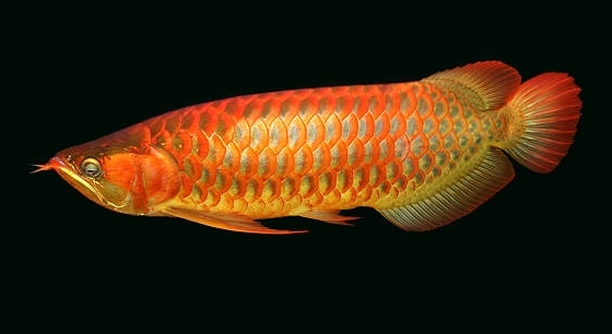
Are your arowanas showing signs of stress or unusual behavior lately? Keeping these elegant fish healthy requires attention to their environment, diet, and general care routines. Many common issues can quietly develop over time without notice.
Arowanas are prone to several health problems, including bacterial infections, parasitic infestations, poor water quality effects, swim bladder disorders, nutritional deficiencies, injuries from tank decor, and stress-related illnesses. Preventive measures include proper tank maintenance, balanced diet, and regular observation.
Recognizing potential threats early can protect your fish and make your care routine more effective. Proper awareness and small adjustments often prevent serious complications.
Bacterial Infections
Bacterial infections are one of the most frequent health issues in arowanas. They can appear as redness, sores, or fin rot and usually develop when water quality is poor or the fish’s immune system is weakened. Stress from overcrowding or sudden temperature changes also increases vulnerability. Early signs may be subtle, like reduced appetite or slight lethargy, which can easily be overlooked. Regular observation of your fish’s behavior and appearance is essential for detecting problems before they worsen. Cleaning the tank, performing partial water changes, and maintaining proper filtration can prevent many bacterial outbreaks. Using a quarantine tank for new fish or those showing signs of illness helps stop the spread of infection. Providing a balanced diet and avoiding overfeeding strengthens your arowana’s immune system. If infection occurs, targeted antibiotic treatment prescribed by a vet familiar with fish is often necessary to ensure full recovery.
Maintaining consistent water quality and proper nutrition greatly reduces bacterial infection risks.
Prompt attention to early symptoms can prevent serious illness and keep your arowana active, healthy, and vibrant. Observing feeding habits, swimming patterns, and fin condition regularly allows you to catch issues before they escalate. Arowanas thrive best when their environment is stable and their immune system strong. Prevention is far easier than treatment.
Parasites
External and internal parasites can affect arowanas, causing irritation, weight loss, or cloudy eyes.
Parasites often enter through new fish, contaminated water, or live food. External parasites like lice attach to scales, while internal parasites disturb digestion and nutrient absorption. Regular observation, water maintenance, and careful selection of food reduce risks. Quarantining new additions helps prevent outbreaks. Treating infections requires proper medication, often under a vet’s guidance, and adjusting tank conditions to support recovery. Consistent care can minimize reoccurrence.
Internal parasites can be especially harmful because they may go unnoticed until weight loss or poor growth appears. A balanced diet supports natural resistance, while avoiding overfeeding prevents intestinal stress. Observation of droppings and swimming behavior can help detect early signs of worms or protozoa. Medications such as anti-parasitic treatments must be used according to instructions, as improper use can harm the fish. Regular tank cleaning, including substrate vacuuming and filter maintenance, reduces parasite eggs and larvae. Avoid introducing wild-caught or untreated live foods, as they can carry parasites. Quarantine periods of at least two weeks for any new fish allow early detection and treatment before introducing them to the main tank. Combining preventive care with timely intervention ensures the long-term health of your arowanas.
Poor Water Quality
Poor water quality is a leading cause of health problems in arowanas. High ammonia, nitrite, or nitrate levels can stress fish and trigger illness. Regular testing and water changes are essential.
Dirty tanks, overfeeding, or inadequate filtration can quickly harm arowanas. Maintaining stable temperature and pH is equally important. Removing uneaten food and debris prevents toxin buildup. Using a reliable filtration system and performing partial water changes at least weekly helps keep water parameters safe. Observing fish behavior for signs like gasping at the surface or clamped fins allows early detection of problems. Consistent care of the tank environment minimizes stress and strengthens immunity, reducing the risk of infections.
Water temperature fluctuations or sudden chemical changes often worsen problems. Even minor lapses in maintenance can lead to cloudy water, algae growth, and stress-related illness. Preventing these issues requires attention to daily feeding habits, checking equipment like heaters and filters, and testing water regularly. Keeping the tank stable and clean supports the fish’s overall health, behavior, and growth, while reducing vulnerability to secondary infections.
Swim Bladder Disorders
Swim bladder problems affect arowanas’ balance and swimming ability. Overfeeding or poor diet is a common trigger.
Swim bladder disorders make it difficult for fish to maintain proper buoyancy. Fish may float awkwardly, sink, or tilt while swimming. Feeding smaller portions of high-quality food and avoiding sudden dietary changes can prevent these issues. Observing swimming patterns helps detect early signs.
Treating swim bladder issues often involves adjusting feeding practices and water temperature. Providing easily digestible foods, like softened pellets or live foods in moderation, reduces strain on the digestive system, which supports proper swim bladder function. Tank environment also plays a role—avoid sudden water pressure changes and maintain stable conditions. In some cases, isolated treatment or temporary fasting helps the fish recover. Close observation and careful adjustments usually restore normal swimming behavior. A proactive approach minimizes recurring problems and ensures the arowana remains active, healthy, and balanced in its tank.
Nutritional Deficiencies
Nutritional deficiencies can weaken arowanas and make them more prone to illness. Lack of variety in diet often causes growth issues, color fading, and poor immune response.
Feeding a mix of pellets, frozen, and live foods helps ensure all essential nutrients are provided. Supplements can be added if needed.
Injuries from Tank Decor
Sharp or rough tank decorations can injure arowanas. Cuts or scratches may become infected if untreated.
Carefully selecting smooth, safe decorations and arranging the tank to allow free swimming reduces the risk of injuries. Observation for wounds allows early treatment and prevents further complications.
Stress-Related Illnesses
Stress in arowanas is caused by overcrowding, aggressive tank mates, sudden changes in water conditions, or frequent handling. Stress weakens their immune system, making them more vulnerable to infections, swim bladder problems, and slower growth. Providing a spacious, stable, and calm environment is crucial for reducing stress.
Overfeeding
Overfeeding leads to digestive issues and poor water quality. Feeding controlled portions at regular intervals prevents obesity and tank pollution.
FAQ
What are the first signs of health problems in arowanas?
Early signs usually include changes in appetite, unusual swimming patterns, or faded color. Clamped fins, slow movements, or staying near the surface may indicate stress or illness. Observing daily behavior helps detect problems before they become severe.
How often should I test my tank water?
Water should be tested at least once a week for ammonia, nitrite, nitrate, and pH levels. Any sudden changes in readings require immediate partial water changes. Maintaining consistent parameters prevents stress and reduces the risk of bacterial or parasitic infections.
Can diet prevent most health issues?
Yes, a balanced diet supports the immune system and reduces the risk of swim bladder disorders and nutritional deficiencies. Rotating between high-quality pellets, frozen foods, and occasional live foods ensures proper nutrients. Avoid overfeeding to prevent digestive problems and water contamination.
How can I prevent bacterial infections?
Clean tanks regularly and remove uneaten food to prevent bacterial growth. Quarantining new fish before adding them to the main tank reduces infection risk. Maintaining stable water conditions and proper filtration keeps bacteria under control. In case of infection, seek vet-recommended antibiotics.
What should I do if my arowana shows swim bladder issues?
Adjust feeding practices, reduce portion size, and provide easily digestible foods. Monitor water temperature and stability. Temporary fasting may help the fish recover. If problems persist, consult a vet, as chronic issues can affect mobility and overall health.
Are parasites common in arowanas, and how can I prevent them?
Parasites are relatively common, especially if water quality is poor or new fish are introduced without quarantine. Avoid wild-caught or untreated live food. Regular observation, water changes, and proper hygiene reduce the risk of both internal and external parasites. Early treatment prevents long-term damage.
How do I reduce stress for my arowana?
Provide a spacious tank with minimal aggressive tank mates. Maintain stable water conditions and avoid frequent handling. Proper diet, regular maintenance, and hiding spots help the fish feel secure and reduce stress-related illnesses.
Can injuries from decorations heal on their own?
Minor scratches may heal if the water is clean and stress is low. However, deep cuts can become infected and need attention. Smooth, safe tank decor and careful placement prevent injuries. Quarantine and treatment may be required for serious wounds.
How do I know if my arowana is overfed?
Signs include leftover food in the tank, bloating, or sluggish behavior. Overfeeding can also degrade water quality, leading to secondary health problems. Feed small portions at consistent intervals to maintain healthy digestion and avoid stress.
How often should I perform water changes?
Partial water changes should be done weekly, typically 20–30% of the tank. More frequent changes may be needed if the tank is heavily stocked or water parameters fluctuate. Regular maintenance prevents toxin buildup, bacterial growth, and stress-related health issues.
Can supplements improve arowana health?
Supplements can provide extra vitamins and minerals, especially if diet is limited. They support growth, immune function, and coloration. Use them sparingly and according to recommendations, as over-supplementation can cause digestive problems or water contamination.
Is it normal for arowanas to stop eating sometimes?
Occasional reduced appetite may occur during water changes, temperature shifts, or minor stress. Prolonged loss of appetite is a concern and can indicate illness or internal parasites. Observing behavior, checking water quality, and adjusting diet can help restore normal feeding.
How long should new fish be quarantined?
A quarantine period of at least two weeks allows observation for disease or parasites before introducing the fish to the main tank. This prevents the spread of infection and protects established fish. Regular monitoring and careful handling during this period are essential.
What is the best way to maintain stable water conditions?
Consistent filtration, regular testing, and routine partial water changes are key. Avoid sudden temperature or chemical changes. Using reliable heaters, aeration, and water conditioners ensures a stable environment that supports overall health.
How can I tell if my arowana is stressed?
Signs include hiding, rapid gill movement, erratic swimming, or loss of appetite. Stress can lead to weakened immunity, susceptibility to infections, and slower growth. Adjusting tank conditions, reducing disturbances, and ensuring proper diet help minimize stress.
What preventive measures are most effective for long-term health?
Maintaining clean water, a balanced diet, stable environment, and careful observation are the most effective strategies. Quarantine new fish, monitor behavior daily, and address minor issues immediately to prevent serious illness. Consistency in care is the key to arowanas’ longevity and well-being.
This FAQ section addresses common concerns and practical strategies, providing clear steps to prevent and manage health issues in arowanas, helping them stay strong, active, and vibrant over time.
Arowanas are beautiful and majestic fish that bring life and energy to any aquarium. Their care may seem intimidating at first, especially with the variety of health issues they can face. However, understanding common problems and knowing how to prevent them makes a big difference in keeping these fish healthy. Paying attention to water quality, diet, and tank conditions is the foundation of good care. Regular observation of behavior, appearance, and swimming patterns allows early detection of any problems. Many issues, such as bacterial infections or nutritional deficiencies, can be prevented entirely with simple, consistent care routines. Even small adjustments, like improving filtration or offering a more varied diet, have a noticeable impact on your arowana’s health.
Maintaining a stable environment is equally important. Arowanas are sensitive to sudden changes in temperature, water chemistry, and tank conditions. Stress caused by instability can weaken their immune systems and make them more vulnerable to diseases and parasites. Avoiding overcrowding, selecting compatible tank mates, and ensuring enough space for swimming all contribute to reduced stress levels. Tank decorations should be smooth and placed in a way that prevents injuries. Proper maintenance includes weekly partial water changes, monitoring ammonia, nitrite, and nitrate levels, and cleaning uneaten food or debris. Simple daily observations and preventive actions often prevent the need for medication or complicated treatments, allowing your arowana to thrive naturally in its habitat.
Consistent care, attention, and patience are the keys to long-term health for your arowanas. Problems like swim bladder disorders, overfeeding effects, or parasite infestations can often be managed or prevented entirely with careful monitoring and adjustments. Using quarantine tanks for new fish, providing high-quality and varied food, and keeping water conditions stable all support strong immune systems and proper growth. While occasional issues may arise, being proactive reduces risks and helps your fish live a full, healthy life. Understanding your arowana’s needs and habits makes caring for them less stressful and more rewarding. Over time, the effort spent maintaining a clean, balanced environment pays off with an active, vibrant, and healthy fish that is a true centerpiece of your aquarium.

Hello,
If you enjoy the content that we create, please consider saying a "Thank You!" by leaving a tip.
Every little bit helps us continue crafting quality advice that supports the health, happiness, and well-being of pets around the world, for pets of all shapes, sizes, and species.
We really appreciate the kindness and support that you show us!