
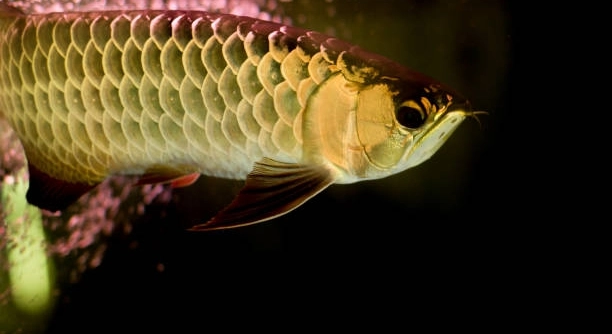
Fin curl in Arowana is a common issue that can concern many fish owners. Observing your fish with twisted or uneven fins can be alarming, but understanding the causes can help maintain their health and appearance.
Fin curl in Arowana primarily occurs due to poor water quality, nutritional deficiencies, physical injury, genetic factors, stress, infections, or improper tank conditions. Each of these factors can independently or collectively influence the development of curled fins in these fish.
Recognizing the signs early allows for timely intervention and helps ensure your Arowana remains healthy and visually vibrant in its aquatic environment.
Poor Water Quality
Maintaining clean water is essential for Arowana health. Dirty water can cause stress and weaken the fish, leading to fin curl. High levels of ammonia, nitrites, or nitrates irritate fins and damage tissue. Even slight changes in pH or temperature can disrupt their natural balance. Regular water changes, proper filtration, and monitoring water parameters help prevent these issues. Overcrowding the tank can also worsen water quality, making it harder to manage waste. It’s important to keep the tank environment stable, as sudden shifts can shock the fish. Adding beneficial bacteria supports the ecosystem, helping break down waste naturally. Consistent testing ensures you catch problems before they affect your Arowana. Clean, well-maintained water allows fins to stay healthy, smooth, and straight. Paying attention to every detail in tank care minimizes stress and encourages proper growth. Healthy water is the foundation for preventing many fin-related problems and supporting your fish’s overall well-being.
Maintaining clean water with stable parameters significantly reduces the risk of fin curl in Arowana and promotes overall health.
Routine water checks, proper filtration, and regular partial water changes keep your Arowana’s environment safe. Monitoring pH, ammonia, and nitrite levels ensures smooth fin development and minimizes stress. Consistency in care makes a big difference.
Nutritional Deficiencies
A balanced diet is crucial for preventing fin curl in Arowana. Lack of essential vitamins, minerals, or proteins can weaken fin tissue and slow growth. Feeding only one type of food or relying on low-quality pellets can create gaps in nutrition. Incorporating live, frozen, or high-quality pellet food helps provide a full spectrum of nutrients. Essential fatty acids support strong, flexible fins, while vitamins like A and C improve immune response and tissue repair. Rotating food sources ensures variety and prevents deficiencies. Overfeeding can also cause health problems, so portion control is important. Observing your Arowana’s eating habits allows you to adjust diet as needed. A consistent, nutrient-rich feeding plan strengthens fins, enhances color, and supports overall vitality.
Proper nutrition directly impacts fin health and reduces the likelihood of curl developing in Arowana.
Feeding a varied diet that includes live, frozen, and high-quality pellet food provides essential vitamins and minerals. Adequate nutrients support tissue growth, strengthen fins, and maintain vibrant colors. Monitoring portion size and diet variety ensures ongoing health.
Physical Injury
Fin curl can result from physical damage caused by sharp decorations, rough handling, or aggressive tank mates. Torn or frayed fins are prone to curling as they heal, and repeated injuries can worsen the condition. Careful observation and safe tank setups help prevent further damage.
When Arowanas swim in crowded tanks or encounter jagged ornaments, their fins can tear easily. These injuries disrupt normal growth and can cause curling during recovery. Isolating injured fish and removing hazards from the tank allows fins to heal properly. Regularly inspecting fins for signs of damage helps catch problems early, reducing long-term deformities. Gentle handling during maintenance or transfers also minimizes stress and prevents accidental injury. Consistent monitoring ensures that the tank environment remains safe for the fish to thrive.
Preventing physical injury requires careful tank design, removing sharp objects, and managing interactions with other fish. Providing ample space and soft decorations reduces the risk of fin damage.
Stress
Stress in Arowana is a significant factor in fin curl, often caused by poor water conditions, frequent disturbances, or incompatible tank mates. Constant stress weakens their immune system, making fins more susceptible to curling and disease.
Stress triggers hormonal changes that slow growth and affect fin regeneration. When Arowanas are constantly exposed to aggressive fish, loud vibrations, or unstable water conditions, their bodies react by conserving energy, limiting tissue repair. Chronic stress can exacerbate existing fin curl and make recovery slower. Minimizing disturbances, providing hiding spaces, and maintaining stable water parameters are key to reducing stress. Observing behavior helps identify stress triggers, allowing adjustments to improve their environment.
Addressing stress promptly improves overall health and prevents further fin deformities. Regular monitoring, stable water conditions, and careful tank management create a calmer environment, supporting natural growth and fin recovery.
Genetic Factors
Some Arowanas are genetically predisposed to fin curl. Even with optimal care, certain strains may naturally develop slight curling over time. Understanding your fish’s lineage helps set realistic expectations and informs proper care strategies to manage this condition.
Selective breeding can sometimes amplify fin deformities. Fish with a family history of fin curl may show signs early, even in ideal tank conditions. Awareness of genetics allows for preventive measures and informed decisions when acquiring new Arowanas.
Infections
Bacterial or fungal infections can cause fins to deteriorate and curl. Open wounds or weakened fins are particularly vulnerable. Prompt treatment with appropriate medications prevents further damage and supports fin regrowth.
Improper Tank Conditions
Overcrowding, insufficient filtration, and inadequate tank size contribute to fin curl. Stressful or unstable environments prevent proper fin growth and increase susceptibility to disease. Maintaining clean, spacious, and well-filtered tanks promotes healthy fin development and overall fish well-being.
What is fin curl in Arowana?
Fin curl refers to the curling, twisting, or fraying of an Arowana’s fins, typically at the edges. It is a visible deformity that can affect one or multiple fins. While not always immediately dangerous, it often signals underlying problems such as poor water quality, nutritional deficiencies, stress, infections, or physical injury. Fins may appear uneven, bent, or slightly folded, giving the fish a less smooth appearance. Recognizing fin curl early allows for timely action, which can prevent worsening of the condition and promote proper fin recovery over time.
Can fin curl be reversed?
Yes, in many cases, fin curl can be improved or reversed if addressed early. Recovery depends on the underlying cause and the extent of the damage. Correcting water parameters, improving diet, reducing stress, and treating infections can allow fins to regenerate and return to their normal shape. Damaged fin tissue grows slowly, so consistent care over several weeks is necessary. Isolating the fish during recovery can help prevent further injury and stress. While genetics may limit full correction in some Arowanas, most cases caused by environmental or nutritional factors show significant improvement with proper care.
How does water quality affect fin curl?
Poor water quality is a major contributor to fin curl. High levels of ammonia, nitrites, or nitrates irritate fins and weaken tissue. Sudden changes in pH, temperature, or hardness can stress the fish, slowing fin growth and causing deformities. Filtration, regular water changes, and careful monitoring of water parameters are essential. Overcrowded tanks exacerbate the problem, increasing waste buildup. Clean, stable water supports fin health and prevents further curling, while neglecting water quality can worsen the condition and lead to additional health issues.
What role does diet play in fin health?
A balanced diet provides the nutrients necessary for strong, healthy fins. Lack of essential vitamins, proteins, and fatty acids can weaken fin tissue, making curling more likely. Feeding a combination of live, frozen, and high-quality pellet food ensures nutritional variety. Vitamins A, C, and essential fatty acids support tissue repair and immune function, while protein promotes fin growth. Overfeeding can cause digestive stress, so controlled portions are important. Monitoring your Arowana’s appetite and adjusting the diet accordingly can prevent nutritional deficiencies and improve fin recovery.
Can stress cause fin curl?
Stress is a significant factor in fin curl development. Environmental stressors such as aggressive tank mates, loud vibrations, and sudden water parameter changes trigger hormonal responses that limit tissue repair. Chronic stress weakens the immune system, slows fin growth, and increases susceptibility to infections. Reducing stress involves providing hiding spaces, maintaining stable water conditions, and minimizing disturbances. Observing behavior for signs of anxiety, like rapid swimming or hiding, helps identify stress triggers. Addressing these factors promptly improves fin health and supports recovery.
Are infections responsible for fin curl?
Yes, bacterial and fungal infections can lead to fin deterioration and curling. Open wounds, weakened tissue, or poor water conditions increase vulnerability. Infected fins may appear discolored, frayed, or develop small lesions. Prompt treatment with appropriate antibacterial or antifungal medication is crucial to prevent worsening. Isolating the affected fish during treatment minimizes stress and further damage. Maintaining clean water and a stress-free environment reduces infection risk. Early intervention allows fins to regenerate properly and restores overall fin health.
How can physical injury contribute to fin curl?
Physical damage from sharp decorations, rough handling, or aggressive tank mates can cause fins to tear. Torn fins often curl as they heal, and repeated injuries can worsen the condition. Removing hazards, ensuring enough swimming space, and carefully managing tank mates helps prevent injuries. Gentle handling during water changes or transfers also minimizes accidental damage. Monitoring fins regularly for signs of injury allows for early intervention, reducing long-term deformities. Providing a safe environment ensures fins can grow back healthy and maintain their proper shape.
Can genetics affect fin curl?
Some Arowanas are genetically predisposed to fin curl. Even with excellent care, certain strains may naturally develop slight curling. Awareness of a fish’s lineage helps set expectations and informs management strategies. While environmental factors often play a larger role, genetics can limit the extent to which fin deformities can be corrected. Selecting fish from healthy lineages reduces the likelihood of inherited fin issues. Genetics should be considered alongside diet, water quality, and stress management to provide the best care and minimize the risk of fin curl.
How long does it take for fins to recover?
Fin recovery varies depending on the cause and severity of damage. Environmental and nutritional improvements can show results in several weeks, while severe injuries or infections may take months. Consistent care, including proper diet, clean water, stress reduction, and treatment of infections, accelerates recovery. Patience is key, as fins grow slowly and require a stable, supportive environment. Monitoring progress and avoiding further stress or injury ensures that the fins develop correctly and gradually return to their natural shape, improving both appearance and overall health.
What preventative measures can be taken?
Preventing fin curl requires consistent attention to water quality, diet, tank setup, and stress management. Regular water changes, quality filtration, and careful monitoring of parameters reduce environmental stress. Feeding a balanced diet rich in essential nutrients supports tissue growth and immune function. Avoiding overcrowding, sharp decorations, and aggressive tank mates prevents injury. Observing behavior and fin condition allows early detection of problems. Prompt intervention when issues arise ensures fins remain healthy and reduces the likelihood of curl. Consistent, attentive care maintains both fin integrity and overall Arowana vitality.
Word count: 503
Final Thoughts
Fin curl in Arowana is a condition that can arise from several different factors, including water quality, diet, stress, infections, physical injuries, and genetics. Each factor alone or in combination can influence the health and appearance of your fish’s fins. Recognizing the signs early is essential to preventing long-term damage. Twisted, frayed, or uneven fins are more than just a cosmetic concern; they often indicate underlying issues that need attention. Addressing these issues promptly helps the fins recover and allows the fish to maintain better overall health. While some causes, like genetics, cannot be fully controlled, most cases of fin curl are manageable with proper care and consistent monitoring. Regular observation of your Arowana’s behavior, environment, and feeding habits is key to spotting early warning signs before the condition worsens.
Maintaining optimal water quality is one of the most effective ways to prevent and manage fin curl. Arowanas are sensitive to changes in ammonia, nitrite, nitrate, and pH levels, and even small fluctuations can stress the fish and affect fin development. Using a reliable filtration system, performing regular water changes, and testing water parameters consistently provides a stable environment for growth. Diet also plays a crucial role in fin health. Feeding a balanced and varied diet that includes live, frozen, and high-quality pellet food supplies essential vitamins, proteins, and fatty acids. These nutrients support tissue repair, strengthen fins, and promote natural regeneration. In addition, reducing stress by providing enough space, hiding spots, and calm conditions improves the fish’s overall well-being, making fins less prone to curling or damage.
Infections and injuries are additional factors that should not be overlooked. Bacterial and fungal infections can deteriorate fin tissue quickly if untreated, while physical injuries from decorations or aggressive tank mates can trigger curling as fins heal. Prompt treatment and careful management of the tank environment are critical in these cases. Isolating affected fish during treatment and removing hazards from the tank can prevent further complications. Over time, with consistent care, fins can grow back strong and healthy, restoring both function and appearance. Although fin curl can be concerning, it is often preventable and manageable. By combining clean water, proper nutrition, stress reduction, and careful observation, you can help your Arowana thrive and maintain its natural, healthy fins for years to come.
Word count: 406

Hello,
If you enjoy the content that we create, please consider saying a "Thank You!" by leaving a tip.
Every little bit helps us continue crafting quality advice that supports the health, happiness, and well-being of pets around the world, for pets of all shapes, sizes, and species.
We really appreciate the kindness and support that you show us!