
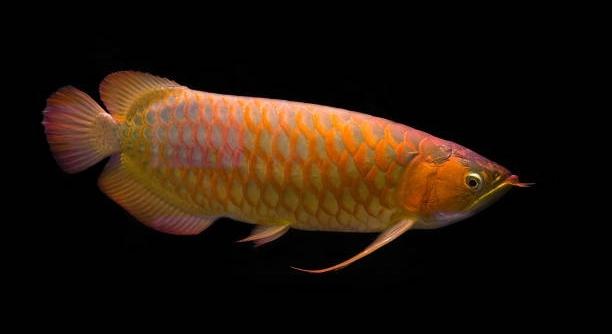
Is your arowana constantly swimming in circles, leaving you puzzled about its behavior? Observing your fish moving repeatedly along the tank can be unsettling and may indicate that something in its environment or health requires attention.
Arowanas swimming in circles is often caused by stress, poor water quality, illness, or insufficient space. Addressing these factors by monitoring water parameters, checking for signs of disease, and ensuring an appropriately sized tank can reduce circular swimming.
Understanding why your arowana behaves this way can help maintain its health and well-being, ensuring a calm and thriving aquatic environment for your fish.
Common Causes of Circular Swimming
Observing your arowana swimming in circles often points to environmental stress or health issues. Poor water quality is a frequent factor, as high ammonia or nitrite levels irritate fish and disrupt natural behavior. Inadequate tank size can also lead to repeated swimming, as the fish may feel confined and unable to move freely. Stress from sudden changes in light, temperature, or decorations can create anxiety, prompting constant motion. Additionally, illness or parasites may affect balance, causing the fish to swim unusually. Nutrition plays a role too; a diet lacking essential vitamins and minerals can weaken the arowana, making it more prone to repetitive behavior. Paying attention to these aspects ensures the fish remains healthy, calm, and active. Regular monitoring of water parameters, providing sufficient space, and maintaining a balanced diet are key steps to minimize circular swimming and promote overall well-being.
Circular swimming can also indicate boredom or lack of stimulation in the tank.
Monitoring your fish closely for physical signs of disease, such as fin damage, swelling, or unusual color changes, is important. Adjusting tank conditions and providing enrichment like floating plants or varied decorations can help reduce repetitive swimming. Simple changes in environment and care often restore normal behavior.
Water Quality and Tank Conditions
Poor water quality is a major factor in arowanas’ behavior. Ammonia, nitrite, or nitrate levels that exceed safe limits create stress, irritation, and abnormal swimming patterns. Frequent water testing and partial water changes maintain safe conditions. The tank’s size should also allow ample room for swimming and turning. Overcrowding or adding incompatible tankmates can increase stress, contributing to circular motion. Filters must be adequate for the tank’s volume to keep the water clean and oxygenated. Temperature consistency is equally important, as sudden fluctuations can unsettle your arowana, leading to erratic movement. Decorations and hiding spots provide mental stimulation and security. Without them, fish may swim repetitively out of stress or boredom. Observing your arowana daily helps identify subtle signs of stress early. Taking these steps ensures the tank remains a healthy and calm environment, reducing unwanted behaviors and supporting the fish’s physical and mental health.
Regular maintenance and careful observation are essential for keeping arowanas healthy and stress-free.
Health Issues and Illness
Physical ailments can make your arowana swim in circles. Swim bladder disorders, infections, or parasites often affect balance and coordination. Early detection is crucial, as untreated illness can worsen rapidly. Regular observation of eating habits, body shape, and activity helps identify problems before they become severe.
Swim bladder disease is common in arowanas and can result from poor diet, overfeeding, or bacterial infection. Affected fish may float awkwardly, struggle to maintain position, or swim in repetitive circles. Treatment often includes adjusting diet, fasting periods, and maintaining pristine water conditions. Veterinary consultation may be needed for persistent or severe cases to prevent long-term damage.
Other health concerns, such as internal parasites or fungal infections, can alter swimming patterns. Symptoms may include lethargy, discoloration, or abnormal growths on the body. Quarantining affected fish, using appropriate medication, and improving tank conditions can restore balance and normal swimming behavior. Consistent care and monitoring are essential to ensure recovery and prevent future outbreaks.
Stress and Environmental Factors
Stress affects arowanas more than many realize. Changes in water temperature, lighting, or sudden disturbances can trigger anxiety, causing repetitive swimming. Consistent environmental conditions are vital for reducing stress and supporting healthy behavior. Proper tank setup with hiding spots and stable routines improves well-being.
Noise, vibrations, and frequent handling can also disturb your fish, increasing agitation. Even minor changes in tank decorations or rearrangement can create insecurity, leading to continuous circling. Providing enrichment, such as driftwood, plants, or floating objects, allows exploration and reduces boredom. Monitoring water parameters, maintaining clean conditions, and avoiding overcrowding are equally important. A calm and stable environment helps the arowana feel secure, supporting normal swimming patterns and overall health.
Diet and Nutrition
Arowanas require a balanced diet to maintain health and energy. Lack of essential nutrients can cause weakness and unusual swimming patterns. Feeding a variety of protein sources and occasional supplements supports their physical condition and reduces repetitive behaviors caused by poor nutrition.
Overfeeding can also lead to swim bladder issues, causing the fish to circle continuously. Controlling portion sizes and establishing a consistent feeding schedule helps maintain proper digestion and overall health.
Tank Size and Space
Arowanas need ample space to swim freely. Small or overcrowded tanks restrict movement, causing frustration and repetitive swimming. Ensuring the tank is large enough for the fish’s full growth prevents stress-related behaviors and promotes natural activity.
Observation and Monitoring
Daily observation helps identify early signs of illness or stress. Noticing changes in swimming patterns, appetite, or appearance allows prompt adjustments to care routines and tank conditions. Consistent monitoring ensures the arowana remains healthy and calm.
Enrichment and Stimulation
Providing toys, plants, or floating objects encourages exploration and prevents boredom. A stimulating environment supports mental health and reduces circular swimming behaviors caused by inactivity or stress.
FAQ
Why is my arowana swimming in circles all the time?
Constant circular swimming is usually linked to stress, poor water quality, limited space, or health issues. Observing your fish’s behavior, tank conditions, and diet can help identify the main cause. Correcting water parameters, improving tank size, and addressing illness often reduce this repetitive behavior.
Can swim bladder problems cause circular swimming?
Yes. Swim bladder disorders are common in arowanas and affect balance. Fish may float awkwardly, struggle to stay upright, or swim continuously in circles. Causes include overfeeding, constipation, or bacterial infection. Adjusting diet, fasting, or seeking veterinary advice can help restore normal swimming.
How does water quality affect my arowana’s swimming?
Poor water quality creates stress and irritates fish. High levels of ammonia, nitrites, or nitrates can lead to unusual swimming patterns. Regular water testing, partial water changes, and proper filtration keep conditions safe and stable, reducing stress-related behavior.
Does tank size matter for arowanas?
Absolutely. Arowanas are large, active fish that need plenty of space. Small tanks restrict movement, causing frustration and repetitive swimming. Providing a tank that allows free movement and turning is essential for both physical and mental health.
Can stress from the environment cause circular swimming?
Yes. Sudden changes in lighting, temperature, tank decorations, or excessive noise can stress arowanas. Stress often manifests as repetitive behaviors like swimming in circles. Keeping the environment stable, providing hiding spots, and minimizing disturbances help reduce anxiety.
Could diet be a factor in circular swimming?
Poor nutrition can weaken your arowana and affect its behavior. Lack of protein, vitamins, or minerals may lead to abnormal swimming. Overfeeding can cause digestive issues and swim bladder problems. A balanced, consistent diet helps maintain energy, health, and normal movement.
How do I know if my arowana is sick?
Signs of illness include lethargy, loss of appetite, unusual swimming, discoloration, swelling, or damaged fins. Quarantining affected fish, observing symptoms closely, and consulting a veterinarian if necessary are important steps for recovery. Early detection improves outcomes.
Can adding decorations or plants help?
Yes. Enrichment such as driftwood, floating objects, or live plants provides mental stimulation and security. This reduces boredom and stress, which often contribute to circular swimming. Varying the tank layout occasionally can also encourage exploration.
Is circular swimming always a sign of illness?
Not always. Circular swimming can result from stress, lack of space, or environmental factors rather than illness. Observing behavior alongside other signs like appetite, color, and activity helps determine if medical attention is required.
What steps can I take to stop my arowana from swimming in circles?
Check water quality, ensure proper tank size, maintain a balanced diet, reduce stress, and provide enrichment. Regular observation, cleaning, and monitoring for illness support overall health. Combining these measures usually restores normal swimming patterns.
How often should I monitor my arowana?
Daily observation is recommended. Checking swimming behavior, appetite, physical appearance, and tank conditions helps detect problems early. Prompt intervention prevents long-term health issues and maintains a calm, healthy environment for your fish.
Can stress from tankmates cause circular swimming?
Yes. Aggressive or incompatible tankmates increase stress and lead to repetitive swimming. Ensuring compatible species, appropriate population density, and peaceful tankmates helps reduce anxiety and supports normal behavior.
Is there a difference between circular swimming due to illness and stress?
Yes. Illness often includes other physical signs like swelling, discoloration, or lethargy. Stress-related swimming usually appears without physical symptoms and is often linked to environmental changes, overcrowding, or lack of stimulation. Observation is key to differentiating the causes.
How long does it take for circular swimming behavior to improve?
Improvement depends on the cause. Adjusting tank conditions or diet can show results within days to weeks. Illness may take longer, depending on severity and treatment. Consistent care and monitoring are essential for recovery and long-term health.
Are there preventive measures to avoid circular swimming?
Maintaining clean water, a spacious tank, balanced diet, stable environment, and enrichment are the best preventive measures. Regular observation, early detection of stress or illness, and consistent care reduce the risk of repetitive swimming and promote overall well-being.
Final Thoughts
Arowanas are sensitive and intelligent fish that require careful attention to thrive. Observing unusual behavior, such as swimming in circles, often points to underlying issues that need to be addressed. Environmental factors, including water quality, tank size, and stable conditions, play a significant role in maintaining their health. High ammonia, nitrite, or nitrate levels can irritate fish, causing stress and repetitive swimming patterns. Ensuring clean water through regular testing, filtration, and partial water changes helps create a calm and balanced environment. Arowanas also need space to move freely. Small or overcrowded tanks can lead to frustration, prompting continuous circling. A tank that allows adequate swimming room and provides hiding spots or decorations reduces stress and encourages natural behaviors. Consistency in temperature, lighting, and tank layout also contributes to a stable and secure habitat.
Health concerns are another important factor to consider when circular swimming occurs. Swim bladder disorders, parasites, or infections can disrupt balance, resulting in repeated motion or awkward floating. Monitoring appetite, body condition, and overall behavior helps detect potential problems early. Diet plays a key role in preventing some health issues. A balanced and varied diet that includes sufficient protein, vitamins, and minerals supports growth, energy, and overall resilience. Overfeeding or an inconsistent diet can worsen swim bladder problems or digestive issues. In some cases, professional veterinary care may be necessary to address persistent or severe health conditions. Early intervention often leads to faster recovery and prevents complications. Maintaining preventive measures such as clean water, a balanced diet, and proper tank conditions can reduce the risk of future health problems.
Stress and mental stimulation are equally important for an arowana’s well-being. Environmental changes, sudden disturbances, excessive noise, or incompatible tankmates can create anxiety, often expressed as repetitive swimming. Providing enrichment, including plants, driftwood, or floating objects, helps the fish explore its surroundings and reduces boredom. Observing daily behavior, adjusting care routines, and ensuring a calm, stable environment contribute to overall mental and physical health. Regular monitoring allows owners to detect subtle signs of stress or illness before they worsen. By addressing environmental, dietary, and health factors together, circular swimming can often be reduced, and the arowana can regain normal behavior. Consistent care and attention create a safe, stimulating, and healthy environment where the fish can thrive and remain active without unnecessary stress.

Hello,
If you enjoy the content that we create, please consider saying a "Thank You!" by leaving a tip.
Every little bit helps us continue crafting quality advice that supports the health, happiness, and well-being of pets around the world, for pets of all shapes, sizes, and species.
We really appreciate the kindness and support that you show us!