
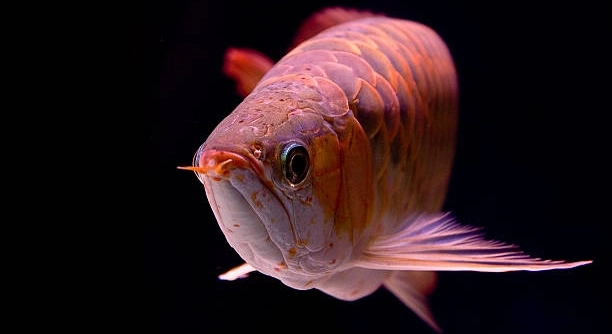
Keeping an Arowana in a small tank might seem convenient for space or budget reasons, but this choice can create several problems for the fish. Many owners underestimate how much room these majestic creatures actually need to thrive.
Arowanas require large, well-maintained tanks to support their growth, swimming behavior, and overall health. Small tanks can restrict movement, elevate stress levels, increase susceptibility to diseases, and negatively affect water quality, which can ultimately shorten the fish’s lifespan and well-being.
Understanding these dangers will help you provide a healthier environment. Proper tank size is essential to ensure your Arowana can grow and thrive safely.
Limited Swimming Space
Arowanas are large, active fish that need room to swim freely. In a small tank, their movement becomes restricted, which can lead to stress and poor muscle development. Over time, this restriction can cause stunted growth and abnormal body shapes. They may begin to swim in tight, repetitive patterns or collide with the tank walls, increasing the risk of injuries. A tank that feels spacious for other fish is often too small for an Arowana, especially as they grow rapidly. These fish are predators by nature and require enough space to hunt, explore, and exhibit natural behaviors. Without adequate room, their behavior can change, and they may become aggressive or lethargic. Providing a tank that allows full swimming space is critical for their physical and mental health. Observing an Arowana in a confined tank can show clear signs of discomfort, from fin clamping to reduced activity, which are early indicators of poor well-being.
Small tanks can prevent Arowanas from exercising and growing properly, creating long-term health problems.
Even with excellent water quality, a small tank cannot replace the benefits of proper swimming space. Limited movement can affect digestion, reduce appetite, and increase stress hormones. Stress also weakens the immune system, making them more vulnerable to infections. Aggression toward tankmates can increase, and behavioral issues may become permanent. Growth may slow drastically, leaving a fully grown fish undersized and unhealthy. Owners often underestimate how quickly these fish outgrow small tanks, and the consequences can be severe if not addressed early. Switching to a larger tank early on is the most effective way to ensure your Arowana remains healthy, active, and displays natural behaviors. Proper tank size is not a luxury but a necessity for the long-term welfare of these impressive fish, allowing them to thrive rather than merely survive.
Poor Water Quality
Small tanks are harder to maintain because water parameters change rapidly. High ammonia, nitrite, or nitrate levels can stress the fish and damage their organs.
Improper water quality can lead to disease, fin rot, and other serious health issues if not monitored closely.
Maintaining a small tank requires constant attention. Arowanas produce significant waste, and a small water volume cannot dilute toxins effectively. Frequent water changes become mandatory, and even minor lapses can cause spikes in harmful chemicals. Filtration systems often struggle to keep pace with waste in a small tank, further increasing the risk of contamination. Temperature fluctuations are also more pronounced in smaller volumes, which can stress the fish and weaken their immune system. Over time, the combination of chemical imbalances, temperature changes, and accumulated waste can result in chronic health problems or sudden illness. Even with careful maintenance, small tanks inherently carry higher risks because the environment is less stable. Larger tanks provide a buffer, stabilizing water parameters and giving your Arowana a safer, healthier habitat. This stability supports proper growth, reduces stress, and promotes a longer lifespan, making tank size an essential factor for maintaining water quality and fish health.
Increased Aggression
Arowanas kept in small tanks often become aggressive toward each other or tankmates. Limited space triggers territorial behavior, causing stress and frequent fights.
Aggression arises because Arowanas feel confined and unable to escape from perceived threats. In a cramped environment, their natural predatory instincts intensify, making them more likely to nip fins or chase other fish. Stress from lack of space worsens these behaviors, leading to injuries or constant tension. Even peaceful tankmates may become targets, resulting in damaged fins, scales, or even death. Small tanks remove the opportunity for natural avoidance, forcing interactions that would not occur in larger spaces. Over time, chronic aggression can compromise the fish’s health, leaving it more vulnerable to disease or stress-related conditions. Proper tank size allows Arowanas to establish territory without constant confrontation, reducing stress and promoting calmer behavior patterns.
Stress from aggression can also weaken immunity, making illness more likely and recovery slower.
Behavioral problems may persist if the tank remains too small, affecting feeding and social interactions. Arowanas may become defensive or overly cautious, limiting their natural swimming and hunting behaviors. Small tanks prevent the establishment of safe zones, leaving fish with little choice but to compete constantly. Even with separate hiding spots, the confined space keeps the fish in close quarters, increasing the frequency of aggressive encounters. Owners may notice unusual patterns, such as sudden lunging, chasing, or persistent fin clamping, all of which are signs of stress. Upgrading the tank size is essential to reduce aggression, allow normal social behavior, and maintain overall physical and mental health. Ensuring space not only minimizes fights but also supports growth and vitality, keeping the Arowana more balanced and resilient over time.
Stunted Growth
Small tanks limit how much an Arowana can grow, restricting physical development and overall size. The confined space reduces exercise and prevents full muscle formation.
Growth restrictions occur because water quality, swimming space, and stress levels directly impact the fish’s development. Limited space leads to slower metabolism and lower appetite, while cramped conditions increase stress hormones that inhibit growth. Even with excellent nutrition, an Arowana in a small tank cannot reach its potential size. Continuous confinement affects bone structure, fin development, and overall strength. Small tanks may force the fish into unnatural postures, further hindering proper physical development. Without adequate room to expand and swim freely, the Arowana’s size and health will remain compromised. Upgrading to a larger tank early ensures normal growth, stronger muscles, and better overall health.
Long-term confinement can permanently limit size, affecting both health and appearance. Even if the fish survives, it may never reach a healthy adult size. Arowanas are meant to grow large, and restricting them can lead to a disproportionate body, thin fins, and reduced vitality. The psychological effects of confinement also contribute, as stress slows growth hormones and suppresses appetite. Proper space encourages natural behavior, active swimming, and optimal feeding, all critical factors for healthy development. Providing a tank that accommodates their full growth potential ensures a stronger, more resilient fish and prevents the long-term consequences of stunted development.
Oxygen Depletion
Small tanks have limited surface area, which can reduce oxygen levels. Arowanas may struggle to breathe, especially during warm temperatures.
Insufficient oxygen can cause rapid gill movement, lethargy, and increased stress. Continuous low oxygen affects metabolism and overall health, making the fish more vulnerable to disease.
Overcrowding Stress
Keeping multiple Arowanas or other fish in a small tank increases stress levels. Limited space prevents them from escaping confrontations or establishing territory, which intensifies tension and may trigger aggression.
Increased Waste Concentration
Small tanks accumulate waste faster because water volume is limited. Ammonia, nitrites, and nitrates can reach dangerous levels quickly, even with regular maintenance, harming the fish.
Limited Enrichment
A cramped tank leaves little room for plants, decorations, or hiding spots. Arowanas have fewer opportunities to explore or engage in natural behaviors, which can lead to boredom and stress.
FAQ
What is the minimum tank size for an Arowana?
The minimum tank size depends on the type of Arowana, but generally, a 250-gallon tank or larger is recommended for adult fish. This size allows enough space for swimming, proper exercise, and normal growth. Smaller tanks can cause stress and physical deformities.
Can Arowanas survive in smaller tanks temporarily?
Yes, they can survive in smaller tanks for short periods, but it is not ideal. Temporary confinement may be used for quarantine or transport, but long-term living in a small tank will affect growth, health, and behavior. Constant monitoring is required.
How often should water be changed in small tanks?
Water changes in small tanks should be more frequent, ideally every two to three days. Small volumes accumulate waste quickly, raising ammonia and nitrate levels. Larger tanks allow longer intervals between water changes because toxins are diluted more effectively.
What are the signs of stress in Arowanas?
Signs include clamped fins, rapid gill movement, lethargy, loss of appetite, and aggressive or repetitive swimming patterns. Stress weakens the immune system, making fish more susceptible to disease. Observing behavior daily can help identify stress before it becomes severe.
Are certain Arowana species more tolerant of small tanks?
Some smaller species, like the juvenile Silver Arowana, may tolerate small tanks longer, but all Arowanas grow quickly. Long-term tolerance is limited, and even smaller species require larger tanks as they mature to avoid health and behavioral issues.
Can filtration systems compensate for a small tank?
Filtration helps maintain water quality, but it cannot replace proper space. Even with advanced filtration, small tanks remain stressful because they restrict swimming and increase the risk of aggression. Filtration alone does not prevent growth restrictions or oxygen depletion.
What are common diseases from keeping Arowanas in small tanks?
Common issues include fin rot, fungal infections, swim bladder problems, and stress-related illnesses. Poor water quality and cramped conditions weaken immunity and increase susceptibility. Prompt water changes, clean filters, and adequate space are critical to prevention.
How can I make a small tank safer temporarily?
Adding hiding spots, floating plants, or gentle water flow can reduce stress temporarily. However, these measures do not address growth restrictions or aggression. Transitioning to a larger tank remains essential for long-term health and proper development.
Can diet help mitigate the effects of a small tank?
A balanced diet supports health but cannot counteract space limitations. Proper nutrition helps maintain energy and immunity, yet restricted swimming and poor water quality still lead to stunted growth and stress. Diet alone cannot compensate for a cramped environment.
When should I upgrade to a larger tank?
Upgrade as soon as the Arowana begins outgrowing its current tank. Early transition prevents long-term health problems, reduces stress, and supports natural behaviors. Waiting too long can result in permanent stunted growth, aggression, or chronic illness.
Is it safe to keep other fish with Arowanas in small tanks?
No, small tanks limit space for all inhabitants, increasing aggression and stress. Arowanas are naturally predatory, and confined conditions can trigger attacks on smaller fish. Larger tanks provide safer cohabitation and reduce territorial conflicts.
How do temperature and oxygen levels interact in small tanks?
Higher temperatures reduce dissolved oxygen, which small tanks cannot compensate for effectively. Combined with limited space, this creates stress, rapid breathing, and vulnerability to disease. Maintaining proper temperature and aeration is crucial even temporarily.
What are the long-term consequences of keeping Arowanas in small tanks?
Long-term confinement leads to stunted growth, aggression, chronic stress, weakened immunity, and increased susceptibility to disease. Behavior may become abnormal, and physical deformities can appear. Even with good care, these effects often cannot be fully reversed.
Can tank decorations improve life in a small tank?
Decorations can provide hiding spots and reduce stress temporarily, but they do not solve space or water quality limitations. Arowanas still need sufficient room to swim, and too many decorations in a small tank can reduce available space further.
Are juvenile Arowanas easier to keep in small tanks?
Juveniles tolerate small tanks better than adults due to their size, but they grow quickly. Planning for a larger tank early avoids stress, aggression, and stunted growth. Temporary small tanks are only suitable for very short periods.
What is the best way to acclimate Arowanas to larger tanks?
Gradually introduce water from the new tank into the old one to reduce stress. Use gentle handling, avoid sudden changes in temperature or pH, and allow the fish to explore the larger space slowly. Proper acclimation supports adaptation and reduces shock.
How do I monitor water quality effectively?
Use test kits for ammonia, nitrites, nitrates, pH, and temperature. Regular checks ensure safe conditions and prevent stress or disease. In small tanks, frequent monitoring is essential because water parameters fluctuate rapidly.
Can small tanks affect lifespan?
Yes, long-term confinement can shorten an Arowana’s lifespan. Stress, poor water quality, stunted growth, and chronic illness all contribute to reduced longevity. Providing adequate space and stable conditions is essential for a long, healthy life.
Is it worth keeping Arowanas in small tanks at all?
Only as a temporary measure. Small tanks cannot support long-term growth, health, or natural behavior. Upgrading to a larger tank is the only effective way to maintain a healthy, thriving Arowana.
Final Thoughts
Keeping an Arowana in a small tank may seem convenient at first, but the consequences can be serious for the fish. These majestic creatures are large, active, and highly sensitive to their environment. A confined space restricts swimming, increases stress, and affects overall health. Even if the tank looks clean and well-maintained, the limited room prevents the fish from moving naturally and exploring its surroundings. Over time, this can lead to stunted growth, aggression, and chronic health problems. Proper tank size is not a luxury; it is essential for the fish’s physical and mental well-being. Observing an Arowana in a small tank often reveals subtle signs of discomfort, such as reduced activity, clamped fins, or constant pacing. These indicators show that the fish is struggling to cope with its environment, and changes are necessary to ensure long-term health.
Water quality is another critical factor influenced by tank size. Small tanks accumulate waste rapidly, causing spikes in ammonia, nitrites, and nitrates that can harm the fish. Even with frequent water changes and high-quality filtration, a small volume of water is less forgiving than a larger tank. Temperature fluctuations are also more pronounced in small tanks, which adds stress to the fish and can weaken its immune system. Stress, limited space, and poor water conditions often combine to increase vulnerability to disease and reduce the fish’s lifespan. In larger tanks, water quality is more stable, and the fish has room to swim, exercise, and display natural behaviors. Proper tank size reduces stress and helps maintain strong immunity, ensuring a longer, healthier life for the Arowana.
Planning ahead is essential when keeping Arowanas. These fish grow quickly and require space that accommodates their full adult size. Temporary confinement in a small tank is acceptable only for short periods, such as quarantine or transport, but it should never be considered a long-term solution. Investing in a large tank from the beginning prevents many of the problems associated with small enclosures, including stunted growth, aggression, and poor water quality. Providing adequate space, stable water conditions, and proper care ensures that the fish can thrive, not just survive. Arowanas are impressive, intelligent creatures, and giving them a suitable environment allows them to grow strong, swim freely, and display their natural beauty. Making these adjustments demonstrates a commitment to their health and well-being, supporting a life that is as vibrant and active as the fish deserves.

Hello,
If you enjoy the content that we create, please consider saying a "Thank You!" by leaving a tip.
Every little bit helps us continue crafting quality advice that supports the health, happiness, and well-being of pets around the world, for pets of all shapes, sizes, and species.
We really appreciate the kindness and support that you show us!