
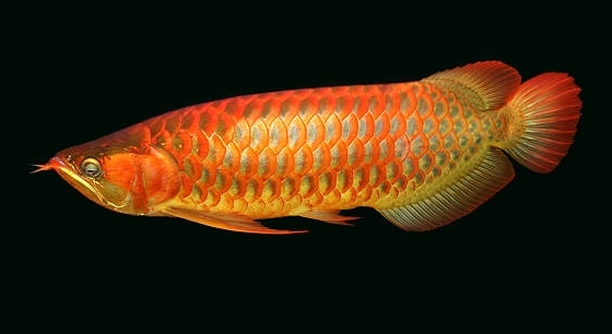
Arowanas are elegant, large freshwater fish admired for their shimmering scales and graceful swimming. Many fish owners spend hours observing their behaviors, noticing small patterns in feeding, movement, and interaction within the tank environment.
Arowanas can recognize daily routines through consistent cues such as feeding times and environmental changes. Repetition strengthens their memory, allowing them to anticipate specific events and respond predictably, demonstrating cognitive abilities beyond basic instinctual behaviors observed in other fish species.
Learning how arowanas adapt to routine helps owners provide better care and creates a more harmonious aquarium environment for these fascinating fish.
How Arowanas Learn Daily Patterns
Arowanas quickly become aware of consistent events in their environment. Over time, they notice when feeding occurs, when lights are switched on or off, and even when you approach the tank. This recognition is not random; it reflects their ability to associate specific cues with expected outcomes. For example, if you feed your arowana at the same time every day, it begins to anticipate the meal. They often swim near the surface or follow familiar paths as the feeding time approaches, showing their memory in action. Their alertness to routine extends to tank maintenance or changes in lighting. Small gestures, like a hand moving toward the water, may trigger anticipatory behavior. This level of awareness highlights that arowanas are more responsive to their environment than many people assume. Observing these patterns can deepen your understanding of their needs and help create a stable, predictable habitat for them.
Consistency in care improves the arowana’s health, stress levels, and responsiveness, making them more interactive and settled in their habitat.
Recognizing these behaviors allows owners to adjust routines for optimal fish welfare. By maintaining steady feeding times and predictable environmental changes, arowanas develop a sense of security. Over time, this predictability reduces stress, encourages natural swimming patterns, and even enhances their appetite. Observing these small but meaningful reactions strengthens the bond between caretaker and fish, demonstrating that their behavior is influenced by more than instinct alone.
Signs Your Arowana Has Noticed Your Routine
Arowanas display clear behaviors when routines are established. They might hover near the surface or swim in circles as the expected event approaches.
These signals indicate that the fish has learned to anticipate specific actions. They respond to cues like the sound of a container or movement near the tank, often showing increased alertness. Timing plays a key role; feeding consistently at the same hour trains the fish to recognize patterns. Over weeks, arowanas may even wait at certain spots, demonstrating memory and expectation. Subtle changes in behavior, such as increased swimming or orientation toward you, reveal their growing awareness. Understanding these cues allows for better interaction and care. Observing the fish during these times can provide insight into their cognitive abilities, helping you adjust your approach to feeding and maintenance. Establishing these routines creates a predictable environment, reducing stress and promoting a healthier, more active fish that thrives in its tank.
Feeding and Routine Recognition
Arowanas quickly connect feeding times with certain cues. They respond to specific sounds, movements, or the presence of food. Repetition strengthens this association, making them more alert and ready during expected feeding periods.
Over time, the fish show clear anticipation behaviors. They may swim toward the top of the tank, follow familiar paths, or hover near feeding spots. This is a sign they remember the timing and sequence of daily events. Regular feeding routines help reinforce memory, reduce stress, and encourage consistent eating habits, which supports growth and overall health.
Maintaining steady feeding patterns also improves the bond between caretaker and fish. The arowana begins to recognize your presence and actions, associating them with food and care. This connection creates predictability and comfort, which encourages natural behaviors, active swimming, and attentiveness. Observing these reactions demonstrates their cognitive ability and adaptability to repeated environmental patterns.
Environmental Cues and Predictability
Lighting and tank changes play a role in routine recognition. Arowanas notice when lights turn on or off and respond predictably to these environmental cues.
Predictable tank conditions help arowanas feel secure. Sudden or irregular changes can cause stress, reduce activity, and affect appetite. By keeping lighting, water temperature, and maintenance schedules consistent, arowanas adapt better and show clearer responses to daily events. Predictability encourages natural swimming patterns and allows the fish to anticipate feeding or interaction. Observing how they react to these cues highlights their ability to learn and remember sequences in their environment, demonstrating that their behavior is influenced by more than instinct.
Observation and Anticipation
Arowanas watch their surroundings closely. They notice movements, sounds, and changes in the tank. Over time, they anticipate regular events like feeding or maintenance based on these cues.
Their anticipation becomes evident through predictable behavior. They may swim to certain areas, hover near the surface, or follow familiar paths as routines approach.
Consistency in Daily Care
Regular schedules help arowanas adapt and respond. Predictable feeding times, light cycles, and tank maintenance reinforce their memory. By keeping these routines consistent, the fish experience less stress, increased activity, and improved appetite. Consistency in care strengthens their ability to recognize and react to daily events reliably.
Subtle Behavioral Cues
Small gestures reveal recognition. Arowanas may shift position, increase movement, or focus attention when anticipating routine events. Observing these cues provides insight into their memory and awareness.
FAQ
Can Arowanas really remember feeding times?
Yes, arowanas can remember feeding times when meals occur consistently. Repetition strengthens their memory, allowing them to anticipate food. They often show behaviors like swimming near the top, following familiar paths, or focusing attention on the feeding area as the usual time approaches.
How long does it take for an arowana to recognize a routine?
Typically, arowana start noticing consistent patterns within a few days to a couple of weeks. Regular feeding, lighting, and tank maintenance help them learn sequences quickly. Their memory improves as routines are repeated, making them more responsive and alert during expected events.
Do environmental cues influence their behavior?
Absolutely. Arowanas respond to light changes, hand movements, or sounds associated with daily care. Predictable cues reduce stress and create a sense of security. Inconsistent changes, on the other hand, may cause confusion, hiding, or reduced activity. Stable environments support memory and routine recognition.
Can arowanas sense when someone approaches the tank?
Yes, they notice movement and recognize patterns associated with human presence. Over time, they connect approaching hands or containers with feeding or tank cleaning, demonstrating anticipatory behavior. This recognition is part of their cognitive ability to respond to repeated cues in their surroundings.
Do arowanas react differently to irregular routines?
Irregular schedules can confuse arowanas. When feeding or environmental cues are inconsistent, they may show stress, reduced appetite, or restless swimming. Predictability is important for maintaining calm behavior and encouraging normal activity patterns. Regularity strengthens their ability to recognize and anticipate daily events.
Can routine recognition improve their health?
Yes, consistent routines positively affect appetite, stress levels, and overall well-being. Predictable feeding and environmental patterns encourage normal swimming and natural behaviors. Observing how arowanas respond to routines allows owners to adjust care and ensure optimal health and comfort in the tank.
Do arowanas communicate anticipation to other fish?
They may indirectly influence tank mates through behavior. Increased swimming near feeding areas or more active movement can signal upcoming feeding or environmental changes. While not deliberate communication, these behaviors reflect their recognition of routine and can affect the dynamics within a shared aquarium.
What are the signs an arowana has learned a new routine?
Key signs include swimming toward feeding areas, hovering near the surface at expected times, or showing alert behavior when cues are present. They may track movements associated with feeding or maintenance, demonstrating memory, anticipation, and adaptation to repeated sequences in their environment.
Does age affect routine recognition?
Younger arowanas may take slightly longer to notice patterns, but they can learn routines with consistent repetition. Older fish typically have better memory retention and show faster, more reliable responses to familiar cues, reflecting cognitive development and experience with repeated events.
How can I reinforce a new routine for my arowana?
Establish consistent feeding times, use the same location and tools for meals, and maintain predictable light cycles. Gentle repetition, along with observing their responses, strengthens memory and encourages anticipatory behavior. Avoid sudden changes to prevent stress and support healthy recognition of daily events.
Are there behaviors that indicate stress from disrupted routines?
Yes, signs include hiding, reduced movement, loss of appetite, and irregular swimming patterns. Arowanas rely on predictability, and sudden changes can trigger these responses. Returning to consistent routines typically restores normal behavior and reduces stress, highlighting the importance of stability in their environment.
Can routine recognition be used for training?
Yes, arowanas respond well to repeated cues, allowing for basic training like following your hand, approaching feeding areas, or recognizing specific signals. Training relies on consistency, patience, and observing their natural reactions to repeated environmental and human-associated cues.
How precise are arowanas in remembering routines?
They are fairly precise but not perfect. They recognize patterns and sequences but may vary slightly in response depending on mood, health, or distractions. Consistency in routine and minimal sudden changes improve their reliability in anticipating daily events and responding predictably in the tank.
Final Thoughts
Arowanas are fascinating fish with more awareness than many people realize. Their ability to recognize daily routines demonstrates that their behavior is influenced by memory and environmental cues, not just instinct. Regular feeding times, consistent lighting, and predictable tank maintenance all help arowanas feel secure and confident in their environment. When routines are established, these fish often show clear signs of anticipation, such as swimming toward feeding areas or hovering near the surface at expected times. Observing these behaviors allows owners to better understand their fish and make adjustments that support both comfort and health. The recognition of routine is an important aspect of their cognitive abilities, showing that these creatures are capable of learning patterns and responding to them consistently.
Maintaining a structured and stable environment is key to promoting healthy behavior in arowanas. Sudden changes or irregular schedules can cause stress, reduce appetite, and lead to restless swimming or hiding. By keeping feeding times consistent, using the same tools and locations for meals, and following predictable light and maintenance schedules, owners can reduce stress and encourage natural behaviors. The more predictable their environment, the more the fish will respond in a calm, attentive, and interactive manner. This approach not only supports mental and physical health but also strengthens the connection between caretaker and fish. Watching an arowana react to routines and cues can be both satisfying and informative, as it shows how much they adapt and learn over time.
Routine recognition also plays a role in overall tank harmony. When arowanas anticipate events and respond appropriately, their daily behavior becomes more predictable, making it easier to monitor their health and adjust care as needed. Predictable responses also help identify early signs of illness or stress, as changes in usual patterns become more noticeable. Establishing stable routines benefits both the fish and the caretaker, creating an environment where arowanas can thrive. Over time, this consistency encourages active swimming, regular feeding, and natural behaviors, reflecting their adaptation to repeated patterns. Observing these reactions highlights their cognitive abilities and emphasizes the importance of thoughtful, consistent care. By understanding how arowanas recognize routines, owners can provide an enriched, supportive environment that promotes long-term well-being and a more engaging experience for both the fish and the caretaker.

Hello,
If you enjoy the content that we create, please consider saying a "Thank You!" by leaving a tip.
Every little bit helps us continue crafting quality advice that supports the health, happiness, and well-being of pets around the world, for pets of all shapes, sizes, and species.
We really appreciate the kindness and support that you show us!