
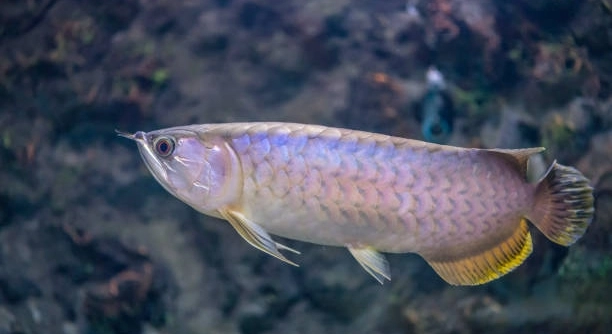
Arowanas are striking fish known for their elegance and intelligence. Their behavior can often reveal much about their health, mood, and environment. Observing these reactions closely helps maintain a balanced and thriving aquatic habitat for your fish.
Certain reactions in arowanas, such as rapid gill movement, erratic swimming, loss of appetite, or unusual color changes, may indicate stress, illness, or environmental issues. Recognizing these signs promptly ensures timely intervention and supports the fish’s long-term well-being.
Monitoring subtle cues and understanding their significance can enhance your ability to care for arowanas effectively and keep them healthy in their aquatic environment.
Rapid Gill Movement
Rapid gill movement in arowanas can be alarming at first glance. This behavior often indicates that the fish is struggling to get enough oxygen from the water. Poor water quality, low oxygen levels, or high temperatures can trigger this reaction. It is important to check the water parameters regularly, including temperature, pH, ammonia, nitrite, and nitrate levels. Cleaning the tank and performing partial water changes can help restore proper conditions. Additionally, ensure the filtration system is functioning efficiently. Overcrowding the tank may also stress arowanas and cause rapid gill movement, so it is essential to maintain adequate space for swimming. Some arowanas may show this behavior after sudden changes in lighting or tank rearrangements. Observing the fish closely and noting any other unusual signs can help determine the cause. Timely adjustments can prevent long-term health problems.
Rapid gill movement should never be ignored, as it often signals oxygen deprivation or environmental stress in the tank.
Keeping arowanas healthy requires consistency in water maintenance, careful feeding, and monitoring for stress signs. Noticing rapid gill movement early allows prompt intervention, which can save the fish from serious complications. Regularly inspecting water quality, ensuring adequate aeration, and maintaining proper tank size are essential steps. Avoid sudden environmental changes, and provide a stable habitat. Monitoring the fish’s behavior daily can reveal patterns that indicate stress or illness. Adjustments in diet, filtration, or temperature may be necessary to restore normal gill function. Over time, establishing a routine of observation and maintenance will help prevent repeated episodes. Arowanas rely heavily on clean, oxygen-rich water, and even small deviations can affect their health. Acting early reduces the risk of infections, weakened immunity, or lethargy. Consistency in care ensures the fish remain active and responsive, displaying natural behaviors. By understanding the signs and responding quickly, you protect your arowanas and create a stable, thriving environment for them.
Erratic Swimming
Erratic swimming is usually a response to stress or discomfort in arowanas. Observing the pattern helps identify whether the cause is environmental or health-related.
Erratic swimming often signals issues like poor water quality, parasites, or sudden temperature fluctuations in the tank.
This behavior can manifest as sudden bursts of speed, circling, or darting around the tank. Stressful conditions such as low oxygen, overcrowding, or inappropriate tank companions often trigger these movements. Parasite infestations or internal health problems may also cause unusual swimming patterns. Monitoring tank parameters like temperature, pH, and ammonia levels is crucial. Ensuring a balanced diet and avoiding overfeeding helps reduce stress. Sometimes, rearranging decorations or tank objects too quickly can startle the fish, leading to erratic swimming. Observing the fish’s daily habits allows identification of deviations from normal behavior, which can provide clues about underlying problems. Quick intervention, such as water adjustments or parasite treatment, can restore calm and normal movement. Maintaining a consistent, stable environment minimizes recurring episodes, keeping your arowana safe and active.
Loss of Appetite
Loss of appetite in arowanas often signals stress, illness, or water quality issues. Regular observation is key to spotting this early.
Arowanas may stop eating due to poor water conditions, sudden temperature changes, or an imbalanced diet. Illnesses such as infections or internal parasites can also reduce appetite. Monitoring their feeding habits helps identify problems before they worsen. Providing a consistent feeding schedule, ensuring fresh food, and removing uneaten portions can improve appetite. Observing behavior alongside appetite loss is important, as lethargy or hiding may indicate underlying health concerns that need prompt attention.
Temporary loss of appetite may occur during minor stress events, but prolonged refusal to eat requires immediate action. Checking water parameters, examining the fish for signs of disease, and adjusting diet are crucial steps. Avoid introducing new foods abruptly, as arowanas may reject them. Feeding small amounts more frequently can stimulate interest in eating. Providing hiding spots and minimizing disturbances reduces stress and encourages normal feeding behavior. Persistent appetite loss can weaken immunity, making fish more susceptible to illness. Acting quickly prevents long-term health decline.
Color Changes
Color changes in arowanas can reflect health, stress, or environmental conditions. Noticing sudden or gradual shifts is important.
Arowanas may fade in color due to poor water quality, inadequate lighting, or stress. Illnesses, including bacterial or parasitic infections, often cause dulling or unusual pigmentation. Consistent water maintenance, proper diet, and stable tank conditions support vibrant colors. Gradual changes might indicate aging or adaptation to new surroundings. Monitoring tank parameters, lighting duration, and nutrient intake helps maintain normal coloration. Avoid overcrowding and aggressive tankmates, which can also affect appearance. Some species naturally change color over time, but abrupt or uneven shifts often require attention.
Enhancing water quality, maintaining a balanced diet, and controlling stress factors can restore healthy coloration. Lighting adjustments that mimic natural cycles encourage natural pigments. Nutrient-rich foods containing carotenoids support vibrant hues. Regular observation of behavior alongside color changes provides clues about overall well-being. Tank stability, including consistent temperature and proper filtration, reduces stress-induced fading. Removing or treating disease sources quickly prevents further deterioration. Even minor environmental improvements can result in noticeable recovery of colors. Preventive care, such as routine water checks and proper nutrition, ensures the arowana’s colors remain bright, reflecting good health and vitality.
Lethargy
Lethargy in arowanas is often a sign of poor health, stress, or unfavorable water conditions. Noticing prolonged inactivity helps address potential problems early.
Extended inactivity may result from low oxygen, improper temperature, illness, or overfeeding. Regular monitoring and proper tank care can restore energy levels.
Fin Clamping
Fin clamping occurs when arowanas hold their fins close to their body. It typically indicates stress, poor water quality, or illness. Maintaining clean water and stable conditions can reduce this behavior.
Erratic Jumping
Erratic jumping can signal stress, poor water conditions, or irritation from tank mates. Monitoring environment and tank health helps minimize this risky behavior.
Aggressive Behavior
Aggression in arowanas may result from overcrowding, territorial instincts, or stress. Observing tank dynamics and ensuring sufficient space helps manage conflicts and maintain harmony.
What should I do if my arowana shows rapid gill movement?
Rapid gill movement usually indicates low oxygen or poor water quality. First, check water parameters, including ammonia, nitrite, nitrate, and pH levels. Perform a partial water change if needed and ensure the filter is working properly. Increasing aeration with an air stone or adjusting water flow can help oxygenate the tank. Avoid overcrowding, as too many fish reduce available oxygen. Observe your arowana closely for other signs of stress or illness. Correcting the environment quickly often resolves the problem, but if rapid gill movement continues, consulting a veterinarian experienced with fish may be necessary.
Why is my arowana swimming erratically?
Erratic swimming is often a response to stress, poor water quality, parasites, or sudden environmental changes. Check temperature, water chemistry, and tank layout. Ensure there are no aggressive tankmates causing fear or injury. Monitor your arowana for other signs like hiding, loss of appetite, or color changes. Sometimes, introducing new decorations or rearranging the tank can startle the fish. Treating potential parasites or infections promptly and maintaining a stable environment can restore normal swimming behavior. Daily observation helps identify triggers and prevent repeated episodes.
How can I handle my arowana’s loss of appetite?
Loss of appetite can result from stress, illness, or water issues. Check water quality, including temperature, pH, and chemical levels. Provide a consistent feeding schedule with fresh, high-quality food. Avoid overfeeding and remove uneaten portions promptly. Monitor for signs of disease, parasites, or injury. Sometimes arowanas temporarily refuse food during minor stress events, but prolonged refusal requires intervention. Small, frequent meals or switching to preferred foods can encourage eating. Maintaining a stable, calm environment reduces stress and supports normal feeding behavior.
What causes color changes in arowanas?
Color changes can reflect health, stress, water quality, or diet. Poor water conditions, illness, or parasites often cause dulling. Ensure water parameters are stable and provide adequate lighting. Nutrient-rich foods containing carotenoids support vibrant colors. Gradual color shifts may be natural as the fish ages or adapts to a new tank. Rapid or uneven changes should be addressed promptly, checking for infections or environmental stressors. Maintaining a consistent diet, clean water, and a calm environment helps preserve healthy coloration.
Why is my arowana lethargic?
Lethargy can indicate stress, illness, or suboptimal water conditions. Low oxygen, improper temperature, overfeeding, or infection may reduce activity. Observe your arowana for other symptoms like loss of appetite, clamped fins, or abnormal swimming. Improve water quality and maintain stable tank conditions. Sometimes, lethargy occurs after minor stress events, but persistent inactivity requires attention. Providing proper nutrition and a calm environment helps restore energy levels. Monitoring daily ensures you catch changes early and prevent health deterioration.
What should I do if my arowana clamps its fins?
Fin clamping often signals stress, poor water quality, or disease. Check water parameters, temperature, and tank conditions. Ensure the fish has enough space and is not being harassed by tankmates. Maintaining clean water and a stable environment reduces stress, and fin clamping usually improves with proper care. Persistent clamping may indicate illness requiring veterinary attention.
How can I manage aggressive behavior in arowanas?
Aggression is often territorial or caused by overcrowding. Ensure the tank is large enough and provide hiding spaces to reduce conflicts. Avoid placing aggressive fish together, and monitor interactions carefully. Stress from environmental factors can increase aggression, so stable water conditions and minimal disturbances are essential. Occasionally, rearranging decorations or tank layout can reduce territorial disputes.
What causes erratic jumping, and how can I prevent it?
Jumping can occur due to stress, poor water quality, or irritants like parasites. Ensure water parameters are ideal, maintain stable temperature, and provide a secure lid to prevent escape. Reducing disturbances and keeping compatible tankmates minimizes stress. Treating underlying health issues and providing a calm environment prevents repeated jumping episodes.
How often should I monitor my arowana’s behavior?
Daily observation is essential. Noticing subtle changes in swimming, feeding, or color helps detect problems early. Consistent monitoring allows quick adjustments to water quality, diet, or tank conditions, keeping the fish healthy and active. Tracking behavior over time provides insight into the fish’s overall well-being.
Can diet affect my arowana’s health and behavior?
Yes, nutrition directly impacts health, color, and activity. Provide a balanced diet with high-quality proteins, vitamins, and minerals. Avoid overfeeding, which can cause obesity and water quality issues. Nutrient-rich foods improve immune function, support vibrant colors, and reduce stress-related behaviors. Rotating food types prevents nutrient deficiencies and keeps the fish engaged.
What signs indicate a serious health problem in arowanas?
Serious issues may include persistent loss of appetite, rapid gill movement, severe lethargy, abnormal swimming, fin deterioration, or sudden color changes. Observing multiple symptoms together usually signals infection, parasites, or environmental hazards. Prompt intervention, water adjustments, or veterinary care is crucial to prevent worsening conditions.
How can I maintain a stable environment for my arowana?
Consistency is key. Keep water parameters stable, provide adequate filtration, monitor temperature, and maintain a proper feeding schedule. Avoid sudden changes in lighting, decorations, or tankmates. A calm and predictable environment reduces stress, encourages normal behavior, and supports long-term health. Regular maintenance ensures the tank remains safe and comfortable for the fish.
What should I do if my arowana shows multiple stress behaviors at once?
If you notice gill movement, clamped fins, lethargy, and erratic swimming together, immediately check water quality and tank conditions. Perform partial water changes, ensure proper aeration, and reduce disturbances. Isolate the fish if necessary. Consult a veterinarian if behaviors persist, as multiple stress signs often indicate serious health risks that require timely intervention.
Caring for arowanas requires careful observation, consistency, and attention to detail. These fish are highly sensitive to their environment, and even small changes in water quality, temperature, or tank setup can affect their behavior. Understanding common reactions such as rapid gill movement, erratic swimming, loss of appetite, color changes, lethargy, fin clamping, and aggression is essential for maintaining their health. Observing these behaviors closely allows you to respond quickly and prevent potential health problems from becoming severe. By taking note of patterns in behavior, you can identify environmental stressors or health issues before they cause long-term damage. Regular monitoring and consistent care create a stable habitat where your arowana can thrive and display its natural behaviors fully.
Maintaining clean water and stable tank conditions is the foundation of arowana care. Checking water parameters like pH, ammonia, nitrite, and nitrate levels ensures the fish remain in a safe environment. Temperature control is equally important, as arowanas are sensitive to fluctuations. Filtration, aeration, and regular partial water changes help sustain optimal conditions. Providing adequate space in the tank and minimizing overcrowding reduces stress and prevents aggressive encounters. Nutrition also plays a key role in health and behavior. Offering a balanced diet with high-quality proteins, vitamins, and minerals supports immune function, encourages natural coloration, and promotes regular activity. Avoiding overfeeding and removing uneaten food helps maintain water quality and prevents obesity. A stable and consistent environment, combined with proper nutrition, reduces stress-induced behaviors and allows the fish to flourish.
Behavioral changes are important signals that should not be ignored. While some reactions, such as temporary hiding or minor appetite shifts, may be normal, persistent or severe changes often indicate health or environmental problems. Responding quickly by adjusting water conditions, reviewing diet, or seeking professional advice can prevent long-term damage and improve overall well-being. Paying attention to subtle signs, maintaining a regular care routine, and observing interactions in the tank ensures that your arowana remains active, healthy, and vibrant. Careful attention and dedication not only support the fish’s physical health but also allow you to enjoy observing its natural behaviors. Understanding and responding to these reactions creates a safe, comfortable environment, helping your arowana live a long, healthy life.

Hello,
If you enjoy the content that we create, please consider saying a "Thank You!" by leaving a tip.
Every little bit helps us continue crafting quality advice that supports the health, happiness, and well-being of pets around the world, for pets of all shapes, sizes, and species.
We really appreciate the kindness and support that you show us!