
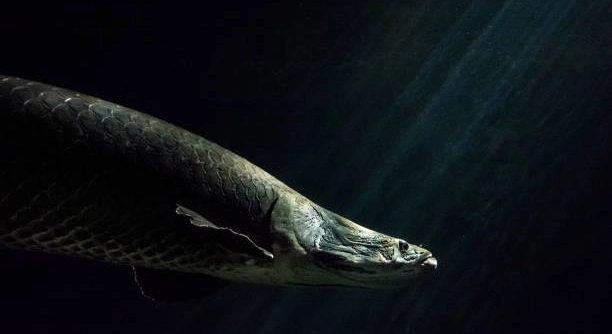
Arowanas are beautiful and unique fish that require careful attention to maintain their tank environment. Keeping their water clean and healthy is essential for their growth and overall wellbeing. Proper filtration is a key part of this process.
Adding a filter to an arowana tank involves selecting the right type of filter, positioning it correctly, and ensuring it operates efficiently. Regular maintenance and proper installation help maintain water clarity, remove debris, and support a stable aquatic ecosystem for your fish.
Proper filtration can prevent common water issues and make tank care easier over time. Following the correct steps ensures your arowana remains healthy and comfortable.
Choosing the Right Filter for Your Arowana Tank
Selecting the proper filter is essential for maintaining a healthy environment for your arowana. There are several types of filters available, including hang-on-back filters, canister filters, and sponge filters. Each type has its advantages depending on tank size, water volume, and the specific needs of your fish. Canister filters are often preferred for larger tanks because they provide strong mechanical, chemical, and biological filtration, ensuring the water stays clean and clear. Hang-on-back filters are easier to install and maintain, making them a practical choice for smaller tanks. Sponge filters are gentle and safe for fry or delicate fish but are less efficient for large arowanas. When choosing a filter, consider the water flow, noise level, and maintenance frequency. Proper filtration prevents the buildup of waste and toxins, reducing the risk of illness and promoting consistent water conditions. A well-selected filter supports your fish’s long-term health and growth in the tank.
Using a filter suited to your tank size ensures your arowana thrives. A properly matched filter keeps water clean, clear, and safe consistently.
Filters not only remove debris but also encourage beneficial bacteria growth. These bacteria help break down harmful substances like ammonia and nitrites, creating a balanced aquatic environment. Consistent maintenance, such as rinsing media and checking flow, keeps the system efficient. Additionally, positioning the filter outlet to avoid strong currents protects your arowana from stress. With the right setup, the tank remains stable, and your fish stay active and healthy. Choosing and maintaining the proper filter creates a foundation for a long-lasting, well-kept tank.
Installing the Filter Correctly
Correct installation is crucial to the filter’s effectiveness and your fish’s wellbeing.
Before setting up, read the manufacturer’s instructions thoroughly. Start by rinsing the filter media with dechlorinated water to remove dust and loose particles. Place the filter in a location where water circulation reaches all areas of the tank evenly. Ensure the intake does not suck in small fish or decorations, and the output flow is gentle but sufficient to move water across the tank. Power on the filter, check for leaks, and observe the flow rate. Adjust as necessary to avoid disturbing your arowana or creating strong currents. Regularly inspect tubing and components to ensure proper operation. Proper installation ensures maximum efficiency, reduces maintenance issues, and promotes a stable, healthy environment for your fish. Following these steps carefully allows your filter to perform optimally, keeping your arowana safe, active, and thriving in a consistently clean habitat.
Maintaining Your Arowana Filter
Regular maintenance is necessary to keep your filter functioning properly. Cleaning the media, checking hoses, and monitoring water flow prevents buildup that can harm your fish.
Consistent filter maintenance ensures that waste, leftover food, and toxins do not accumulate in the tank. Rinsing filter media with dechlorinated water preserves beneficial bacteria while removing debris. Inspecting hoses and connections prevents leaks and maintains proper water circulation. Neglecting these tasks can lead to poor water quality, stressing your arowana and increasing susceptibility to disease. Setting a maintenance schedule, such as weekly checks and monthly deep cleaning, keeps your tank stable and healthy. Proper upkeep extends the life of your filter and keeps water conditions optimal.
Replacing filter components at the right time is equally important. Worn-out media or damaged parts reduce filtration efficiency and may cause sudden changes in water quality. Observing changes in flow, unusual noises, or cloudy water can indicate it’s time for maintenance. Using compatible replacement media ensures consistent water filtration. Over time, biofilm and mineral buildup can affect performance, so periodic inspection is essential. Taking these steps guarantees your filter continues to provide a safe, clean environment, helping your arowana remain active, healthy, and stress-free.
Monitoring Water Quality
Regular water tests help detect changes in pH, ammonia, nitrite, and nitrate levels, ensuring a stable environment for your arowana.
Testing water weekly allows early detection of potential issues before they affect your fish. Use reliable test kits to measure key parameters, such as ammonia, nitrites, nitrates, and pH levels. Keeping a log of these measurements helps track trends and identify problems. Sudden spikes in toxins or changes in pH can stress your fish or cause illness. Maintaining consistent water parameters supports the biological filtration in your tank and promotes a healthy, balanced ecosystem where your arowana can thrive comfortably.
Monitoring water clarity and temperature is also critical. Cloudy water can signal filter inefficiency or excess waste accumulation. Temperature fluctuations can stress fish and affect feeding and activity levels. Use a thermometer to check water daily and adjust heaters or chillers as needed. Keeping the tank environment consistent reduces stress and encourages normal behavior. Observing your fish’s activity, appetite, and color alongside water testing provides a complete picture of tank health. By combining regular tests with visual monitoring, you can maintain a safe and stable habitat that supports your arowana’s long-term growth and wellbeing.
Adjusting Water Flow
Water flow should be strong enough to circulate the tank but gentle enough not to stress your arowana. Proper adjustment ensures even distribution of oxygen and nutrients.
Check the current regularly and adjust the filter outlet or flow controls. Strong currents can tire your fish, while weak flow may reduce filtration efficiency.
Choosing Filter Media
Select media that balances mechanical, chemical, and biological filtration. Mechanical media traps debris, chemical media removes impurities, and biological media supports beneficial bacteria. Using the right combination keeps water clean and stable, promoting a healthier environment for your arowana.
Preventing Filter Clogs
Debris, uneaten food, and plant matter can clog your filter if not monitored.
Regularly inspecting the intake and cleaning accumulated waste ensures consistent water flow and prevents sudden changes in water quality that could harm your fish.
FAQ
How often should I clean my arowana filter?
Cleaning frequency depends on the filter type and tank conditions. Typically, mechanical media should be rinsed every 2–4 weeks with dechlorinated water to remove debris without killing beneficial bacteria. Canister filters may need deeper cleaning every 1–2 months. Observing water clarity and flow helps determine when maintenance is necessary.
Can I use tap water to rinse filter media?
Tap water contains chlorine and chloramines, which can kill beneficial bacteria. Always use dechlorinated or aged water when rinsing filter media. This preserves the biological balance in your tank and ensures that your arowana’s environment remains safe and stable.
What type of filter is best for large arowanas?
Canister filters are generally preferred for large arowanas because they provide strong mechanical, chemical, and biological filtration. They handle high water volumes efficiently and maintain clean water over longer periods. Hang-on-back filters are suitable for smaller tanks, while sponge filters are best for delicate or juvenile fish.
How do I prevent my filter from clogging?
Regular maintenance is key. Rinse media and remove debris from the intake weekly or biweekly. Avoid overfeeding your fish, as leftover food can quickly clog the filter. Position decorations so they don’t block water flow and periodically inspect hoses or tubing for buildup.
Why is my water still cloudy after installing a filter?
New filters or new media can release fine particles that temporarily cloud water. This is normal and usually clears within a few days. Overfeeding, excess waste, or inadequate filtration can also cause persistent cloudiness. Ensuring proper flow, media type, and maintenance resolves these issues over time.
Can I run a filter without media?
Running a filter without media is not recommended for long-term use. Media provides mechanical debris removal and supports beneficial bacteria for biological filtration. Without it, the filter only circulates water, leaving toxins and waste to accumulate, which can harm your arowana.
How do I know if my filter is too strong for my arowana?
Signs include your fish struggling to swim, hiding constantly near the bottom, or avoiding areas near the outlet. Adjust the flow using the filter’s control or by redirecting the output. A balanced flow ensures proper circulation without stressing the fish.
Is it safe to turn off the filter at night?
Short periods of turning off the filter are generally safe, but prolonged inactivity can allow waste and toxins to accumulate, affecting water quality. Continuous operation is ideal to maintain oxygen levels and stable biological filtration in the tank.
What should I do if my filter stops working?
Immediately assess power connections, check for clogs, and inspect impellers or tubing. If repairs aren’t possible, replace the filter quickly to prevent water quality decline. Partial water changes can help stabilize the environment until the filter is restored.
Can I use multiple filters in one tank?
Yes, multiple filters can improve circulation and filtration, especially in large tanks. Use complementary filter types if possible, such as combining a canister filter with a sponge filter. This setup helps maintain clean water while providing gentle currents for your arowana.
How do I maintain biological filtration while cleaning?
Rinse media with dechlorinated water instead of tap water, and avoid cleaning all media at once. Rotate cleaning so some media retains beneficial bacteria. This maintains the tank’s biological balance, preventing spikes in ammonia and nitrites that could harm your fish.
How long does a filter usually last?
With proper maintenance, filters can last several years. Mechanical components like impellers may wear out first, while media should be replaced according to manufacturer instructions. Regular inspections and maintenance extend filter life and ensure continued water quality.
What signs indicate the filter is not working properly?
Decreased water flow, unusual noises, cloudy water, foul odors, or sudden fish stress are all indicators. Addressing the problem immediately prevents water quality issues and keeps your arowana healthy. Regular checks and preventive maintenance reduce these risks.
Can I use chemical media all the time?
Chemical media, such as activated carbon, is useful for removing impurities but should not replace biological and mechanical filtration. Continuous use may strip beneficial elements from the water. It’s best used intermittently or for specific water issues.
How do I reduce filter noise?
Check for trapped air, ensure proper seating of media, and clean impellers regularly. Adjusting the filter’s position or using anti-vibration pads can also help. Noise often signals a minor maintenance need rather than a critical failure.
Is it necessary to prime a filter before use?
Priming ensures water flow starts correctly, especially in canister and siphon-based filters. Skipping priming can cause the filter to run dry, potentially damaging the pump or motor. Follow manufacturer instructions to avoid operational problems.
How do I manage strong currents in the tank?
Redirect the outlet, use flow diffusers, or adjust flow settings on the filter. Strong currents can stress your arowana, especially in tanks with minimal decorations. Proper placement and moderation maintain a comfortable environment while ensuring effective filtration.
Can filter performance affect fish growth?
Yes, inadequate filtration can lead to poor water quality, which stresses fish and slows growth. Maintaining a clean, balanced environment supports proper metabolism, feeding behavior, and overall development in arowanas.
What is the best routine for checking my filter?
Weekly inspections of flow rate, media condition, and connections are recommended. Monthly deep cleaning of media and internal components helps maintain performance. Keeping a log of maintenance tasks ensures nothing is overlooked.
How do I deal with sudden filter failures?
Perform partial water changes immediately to stabilize water conditions. Temporarily use a backup filter if available. Inspect and repair or replace the broken filter promptly to prevent harmful spikes in ammonia, nitrite, or nitrate levels.
Is it okay to use a second-hand filter?
Used filters can be safe if thoroughly cleaned and disinfected, but worn parts or old media may reduce efficiency. Inspect carefully and replace any damaged components before use to ensure consistent water quality.
Can filter media be reused?
Mechanical and biological media can often be reused if rinsed properly with dechlorinated water. Chemical media like activated carbon usually loses effectiveness after a few weeks and should be replaced according to manufacturer instructions.
How do I avoid over-cleaning the filter?
Over-cleaning removes beneficial bacteria, which are essential for biological filtration. Rinse media gently and avoid cleaning all components at once. Maintaining some bacteria ensures the tank stays balanced and prevents spikes in harmful chemicals.
What is the best placement for a filter in the tank?
Position the filter where water circulation reaches all areas evenly. Avoid placing it near decorations that block flow or in areas that create excessive currents. Proper placement maximizes efficiency and maintains a healthy environment for your arowana.
How long does it take for a new filter to stabilize the tank?
A new filter usually takes a few days to a couple of weeks to fully establish biological filtration. During this period, monitor water parameters closely and perform partial water changes as needed to keep conditions safe for your fish.
Can I use one filter for multiple tanks?
It is possible if the filter is rated for the combined volume and can handle the load. However, using multiple filters designed for each tank is safer and more effective in maintaining water quality consistently.
What is the impact of neglecting filter maintenance?
Neglecting maintenance leads to clogged media, poor water circulation, toxic buildup, and stressed fish. Over time, this can cause illness, slow growth, or death in arowanas. Regular care prevents these risks and ensures a stable, healthy tank.
How do I choose replacement media?
Select media compatible with your filter type and tank needs. Mechanical media should fit properly, biological media should support bacterial growth, and chemical media should target specific impurities. Using appropriate media ensures effective filtration and long-term water quality.
Can I combine different types of media in one filter?
Yes, combining mechanical, chemical, and biological media creates balanced filtration. Place mechanical media first to trap debris, followed by chemical media if needed, and biological media last. This arrangement maximizes efficiency and maintains a healthy tank environment.
How do I ensure even water circulation?
Adjust the filter outlet and consider tank layout to prevent dead zones where water is stagnant. Proper circulation distributes oxygen and nutrients while aiding filtration. Avoid strong currents that stress your arowana while maintaining consistent water flow.
Can a filter help with algae control?
Filters remove excess nutrients that feed algae, helping reduce its growth. While they do not eliminate algae completely, consistent filtration combined with proper lighting, feeding, and cleaning practices keeps algae levels manageable in the tank.
How do I tell if the filter is suitable for my tank size?
Check the filter’s rated capacity and compare it to your tank volume. A filter rated for at least the full tank volume per hour is generally effective. Insufficient filtration can compromise water quality and fish health.
What is the effect of filter maintenance on fish stress?
Proper filter care prevents sudden changes in water quality, which can stress your fish. Gentle cleaning and careful handling of media maintain a stable environment, reducing the risk of illness and promoting natural behavior and activity.
Can filters reduce odors in the tank?
Yes, effective filtration removes waste and decaying matter, which are common sources of odor. Chemical media like activated carbon can further help absorb compounds that cause unpleasant smells, keeping the tank fresh and clean.
Is it necessary to have a backup filter?
Having a backup filter is beneficial in case of unexpected failures. It provides temporary filtration to maintain water quality and reduces the risk of stress or illness in your arowana during repairs or replacement.
How do I choose between internal and external filters?
Internal filters are easy to install and suitable for small to medium tanks. External canister filters handle larger volumes and provide more thorough filtration. Consider tank size, maintenance convenience, and space before selecting the best option for your setup.
Can filter adjustments improve oxygen levels?
Yes, increasing water movement and surface agitation helps oxygenate the tank. Proper flow from the filter outlet ensures oxygen distribution throughout the water, supporting fish health and efficient biological filtration.
How do I maintain the filter during a power outage?
Power outages stop filtration, so minimize feeding to reduce waste. After power returns, check the filter for proper operation, rinse any media if needed, and monitor water parameters closely to ensure stability.
Are all filters safe for large arowanas?
Not all filters are suitable for large arowanas. Choose a filter rated for your tank size with sufficient flow and durability. Ensure it can handle the fish’s waste production and provides effective circulation without stressing the animal.
How important is filter consistency for fish health?
Consistent filtration maintains stable water quality, preventing spikes in toxins. Fluctuations in filtration or extended downtime can stress fish, weaken immune systems, and increase susceptibility to disease. Regular operation ensures a safe and healthy environment.
Can filter performance decline over time?
Yes, impellers wear out, hoses clog, and media loses effectiveness. Routine maintenance, timely replacement of parts, and monitoring flow rates prevent performance decline and maintain optimal water conditions.
How do I reduce maintenance workload?
Using high-capacity filters, pre-filters, or layering media strategically can reduce cleaning frequency. Regular observation prevents sudden buildup, and setting a consistent maintenance schedule keeps work manageable while ensuring water quality.
Is filter noise normal?
Some noise is normal due to water movement or the motor. Loud or irregular sounds may indicate trapped air, misaligned parts, or debris. Regular inspection and cleaning help maintain quiet operation and proper function.
Can filters help prevent disease?
Yes, filters remove waste and toxins that can stress fish and promote harmful bacteria. Healthy water conditions reduce the risk of infections, supporting your arowana’s immune system and overall wellbeing.
What should I do if water flow decreases?
Check for clogs in media, intake, or tubing. Clean components as needed, and inspect the impeller for damage. Maintaining proper flow ensures effective filtration and a stable tank environment for your fish.
How often should chemical media be replaced?
Chemical media like activated carbon generally needs replacement every 3–4 weeks, depending on water quality and fish load. Following manufacturer recommendations ensures effective impurity removal without harming biological filtration.
Can filter positioning affect fish behavior?
Yes, filters creating strong currents in certain areas may cause stress or avoidance behavior. Adjusting placement or flow direction ensures your arowana can swim comfortably without interference from turbulent water.
Are filters effective against ammonia spikes?
Biological media in filters helps process ammonia into less harmful compounds. While filters reduce ammonia buildup, regular water testing and partial changes are still necessary to maintain safe levels, especially in new or heavily stocked tanks.
How do I prevent air bubbles in the filter?
Air can enter through connections or improper priming. Check hoses and fittings, fully prime the filter, and ensure the intake is submerged. Reducing air bubbles maintains proper flow and reduces noise.
Can I use a filter in a planted tank?
Yes, filters can coexist with live plants. Position outlets to avoid disturbing delicate plants, and ensure media does not remove essential nutrients. Properly balanced filtration supports both plant growth and fish health.
What is the effect of overfeeding on the filter?
Excess food can clog media and produce toxins, reducing filter efficiency. Feed your arowana appropriately and remove uneaten food promptly to maintain water quality and prevent stress or illness.
How do I troubleshoot uneven water circulation?
Check filter placement, adjust the outlet direction, and remove obstructions. Dead zones can lead to waste accumulation, so ensuring even circulation supports a clean, healthy environment.
Is it necessary to use all three types of media?
While not mandatory, combining mechanical, chemical, and biological media provides the most balanced filtration. Mechanical removes debris, chemical absorbs impurities, and biological supports beneficial bacteria. Using all three ensures water quality is maintained efficiently.
How do I know if biological filtration is effective?
Stable ammonia, nitrite, and nitrate levels indicate that beneficial bacteria are functioning properly. Consistent water parameters, clear water, and active fish show that biological filtration is supporting a healthy tank ecosystem.
Can filter upgrades improve tank health?
Upgrading to a higher-capacity or more efficient filter improves water clarity, circulation, and toxin removal. Enhanced filtration reduces maintenance frequency and provides a more stable environment for your arowana’s growth and wellbeing.
What is the impact of ignoring small filter issues?
Even minor issues like slow flow, unusual noises, or minor leaks can escalate into major problems. Addressing them early prevents water quality deterioration, fish stress, and potential system failures, ensuring long-term tank health.
How important is filter compatibility with tank size?
Filters rated for smaller tanks cannot handle the waste load of a large arowana tank. Choosing a filter appropriate for the volume ensures effective filtration, consistent water parameters, and a safe environment for your fish.
Can improper filter maintenance cause fish death?
Yes, clogged media, poor flow, or loss of biological filtration can lead to toxic buildup, oxygen depletion, and stress. These factors significantly increase the risk of illness or death in arowanas. Regular, careful maintenance prevents these outcomes.
How do I manage filter maintenance during vacations?
Arrange for a caretaker to perform weekly checks or install a backup filter. Reduce feeding before leaving to minimize waste. Pre-planning ensures water quality remains stable and your arowana stays healthy while you are away.
Can filters help with water clarity after feeding?
Yes, filters remove suspended particles from uneaten food and waste. Strong circulation and proper media placement ensure water clears quickly after feeding, maintaining a visually appealing and healthy environment.
What should I do if my filter leaks?
Turn off the filter immediately, inspect connections, gaskets, and seals for damage. Replace or tighten components as needed. Leaks can reduce efficiency and create unsafe water conditions if not addressed promptly.
How do I choose between internal and external media placement?
Internal media is easy to access but may take up space in the tank. External canister media allows more capacity and flexibility. Consider maintenance convenience, tank aesthetics, and filtration needs when choosing placement.
Can filter efficiency decline over time without visible signs?
Yes, biofilm buildup, worn impellers, or clogged tubing may reduce efficiency even if water looks clear. Regular inspection, cleaning, and testing ensure the filter continues performing optimally.
How does filter maintenance impact water chemistry?
Proper maintenance preserves biological filtration, keeping ammonia, nitrite, and nitrate levels stable. Over-cleaning or neglect can disrupt water chemistry, causing sudden changes that stress or harm your fish.
Is it necessary to monitor filter performance daily?
Daily observation of flow, noise, and water clarity helps detect issues early. While deep cleaning is not daily, regular checks ensure consistent operation and prevent small problems from becoming critical.
Can improper filter setup harm plants and decorations?
Strong currents or poorly placed outlets can uproot plants or dislodge decorations. Adjusting flow direction and using diffusers preserves tank layout while maintaining proper circulation and filtration.
How do I maintain filter efficiency in a heavily stocked tank?
Increase cleaning frequency, use larger-capacity filters, and consider multiple filters. Monitor water parameters closely and perform partial water changes as needed. Proper care prevents waste buildup and maintains a safe, stable environment for all fish.
Can filter downtime affect fish appetite?
Yes, poor water quality from a non-functioning filter can reduce feeding activity. Maintaining consistent filtration supports natural appetite, metabolism, and overall health.
What is the lifespan of filter components?
Impellers, seals, and tubing can last 1–5 years depending on use and maintenance. Media lifespan varies by type, with chemical media typically needing replacement every few weeks and biological/mechanical media lasting longer with proper care.
How can I make filter maintenance easier?
Use pre-filters, layer media strategically, and set reminders for routine checks. Keeping tools and replacement parts handy streamlines the process, ensuring consistent, efficient maintenance with minimal disruption.
Can improper filter placement increase algae growth?
Yes, poor circulation creates dead zones with low flow, encouraging algae buildup. Proper positioning and even water movement help minimize algae while maintaining a balanced, healthy tank environment.
How do I keep the filter running smoothly during water changes?
Temporarily reduce flow or turn off the filter while siphoning water to avoid sucking debris into media. Resume normal operation afterward. Proper procedure prevents damage and maintains filtration efficiency.
Can a filter remove all toxins from the water?
Filters improve water quality but cannot replace regular water changes. Biological filtration processes ammonia and nitrites, mechanical media traps debris, and chemical media removes certain impurities, but ongoing maintenance is essential for a safe environment.
How important is filter size for fish growth?
An appropriately sized filter ensures stable water quality, supporting healthy growth. Undersized filters may fail to process waste efficiently, causing stress and stunted development, while adequately sized filters maintain an optimal environment.
Can filters help reduce stress in arowanas?
Yes
Final Thoughts
Maintaining a healthy arowana tank requires attention to detail, especially when it comes to filtration. A good filter keeps the water clean and supports the natural balance of the tank. Without proper filtration, waste and toxins can build up, stressing your fish and making them more susceptible to illness. Investing time in choosing the right filter and keeping it maintained ensures your arowana remains healthy and active. It also reduces the frequency of large water changes, making daily tank care easier and more manageable. A stable environment allows your fish to grow properly and display their natural behavior, which is a key indicator of wellbeing.
Regular maintenance of your filter is just as important as the initial setup. Cleaning media, checking hoses, and monitoring water flow prevent clogs and maintain efficiency. Biological filtration, which relies on beneficial bacteria, needs careful handling during cleaning to preserve the tank’s balance. Using dechlorinated water to rinse media and rotating cleaning tasks ensures that bacteria populations remain strong. Observing changes in water clarity or flow can help identify small problems before they become serious. By staying consistent with these tasks, you can maintain a healthy tank environment while avoiding sudden water quality issues. Proper maintenance extends the life of your filter, protects your fish, and ensures your tank remains visually appealing.
Understanding how to monitor water quality, adjust flow, and prevent filter clogs completes the foundation for a successful arowana setup. Weekly water testing for pH, ammonia, nitrites, and nitrates helps you track the tank’s health and take action if needed. Placement of the filter, the type of media used, and routine checks all contribute to consistent water conditions. Even small adjustments, like redirecting flow or replacing worn media, can make a noticeable difference in the tank environment. By committing to regular care and paying attention to these details, you create a safe, stable, and healthy habitat for your arowana. This effort not only promotes the fish’s wellbeing but also makes tank management simpler, giving you confidence that your aquarium is thriving.

Hello,
If you enjoy the content that we create, please consider saying a "Thank You!" by leaving a tip.
Every little bit helps us continue crafting quality advice that supports the health, happiness, and well-being of pets around the world, for pets of all shapes, sizes, and species.
We really appreciate the kindness and support that you show us!