
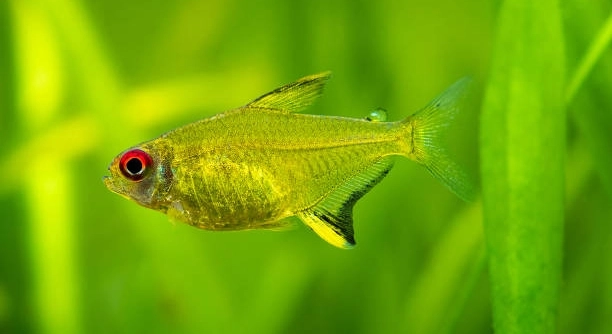
Do you enjoy watching your aquarium come to life with colorful fish darting across the tank? Lemon tetras are small, bright, and active, often attracting attention for their lively behavior and graceful swimming patterns.
Lemon tetras do exhibit playful behaviors, often swimming in groups, chasing each other, and exploring their environment. Observing their interactions, body movements, and reactions to stimuli provides insight into their activity levels and general well-being.
Recognizing these playful behaviors can help you better understand your lemon tetras’ needs and enhance their overall environment for healthier, happier fish.
Signs Lemon Tetras Are Playing
Lemon tetras often show their playful side through movement. They swim quickly in small groups, darting between plants and decorations. Chasing each other, weaving through hiding spots, and exploring corners of the tank are common behaviors. Sometimes they will pause, hover, and then suddenly dart again. These patterns are more than random swimming—they indicate engagement and curiosity. Their fins may flare slightly during rapid movements, signaling excitement rather than aggression. Watching them respond to light changes or small objects introduced into the tank can also reveal playful tendencies. Even small interactions, such as nudging a floating leaf or following another tetra, can be considered signs of play. Observing these behaviors consistently helps you understand their moods and energy levels. Providing a tank with varied structures encourages this activity, making it easier to notice when they are active and content. Active tetras are usually healthy tetras, so paying attention to their swimming habits is important.
Monitoring these behaviors regularly allows you to track their health and happiness more accurately.
Creating an environment that supports movement is key. Plants, rocks, and open swimming areas give lemon tetras places to explore and interact. They thrive in groups of five or more, which encourages natural social play. Avoid overcrowding, as it can reduce activity levels. Water conditions also influence behavior—clean, stable water keeps them energetic. Feeding routines can spark excitement, with tetras chasing food around the tank. Even subtle changes, like rearranging decorations, can renew interest and playfulness. Understanding their social and environmental needs ensures they display natural behaviors, making observation more rewarding. Over time, you will notice patterns in their movement, such as preferred swimming zones or favorite hiding spots. These observations help in adjusting the tank setup and care practices. By supporting their natural instincts, lemon tetras remain active, reducing stress and encouraging healthy interactions. Attention to detail in their habitat directly impacts their quality of life.
How to Encourage Play
Simple changes in the tank can increase playful behavior in lemon tetras.
Adding floating plants, small decorations, or varying swimming paths encourages exploration. Feeding in small amounts at different spots also stimulates activity. Regular observation helps identify what excites them most, supporting both mental and physical health. Over time, interactive behaviors become more noticeable, reinforcing a lively tank environment. Keeping conditions stable while introducing small variations ensures they stay active without stress.
Encouraging play involves balancing safety and stimulation. Lemon tetras need stable water parameters and adequate space to move freely. Introducing objects gradually helps them explore without feeling threatened. Group size matters—smaller groups may show less social play, while larger ones increase interaction and chasing behaviors. Observing their reactions allows you to adjust tank setup for optimal engagement. Variety in their environment, such as plants, rocks, or floating ornaments, keeps their routine interesting. Feeding techniques, like scattering flakes or using sinking pellets, encourage natural foraging and chasing. Even subtle rearrangements of decorations or adding new plants can spark curiosity. By providing structure, space, and minor environmental changes, you create conditions that support both playful behavior and overall well-being. Consistent care ensures lemon tetras remain active, engaged, and healthier in their home.
Understanding Lemon Tetra Behavior
Lemon tetras often swim in tight groups, chasing each other or exploring plants. They hover, dart, or circle around objects in the tank. These movements are signs of curiosity, engagement, and natural social behavior that indicate they are active and healthy.
Observing their body language can reveal subtle details. Quick dashes across the tank or sudden stops show alertness. Flared fins during group movement signal excitement rather than aggression. They interact with tank features, like decorations or floating plants, testing their environment. These actions help maintain mental stimulation and physical fitness. Recognizing these patterns allows for better care and ensures their energy levels remain consistent over time.
Social interactions are key. Lemon tetras often synchronize movements, swim in mirrored patterns, or follow a specific fish. These behaviors demonstrate group cohesion and playfulness. Even minor nudges or brief chases indicate engagement. Maintaining stable water conditions and a well-structured tank supports these interactions. Observing consistent patterns of activity and play provides insight into their overall well-being and helps identify when adjustments to their environment may be needed.
Encouraging Natural Activity
Providing a varied environment encourages exploration and active behavior in lemon tetras. Plants, rocks, and open swimming areas give them space to chase, hide, and interact naturally.
Introducing small changes in the tank, like rearranging decorations or adding floating elements, keeps them engaged. Scattering food or feeding in different spots stimulates chasing behavior. Grouping tetras together encourages social play and synchronized swimming. Avoid overcrowding, as it can limit activity and increase stress. Regular observation helps determine which adjustments best promote natural movement and playful interactions within the tank.
Environmental enrichment is crucial for maintaining energy levels and curiosity. Open swimming paths combined with hiding spots allow tetras to explore safely. Proper lighting encourages natural patterns of movement, while consistent water quality prevents lethargy. Feeding routines, such as alternating flakes and small pellets, mimic natural foraging behaviors and spark playful chasing. Social grouping reinforces coordination and interaction, which keeps them active throughout the day. Periodically changing the tank layout, introducing new plants, or shifting decorations promotes continual engagement. By carefully balancing stability with variety, lemon tetras remain lively, mentally stimulated, and healthier, creating a more dynamic and enjoyable aquarium environment.
Tank Setup for Play
A well-structured tank encourages lemon tetras to explore and interact. Open swimming spaces, plants, and decorations give them room to chase, hide, and play naturally, supporting both physical activity and mental stimulation.
Stable water conditions are essential. Proper temperature, pH, and clean water prevent stress, keeping tetras active and lively in their environment.
Group Dynamics
Lemon tetras are social fish and thrive in groups of five or more. Group interactions, like synchronized swimming and gentle chasing, are indicators of natural behavior and engagement. Social dynamics promote confidence and reduce stress, making them more active and playful in the tank.
Feeding and Play
Feeding routines can stimulate activity. Scattering flakes or offering small pellets encourages chasing, mimicking natural foraging behaviors. Feeding at different spots in the tank can trigger movement and engagement, helping maintain both mental and physical health in lemon tetras.
Observing Subtle Signs
Small behaviors, like hovering, fin flaring, or brief nudges, indicate alertness and curiosity. Tracking these subtle actions helps understand their mood and energy levels.
FAQ
Do lemon tetras enjoy playing with tank decorations?
Yes, lemon tetras often interact with plants, rocks, and other decorations. They swim around, weave through gaps, or hover near objects. These interactions provide mental stimulation and mimic natural exploration, helping them stay active and healthy. Rearranging decorations occasionally can renew interest and encourage playful movement.
How many lemon tetras should be kept together for natural play?
Lemon tetras thrive in groups of at least five, though larger groups often enhance social interactions. Group swimming, chasing, and synchronized movements are more noticeable in bigger schools. Smaller groups may become shy or less active, which can limit playful behaviors and reduce overall engagement.
Can feeding routines encourage playful behavior?
Yes, scattering flakes or using sinking pellets encourages natural chasing and foraging instincts. Feeding in different spots each time keeps them moving and curious. These small variations stimulate both physical activity and mental engagement, making feeding time an opportunity for exercise and social interaction.
Do lemon tetras play differently depending on the time of day?
Lemon tetras tend to be more active during the day when lights are on. Early morning and late afternoon often show bursts of chasing and group swimming. Dim lighting or nighttime hours generally reduce activity, as tetras rest or remain near hiding spots, conserving energy for the next active period.
How can I tell if my tetras are stressed rather than playful?
Stress behaviors include hiding constantly, clamped fins, or erratic darting without interaction. Playful behavior involves smooth, coordinated swimming, chasing in groups, and exploring the environment. Monitoring these subtle differences helps ensure tetras remain healthy and engaged in their habitat.
Does tank size affect play behavior?
Yes, adequate swimming space is essential. Tanks that are too small limit exploration and chasing, reducing play opportunities. A spacious tank with open areas and plants for hiding allows tetras to exhibit natural movement patterns, maintain energy, and interact socially, which supports both mental and physical health.
Are there specific decorations that promote more activity?
Floating plants, small caves, and clustered decorations encourage exploration and chasing. Open swimming paths combined with hiding spots give tetras options to move freely while feeling safe. Introducing new elements occasionally keeps them curious and active without causing stress or territorial disputes.
Can lemon tetras play with other fish species?
Yes, they generally coexist well with other peaceful, small species. Interaction may include parallel swimming or mild chasing, but it is important to avoid aggressive or much larger fish that could intimidate them. Compatible tank mates support social engagement and provide a more dynamic environment.
How do water conditions influence play behavior?
Stable temperature, pH, and clean water keep tetras active. Poor water quality can cause lethargy or hiding, reducing playful behavior. Regular monitoring and maintenance ensure a safe, stimulating environment that supports natural activity levels and encourages exploration and interaction with tank features.
Is it normal for tetras to play in the same spots repeatedly?
Yes, tetras often develop favorite swimming paths or hiding spots. Repeating movement patterns is part of their natural exploration and social behavior. As long as they remain active and healthy, consistent use of specific areas is normal and indicates comfort and familiarity with their tank.
How do social hierarchies affect play?
Mild dominance behaviors, like leading group swims or chasing slower fish, are common. These interactions are usually playful rather than aggressive. Observing social structures helps you understand group dynamics and ensures all tetras remain engaged and stress-free in their environment.
Can introducing new fish affect play?
Yes, new additions can temporarily reduce activity as tetras adjust to unfamiliar tank mates. Gradual introductions and maintaining sufficient space help minimize stress. Once acclimated, interactions often increase, promoting chasing, exploring, and other playful behaviors within the group.
Do lemon tetras ever tire of play?
Yes, like all animals, tetras have rest periods. After bursts of chasing or exploring, they may hover in place or rest near plants. Recognizing these cycles helps you provide balanced conditions, ensuring both activity and rest for healthy, happy fish.
Can tank lighting impact playfulness?
Lighting influences activity levels. Bright or natural-like light during the day encourages exploration and group swimming, while dim or inconsistent lighting may reduce movement. Maintaining a regular light schedule supports natural rhythms, promoting predictable periods of active behavior and social engagement.
Is it beneficial to interact with tetras outside of feeding?
Yes, observing and gently introducing objects like floating leaves or small ornaments can stimulate curiosity. While tetras do not interact like mammals, visual cues and environmental changes encourage exploration, chasing, and playful movement, supporting both mental and physical health.
How can I track if my tetras are playing enough?
Regular observation is key. Look for consistent group swimming, chasing, and exploring. Reduced activity, frequent hiding, or clamped fins may indicate stress or health issues. Maintaining a record of behaviors can help identify changes and ensure tetras remain active and engaged in their habitat.
Do lemon tetras ever play individually?
Occasionally, a tetra may explore or hover independently, especially when investigating a new object or area. While social play is more common, solitary exploration is normal and shows curiosity, confidence, and engagement with the environment without aggression or fear.
How do seasonal changes affect play behavior?
While tetras are tropical fish with controlled tank conditions, slight variations in temperature or light patterns can influence energy levels. Maintaining consistent water parameters and lighting schedules ensures activity remains steady regardless of external seasonal changes.
Are playful behaviors linked to breeding readiness?
Some playful chasing or synchronized swimming may overlap with courtship behaviors. Observing fin displays, nudges, or following behaviors can indicate both play and reproductive readiness. Distinguishing between normal social play and mating signals helps monitor tank dynamics accurately.
Can tank mates reduce or enhance play?
Compatible tank mates enhance engagement, while aggressive or overly timid species may inhibit natural activity. Choosing peaceful, similarly sized fish supports social interaction and playful behaviors, keeping the group active and maintaining a balanced, dynamic tank environment.
Do lemon tetras need toys or objects to play?
They do not require toys, but environmental enrichment encourages activity. Natural objects like plants, rocks, and floating leaves provide exploration opportunities. Occasional rearrangement or small additions stimulates curiosity, promotes chasing, and supports both mental and physical well-being.
How long do play sessions usually last?
Playful bursts vary, often lasting several minutes to half an hour. Tetras alternate between active chasing, exploring, and resting periods. Recognizing these cycles allows you to create a tank environment that supports natural rhythms and sustained engagement.
Are playful behaviors consistent across all lemon tetras?
Individual temperament affects activity levels. Some tetras are more active and curious, while others may be calmer or more cautious. Group interactions often encourage shy fish to participate, and providing varied spaces accommodates different personality types, ensuring all fish can engage safely.
Does tank size or shape influence play?
Yes, wider tanks with open swimming areas allow for chasing and group movement, while cramped or tall tanks may limit horizontal swimming. Providing both space and hiding spots supports natural movement patterns and encourages playful behavior throughout the group.
Can stress or illness stop play?
Yes, illness, poor water quality, or sudden changes in the tank can reduce activity. Monitoring health, maintaining stable conditions, and addressing problems promptly ensure tetras remain active, social, and engaged, maintaining natural behaviors and overall well-being.
Do lemon tetras remember play patterns?
They can recognize familiar objects, swimming paths, and tank mates. Repeated exposure often encourages consistent playful behaviors, as they become comfortable exploring favorite spots and engaging in predictable group interactions. Recognition helps maintain activity and reduces stress in a stable environment.
How can I encourage shy tetras to play?
Providing plants, hiding spots, and gentle observation helps shy tetras gain confidence. Gradual exposure to decorations or tank mates encourages participation in chasing, exploring, and group movement. Patience and a stable environment foster social interaction and playful behavior over time.
Can water current affect playfulness?
Yes, moderate currents stimulate swimming and chasing behaviors, while strong currents may tire fish or reduce exploration. Gentle, consistent water flow encourages natural movement and playful interactions without causing stress or fatigue.
Lemon tetras are small but lively fish that bring energy to any tank. Observing their playful behavior is not only enjoyable but also informative about their overall health and well-being. They exhibit different types of activity, from chasing each other in small groups to exploring plants and decorations. These behaviors are natural and indicate that they feel comfortable in their environment. When tetras are active and playful, it is a good sign that their tank conditions, including water quality, temperature, and group size, are suitable for their needs. Maintaining a balanced and stable environment ensures that these behaviors continue and prevents stress or illness that could limit their activity. Watching how they interact with each other and with their surroundings gives insight into their social structures and personal habits.
Creating a tank environment that encourages exploration and interaction is essential for supporting playful behavior. Lemon tetras benefit from having open swimming spaces alongside plants, rocks, and decorations to explore. These structures provide hiding spots and areas for chasing or hovering, which mimic their natural behavior in the wild. Small adjustments, like rearranging decorations or adding new plants, can renew their interest in the tank and stimulate activity. Feeding routines can also encourage movement, especially when food is scattered or offered in multiple locations. Social dynamics play a role as well, with group size influencing how actively tetras interact. Larger groups allow for more synchronized swimming, chasing, and playful engagement, whereas smaller groups may show less activity. By observing their habits and adjusting their environment thoughtfully, you create a tank where lemon tetras feel safe, stimulated, and free to display natural behaviors.
Understanding lemon tetra behavior helps ensure they remain active, healthy, and happy. Regular observation allows you to notice both playful and unusual behaviors, providing early warning signs if something is off. Their energy levels, social interactions, and responses to environmental changes are key indicators of well-being. Supporting natural behaviors through a stable tank environment, social grouping, and environmental enrichment encourages playful activity and reduces stress. By focusing on their needs and providing conditions that allow exploration, interaction, and mental stimulation, lemon tetras can thrive. Observing their playful nature provides not only entertainment but also valuable insight into how to maintain a healthy aquarium. Active, engaged lemon tetras are more resilient, enjoy their surroundings, and are likely to remain healthy over time, making thoughtful care and observation essential aspects of successful fishkeeping.

Hello,
If you enjoy the content that we create, please consider saying a "Thank You!" by leaving a tip.
Every little bit helps us continue crafting quality advice that supports the health, happiness, and well-being of pets around the world, for pets of all shapes, sizes, and species.
We really appreciate the kindness and support that you show us!