
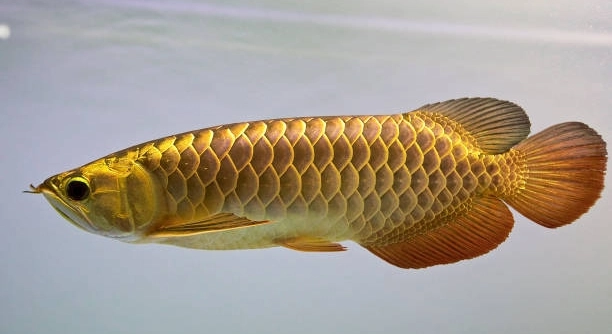
Arowanas are striking and elegant fish that captivate any aquarium enthusiast. Observing them glide through the water is mesmerizing, yet it can be concerning when they remain motionless for long periods. Their stillness often leaves owners puzzled.
Arowanas may stay still all day due to a combination of factors, including water quality, temperature, lighting, stress, and dietary issues. Ensuring optimal tank conditions and monitoring health indicators is essential to maintain their well-being and normal activity.
Understanding the reasons behind your arowana’s behavior can help improve its health and comfort in your tank. Maintaining proper care ensures a vibrant and active fish for years.
Common Reasons Your Arowana Stays Still
Arowanas often remain still due to their sensitivity to their environment. Poor water quality, sudden temperature changes, or inadequate oxygen levels can make them lethargic. Even minor fluctuations in pH or ammonia levels can impact their activity. Stress is another significant factor, often caused by overcrowding, sudden movements near the tank, or aggressive tankmates. Diet also plays a role; overfeeding or feeding inappropriate food may lead to sluggish behavior. Observing your fish daily helps identify patterns and potential triggers. Providing hiding spots and ensuring the tank has enough space allows them to feel secure. Lighting also affects behavior—too bright or too dim light can influence their swimming habits. Regular maintenance, careful feeding, and monitoring environmental conditions can reduce prolonged inactivity. While occasional stillness is normal, consistent lethargy requires attention.
Even small improvements in water conditions can restore activity. Observation and proper care are key.
Monitoring tank conditions, adjusting feeding routines, and minimizing stress factors will encourage more natural movement. Arowanas thrive in a stable environment where they feel secure and well-fed. Over time, proper adjustments result in a healthier, more active fish that displays its natural elegance. Ensuring that the tank mimics their preferred habitat will prevent lethargy and support their growth. By keeping a consistent schedule for cleaning, feeding, and checking water parameters, you can maintain a stable environment. Even simple changes, like repositioning decorations or adjusting lighting, can make a noticeable difference. Remember, a proactive approach allows you to address issues before they affect health. Lethargy often signals underlying needs, and attention to these details ensures your arowana remains vibrant and comfortable, swimming gracefully throughout the day.
How to Encourage Activity in Your Arowana
Gradual environmental adjustments can stimulate movement and reduce prolonged stillness.
Introducing variety in feeding routines and environmental enrichment can improve activity. Regularly changing the location of decorations, adding floating objects, or varying food types encourages exploration. Small currents from filters or air pumps can motivate swimming while maintaining comfort. Observing reactions to these changes ensures they are not stressed. Consistency in daily care supports overall well-being. Over time, these adjustments can lead to more frequent movement and healthier habits. Creating a stable yet slightly dynamic environment keeps your arowana engaged without overwhelming it. Monitoring progress allows you to fine-tune care, supporting a balanced lifestyle for the fish. Active behavior is achievable with thoughtful observation and small, steady improvements in their environment and routine.
Adjusting Water Conditions
Maintaining stable water conditions is essential for an active arowana. Regular testing of pH, ammonia, nitrite, and nitrate levels prevents stress. Slight changes can impact energy and appetite. Consistent temperature and proper filtration are equally important to keep your fish healthy and alert.
Water quality directly affects arowana activity. Filtration should remove waste efficiently, and partial water changes help maintain balance. Keeping the temperature steady around the preferred range prevents lethargy. Avoid overcrowding the tank, as it can lead to increased waste and stress. Regularly cleaning decorations and substrate ensures no buildup of harmful bacteria. Oxygenation is crucial; consider adding air stones or adjusting filter output to improve circulation. Monitoring these factors daily can prevent prolonged inactivity and support natural behavior.
Even small improvements in water conditions show results. Observing changes after adjustments helps identify which parameters most influence your arowana’s movement. A stable, clean environment encourages exploration, reduces stress, and promotes overall well-being, keeping your fish active throughout the day.
Feeding and Nutrition
Balanced nutrition is key to arowana health and activity. Overfeeding or feeding low-quality food can cause sluggishness. Offering variety ensures they receive all necessary nutrients, supporting energy levels and growth. Monitoring intake prevents obesity and digestive issues.
Arowanas require a diet rich in protein and essential vitamins. Live or frozen foods, such as shrimp, fish, and insects, are ideal. Supplementing with high-quality pellets can fill nutritional gaps. Feeding smaller portions more frequently is better than one large meal. Observing how your arowana reacts to food provides insight into appetite and overall health. Avoid overfeeding, which can lead to lethargy, bloating, and water contamination. Adjust feeding based on size, age, and activity level, ensuring your fish receives adequate energy for normal movement. Consistent, balanced feeding routines improve vitality and support healthy behavior patterns.
Proper feeding practices directly impact your arowana’s activity. Nutrient-rich diets and careful portion control reduce lethargy while encouraging natural swimming patterns. A well-fed, healthy fish shows more interest in its environment. Regularly evaluating feeding habits allows you to fine-tune diet for optimal health, energy, and responsiveness.
Tank Size and Space
Arowanas need ample space to swim comfortably. A small or overcrowded tank can cause stress and inactivity. Ensuring enough room allows natural movement and reduces behavioral issues. Proper layout with open swimming areas supports physical and mental health.
Adding vertical and horizontal space encourages exploration. Avoid overcrowding with other large or aggressive fish. A spacious environment helps prevent prolonged stillness and promotes consistent activity.
Lighting and Day-Night Cycle
Consistent lighting supports arowana activity and natural rhythms. Too bright or too dim light can cause stress, affecting movement. Maintaining a regular day-night cycle helps regulate behavior and energy. Proper lighting enhances visibility, reduces stress, and promotes healthy swimming patterns in the tank.
Stress and Aggression
Stress from aggressive tankmates or sudden changes can make arowanas stay still. Monitoring interactions and reducing stressors encourages normal activity.
Monitoring Health Indicators
Regular observation of appetite, swimming patterns, and physical appearance helps detect issues early. Addressing signs of illness promptly prevents prolonged inactivity and ensures your arowana remains healthy and responsive.
FAQ
Why does my arowana float at the surface but stays still?
This behavior often indicates low oxygen levels or stress. Surface floating allows easier access to oxygen. Ensure proper aeration and circulation in the tank. Check water parameters for ammonia, nitrites, and pH imbalances. Reducing sudden movements and loud noises nearby can also help your fish feel more comfortable and move naturally.
Is it normal for an arowana to rest most of the day?
Arowanas do rest frequently, especially during the day, but excessive stillness can indicate underlying issues. Normal rest involves brief periods of minimal movement while staying alert. Prolonged inactivity may point to poor water quality, stress, illness, or inadequate diet. Observing other behaviors, such as appetite and responsiveness, provides a clearer picture of health.
Can temperature changes make my arowana inactive?
Yes. Arowanas are sensitive to temperature fluctuations. Water that is too cold slows metabolism, while excessively warm water can cause stress. Maintaining a stable temperature within the recommended range for your species helps regulate activity. Gradual adjustments are important to prevent shock and lethargy. Using a reliable heater and thermometer ensures stability.
How does water quality affect my arowana’s movement?
Poor water quality, including high ammonia, nitrite, or nitrate levels, can make arowanas lethargic. Dirty water stresses the fish and impacts their health. Regular partial water changes, efficient filtration, and monitoring parameters keep the tank clean. Clean water promotes activity, appetite, and overall vitality.
Can diet influence my arowana’s stillness?
Absolutely. A diet lacking protein or essential nutrients can reduce energy levels. Overfeeding may lead to bloating and lethargy. Providing high-quality pellets, live, or frozen foods ensures proper nutrition. Feeding smaller portions several times a day supports metabolism and encourages natural swimming and foraging behaviors.
Do tankmates affect my arowana’s activity?
Aggressive or overly active tankmates can stress arowanas, leading to hiding or staying still. Observing interactions is important to prevent bullying. Providing adequate space, hiding spots, and compatible companions encourages confidence and normal movement. Sometimes separating aggressive fish temporarily resolves inactivity issues.
Is lighting important for my arowana’s activity?
Yes. Inconsistent or harsh lighting can stress arowanas, causing them to stay still. A regular day-night cycle supports natural rhythms. Moderate lighting improves visibility and encourages swimming. Gradually adjusting brightness and using timers can maintain consistency and reduce stress-related lethargy.
When should I consult a vet for inactivity?
If your arowana shows prolonged stillness, loss of appetite, unusual spots, or difficulty swimming, consult a vet. These signs may indicate illness or parasites. Early intervention can prevent serious health problems and restore normal activity. Monitoring behavior and water conditions helps provide accurate information for diagnosis.
Can adding decorations improve my arowana’s movement?
Yes, but carefully. Adding floating plants or strategically placed ornaments can provide stimulation and hiding spaces, encouraging exploration. Avoid overcrowding, as too many decorations may restrict swimming and cause stress. Simple changes can increase curiosity and promote more active behavior.
How long should arowanas stay still before it becomes concerning?
Short resting periods are normal, but if your arowana remains inactive for several hours consistently or shows other signs of distress, it requires attention. Identifying the cause quickly—whether environmental, dietary, or health-related—helps prevent long-term effects and ensures your fish stays healthy.
Final Thoughts
Arowanas are captivating fish, and their behavior can sometimes be puzzling. Observing an arowana staying still for long periods may naturally cause concern, but it is often a reflection of environmental, dietary, or health factors. Understanding these influences allows you to provide the best care. Water quality is one of the most important aspects of their habitat. Consistent testing and maintenance of pH, ammonia, nitrite, and nitrate levels prevent stress and support overall health. Temperature stability is equally vital, as sudden fluctuations can affect metabolism and energy. Providing adequate space and proper tank layout helps the fish feel secure, allowing them to swim freely and reduce periods of inactivity. Attention to these basic but critical details often resolves prolonged stillness without drastic measures.
Feeding and nutrition also play a significant role in an arowana’s activity. A balanced diet, rich in protein and essential nutrients, ensures they have the energy needed for normal movement. Overfeeding or relying solely on low-quality food can lead to lethargy, bloating, or digestive problems. Offering a mix of high-quality pellets, live, or frozen foods keeps their diet varied and engaging. Observing feeding behavior helps identify early signs of health concerns, as appetite changes often accompany stress or illness. Consistency in feeding routines and portion sizes also contributes to maintaining regular activity. Combined with a stable environment, proper nutrition encourages natural behaviors, from swimming and exploring to occasional resting periods, which are normal for these fish.
Stress management is another key factor for maintaining a healthy and active arowana. Aggressive tankmates, sudden environmental changes, or overly bright lighting can lead to prolonged stillness. Providing hiding spots, arranging decorations thoughtfully, and maintaining a regular day-night cycle all help reduce stress. Monitoring daily behavior, including movement patterns, appetite, and physical condition, allows you to spot potential problems early. Even small adjustments, such as improving aeration or changing the location of certain tank items, can significantly enhance activity levels. By focusing on water quality, diet, space, and stress reduction, you create an environment that supports health and natural behavior. Careful attention to these factors ensures your arowana remains alert, active, and comfortable, displaying its full beauty and vitality in the tank.

Hello,
If you enjoy the content that we create, please consider saying a "Thank You!" by leaving a tip.
Every little bit helps us continue crafting quality advice that supports the health, happiness, and well-being of pets around the world, for pets of all shapes, sizes, and species.
We really appreciate the kindness and support that you show us!