
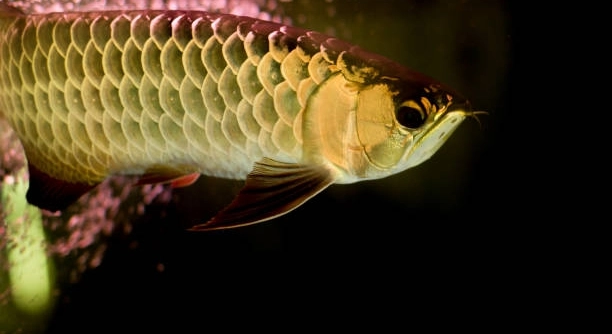
Have you ever noticed your arowana seeming less energetic or picky at mealtime? Many owners face challenges when considering dietary changes, especially when trying to balance nutrition and the fish’s natural preferences. Making adjustments can feel tricky.
Before changing an arowana’s diet, it is essential to evaluate nutritional needs, digestive tolerance, and environmental factors. Understanding these aspects ensures the fish remains healthy, avoids stress, and receives a balanced intake, preventing long-term health complications and growth issues.
Learning the right approach can save your fish from unnecessary stress and help maintain its vibrant health and growth over time.
Understanding Your Arowana’s Current Diet
Observing your arowana’s eating habits is the first step before making changes. Take note of what it eats consistently, how quickly it consumes food, and any signs of digestive discomfort. Some arowanas may favor live foods, while others adapt to pellets or frozen options. Consistency in diet helps maintain stable health and growth. Rapid changes can lead to stress, loss of appetite, or digestive issues. It’s also important to consider the nutritional value of its current diet. Protein levels, vitamins, and minerals must meet the fish’s needs. Consulting feeding guidelines for your specific arowana species can prevent deficiencies. Keep a feeding log for a week or two to identify patterns and potential areas for improvement. This record will make adjusting the diet easier and more precise, ensuring the fish remains energetic and healthy.
Maintaining a clear understanding of what your arowana currently eats allows for safer, more informed diet changes. This reduces risks associated with sudden adjustments.
Monitoring behavior after a dietary change is crucial. Watch for activity levels, swimming patterns, and responses during feeding. Subtle changes may indicate the fish is not adjusting well, and timely adjustments can prevent further issues. A slow introduction of new foods often works best.
Evaluating Nutritional Needs
Each arowana has unique nutritional requirements depending on its species, size, and age. Protein, fats, and vitamins must be balanced to support growth and health.
Nutritional deficiencies can lead to poor growth, weakened immune systems, or deformities. For example, juveniles require higher protein for development, while adults need more balanced diets to maintain vitality. Live foods like shrimp or small fish provide essential nutrients, but pellets can supplement vitamins and minerals. It’s important to rotate food sources to cover all nutritional needs without overloading the digestive system. Overfeeding or feeding inappropriate foods can cause liver or kidney problems over time. Adjusting portion sizes according to the fish’s growth rate helps prevent obesity and maintains energy levels. A well-planned diet also reduces the risk of water contamination caused by uneaten food, promoting a healthier environment. Keeping nutritional balance in mind ensures your arowana thrives both physically and behaviorally, supporting a longer, healthier life.
Gradual Transition Methods
Introducing new foods slowly helps your arowana adjust without stress. Mixing small amounts of the new diet with the old allows the fish to accept changes gradually. Patience is key.
Start by replacing 10–20% of the current diet with the new food. Observe how your arowana responds over several days. If it eats consistently and shows no signs of digestive distress, gradually increase the proportion of the new diet. Sudden changes can cause refusal to eat or stomach upset, so small steps ensure a smoother adaptation. Keeping the feeding schedule consistent while introducing new foods helps the fish maintain confidence during mealtime. Note any behavioral changes, energy levels, or physical signs of stress to adjust the transition speed. A well-monitored approach reduces risks associated with dietary adjustments and promotes overall health.
Monitoring water quality during dietary changes is also crucial. Uneaten food and changes in digestion can affect tank conditions, so maintaining clean water supports both the transition and the arowana’s well-being. Proper filtration and regular cleaning prevent water quality issues that could negatively impact health during diet changes.
Observing Health Indicators
Regularly check your arowana’s physical condition. Look for clear eyes, firm scales, and normal swimming patterns to gauge overall health.
Changes in appetite, behavior, or physical appearance can signal dietary problems. A sudden loss of appetite may indicate that the new food is not suitable or that stress levels are high. Similarly, bloating, color changes, or lethargy can indicate digestive or nutritional issues. Monitoring these signs daily allows timely adjustments to diet and feeding habits. Documenting observations helps identify patterns and informs future feeding decisions. Paying close attention ensures the fish maintains energy, proper growth, and long-term health while adapting to dietary changes.
Suitable Food Types
Live foods like shrimp or small fish are highly nutritious and stimulate natural hunting behavior. Pellets and frozen foods provide essential vitamins and minerals that live foods may lack.
Rotating between live, frozen, and pellet options ensures your arowana receives a balanced diet. Each type has benefits, and variety reduces the risk of nutrient deficiencies while keeping feeding interesting.
Portion Control
Overfeeding can lead to obesity and water quality issues. Feeding small, measured amounts based on the fish’s size helps maintain health and energy.
Adjust portions gradually as your arowana grows. Juveniles need more frequent meals, while adults require less food but still benefit from high-quality nutrition. Monitoring leftovers ensures the fish consumes the correct amount without overloading the tank with uneaten food, preventing digestive problems and maintaining a stable aquatic environment. Consistent portion control is essential for long-term health and optimal growth.
Feeding Schedule
Maintaining a consistent feeding schedule supports digestion and prevents overeating. Regular timing helps your arowana anticipate meals and reduces stress.
How often should I change my arowana’s diet?
Diet changes should be gradual and not more than once every few weeks. Frequent changes can stress your arowana and disrupt digestion. Introducing new foods slowly while maintaining familiar options allows the fish to adjust without refusing meals or developing health issues.
What are the signs that a dietary change is affecting my arowana negatively?
Watch for decreased appetite, lethargy, bloating, or unusual swimming patterns. Color fading or scale problems can also indicate nutritional imbalance. Early observation allows adjustments before serious health issues arise. Maintaining a feeding log can help track responses to new foods.
Can I feed my arowana only pellets or frozen foods?
Arowanas can survive on pellets or frozen foods, but a mix is ideal. Live foods stimulate hunting behavior and provide enrichment, while pellets and frozen foods supply vitamins and minerals that may be missing from live prey. Variety ensures balanced nutrition.
How do I know if my arowana is getting enough protein?
High-protein foods include shrimp, fish, and specific pellets. If your arowana grows slowly, appears weak, or shows poor scale development, it may need more protein. Adjusting the diet to include higher-protein options gradually can correct deficiencies without shocking its system.
Is it safe to switch my arowana from live food to pellets entirely?
Switching entirely is possible but should be done gradually. Begin by mixing small amounts of pellets with live food. Increase pellets slowly over several weeks while observing appetite, behavior, and digestion. Sudden changes may cause refusal to eat or digestive upset.
How much should I feed my arowana each day?
Feed amounts depend on age and size. Juveniles require more frequent feedings, usually two to three times daily, while adults typically eat once a day. Offer portions the fish can finish in five minutes to avoid overfeeding and maintain water quality.
Can feeding new foods affect water quality?
Yes, uneaten food can decompose and increase ammonia or nitrite levels. Introduce new foods in small amounts, remove leftovers promptly, and monitor water parameters to maintain a safe environment during dietary changes.
What should I do if my arowana refuses new food?
Mix new food with familiar items in small quantities. Try slightly different textures or presentations, and introduce changes slowly. Patience is crucial. Some arowanas may take several attempts to accept new foods, but consistency usually encourages adaptation.
Are supplements necessary when changing an arowana’s diet?
Supplements may be needed if the new diet lacks certain vitamins or minerals. For example, vitamin-enriched pellets can prevent deficiencies. Consult feeding guidelines and observe the fish for signs of imbalance before adding supplements.
How long does it take for an arowana to adjust to a new diet?
Adjustment typically takes one to four weeks depending on the individual fish, type of food, and transition method. Gradual changes, observation, and maintaining familiar feeding routines help reduce stress and encourage acceptance.
Changing an arowana’s diet is a task that requires attention, patience, and careful planning. These fish are sensitive to sudden changes, and their health can be easily affected if adjustments are made too quickly. Observing your arowana’s current eating habits and understanding its nutritional needs are the first steps in making safe dietary changes. Taking the time to note what it eats consistently, how it responds to different foods, and any signs of digestive discomfort will make the process much smoother. Consistency in feeding routines helps the fish feel secure, and gradual transitions reduce stress while allowing it to adjust to new foods without rejecting them.
It is also important to focus on the quality and variety of the diet. A balanced combination of live foods, frozen options, and high-quality pellets ensures your arowana receives essential nutrients, including protein, fats, vitamins, and minerals. Rotating different food types can prevent nutrient deficiencies and keep the fish engaged during feeding times. Portion control and feeding schedules are equally important, as overfeeding or irregular feeding can cause digestive issues, obesity, and poor water quality in the tank. Paying attention to physical and behavioral indicators, such as energy levels, appetite, color, and swimming patterns, can help identify any problems early. Adjusting the diet in response to these signs ensures the fish remains healthy and grows properly over time.
Patience and observation are key to maintaining arowana health during dietary changes. Introducing new foods slowly, monitoring water quality, and documenting responses allows you to make informed adjustments without harming the fish. Every arowana is different, and what works for one may not work for another, so flexibility is essential. Keeping the fish’s environment clean, maintaining consistent feeding routines, and offering a variety of nutritious foods supports long-term health. By approaching diet changes carefully and thoughtfully, you can help your arowana thrive, maintain vibrant energy, and enjoy a balanced, healthy life in its tank.

Hello,
If you enjoy the content that we create, please consider saying a "Thank You!" by leaving a tip.
Every little bit helps us continue crafting quality advice that supports the health, happiness, and well-being of pets around the world, for pets of all shapes, sizes, and species.
We really appreciate the kindness and support that you show us!