
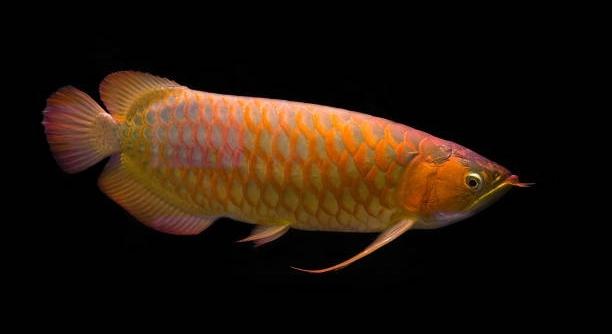
Do you ever find yourself adjusting your aquarium, hoping your arowana feels at home? Setting up a tank for this majestic fish requires more than decoration. Comfort, water quality, and space are key factors for a happy arowana.
A comfortable arowana tank setup is characterized by stable water parameters, adequate swimming space, proper filtration, balanced lighting, a secure lid, minimal stressors, and regular maintenance. These factors collectively support the health, growth, and natural behavior of the fish.
Understanding these elements will help you create a tank that promotes your arowana’s wellbeing and longevity, ensuring it thrives in a stable and supportive environment.
Spacious Swimming Area
Arowanas are large, active fish that need plenty of room to swim freely. A tank that is too small can cause stress, stunted growth, and even health problems. I remember when I first upgraded my tank; the difference in my arowana’s behavior was immediate. It began exploring corners confidently, gliding smoothly, and showing its natural hunting instincts. Experts recommend a minimum of 250 gallons for an adult arowana, though bigger is always better. Alongside length, height and width matter, as arowanas occasionally leap. Decorations should not crowd the space but instead provide subtle enrichment. Smooth rocks or driftwood can add interest while keeping edges safe. Open swimming zones reduce aggression, especially if multiple fish share the tank. Observing an arowana in a well-sized tank can be mesmerizing. They show more natural coloration, exhibit better appetite, and display calmer behavior. Proper sizing is a critical factor that directly impacts both physical and mental health in arowanas.
Spacious swimming areas prevent stress and encourage natural behavior, which contributes to overall health and longevity in your arowana.
When designing the tank, consider both current size and future growth. Avoid overcrowding and leave clear swimming lanes. Even if the tank seems large now, adult arowanas can double in length over a few years. Arrange decorations strategically to avoid sharp edges, as arowanas can injure themselves during jumps or fast movements. Consistent water flow and gentle currents complement open spaces, allowing them to exercise naturally. Monitoring your fish’s behavior after rearranging decorations can help determine whether the setup feels comfortable. A proper tank layout reduces the risk of disease, aggression, and stress-related behaviors. Ultimately, providing ample swimming space ensures your arowana thrives, displaying both health and natural elegance in its environment.
Stable Water Conditions
Maintaining consistent water quality is essential for arowanas to remain healthy and active.
Stable water conditions involve monitoring temperature, pH, and ammonia levels daily. Sudden fluctuations can stress the fish and weaken its immune system. Using a reliable filter and performing regular water changes keeps the environment safe and predictable.
Temperature should be maintained between 75–82°F, with pH around 6.5–7.5. Hardness levels should stay moderate. Filtration must handle large bioloads, as arowanas produce significant waste. Ammonia and nitrite spikes can quickly harm the fish, so frequent testing is necessary. Regular partial water changes prevent buildup of nitrates and maintain oxygen levels. Heating and cooling systems help avoid sudden shifts, which arowanas find stressful. Even slight inconsistencies in water quality can lead to lethargy, reduced appetite, or susceptibility to disease. Investing in high-quality test kits, a dependable filtration system, and safe water conditioners ensures a long-term healthy environment. Consistency is the key: arowanas thrive when water conditions remain stable, predictable, and closely monitored to mimic their natural habitat.
Proper Filtration
Arowanas produce a lot of waste, making a strong filtration system essential. A reliable filter removes debris, maintains oxygen levels, and prevents harmful chemical buildup. Regular maintenance ensures consistent performance and a healthier environment for your fish.
Filtration should combine mechanical, biological, and chemical components to maintain clear and safe water. Mechanical filtration traps particles, biological filtration breaks down ammonia, and chemical filtration removes toxins. I installed a canister filter rated for double my tank size, which significantly improved water clarity and reduced maintenance frequency. Over time, I noticed my arowana was more active and displayed brighter colors, a direct result of cleaner, stable water.
Filters must be cleaned regularly but carefully to preserve beneficial bacteria. Rinsing media in tank water rather than tap water prevents bacterial loss. Adjust flow to avoid stressing the fish while ensuring all areas are filtered. A well-maintained system supports long-term health, minimizes disease risk, and promotes natural behaviors like swimming and hunting. Combining filtration with consistent water testing creates a stable, comfortable tank environment.
Balanced Lighting
Balanced lighting enhances an arowana’s natural colors and supports its daily activity. Too much light can stress the fish, while too little reduces visibility and overall tank appeal. I found that a moderate, timed lighting schedule worked best.
Lighting should mimic natural day-night cycles, generally 10–12 hours per day. LED lights are effective, providing brightness without excess heat. Position lights to reduce glare on the water surface, preventing stress. Observing your arowana’s behavior helps determine optimal intensity; a lethargic fish may need softer light, while dull colors can benefit from slightly stronger illumination.
Lighting also supports plant growth if you include live plants, which can aid in oxygenation and water quality. Combining proper lighting with shaded areas allows the fish to retreat if needed, promoting a sense of security. Adjusting light gradually during changes prevents sudden stress. Proper placement and timing create an environment where your arowana feels both visible and safe, supporting activity, color vibrancy, and overall wellbeing.
Secure Lid
Arowanas are strong jumpers, so a secure lid is essential to prevent accidents. My first tank didn’t have a proper cover, and I learned quickly that even small gaps can be dangerous. A tightly fitting lid keeps the fish safe and the tank contained.
Lids also help maintain stable water conditions by reducing evaporation and limiting debris entry. Choosing a sturdy material and ensuring proper ventilation balances safety with airflow, keeping the tank environment comfortable and secure.
Minimal Stressors
Arowanas thrive in calm environments with minimal disturbances. Excessive noise, sudden movements, or frequent tank rearrangements can cause stress. I noticed my fish became more relaxed when I limited activity near the tank.
Stress leads to weakened immunity, reduced appetite, and erratic swimming. Observing the tank from a distance and maintaining a predictable routine allows the arowana to feel secure, promoting long-term health and natural behavior.
Regular Feeding Schedule
Feeding at consistent times ensures your arowana receives proper nutrition without overfeeding. I stick to a twice-daily schedule with varied protein sources, which keeps my fish active and healthy.
Clean Environment
Maintaining a clean tank prevents disease and keeps your arowana comfortable. Removing uneaten food and debris daily supports water quality and overall fish health.
How often should I change the water in my arowana tank?
I usually perform a partial water change of about 20–25% every week. This helps maintain stable water parameters and prevents the buildup of nitrates and other toxins. Full water changes are rarely needed and can stress the fish if done too frequently. Consistency is more important than volume.
What is the ideal tank size for an adult arowana?
An adult arowana requires a tank of at least 250 gallons. Length is crucial because they need room to swim freely, while height and width prevent injuries from jumping. Bigger tanks are always better, as arowanas grow quickly and need ample space to remain healthy and active.
Which filtration system works best for arowanas?
I recommend a combination of mechanical, biological, and chemical filtration. Mechanical filters trap debris, biological filters break down ammonia, and chemical filters remove toxins. Canister filters or high-capacity sump systems work well for large tanks. Proper maintenance ensures stable water quality and reduces stress on the fish.
How do I maintain stable water parameters?
Daily testing is important. Temperature should remain between 75–82°F, pH around 6.5–7.5, and ammonia or nitrite should be zero. Regular partial water changes, reliable filtration, and careful monitoring prevent sudden fluctuations that can harm the arowana. I found that investing in good test kits made this process much easier.
How often should I feed my arowana?
Twice a day is ideal for most adult arowanas. I rotate between pellets, frozen foods, and live prey to provide balanced nutrition. Overfeeding can pollute the tank and lead to health problems, while underfeeding can cause malnutrition and lethargy. Sticking to a schedule helps regulate appetite and activity.
Do arowanas need special lighting?
Moderate, timed lighting helps maintain natural behavior and coloration. I use LED lights set on a 10–12 hour day-night cycle. Avoid overly bright lights, which can stress the fish, and provide shaded areas so the arowana can retreat if needed. Proper lighting also supports any live plants in the tank.
What decorations are safe for arowanas?
Smooth rocks and driftwood work well, but avoid sharp or jagged edges that can injure them. I keep decorations minimal to leave open swimming space, which reduces stress and aggression. Positioning objects strategically provides visual interest without overcrowding the tank, ensuring a safe, comfortable environment.
How can I reduce stress for my arowana?
Minimizing loud noises, sudden movements, and frequent rearrangements is key. Observing from a distance and keeping a predictable routine helped my fish feel secure. Stress can weaken immunity, reduce appetite, and cause erratic swimming, so a calm, stable environment is essential for long-term health.
Is a lid necessary for the tank?
Absolutely. Arowanas are powerful jumpers and can easily injure themselves. A secure lid prevents accidents while also limiting evaporation and debris entry. I use a sturdy lid with proper ventilation to maintain water stability while keeping the fish safe and the tank contained.
How do I maintain a clean tank?
Removing uneaten food and debris daily prevents toxins from building up. Regular siphoning of substrate and filter maintenance helps preserve water quality. I noticed my arowana became more active and vibrant once I established a cleaning routine that balances thoroughness with minimal disruption.
Can arowanas be kept with other fish?
They can, but compatibility is limited. Aggressive or small fish may be stressed or eaten. I recommend large, robust species with similar water requirements. Even with suitable tankmates, careful observation is needed, as territorial disputes can occur. Providing ample swimming space helps reduce conflicts.
What signs indicate my arowana is comfortable?
A healthy arowana swims smoothly, explores the tank, eats regularly, and shows vibrant colors. Calm behavior and consistent activity indicate the tank setup meets its needs. I often check for unusual hiding, lethargy, or fin damage, which signal stress or discomfort and may require adjustments.
This FAQ addresses the most common concerns I faced while setting up a comfortable arowana tank. Following these practices ensures your fish thrives, stays healthy, and exhibits natural behaviors in a stable, secure environment.
Setting up a comfortable tank for an arowana requires careful planning and attention to detail. From choosing the right tank size to maintaining stable water conditions, every decision affects the fish’s health and behavior. Arowanas are large, active fish, so providing ample swimming space is critical. Small or overcrowded tanks can cause stress, stunted growth, and even injuries from jumping. Decorations should be minimal, with smooth surfaces and safe edges, allowing the fish to explore freely without risk. Open swimming lanes are essential not just for exercise but also for reducing aggression if multiple fish are present. Proper layout and space help an arowana display natural behaviors, such as gliding, hunting, and exploring, which are clear signs of comfort and wellbeing. Observing the fish in a spacious tank often reveals calmer movements, brighter coloration, and more confident interactions with its environment.
Maintaining clean, stable water is another cornerstone of a comfortable tank setup. Arowanas are sensitive to fluctuations in temperature, pH, and chemical levels, so consistent monitoring is essential. Reliable filtration that combines mechanical, biological, and chemical components helps keep water clear and safe. Partial water changes at regular intervals prevent nitrate and toxin buildup while preserving beneficial bacteria. I found that using high-quality test kits and keeping a routine schedule makes it easier to maintain water quality consistently. Lighting also plays a role in comfort, as moderate, timed illumination encourages natural activity and enhances coloration without causing stress. Combined, these factors create an environment that mimics natural conditions, allowing the fish to thrive. Even small adjustments, like providing shaded areas or gentle water flow, contribute to a stable, secure habitat that supports both physical and mental health.
Feeding, tank security, and stress management further contribute to a comfortable arowana setup. Establishing a consistent feeding schedule with varied protein sources ensures proper nutrition without overloading the tank. A secure lid prevents accidents, as arowanas are strong jumpers, while reducing evaporation and debris entry. Minimizing disturbances, loud noises, and sudden movements keeps stress levels low, supporting immunity and natural behaviors. Observing the fish closely helps identify any discomfort or health issues early, allowing timely adjustments. Over time, attention to these details results in a tank where the arowana feels safe, healthy, and active. A well-planned and maintained environment supports growth, longevity, and overall wellbeing, making the effort to create a comfortable tank worthwhile for both the fish and the keeper.

Hello,
If you enjoy the content that we create, please consider saying a "Thank You!" by leaving a tip.
Every little bit helps us continue crafting quality advice that supports the health, happiness, and well-being of pets around the world, for pets of all shapes, sizes, and species.
We really appreciate the kindness and support that you show us!