
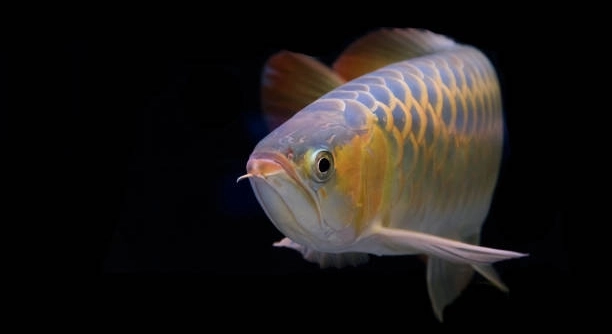
Keeping an arowana is a fascinating hobby for many aquarium enthusiasts who appreciate its elegant movements and striking appearance. These fish have specific care requirements that make understanding their environment essential for their wellbeing.
Arowanas can survive in freshwater only, provided that water quality is strictly maintained. Regular monitoring of pH, temperature, and ammonia levels is crucial, along with adequate tank size, proper filtration, and balanced nutrition to ensure the fish remains healthy.
Learning the proper conditions for freshwater arowanas will help you create a stable and thriving aquarium environment for these captivating fish.
Understanding Freshwater Requirements
Arowanas are freshwater fish that require stable water conditions to thrive. Their tanks should maintain a consistent temperature between 75 and 82°F, with a pH level around 6.5 to 7.5. Sudden changes in temperature or acidity can stress the fish, making it more susceptible to disease. Filtration is critical to remove waste and prevent toxins from building up. Overfeeding can lead to water pollution, so portion control and routine cleaning are essential. These fish are large and active, so a spacious tank is necessary—ideally 250 gallons or more for adult arowanas. Decorations should be minimal to avoid injury, but hiding spots can reduce stress. Proper lighting and oxygenation also play a role in overall health. Understanding and meeting these requirements ensures that your arowana can live a long, healthy life in a purely freshwater environment. Consistency and attention to detail are key.
Maintaining freshwater conditions requires regular water testing and tank cleaning. Small steps prevent big problems.
By monitoring water quality, filtration, and temperature, you create an environment where the arowana can move freely and display natural behaviors. Balanced nutrition complements this care, supporting growth and preventing health issues. While the setup may seem demanding, routine attention becomes second nature. These fish adapt well when their tank conditions remain predictable, which promotes both physical health and calm behavior. Selecting the right size tank and avoiding overcrowding further ensures a sustainable habitat. Observing your arowana’s movements and appetite provides insight into its wellbeing, allowing timely adjustments.
Feeding and Nutrition
Arowanas need a high-protein diet to stay healthy and active.
Feeding should include live, frozen, or prepared foods such as insects, shrimp, or specialized pellets. Variety supports growth and prevents nutritional deficiencies. Avoid overfeeding to maintain water quality and prevent obesity.
Providing a proper diet involves planning meals and maintaining feeding consistency. Live foods like small fish or crickets mimic natural hunting behaviors, while frozen shrimp or pellets provide balanced nutrients. Over time, arowanas can accept prepared foods more readily, reducing reliance on live feeding. Vitamins and supplements can enhance coloration and strengthen immunity, but excessive supplementation may cause health issues. Feeding schedules typically consist of once or twice daily, depending on the fish’s age and size. Monitoring leftovers ensures that uneaten food does not decay, which could affect water quality. Freshwater-only tanks demand extra vigilance because toxins accumulate faster without brackish water buffering. Keeping a feeding routine along with water maintenance establishes a stable environment, promoting long-term health and active behavior for your arowana.
Tank Size and Setup
Arowanas need large tanks to swim freely. A minimum of 250 gallons is recommended for adults. Proper filtration and space reduce stress and maintain water quality, ensuring your fish stays healthy and active.
Choosing the right tank is essential. Arowanas are long, strong swimmers that require open space without overcrowding. Decorations should be minimal, with smooth surfaces to prevent injury. Driftwood or large rocks can provide some structure, but avoid sharp objects. Surface area matters for oxygen exchange, so wider tanks are better than tall, narrow ones. Good filtration and regular water changes prevent ammonia buildup and support overall health. Monitoring water flow ensures it is strong enough to circulate water but not overly turbulent.
Lighting and aeration also impact tank setup. Moderate lighting encourages natural behavior, while proper oxygenation keeps the water healthy. Using a combination of mechanical, chemical, and biological filtration provides a balanced environment. Regular maintenance is necessary to remove debris, test water parameters, and prevent algae. Choosing the right substrate, such as sand or fine gravel, reduces stress and supports beneficial bacteria. With careful planning, arowanas can thrive in a freshwater tank without complications.
Water Quality Management
Water testing should be done weekly to maintain stable conditions. Monitoring pH, ammonia, nitrite, and nitrate prevents stress and disease.
Consistent water management is critical for freshwater arowanas. High-quality filtration, partial water changes, and proper aeration are essential to prevent toxic buildup. Ammonia and nitrite spikes can be fatal, so using test kits regularly helps detect issues early. Maintaining pH between 6.5 and 7.5 supports metabolic function and overall health. Temperature stability is equally important; fluctuations can weaken the immune system. Using a reliable heater and thermometer keeps water within the optimal range.
Maintaining water clarity also improves fish behavior and appetite. Removing uneaten food and debris prevents contamination. Biological filtration, such as sponge or canister filters, supports beneficial bacteria that break down waste naturally. Partial water changes of 20–30% weekly reduce harmful substances while avoiding drastic chemical shifts. Introducing live plants or floating greenery can help absorb excess nutrients and provide minor shelter. Keeping a regular schedule for testing, cleaning, and adjusting water parameters ensures a stable environment. This consistency minimizes stress and supports your arowana’s long-term growth, coloration, and activity levels.
Common Health Concerns
Arowanas in freshwater tanks can face health issues if conditions are unstable. Watch for signs of disease, unusual swimming, or loss of appetite, as these often indicate water problems or nutritional deficiencies.
Regular observation helps catch problems early. Maintaining clean water and a proper diet reduces the risk of infections, parasites, and stress-related illnesses.
Stress Factors
Arowanas are sensitive to changes in their environment. Sudden water parameter shifts, overcrowding, or aggressive tankmates can cause chronic stress, impacting growth and immunity.
Stress management includes consistent water maintenance, careful tankmate selection, and providing sufficient swimming space. Minimizing disturbances and keeping a stable routine helps the fish adapt comfortably to its freshwater environment.
Breeding Considerations
Breeding freshwater arowanas requires careful planning and a large, secure tank. Males guard eggs, so providing proper space and hiding areas is necessary for successful reproduction.
Selecting healthy, mature fish and maintaining optimal water parameters increases the chances of survival for fry. Patience and monitoring during this period are essential to support both adults and offspring.
Tank Mates
Choose tank mates carefully to avoid aggression. Arowanas can be territorial, so compatible fish should be similarly sized and non-aggressive.
FAQ
Can arowanas live in freshwater only?
Yes, arowanas can live in freshwater exclusively if their environment is properly maintained. This includes monitoring temperature, pH, and ammonia levels, along with providing adequate filtration and regular water changes. Freshwater-only tanks require extra attention to prevent water quality from declining, but arowanas adapt well under stable conditions.
What is the ideal tank size for a freshwater arowana?
Adult arowanas need a large tank, typically at least 250 gallons, to swim freely. Smaller tanks restrict movement and increase stress, which can lead to health problems. Width is more important than height since arowanas are long, active swimmers, and open space supports natural behavior.
How often should I clean the tank?
Partial water changes of 20–30% weekly are recommended. Filtration helps remove debris and toxins, but uneaten food and waste accumulate quickly in freshwater tanks. Cleaning the substrate, removing decaying plant matter, and monitoring water clarity are essential for keeping your arowana healthy.
What should I feed my freshwater arowana?
Arowanas require a high-protein diet, including live foods like insects or small fish, frozen shrimp, and prepared pellets. Variety is important to prevent nutritional deficiencies. Feeding should be controlled to avoid overfeeding, which can pollute the water and harm the fish.
Can arowanas be kept with other fish?
Yes, but careful selection is crucial. Arowanas are territorial and can be aggressive. Tank mates should be similarly sized, non-aggressive, and able to handle the same water conditions. Avoid small fish that could be eaten or overly aggressive species that stress the arowana.
How do I prevent disease in a freshwater tank?
Maintaining stable water parameters, feeding a balanced diet, and avoiding overcrowding are key. Regular observation of your arowana’s behavior and appearance helps detect early signs of illness. Quarantining new fish before introducing them to the main tank reduces the risk of disease.
What water parameters are optimal?
The ideal temperature range is 75–82°F, and pH should stay around 6.5–7.5. Ammonia and nitrite must be kept at zero, while nitrates should remain below 40 ppm. Consistent monitoring and adjustments ensure your arowana thrives in a freshwater setup.
How can I reduce stress for my arowana?
Stress is minimized by keeping water stable, avoiding sudden changes, and providing sufficient space. Limit disturbances, choose compatible tank mates, and maintain a predictable feeding schedule. Observing your fish’s behavior can help you identify stress early and make necessary adjustments.
Are freshwater arowanas suitable for beginners?
They can be kept by beginners who are willing to commit to proper tank maintenance. Their size, diet, and sensitivity to water quality require attention and consistency, but with proper care, even new aquarists can successfully raise a healthy freshwater arowana.
How long do freshwater arowanas live?
With proper care, arowanas can live 10–15 years or more. Lifespan depends on water quality, diet, and overall environment. Consistent attention to tank conditions and regular health monitoring significantly contributes to longevity and quality of life.
What is the best way to monitor water quality?
Use test kits to check pH, ammonia, nitrite, and nitrate levels regularly. Observing fish behavior, water clarity, and filtration performance also helps detect issues early. Routine monitoring prevents small problems from becoming serious threats to your arowana’s health.
Can I breed arowanas in freshwater only?
Yes, breeding is possible in freshwater if conditions are optimal. Males guard eggs, so providing space and hiding areas is important. Selecting healthy, mature fish and monitoring water parameters carefully improves survival rates for both adults and fry.
How often should I feed my arowana?
Feeding frequency depends on age and size. Young arowanas may eat twice daily, while adults typically eat once. Overfeeding can lead to obesity and poor water quality, so portion control and observation of appetite are essential.
Are plants necessary in a freshwater tank?
Plants are optional but beneficial. Floating or rooted plants help absorb excess nutrients, reduce algae growth, and provide minor shelter. However, avoid dense planting that limits swimming space for your arowana.
What signs indicate my arowana is unhealthy?
Look for loss of appetite, abnormal swimming, discoloration, or spots on the body. Lethargy and rapid gill movement can also indicate stress or illness. Early detection allows for timely intervention, which improves recovery chances.
Can I keep arowanas in a small tank temporarily?
Temporary housing is possible but should be brief. Even short-term confinement in undersized tanks can stress the fish and compromise health. Always prioritize large, well-filtered tanks for long-term housing.
Is live food necessary for growth?
Live food encourages natural hunting behavior but is not strictly necessary if a balanced diet of frozen or prepared foods is provided. Rotating between types of food ensures proper nutrition and supports healthy growth.
How do I introduce new fish to a freshwater arowana tank?
Quarantine new fish for 2–4 weeks before introduction. Introduce them slowly to reduce aggression and stress. Observe interactions closely and separate fish if any signs of fighting or harassment appear.
Can arowanas tolerate slightly brackish water occasionally?
Arowanas can survive mild brackish conditions temporarily, but freshwater should remain the primary environment. Frequent changes to brackish water can stress the fish and disrupt its immune system.
What is the recommended filtration setup?
A combination of mechanical, chemical, and biological filtration is ideal. Canister filters or sponge filters provide stability and efficient waste removal. Proper filtration supports beneficial bacteria that break down toxins and keeps water clean and safe.
This FAQ provides practical, straightforward advice for maintaining freshwater arowanas while addressing common concerns, helping ensure your fish remains healthy and active.
Word count: 505
Final Thoughts
Keeping arowanas in a freshwater tank is entirely possible, but it requires consistent care and attention. These fish are large, active, and sensitive to their environment, so providing a stable tank with proper filtration, temperature, and pH levels is essential. Arowanas thrive when they have enough space to swim freely, which is why a tank of at least 250 gallons is recommended for adults. Open areas with minimal decorations allow them to move without risk of injury, while some driftwood or smooth rocks can offer gentle structure. Regular cleaning and water changes help maintain water quality and prevent harmful toxin buildup, which is critical in freshwater-only setups. A stable environment reduces stress and promotes natural behavior, contributing to a healthier, longer life for your fish.
Nutrition plays a major role in keeping arowanas healthy. A balanced, high-protein diet ensures proper growth, coloration, and overall wellbeing. Live foods such as small fish or insects can encourage natural hunting instincts, while frozen shrimp and specially formulated pellets provide convenience and consistent nutrition. Rotating different types of food helps prevent deficiencies and keeps the arowana engaged during feeding time. Portion control is also important, as overfeeding can pollute the water and lead to obesity. Paying attention to the fish’s appetite and adjusting feeding habits accordingly is key. By combining proper nutrition with consistent water maintenance, freshwater arowanas can remain active, vibrant, and healthy for many years.
Stress management and monitoring are equally important for success in keeping freshwater arowanas. These fish are sensitive to sudden changes in water parameters, aggressive tankmates, or overcrowding. Choosing compatible companions and maintaining a predictable routine for feeding and maintenance reduces stress significantly. Observing your arowana’s behavior, such as swimming patterns, appetite, and coloration, allows you to detect early signs of health issues. A calm, stable environment supports immunity and reduces the likelihood of disease. While maintaining a freshwater arowana may require dedication, the rewards are worth it. With proper planning, attention to water quality, nutrition, and stress management, your arowana can thrive and display its natural beauty for many years in a purely freshwater habitat.
Word count: 409

Hello,
If you enjoy the content that we create, please consider saying a "Thank You!" by leaving a tip.
Every little bit helps us continue crafting quality advice that supports the health, happiness, and well-being of pets around the world, for pets of all shapes, sizes, and species.
We really appreciate the kindness and support that you show us!