
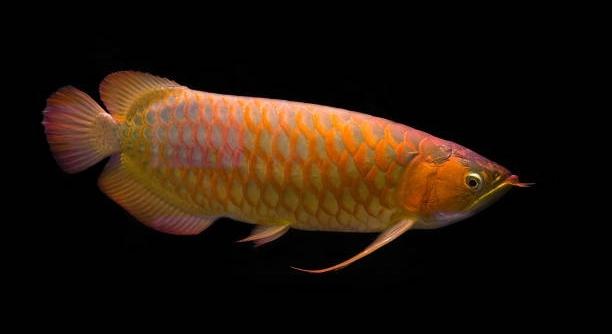
Is your arowana suddenly keeping its distance, swimming to the far corners of the tank and ignoring your presence? This sudden change in behavior can be confusing and even worrying for dedicated aquarium owners.
Arowanas may avoid their owners due to stress, illness, or changes in their environment. Factors such as water quality, tank temperature, feeding schedules, and sudden disturbances can significantly impact their comfort and sense of security.
Recognizing the underlying cause is essential for restoring trust and maintaining a healthy aquatic environment for your arowana. Taking timely action can prevent further stress and promote natural, confident behavior.
Understanding Arowana Behavior
Observing your arowana’s daily habits can reveal a lot about its well-being. These fish are naturally curious but cautious, often reacting to changes in their surroundings. A sudden avoidance of interaction may indicate discomfort, stress, or illness. Shifts in water temperature, pH levels, or tank placement can trigger these responses. Even minor disturbances, such as loud noises or frequent tapping on the glass, may make your arowana retreat. Feeding patterns also influence their behavior; irregular schedules or changes in diet can lead to hesitation around you. It’s important to monitor the tank closely, noting any unusual movements, erratic swimming, or loss of appetite. Maintaining a stable environment helps your arowana feel secure. Regular water testing, gentle handling, and consistent feeding routines build a sense of trust, encouraging your fish to return to its normal interactions. Patience and observation are key in understanding the signals your arowana gives daily.
Regular observation allows you to identify small changes before they escalate.
Tracking these patterns helps prevent stress and ensures the fish maintains a healthy, active life in its environment. Consistency and care foster confidence and stability, making interactions smoother.
Environmental Factors That Affect Interaction
Water quality plays a critical role in arowana behavior.
Poor water conditions, including high ammonia or nitrite levels, sudden temperature fluctuations, or inadequate filtration, can make your arowana anxious. A stable environment is essential for trust and normal behavior. Monitoring these conditions regularly prevents long-term stress and health issues.
Arowanas are highly sensitive to their surroundings. Even small changes in lighting, tank decorations, or placement within a room can affect their comfort level. Introducing new plants, ornaments, or even other fish can disrupt their routine. Overcrowding and insufficient swimming space may also contribute to avoidance. Regular maintenance of water parameters, careful observation, and minimal sudden changes help reduce stress. Feeding consistency is equally important; a balanced diet delivered at predictable times encourages your arowana to feel safe near you. Gradual adjustments to any changes, combined with patience, allow your fish to readjust without fear. Creating an environment that mirrors their natural habitat, with clean water, proper filtration, and enough space, supports physical health and promotes calm, approachable behavior. Proper care ensures your arowana will eventually regain confidence and interact naturally again.
Health Issues Causing Avoidance
Illness can make your arowana withdraw and act differently. Common signs include sluggish swimming, loss of appetite, or unusual spots. Identifying these early is essential to prevent more serious complications and ensure recovery.
Parasites, bacterial infections, and fungal growth can all impact an arowana’s willingness to interact. Changes in behavior are often the first visible signs that something is wrong. Regular observation and checking for physical symptoms, such as frayed fins, cloudy eyes, or bloating, can help you detect problems early. Prompt treatment, including water changes, medication, or consultation with a specialist, improves the chances of full recovery.
Stress from health issues often compounds avoidance behavior. Even minor ailments can reduce activity levels, making the fish appear distant or uninterested. Maintaining proper water quality, providing a balanced diet, and isolating sick fish when necessary minimizes stress and supports healing. Careful attention to behavior changes ensures that any health concerns are addressed before they worsen.
Feeding and Diet Considerations
Feeding routines influence how comfortable your arowana feels near you. Inconsistent schedules can make it hesitant to approach the tank during feeding times.
A balanced diet is crucial for both health and behavior. Arowanas require a variety of protein sources, including pellets, live or frozen fish, and insects. Sudden changes in diet may make your fish wary and less likely to interact. Offering food consistently at the same time each day helps the fish anticipate feeding and reduces anxiety. Overfeeding or underfeeding can also lead to behavioral changes, as excessive food may pollute the tank, while insufficient nutrition weakens the fish. Monitoring appetite, adjusting portion sizes, and ensuring a nutrient-rich diet supports both physical health and confidence around you, encouraging natural and interactive behavior.
Tank Size and Space
Arowanas need ample space to swim freely. A cramped tank can cause stress, making them avoid interaction. Ensuring enough room promotes natural behavior and reduces aggression or withdrawal.
Limited swimming areas and insufficient hiding spots may make the fish feel insecure. Providing a larger, well-arranged tank helps your arowana feel safe and more willing to approach.
Tank Companions
Aggressive or incompatible tank mates can make your arowana retreat. Conflicts over territory or food lead to avoidance behavior and increased stress.
Introducing new fish gradually and observing interactions is essential. Separating aggressive species prevents injuries and helps maintain a calm environment for your arowana.
Lighting and Environment
Harsh or inconsistent lighting can disturb your arowana’s comfort. Bright or flickering lights often make them hide or avoid the front of the tank. Adjusting light intensity and providing shaded areas encourages more natural, calm behavior.
Owner Interaction
Sudden movements or tapping on the glass can frighten your arowana. Gentle, predictable interaction fosters trust and reduces avoidance. Regular, calm presence helps the fish feel safe and comfortable around you.
FAQ
Why is my arowana suddenly hiding all the time?
Hiding behavior often indicates stress or discomfort. Poor water quality, sudden temperature changes, or overcrowding can make your arowana retreat. Providing clean water, stable conditions, and sufficient swimming space helps reduce anxiety. Observing tank conditions regularly ensures your fish feels secure and more willing to interact.
Can diet affect my arowana’s willingness to approach me?
Yes. Irregular feeding schedules or sudden changes in diet can make your arowana cautious. A balanced diet with consistent feeding times encourages confidence and natural interaction. Overfeeding can pollute water, while underfeeding weakens the fish. Monitoring portions and variety in food supports both health and behavior.
Could illness be the reason my arowana is avoiding me?
Illness is a common factor in withdrawal behavior. Signs include sluggish swimming, loss of appetite, frayed fins, or unusual spots. Prompt detection and treatment, such as water changes, medication, or professional advice, improve recovery. Addressing health issues early prevents further stress and encourages your fish to return to normal behavior.
Do tank mates influence arowana behavior?
Yes. Aggressive or incompatible tank mates can cause your arowana to hide or avoid interaction. Conflicts over territory or food increase stress. Gradual introductions and careful observation of interactions help maintain a calm environment. Separating aggressive species ensures the arowana feels safe and confident in its space.
Can lighting affect my arowana’s behavior?
Harsh, bright, or flickering lights can disturb your fish. Arowanas prefer stable, natural lighting that mimics their environment. Adjusting light intensity, using timers, and providing shaded areas allows your fish to feel comfortable, reducing avoidance and promoting calm, natural swimming patterns.
Does tank size matter for interaction?
Absolutely. Small tanks restrict movement and increase stress, making your arowana avoid interaction. Larger tanks with ample swimming space and proper decorations provide security and allow natural behavior. Ensuring enough room and hiding spots promotes confidence and improves the fish’s willingness to approach.
How do sudden movements from the owner affect my arowana?
Sudden taps on the glass or abrupt movements can frighten your fish. Consistent, gentle interaction builds trust over time. Approaching the tank calmly and avoiding loud noises helps your arowana feel safe, reducing hiding behavior and encouraging natural, confident interactions.
Can water quality changes make my arowana avoid me?
Yes. Shifts in pH, ammonia, or nitrite levels create stress. Even minor fluctuations can affect behavior. Regular testing, consistent water changes, and maintaining proper filtration help your arowana feel secure, supporting healthy behavior and interaction with you.
Is it normal for arowanas to be shy sometimes?
Arowanas naturally have cautious tendencies. Periods of shyness or hiding may occur, especially after environmental changes. Patience, stable conditions, and gentle interaction allow your fish to regain confidence while maintaining a calm, healthy environment.
How long does it take for a shy arowana to regain trust?
Recovery time varies based on the cause of avoidance. With consistent care, proper tank conditions, and minimal stress, most arowanas gradually become more interactive over days to weeks. Observing their comfort levels and avoiding sudden changes accelerates the process.
What should I do if my arowana continues avoiding me despite changes?
Persistent avoidance may indicate an underlying health issue or chronic stress. Consulting an aquatic specialist and reviewing tank setup, water quality, and diet ensures all factors are addressed. Implementing gradual improvements and monitoring behavior helps the fish regain confidence and approach naturally.
Are there behavioral signs that indicate improvement?
Yes. Increased swimming activity, interest in food, reduced hiding, and closer approaches to the front of the tank indicate progress. Small, consistent improvements show your arowana feels more comfortable and is regaining trust. Maintaining these conditions ensures continued positive behavior.
Can stress from transportation or relocation affect my arowana?
Transport or tank relocation often causes temporary stress. Your arowana may hide, refuse food, or avoid interaction. Providing a stable, familiar environment, consistent feeding, and quiet surroundings helps it adjust and return to normal behavior within days.
How does temperature influence arowana behavior?
Arowanas are sensitive to water temperature. Sudden drops or rises can cause lethargy and avoidance. Maintaining a stable temperature within the recommended range for your species supports comfort, promotes healthy activity, and encourages interaction.
Are there ways to encourage my arowana to interact more?
Yes. Consistency in feeding, gentle movements around the tank, proper lighting, and a clean, spacious environment encourage trust. Avoiding sudden changes and minimizing stressors allows your fish to feel safe, gradually increasing interaction and natural behavior.
Can boredom cause avoidance behavior?
Yes. Lack of stimulation or enrichment can lead to withdrawal. Adding safe decorations, hiding spots, and varied feeding techniques engages your arowana, reducing stress and promoting curiosity. A more enriched environment helps it approach you confidently.
How can I tell if my arowana’s avoidance is permanent?
Avoidance usually reflects stress, discomfort, or illness, not permanent behavior. With proper care, most arowanas regain confidence. Persistent, unchanging avoidance may signal chronic issues, which require careful review of health, environment, and diet to resolve effectively.
Does age affect how interactive an arowana is?
Younger arowanas may be more curious, while older fish can become cautious over time. Age-related changes in energy and behavior are normal. Maintaining consistent care, stable conditions, and gentle interaction encourages activity and comfort at any stage of life.
Are sudden loud noises a concern?
Yes. Loud or unexpected sounds can frighten your arowana, leading to hiding or avoidance. Keeping the environment calm and minimizing noise near the tank helps the fish feel safe, supporting normal interaction patterns.
Can decorations in the tank affect interaction?
Tank layout impacts comfort. Providing hiding spots and open swimming areas balances security with freedom. Avoid overcrowding or sharp objects, as these can increase stress. A well-organized environment encourages natural behavior and reduces avoidance tendencies.
How often should I monitor my arowana’s behavior?
Daily observation is recommended. Noting changes in swimming patterns, appetite, and interaction allows early detection of stress or health issues. Regular monitoring ensures timely intervention, promoting long-term well-being and confidence in your arowana.
Arowanas are sensitive, intelligent fish that show their comfort and stress through behavior. When your arowana suddenly starts avoiding you, it is usually a signal that something in its environment or health is affecting it. Many factors, such as water quality, tank size, diet, temperature, and companions, play a role in how confident and interactive your fish feels. Changes in these factors, even small ones, can make a normally curious arowana become hesitant, hiding in corners or staying away from the front of the tank. Understanding these behaviors as signals rather than permanent traits allows you to take meaningful action. Regular observation and careful attention to its routines, feeding habits, and swimming patterns help identify the source of stress early. By recognizing changes promptly, you can address issues before they escalate into more serious health or behavioral problems.
Maintaining a stable and comfortable environment is essential for an arowana’s well-being. Providing a clean tank with appropriate water parameters, enough space for swimming, and a consistent lighting schedule promotes natural, relaxed behavior. Balanced and predictable feeding routines are equally important, as they build trust and reduce anxiety. Ensuring that the tank has suitable hiding spots and decorations can help your arowana feel secure without feeling confined. Additionally, avoiding sudden loud noises, abrupt movements, or frequent tapping on the glass reduces fear and supports calm behavior. Even the choice of tank mates can influence interaction. Aggressive or overly active fish may stress your arowana, causing it to withdraw. Gradual introductions, careful observation, and separating incompatible species can maintain a peaceful environment that encourages the fish to be more interactive.
Patience and consistency are key when helping an arowana regain confidence and return to its normal behavior. Recovery from stress or illness can take days or even weeks, depending on the underlying causes. Observing small improvements, such as increased activity, willingness to approach during feeding, or exploring different areas of the tank, indicates progress. Regular care, proper diet, and maintaining stable tank conditions all contribute to reducing avoidance behavior. In cases where illness or persistent stress is suspected, consulting a professional or aquatic specialist ensures that any health concerns are addressed effectively. By focusing on the fish’s comfort, minimizing stressors, and maintaining consistent care, you create an environment that supports physical health and encourages interaction. Over time, your arowana can regain confidence, feel secure in its surroundings, and reestablish a more interactive and natural presence in the tank.

Hello,
If you enjoy the content that we create, please consider saying a "Thank You!" by leaving a tip.
Every little bit helps us continue crafting quality advice that supports the health, happiness, and well-being of pets around the world, for pets of all shapes, sizes, and species.
We really appreciate the kindness and support that you show us!