
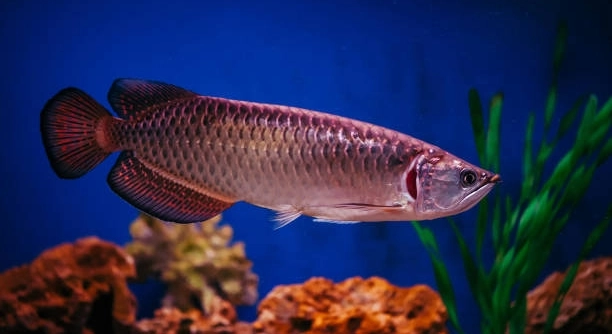
Have you ever noticed your arowana looking dull or behaving strangely, even though you feed it well and keep its tank clean?
Poor water quality management is one of the leading causes of stress, illness, and shortened lifespan in arowanas. When water parameters are inconsistent or improperly maintained, it disrupts their natural balance, weakens immunity, and promotes harmful bacterial growth.
Understanding the common water quality mistakes can help you maintain a healthier, more vibrant environment for your arowana to thrive in.
Mistake 1: Ignoring Ammonia and Nitrite Levels
Many arowana owners underestimate how dangerous ammonia and nitrite spikes can be. These toxic compounds often come from leftover food, waste, or decaying matter in the tank. Even small amounts can irritate your fish’s gills, making it difficult for them to breathe properly. Over time, constant exposure weakens their immune system and leads to infections or even death. Regularly testing your tank water and performing partial water changes are the most effective ways to keep these levels under control. Using a reliable filtration system also helps maintain stable, clean water conditions, protecting your arowana’s health.
When ammonia or nitrite levels rise, your arowana may become sluggish, lose appetite, or hover near the water’s surface. These are early signs that should never be ignored. Acting quickly to restore safe conditions can prevent long-term damage and keep your fish active and healthy.
Consistent testing and timely water changes build the foundation for your arowana’s wellbeing. Monitoring these levels not only prevents harm but also helps you understand how your tank responds to feeding, filtration, and maintenance habits. Taking small, steady steps in this area will make a noticeable difference in your fish’s overall vitality and appearance.
Mistake 2: Overlooking pH Stability
Arowanas thrive in slightly acidic to neutral water, but their tolerance for sudden pH changes is very low. Frequent shifts, even minor ones, can cause stress, reduce appetite, and affect their scales and color over time. Maintaining a stable pH ensures a balanced and comfortable habitat.
Fluctuations often come from overcleaning, untreated tap water, or inconsistent use of chemicals. To prevent this, always test your water before and after changes, and use conditioners to neutralize chlorine and stabilize pH. Avoid making large adjustments at once; gradual correction is safer for your fish. Natural elements like driftwood or peat moss can help maintain gentle acidity without shock. Establishing a consistent maintenance schedule keeps the environment steady and predictable. Stability gives your arowana confidence to eat, swim, and grow comfortably, reducing stress and enhancing its natural colors. A calm, balanced environment will always show in your fish’s health and beauty.
Mistake 3: Infrequent Water Changes
Skipping or delaying water changes leads to toxin buildup, making the environment unsafe for your arowana. Even with a good filter, harmful compounds like nitrates can accumulate over time and affect your fish’s health and overall behavior.
Performing regular partial water changes helps dilute waste, remove debris, and restore mineral balance in the tank. Replacing about 20–30% of the water every week is ideal for most setups. Always use dechlorinated water that matches the tank’s temperature to avoid shocking your fish. Consistency is key—irregular maintenance causes sudden shifts in parameters that can harm your arowana’s immune system and stress levels.
Maintaining a routine not only ensures better water quality but also gives you a chance to inspect your fish and equipment. Spotting issues early—like filter clogs or unusual behavior—helps prevent bigger problems later. A clean and stable environment supports your arowana’s growth, color, and longevity.
Mistake 4: Overfeeding
Overfeeding creates excess waste, which quickly pollutes the tank and alters water chemistry. Uneaten food breaks down into ammonia and nitrates, stressing your arowana and straining the filtration system. Feeding smaller portions more carefully prevents this buildup and keeps the water clear.
Feeding should be moderate and based on your fish’s size, age, and activity level. Adult arowanas typically need feeding once or twice daily with a portion they can finish in a few minutes. Rotate between pellets, insects, and occasional treats to balance nutrition. Remove any uneaten food after feeding to maintain cleanliness. It’s tempting to feed often, but restraint benefits your fish more in the long run. Proper feeding not only preserves water quality but also promotes efficient digestion and natural behavior. A simple feeding routine makes a huge difference in keeping your arowana thriving in a stable, healthy tank.
Mistake 5: Neglecting Filter Maintenance
A dirty or clogged filter can quickly lead to poor water circulation and waste buildup. When the filter isn’t working efficiently, harmful toxins increase, and oxygen levels drop, putting unnecessary stress on your arowana. Regular cleaning ensures consistent flow and proper biological balance.
Cleaning the filter media too aggressively can remove beneficial bacteria that help break down waste. Rinse filter components gently in tank water, not tap water, to preserve these bacteria. Consistent maintenance keeps the system running smoothly and your water clear and safe for your arowana.
Mistake 6: Ignoring Water Temperature
Temperature fluctuations can cause major stress for arowanas, affecting their metabolism and immune response. They prefer stable, warm water between 26°C and 30°C. Using a reliable heater and thermometer helps maintain this range. Sudden drops or rises can quickly lead to illness or sluggish behavior, so stability is essential.
Mistake 7: Using Untreated Tap Water
Adding untreated tap water introduces chlorine, chloramine, and heavy metals that can harm your arowana instantly. Always use a quality water conditioner to neutralize these chemicals before adding new water to the tank. This small step prevents irritation and protects your fish’s gills and overall health.
FAQ
How often should I test my arowana’s water?
Testing water weekly is ideal to ensure ammonia, nitrite, nitrate, and pH levels remain within safe ranges. Frequent testing allows early detection of issues and prevents stress or illness. Using reliable test kits helps you track changes and adjust care accordingly.
What is the best way to perform water changes?
Perform partial water changes of 20–30% weekly. Always match the temperature and treat tap water with a conditioner to remove chlorine and chloramine. Replace the water slowly to avoid shocking your arowana. Routine changes keep water clear and toxins low.
How can I prevent ammonia spikes?
Ammonia spikes occur from leftover food, overfeeding, or poor filtration. Feed only what your fish can finish in a few minutes, clean uneaten food promptly, and maintain a healthy filter. Regular testing helps catch small spikes before they harm your arowana.
Is it okay to mix different fish species with arowanas?
Arowanas are aggressive and territorial, so mixing species requires caution. Smaller or less aggressive fish may become stressed or injured. If you choose tank mates, select similarly sized, non-aggressive species and provide plenty of space and hiding areas.
How important is water temperature for arowanas?
Temperature directly affects metabolism, digestion, and immunity. Maintain a stable range of 26°C–30°C using a reliable heater and thermometer. Sudden changes can weaken their immune system, reduce appetite, and increase susceptibility to disease.
Can overfeeding affect water quality?
Yes. Excess food decomposes into ammonia and nitrate, polluting the tank and stressing your arowana. Feed smaller portions, remove leftovers, and maintain a consistent feeding schedule. Proper feeding prevents water contamination and supports healthy digestion and growth.
How do I maintain pH stability?
Use a reliable pH test kit to monitor water regularly. Avoid rapid adjustments, and consider natural stabilizers like driftwood or peat moss to maintain slight acidity. Gradual changes reduce stress and keep your arowana comfortable.
When should I clean the filter?
Clean the filter every 2–4 weeks, depending on tank size and bioload. Rinse media gently in tank water to preserve beneficial bacteria. Avoid harsh scrubbing or tap water, which can kill helpful bacteria and disrupt the biological balance.
What are signs of poor water quality?
Signs include lethargy, loss of appetite, abnormal swimming, gasping at the surface, or faded colors. Observing these early allows corrective action before severe damage occurs. Regular monitoring and maintenance prevent these issues from becoming serious.
Are water conditioners necessary for every change?
Yes. Tap water contains chlorine, chloramine, and sometimes heavy metals, which are harmful to arowanas. Using a quality water conditioner ensures new water is safe, protects gills, and maintains overall health. Always treat water before adding it to the tank.
Can I use natural water sources instead of tap water?
Natural water can contain unknown bacteria, parasites, or toxins. Tap water treated with a conditioner is safer and more consistent. If using natural water, it must be thoroughly tested and treated to prevent introducing harmful substances into your tank.
How do I recover water quality quickly after a problem?
Identify the source—overfeeding, filter failure, or chemical imbalance—and take immediate action. Perform a partial water change, clean the filter, and test water parameters. Adjust gradually, and monitor your arowana for stress signs. Swift intervention prevents lasting harm.
Is it safe to add chemicals to control algae?
Chemical treatments can harm your arowana if not used carefully. Focus on prevention through proper feeding, lighting, and water changes. If necessary, choose fish-safe products and follow instructions exactly. Overuse can damage gills and disrupt water chemistry.
How does tank size affect water quality?
Smaller tanks accumulate waste faster, making water quality more difficult to maintain. Larger tanks dilute toxins more effectively and offer stable conditions. Regardless of size, regular maintenance and monitoring are essential for arowana health.
What is the most common water quality mistake?
Neglecting ammonia, nitrite, and nitrate levels is a frequent mistake. Even experienced owners sometimes miss early spikes. Consistent testing, water changes, and proper filtration prevent these common problems and protect your arowana from stress and illness.
How long does it take to stabilize a new tank for arowanas?
A new tank typically takes 4–6 weeks to establish biological balance. Beneficial bacteria need time to process waste efficiently. During this period, frequent testing, smaller feedings, and partial water changes help create a safe and healthy environment.
Can arowanas tolerate tap water without treatment?
No. Untreated tap water contains chlorine, chloramine, and metals that can damage gills and cause stress. Always use a water conditioner to neutralize harmful chemicals before adding water to the tank. Consistent treatment ensures safety and stability.
How do I prevent sudden changes in water chemistry?
Avoid abrupt water changes, temperature shifts, or chemical adjustments. Make gradual corrections, monitor parameters, and maintain a stable feeding and cleaning routine. Steady conditions reduce stress and support your arowana’s long-term health and color vibrancy.
What is the safest way to introduce new fish?
Quarantine new fish for 2–3 weeks to check for disease before adding them to your arowana tank. This prevents introducing parasites or bacteria that can compromise water quality and harm your main fish. Monitor quarantined fish carefully during this period.
How can I make routine maintenance easier?
Set a consistent schedule for testing, partial water changes, and filter checks. Keep tools like siphons, buckets, and test kits handy. Smaller, frequent tasks prevent major water issues and reduce stress for both you and your arowana.
Final Thoughts
Maintaining good water quality is essential for keeping an arowana healthy and vibrant. These fish are sensitive to changes in their environment, and even small mistakes can quickly lead to stress or illness. Paying attention to ammonia, nitrite, nitrate, pH, and temperature creates a safe habitat where your arowana can thrive. Regular testing and monitoring allow you to spot problems early before they affect your fish’s health. Simple habits like weekly water changes, careful feeding, and proper filter maintenance make a significant difference over time. Each step contributes to a stable, balanced tank that supports your arowana’s natural behavior and coloration. By treating water quality as a priority rather than a minor task, you ensure that your fish lives longer, grows stronger, and remains visually striking. Consistency is more important than perfection; small, steady efforts prevent large, costly problems down the line.
Overfeeding and neglecting tank maintenance are among the most common mistakes that harm arowanas. Uneaten food and waste can rapidly pollute the water, leading to spikes in toxins that stress your fish. Similarly, ignoring filter maintenance or using untreated water introduces harmful substances and disrupts biological balance. Following a straightforward routine prevents these issues from building up. Keeping the tank clean and stable is not just about appearance—it directly impacts your arowana’s immune system, energy levels, and appetite. Even minor lapses, like sudden pH changes or fluctuating temperatures, can have lasting effects. Staying vigilant and proactive with these aspects ensures your arowana remains healthy and energetic. Attention to detail in these areas is the foundation of responsible fish care, making a noticeable difference in both short-term and long-term wellbeing.
Investing time and effort in water quality management also reduces stress for you as the owner. When the tank environment is stable, you spend less time troubleshooting sudden illnesses or behavioral issues. Arowanas become more active, display natural swimming patterns, and feed more consistently in well-maintained water. Maintaining the right water parameters creates a predictable environment that benefits both fish and caretaker. It’s important to understand that mistakes happen, but learning from them and establishing a proper routine will improve outcomes significantly. By prioritizing water quality and following a consistent schedule of testing, water changes, and careful feeding, you create a thriving habitat for your arowana. This approach promotes longevity, resilience, and vibrant health, ensuring that your arowana not only survives but truly flourishes in its home.

Hello,
If you enjoy the content that we create, please consider saying a "Thank You!" by leaving a tip.
Every little bit helps us continue crafting quality advice that supports the health, happiness, and well-being of pets around the world, for pets of all shapes, sizes, and species.
We really appreciate the kindness and support that you show us!