
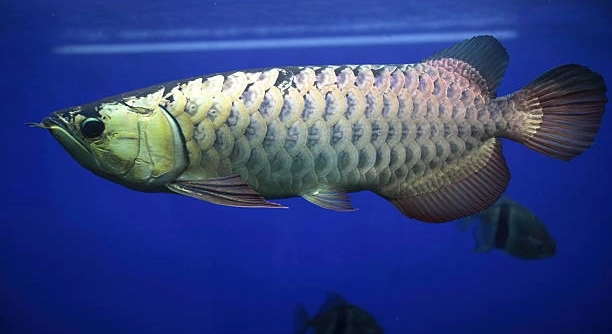
Arowanas are fascinating and elegant fish that often capture the attention of aquarium enthusiasts. Their shimmering scales and graceful movements make them a standout in any tank, creating a sense of calm and beauty in home aquariums.
Arowanas can indeed become startled by reflections. These fish have highly developed vision and interpret sudden changes or mirrored images as potential threats, triggering a natural startle or avoidance response to protect themselves from perceived danger.
Observing how arowanas react to reflections can help ensure a safe and comfortable environment. Proper placement of decor and careful lighting management supports their well-being and reduces stress.
Why Reflections Affect Arowanas
Arowanas have sharp eyesight and are highly sensitive to visual stimuli. When they see reflections in their tank, they may interpret them as other fish invading their territory. This reaction can lead to sudden movements, flaring of fins, or hiding behind decorations. Over time, repeated exposure to strong reflections may cause stress, affecting their appetite and overall health. Bright lights and mirrored surfaces intensify these reactions, making the fish more likely to display defensive behavior. Small changes in tank lighting or the placement of objects can help minimize startling events. Understanding their natural instincts allows owners to create an environment that feels secure for the fish. Avoiding constant reflections, especially from windows or shiny decorations, can reduce stress levels. Arowanas respond best to calm, consistent surroundings where visual disruptions are limited. This ensures they maintain their graceful swimming patterns and vibrant coloration. Creating a stable environment supports both their physical and psychological well-being.
Preventing reflections helps arowanas feel more secure in their habitat. Proper tank management reduces sudden stress reactions.
Observation and minor adjustments in tank setup can make a significant difference. Covering reflective surfaces or adjusting light angles reduces startling responses. Over time, the fish become calmer and more confident in their environment. Stress from reflections can impact immune health and feeding habits, so creating a stable environment is essential. Providing hiding spots and avoiding sudden changes further supports their comfort. Arowanas thrive when visual disturbances are minimized, allowing them to display natural swimming behavior and interact peacefully with their surroundings. Consistency in tank conditions ensures long-term health and enhances their natural beauty, making their care simpler and more rewarding. Paying attention to these factors improves both the fish’s well-being and the overall tank atmosphere.
How to Reduce Startle Responses
Limiting mirrors and strong lighting reduces arowanas’ startle reactions. Simple adjustments can create a calmer environment.
Tank design plays a key role in minimizing reflections. Positioning the aquarium away from direct sunlight and reflective surfaces can prevent sudden flashes that might startle the fish. Using matte backgrounds or plants can break up reflections, making the space feel less threatening. Light sources should be diffused and consistent to avoid abrupt changes. Observing the fish’s behavior helps identify areas that trigger stress, allowing targeted adjustments. Additionally, maintaining stable water conditions supports overall health, reducing vulnerability to stress. By combining careful tank placement, strategic decoration, and controlled lighting, arowanas can enjoy a safer, more comfortable habitat. These measures allow the fish to swim naturally without constant defensive reactions, promoting both physical and mental well-being. The calmer environment also encourages better feeding behavior and reduces long-term stress-related health issues. Consistency, observation, and thoughtful adjustments are key to maintaining a stress-free aquarium for arowanas.
Signs Your Arowana is Startled
Sudden darting movements, flared fins, or frequent hiding can indicate your arowana is startled. These behaviors often occur in response to reflections, sudden lights, or unexpected movements near the tank, signaling stress or discomfort in their environment.
Repeated startle responses can affect an arowana’s health. Stress from constant visual disruptions may reduce appetite, weaken the immune system, and lead to slower growth. Fish may spend more time hiding, avoiding open areas of the tank, which limits exercise and natural swimming patterns. Noticing these behaviors early allows you to make simple adjustments, like moving reflective objects, adding plants, or adjusting lighting. Creating a consistent and calm environment helps the fish regain confidence and reduces stress over time.
Monitoring your arowana daily can reveal patterns in startle behavior. Observing when and where reactions occur allows targeted changes in tank setup. Adjusting decorations, backgrounds, or lighting can minimize visual disturbances. Providing sufficient hiding spaces and maintaining stable water conditions supports overall well-being. A calm environment encourages natural behavior, improved feeding, and reduces stress-related health risks, keeping your arowana active, healthy, and displaying vibrant colors consistently.
Managing Reflections in the Tank
Positioning the aquarium away from mirrors, windows, and shiny surfaces can drastically reduce startling events. Simple changes create a calmer environment for your arowana.
Reflections often trigger defensive reactions because arowanas mistake them for intruders. Using matte backgrounds or plants breaks up reflective surfaces, preventing unnecessary stress. Adjusting light angles and diffusing strong lights further reduces sudden flashes that can startle the fish. Decorations placed strategically provide hiding spots and visual barriers, helping the fish feel secure. Observing your arowana’s behavior helps identify problematic areas in the tank. Small, thoughtful changes in layout and lighting can lead to calmer, more natural swimming patterns. Maintaining consistent water quality alongside visual adjustments ensures overall well-being. These steps collectively create a safer, stress-free environment, allowing your arowana to thrive without constant startle reactions.
Common Triggers of Startle Responses
Reflections from glass, sudden light changes, and nearby movement are frequent triggers for arowanas. These stimuli can make them dart, flare fins, or hide, indicating a stress response that may affect their overall comfort.
Even minor reflections can provoke reactions. Moving objects or shadows outside the tank can create repeated disturbances. Limiting these triggers helps maintain a calm environment, allowing the arowana to swim naturally without unnecessary stress.
Creating a Safe Tank Environment
Providing plants, rocks, or other decorations breaks up visual space and limits sudden reflections. Proper tank arrangement ensures the arowana has areas to hide and reduces stress. Consistent lighting and avoiding reflective surfaces further support their well-being. A stable, thoughtfully arranged tank promotes natural behavior and healthier fish.
Observing Long-Term Behavior
Tracking your arowana’s responses over time helps identify stress patterns. Consistent observation ensures a healthier and calmer fish.
FAQ
Can arowanas see their own reflection clearly?
Arowanas have excellent vision and can detect reflections clearly. They may interpret mirrored images as another fish invading their territory. This triggers defensive or startled reactions, especially when the reflection moves or appears suddenly. Bright lighting or glossy surfaces make reflections more noticeable.
Why does my arowana dart at the glass?
Darting at the glass often occurs when a reflection or movement is perceived as a threat. This behavior is natural but can become stressful if frequent. Adjusting lighting, covering reflective surfaces, and repositioning the tank can reduce these reactions.
Do reflections stress arowanas long-term?
Yes, repeated exposure to reflections can cause prolonged stress. Chronic stress affects appetite, immune function, and growth. Fish may spend more time hiding, limiting exercise and natural swimming patterns. Creating a calm, consistent environment helps prevent long-term health issues.
Are some arowanas more sensitive than others?
Individual fish vary in sensitivity. Some react strongly to minor reflections or light changes, while others remain calm. Observing your arowana helps you understand its tolerance levels and make tank adjustments accordingly. Sensitivity can also relate to age, size, or prior experiences.
What are the best ways to minimize startle responses?
Use matte backgrounds, plants, or decorations to break up reflections. Avoid placing the tank near windows or mirrors. Diffuse lighting and maintain stable water conditions. Providing hiding spots ensures the fish has a sense of security. Small, consistent changes are most effective.
Can stress from reflections affect feeding habits?
Stress may reduce appetite or cause irregular feeding behavior. Fish that feel threatened often retreat or refuse food. Reducing reflections, maintaining calm lighting, and providing safe areas encourages consistent feeding and supports proper growth.
Do arowanas ever get used to reflections?
Some fish may gradually become accustomed to certain reflections, but this depends on individual temperament. Limiting exposure initially and providing a secure environment encourages them to feel safer. Gradual adjustments are preferable to sudden changes in tank setup.
Are reflections the only cause of startle behavior?
No, other triggers include sudden noises, movement outside the tank, or water disturbances. Reflections are a common but not exclusive source. Understanding all environmental factors helps manage stress and supports the arowana’s overall well-being.
Can adding plants really make a difference?
Yes, plants and decorations provide visual barriers, hiding spots, and break up reflective surfaces. They create a more natural and secure environment, reducing stress and allowing the fish to exhibit normal swimming and feeding behavior without constant disturbances.
How often should I monitor my arowana’s behavior?
Daily observation is ideal. Watch for sudden darting, flared fins, or hiding patterns. Tracking these behaviors helps identify triggers early, allowing for timely adjustments in lighting, decorations, or tank placement to maintain a calm environment.
Is there a risk of injury from startle reactions?
Frequent darting or collisions with tank walls can lead to minor injuries. Reducing reflections, adding soft decorations, and providing ample swimming space helps prevent harm and keeps the fish safe while maintaining natural behavior.
Do arowanas respond differently at night?
Arowanas are less active at night, but sudden light changes or reflections from external sources can still startle them. Keeping lighting consistent and minimizing external disturbances helps maintain calm behavior during all periods.
Can reflections affect breeding behavior?
Stress from repeated visual disturbances may interfere with breeding readiness. Calm, secure tanks with minimal reflections provide a better environment for mating behaviors and support reproductive health in both male and female arowanas.
What is the simplest first step to reduce reflection stress?
Start by observing where reflections occur and covering shiny surfaces or repositioning the tank. Small, visible changes often have immediate effects, helping the fish feel more secure and reducing startle responses significantly.
How do I know if my arowana is adapting well?
Signs of adaptation include calmer swimming, consistent feeding, and reduced hiding. If darting and flaring decrease over time, the fish is becoming comfortable with its surroundings and experiencing less stress from visual stimuli.
Final Thoughts
Arowanas are sensitive fish that rely heavily on their vision to navigate their environment. Their sharp eyesight makes them aware of sudden movements and reflections, which can trigger startle responses. These reactions are natural, as arowanas interpret unfamiliar images or flashes as potential threats. When reflections occur frequently in a tank, they can become a source of stress. This stress may cause the fish to hide, dart, or flare its fins, which can affect its overall health. Creating a safe and stable environment is important for their well-being. Simple measures, such as adjusting lighting, covering reflective surfaces, or adding decorations, can significantly reduce these startle responses. Observing the fish daily helps identify the triggers and allows timely adjustments to prevent prolonged stress. Ensuring the arowana feels secure supports natural swimming patterns and promotes a calmer behavior overall.
Maintaining consistent tank conditions is equally important. Water quality, temperature, and filtration all contribute to the fish’s health and ability to handle environmental stressors. Stress caused by reflections can be compounded if the water conditions are not stable, leading to reduced appetite, slower growth, or weakened immune function. Providing hiding spots such as plants, rocks, or other tank decorations helps the arowana feel safe and reduces the impact of visual disturbances. Arranging the tank thoughtfully to create areas where reflections are minimized encourages the fish to swim confidently and display normal behaviors. Over time, the combination of stable water, appropriate decorations, and limited visual disturbances helps the arowana adapt to its environment and reduces unnecessary stress. Attention to these factors is a key aspect of responsible fishkeeping and promotes long-term health and vitality in the fish.
Observing and adjusting the tank for arowanas requires patience and consistency. Each fish is unique and may respond differently to reflections or other stressors, so careful monitoring is necessary. Regular observation allows you to identify patterns in behavior, such as when darting or hiding occurs most often, and implement targeted changes to the tank setup. By reducing reflections, adjusting lighting, and providing secure hiding spaces, arowanas can maintain a calm and healthy lifestyle. These measures not only improve the fish’s comfort but also encourage natural swimming and feeding habits. Over time, a calmer environment leads to stronger health, vibrant coloration, and a more confident fish. Consistency, careful observation, and thoughtful tank management are essential for ensuring that arowanas can thrive, feel secure, and display their full natural beauty without unnecessary stress from reflections or sudden disturbances.

Hello,
If you enjoy the content that we create, please consider saying a "Thank You!" by leaving a tip.
Every little bit helps us continue crafting quality advice that supports the health, happiness, and well-being of pets around the world, for pets of all shapes, sizes, and species.
We really appreciate the kindness and support that you show us!