
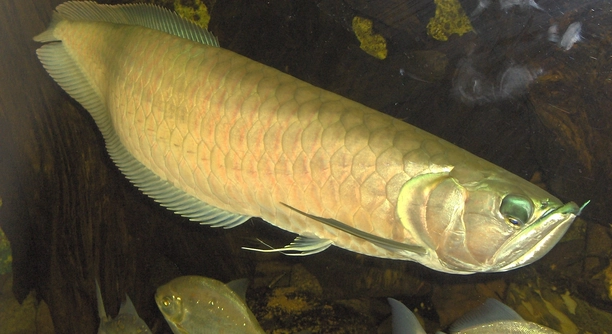
Observing Arowana can be rewarding, but these fish are sensitive and easily stressed. Watching them calmly ensures they remain healthy while still allowing you to enjoy their natural beauty and unique behavior in your tank.
To observe Arowana without causing stress, it is essential to minimize sudden movements, reduce loud noises, provide adequate hiding spaces, maintain consistent lighting, avoid overcrowding, and limit direct interaction. These measures support their well-being and natural behavior.
Following these guidelines will help you maintain a serene aquarium environment while appreciating your Arowana’s elegance and activity without compromising their health or comfort.
Limit Sudden Movements Around the Tank
Arowana are easily startled by abrupt movements, which can cause stress and impact their health. Approaching the tank slowly and moving calmly helps maintain a stable environment. Even simple gestures, like reaching for decorations or cleaning tools, should be done deliberately. Sudden hand movements or leaning over the tank quickly can trigger fear responses, causing the fish to dart or hide. Over time, repeated stress may affect their appetite, growth, and immune system. Observing them quietly from a short distance allows you to see their natural behavior without interruption. Positioning yourself at eye level with the tank and avoiding rapid movements ensures that the fish remain calm. This also encourages more consistent swimming patterns, making it easier to monitor their health. Small, mindful actions maintain harmony in the aquarium and strengthen your ability to care for them effectively.
Even small, slow movements prevent unnecessary stress and create a peaceful environment for your Arowana.
Consistency in your movements builds trust with the fish, allowing them to display natural behaviors like exploring and interacting with their environment, making observation more enjoyable and safe for both you and the Arowana.
Provide Hiding Spaces
Offering hiding spots is important for reducing stress and promoting a secure environment for Arowana.
Arowana feel more comfortable when they have places to retreat. Large rocks, driftwood, or dense plant arrangements give them shelter. These spaces let the fish rest, hide from perceived threats, and reduce aggressive interactions with tank mates. When setting up hiding spots, ensure they are stable and won’t collapse, as sudden shifts can frighten the fish. Avoid overcrowding the tank with too many decorations, as this can restrict swimming space. Providing varied hiding options at different heights and corners of the aquarium allows the fish to choose where they feel safest. This promotes natural behavior, including foraging and exploring, without causing stress. A well-structured environment also helps maintain territorial balance, as each fish can claim its preferred area without conflict. Overall, carefully arranged hiding spots support both physical and mental well-being, improving the overall health and longevity of your Arowana.
Maintain Consistent Lighting
Consistent lighting helps Arowana regulate their natural behavior and reduces stress. Sudden changes in brightness can startle them and affect their circadian rhythm, making them less active and more anxious.
Using a timer ensures the aquarium lights turn on and off at the same times each day. Gradual dimming options or soft LED lights can simulate natural dawn and dusk conditions, giving the fish a comfortable transition between light and dark. Avoid placing the tank near windows with fluctuating sunlight, as this can create unpredictable shadows and temperature shifts, increasing stress. Regular lighting schedules also support plant growth, which benefits the overall ecosystem and water quality. By keeping lighting consistent, you help your Arowana remain calm, maintain normal swimming patterns, and support their feeding habits without introducing unnecessary disturbances.
Stable lighting conditions also enhance viewing, allowing the fish’s natural colors and movements to be observed more clearly without interruptions from sudden flashes or glare.
Avoid Overcrowding
Overcrowding increases competition and stress, negatively affecting Arowana health. Limiting the number of fish ensures adequate space for swimming and personal territory.
Each Arowana requires sufficient space to move freely and display natural behaviors. Overcrowded tanks lead to aggressive encounters, increased waste, and difficulty maintaining water quality. Providing a large enough tank and spacing tank mates appropriately reduces tension and promotes calmer interactions. Separate larger or territorial fish if necessary, as close proximity can lead to injury or stress-related illness. Monitoring population density regularly and adjusting tank inhabitants helps maintain balance. Proper filtration and regular water changes support a healthy environment for multiple fish without causing overcrowding issues. Avoid adding too many decorations that reduce swimming space, as the fish need both open areas and hiding spots to feel secure and relaxed.
Ensuring enough room allows each fish to thrive physically and mentally, minimizing aggressive behavior and supporting consistent feeding, growth, and overall well-being.
Limit Direct Interaction
Frequent tapping or reaching into the tank can alarm Arowana. Minimizing direct contact helps them remain calm and reduces the risk of injury or stress.
Watching quietly from outside the tank encourages natural behavior and maintains a safe environment. Avoid pressing hands against the glass or startling them with sudden movements.
Maintain Water Quality
Clean, well-filtered water is essential for Arowana health. Poor water conditions lead to stress, disease, and reduced activity. Regular testing for ammonia, nitrite, nitrate, and pH levels ensures a stable environment. Performing consistent water changes and monitoring filtration systems helps maintain clarity and optimal chemical balance. Temperature should remain steady within the species’ preferred range to prevent shock. Remove uneaten food and debris promptly to reduce bacterial growth. A clean tank promotes natural behavior, allowing Arowana to swim and feed without disruption. Providing high-quality water also supports immune function, color vibrancy, and overall vitality, making observation more enjoyable and stress-free.
Avoid Loud Noises
Arowana are sensitive to vibrations and loud sounds. Keeping the environment quiet prevents unnecessary stress.
FAQ
How often should I check on my Arowana?
Checking on Arowana once or twice a day is sufficient. Frequent observation can stress them, but occasional monitoring helps ensure they are healthy, eating properly, and swimming normally. Quick visual checks allow you to notice changes in behavior or appearance without disturbing their environment.
Can I feed Arowana while observing them?
Feeding while watching should be done calmly. Sudden movements or splashing can frighten them. Offer food slowly and allow the fish to approach naturally. Avoid overfeeding, as leftover food can pollute the water, stressing the fish and impacting overall tank health.
What is the best way to clean the tank without stressing Arowana?
Partial water changes are recommended. Remove only 20–30% of the water at a time and use a siphon gently to avoid creating strong currents. Clean decorations and filters gradually, minimizing sudden disturbances to the fish’s territory. Maintaining stable water parameters reduces stress.
Are Arowana sensitive to lighting changes?
Yes, abrupt lighting changes can startle Arowana. Keep a consistent lighting schedule using timers and soft LED lights. Gradual transitions between day and night conditions help regulate their natural behavior, activity levels, and feeding patterns while reducing stress.
How important is hiding space for Arowana?
Hiding spaces are critical for reducing stress. Providing rocks, driftwood, or plants gives them secure areas to retreat, rest, or explore without feeling threatened. Avoid overcrowding the tank with decorations to ensure enough swimming space alongside these hiding spots.
Can loud noises harm my Arowana?
Loud noises and vibrations can stress Arowana significantly. Keep the aquarium in a quiet area and avoid tapping on the glass or sudden sounds. Minimizing environmental disturbances allows the fish to maintain calm and natural behaviors.
Is it okay to keep multiple Arowana together?
Multiple Arowana can coexist if the tank is spacious enough. Overcrowding leads to aggression and stress. Ensure each fish has adequate swimming space, hiding spots, and monitor interactions to prevent injuries. Proper filtration and water management are essential in shared tanks.
How do I tell if my Arowana is stressed?
Signs of stress include rapid swimming, hiding, loss of appetite, and faded colors. Observing these behaviors early allows for adjustments in tank conditions, feeding, or lighting. Prompt action helps restore calm and supports long-term health.
Can I touch my Arowana during observation?
Direct handling should be avoided unless necessary. Touching or tapping the tank can alarm the fish. Using tools for maintenance instead of hands preserves a stress-free environment and reduces the risk of injury.
What role does water temperature play in Arowana stress?
Stable water temperature is crucial. Sudden fluctuations can shock Arowana, causing stress or illness. Maintain species-appropriate temperatures and monitor daily with reliable thermometers. Gradual adjustments are safer than abrupt changes.
How can I encourage natural behavior without stressing them?
Provide a stable environment with proper lighting, clean water, hiding spots, and minimal disturbance. Feed calmly and observe quietly, allowing the fish to swim, explore, and interact naturally without interference. Consistency promotes a healthy and active fish.
Do Arowana react to reflections or mirrors?
Reflections may confuse or stress them, especially in small tanks. Avoid placing mirrors near the aquarium. If used for enrichment, monitor the fish’s reaction and remove mirrors if aggressive or anxious behavior occurs.
How long should I observe them each day?
Short, calm observation sessions of 10–15 minutes are sufficient. Extended watching or leaning over the tank constantly can increase stress levels. Brief checks allow you to enjoy their presence without disrupting their routine.
Is tank placement important for stress reduction?
Yes, place the tank away from high-traffic areas, loud appliances, and direct sunlight. A stable and quiet location reduces stress triggers and creates a predictable environment where Arowana feel secure.
Can stress affect Arowana growth?
Chronic stress impacts appetite, immune function, and overall growth. Maintaining calm surroundings, clean water, and consistent care promotes healthy development and reduces the likelihood of illness.
How do I safely introduce new tank mates?
Introduce new fish gradually, using separate compartments initially to observe reactions. Monitor interactions closely to prevent aggression. Proper acclimation and sufficient space reduce stress for both existing Arowana and newcomers.
Are Arowana more active at specific times of day?
Arowana typically follow a day-night cycle. Consistent lighting helps regulate activity patterns. Observing during peak activity periods allows natural behaviors to be seen without causing unnecessary disturbance.
What should I do if my Arowana shows signs of prolonged stress?
Evaluate tank conditions, water quality, and environmental factors immediately. Adjust lighting, reduce disturbances, ensure hiding spots, and check temperature stability. Consulting a specialist may be necessary if stress persists despite environmental improvements.
Can I use decorations for enrichment without stressing them?
Yes, thoughtful placement of rocks, driftwood, or plants can encourage exploration. Avoid sudden changes or overcrowding, which may increase stress. Provide open swimming areas alongside hiding spots to balance security with freedom.
Does feeding schedule impact stress levels?
Regular feeding at consistent times reduces anxiety. Erratic feeding can cause competition or anticipation stress. Offer appropriate portions and observe eating habits to maintain calm and predictable routines for your Arowana.
How do I monitor water quality effectively?
Use test kits to regularly check ammonia, nitrite, nitrate, and pH levels. Consistent partial water changes and proper filtration ensure stable conditions, reducing stress and supporting overall fish health.
Observing Arowana can be a rewarding experience when done carefully and thoughtfully. These fish are sensitive and can become stressed easily if their environment is not managed properly. Maintaining a calm and consistent atmosphere around the tank is crucial. Slow movements, minimal noise, and avoiding sudden changes in lighting or water conditions all help the fish feel secure. Over time, a peaceful environment allows Arowana to display natural behaviors like swimming, exploring, and interacting with their surroundings. Stress not only affects their activity levels but can also impact appetite, immune function, and long-term health. By creating a stable, quiet, and predictable setting, you support both the physical and emotional well-being of your fish while enjoying their natural elegance.
Providing adequate space and hiding spots is also essential. Arowana are territorial and require areas where they can retreat if they feel threatened. Rocks, driftwood, and plants placed thoughtfully in the tank offer security without overcrowding. Overcrowding can lead to aggressive behavior, limited swimming space, and increased stress levels. Regular water maintenance and monitoring also contribute to a calm environment. Clean, filtered water with consistent parameters ensures that the fish remain healthy and comfortable. Feeding should be done carefully and on a regular schedule, as irregular feeding or sudden disturbances during mealtime can increase stress. Each of these measures works together to create a habitat where Arowana can thrive physically and mentally.
Consistency in care is one of the most important factors in observing Arowana without causing stress. A predictable daily routine, including lighting, feeding, and tank maintenance, helps the fish adjust and feel secure. Limiting direct interaction, avoiding loud noises, and monitoring water quality are all key practices to maintain a healthy and calm environment. Gradually introducing new tank mates or decorations minimizes disturbances and helps the fish adapt without fear. By combining these strategies, you can observe the fish’s natural beauty and behavior without compromising their well-being. Arowana are active, intelligent, and elegant, and giving them a stable environment allows you to enjoy them fully while supporting their long-term health and happiness in your care.

Hello,
If you enjoy the content that we create, please consider saying a "Thank You!" by leaving a tip.
Every little bit helps us continue crafting quality advice that supports the health, happiness, and well-being of pets around the world, for pets of all shapes, sizes, and species.
We really appreciate the kindness and support that you show us!