
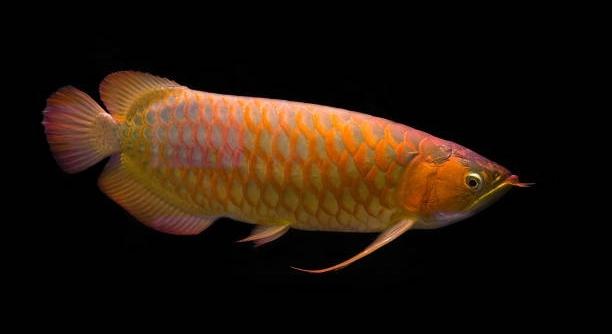
Have you ever thought about keeping your beautiful arowana outdoors and wondered if a pond could be a suitable home for it?
Arowanas can live in ponds if the environment meets their specific needs. These include stable warm temperatures, clean water, proper filtration, and enough space for free movement. Without these conditions, their health and coloration may deteriorate quickly.
Learning about pond setup, maintenance, and climate control can help ensure your arowana thrives in a safe and healthy outdoor environment.
Understanding Arowana and Their Natural Habitat
Arowanas are tropical freshwater fish that come from slow-moving rivers and floodplains in regions like South America and Southeast Asia. They thrive in warm, stable environments with plenty of space and clean, oxygen-rich water. In the wild, these fish are known for their graceful swimming and impressive jumping abilities, often leaping to catch insects and small prey above the surface. When kept in captivity, arowanas need conditions that closely resemble their natural habitat. A pond can offer the space and natural light they love, but it also brings challenges such as temperature control and exposure to predators.
Providing an environment that mirrors their natural surroundings helps maintain their physical health and vivid colors. It also reduces stress, which is crucial for long-term survival.
A balanced pond setup that meets their temperature, space, and water quality needs can make arowanas thrive beautifully outdoors.
Setting Up the Perfect Pond for Arowana
A pond designed for arowanas must focus on warmth, space, and water quality. Since these fish prefer temperatures between 75°F and 86°F, maintaining a heater or temperature control system is essential in cooler climates.
When building a pond, depth and space should be prioritized. Arowanas can grow up to three feet long, so the pond should be at least four feet deep and spacious enough for comfortable swimming. Proper filtration is critical because these fish produce a lot of waste. A strong filtration system keeps the water clear and prevents harmful bacteria buildup. Adding plants can help with oxygenation and provide a natural look, but avoid sharp decorations that could injure the fish. A sturdy cover is also necessary since arowanas are strong jumpers. Regular cleaning, consistent monitoring of water parameters, and a nutrient-rich diet will keep them healthy and vibrant in an outdoor pond setting.
Water Quality and Temperature Control
Maintaining stable water quality and temperature is vital for your arowana’s health. These fish are sensitive to sudden changes, and poor conditions can quickly lead to stress or disease. Clean, warm water encourages steady growth and helps preserve their striking color and energy.
Regularly test ammonia, nitrite, and pH levels to ensure a balanced environment. A pH range of 6.5 to 7.5 is ideal. Use a reliable filtration system and perform partial water changes every week to remove toxins. During colder months, a submersible heater or temperature control system will keep the water from dropping below safe levels. Sudden fluctuations can weaken their immune system and cause lethargy or loss of appetite. Consistency is the key to keeping your fish active and vibrant.
Adding aeration through an air pump or waterfall feature improves oxygen flow and prevents water from becoming stagnant, promoting a healthier ecosystem overall.
Feeding and Nutrition
Arowanas are carnivorous fish that thrive on a protein-rich diet. Feeding them a mix of live, frozen, or pellet foods helps maintain their muscle tone and vibrant color. Overfeeding should be avoided, as leftover food can harm water quality.
Their diet can include crickets, shrimp, worms, or small fish for natural enrichment. Pellet foods designed for large carnivorous fish can be used to balance their nutritional intake. Feed once or twice a day, giving only what they can finish within a few minutes. A varied diet ensures proper growth and boosts immunity against diseases. It is also helpful to fast them once a week to prevent digestive issues and water pollution. Clean feeding habits, along with quality food, play an important role in maintaining your arowana’s health and longevity in a pond environment.
Common Challenges in Keeping Arowana in a Pond
Predators such as birds, cats, or snakes can pose serious threats to outdoor arowanas. Installing a strong pond net or cover helps prevent attacks and keeps the fish safe. Keeping the pond near human activity can also discourage unwanted visitors.
Another challenge is maintaining consistent water quality during changing weather. Heavy rain can lower temperature and alter pH levels. Frequent monitoring and timely adjustments prevent stress or health issues. Using dechlorinators after rain and checking filters regularly keeps conditions stable for your fish.
Health Issues to Watch For
Arowanas can develop health problems like fin rot, ich, or cloudy eyes when water conditions are poor. Early signs include sluggish movement, appetite loss, or visible white spots on the body. Maintaining clean water and a steady temperature reduces the risk of infection. Regular observation and quick treatment are key to recovery.
Breeding Considerations
Breeding arowanas in a pond is difficult and requires specific conditions. Maturity, calm surroundings, and stable water parameters play major roles in success. It’s best to research the species’ breeding behavior before attempting it, as outdoor settings can make egg and fry protection challenging.
FAQ
Can arowanas live outdoors year-round?
Arowanas can live outdoors all year if the climate stays consistently warm. They thrive best in tropical or subtropical regions where temperatures do not drop below 75°F. If you live in an area with cooler seasons, you’ll need to use pond heaters to maintain a stable temperature. Sudden drops in warmth can cause your fish to become sluggish or ill. During colder months, some keepers choose to transfer their arowanas indoors to a large tank until the weather warms up again. Consistent monitoring of temperature helps prevent health issues.
How deep should a pond be for arowanas?
A pond for arowanas should be at least four feet deep to provide enough space and temperature stability. Deeper ponds retain warmth better and protect the fish from sudden environmental changes. This depth also gives your arowanas room to swim freely and develop their full body length. Shallower ponds can cause stress and make it easier for predators to reach the fish. If possible, creating shaded areas with aquatic plants or overhead covers can help maintain balanced light and temperature levels throughout the day.
Do arowanas need a pond cover?
Yes, arowanas definitely need a pond cover. They are powerful jumpers known for leaping out of the water when startled or hunting. Without a sturdy cover or net, your fish could easily escape and injure themselves. The cover should be secure, rust-resistant, and allow airflow to prevent oxygen depletion. Transparent materials work well, as they let sunlight in while offering protection. Many keepers also use strong mesh nets that can handle movement but still keep debris and predators out.
What type of filtration is best for arowana ponds?
A high-capacity biological and mechanical filtration system works best. Biological filters break down harmful waste into less toxic forms, while mechanical filters remove solid particles like uneaten food and debris. Arowanas produce significant waste due to their high-protein diet, so an undersized filter can quickly lead to poor water quality. Aim for a filtration system that can handle at least twice the pond’s total water volume. Cleaning or backwashing the filters regularly helps keep ammonia and nitrite levels low, ensuring the water remains clear and healthy.
Can I keep other fish with my arowana in the pond?
It’s possible but must be done carefully. Arowanas are territorial and can be aggressive, especially toward smaller or slower fish. If you plan to add tank mates, choose large, fast-swimming species such as pacu or large catfish. Always introduce new fish gradually and observe their behavior closely. Overcrowding can increase stress and lead to fights. Providing plenty of hiding spaces and keeping your arowana well-fed can help reduce aggression. However, it’s often safest to keep one arowana per pond to avoid conflicts.
How often should I feed my arowana?
Juvenile arowanas need to be fed two to three times a day, while adults can be fed once daily or every other day. It’s best to give only what they can eat within a few minutes to avoid leftover food polluting the water. Variety is essential, so rotate between pellets, shrimp, insects, and small fish to maintain nutrition. Occasionally fasting your arowana for one day a week supports digestion and prevents obesity. Maintaining a consistent feeding schedule helps keep their behavior calm and predictable.
What are signs my arowana is stressed or unhealthy?
A stressed or sick arowana might swim erratically, lose appetite, or stay near the surface or bottom of the pond for long periods. Other symptoms include faded color, clamped fins, or visible white spots. Poor water conditions are usually the cause. Testing water regularly and adjusting parameters like pH and temperature can prevent most problems. If symptoms persist, isolate the fish for observation and consider mild salt treatments or contacting an aquatic specialist. Acting early greatly improves recovery chances.
Do arowanas grow faster in a pond than in a tank?
Yes, ponds often promote faster growth. The larger swimming space allows better muscle development, and natural sunlight enhances their color and appetite. However, this advantage only holds if the water quality and diet remain consistent. A poor environment, even a large one, can stunt growth and weaken immunity. Regular maintenance and nutrient-rich food ensure your arowana reaches its full potential.
Is it hard to maintain an arowana pond?
Maintaining an arowana pond requires effort but becomes easier with routine. Weekly water testing, cleaning filters, and monitoring temperature are essential habits. Feeding properly and removing waste also help keep the ecosystem balanced. Though it takes dedication, the results are rewarding—healthy, vibrant fish living in a beautiful, natural environment.
Final Thoughts
Keeping an arowana in a pond can be a rewarding experience when done correctly. These fish are stunning, graceful, and full of personality, but they also demand a specific environment to remain healthy. A pond provides them with natural sunlight, wide swimming space, and a peaceful atmosphere that often cannot be achieved indoors. However, success depends on careful attention to water quality, temperature, and safety. Arowanas are sensitive to change, so consistency is essential. Once their needs are met, they can grow large, develop brilliant colors, and display their natural behavior in a way that is both relaxing and beautiful to watch.
Creating and maintaining the right pond setup may seem challenging at first, but it becomes easier with routine. Regular testing of water parameters helps prevent sudden issues, and proper filtration ensures a clean and stable habitat. Many fish owners find that spending a few minutes each day observing their arowana is not only enjoyable but also helps them notice any early signs of stress or illness. The effort you put into keeping the pond clean and balanced directly reflects in the fish’s energy and appearance. Providing a steady temperature, high-quality food, and a secure environment helps your arowana live a long and healthy life outdoors.
Ultimately, deciding to keep an arowana in a pond comes down to commitment. It’s not just about creating a beautiful outdoor display but also about offering a safe, well-maintained space for the fish to thrive. While there are challenges such as weather control and potential predators, these can be managed with the right setup and care. The satisfaction of seeing your arowana swim gracefully under natural sunlight makes the effort worthwhile. Observing how it adapts, grows, and flourishes in an environment that mirrors its natural habitat can be deeply fulfilling. With patience, proper maintenance, and attention to detail, keeping an arowana in a pond becomes more than a hobby—it becomes a meaningful connection with one of the most captivating freshwater fish in existence.

Hello,
If you enjoy the content that we create, please consider saying a "Thank You!" by leaving a tip.
Every little bit helps us continue crafting quality advice that supports the health, happiness, and well-being of pets around the world, for pets of all shapes, sizes, and species.
We really appreciate the kindness and support that you show us!