
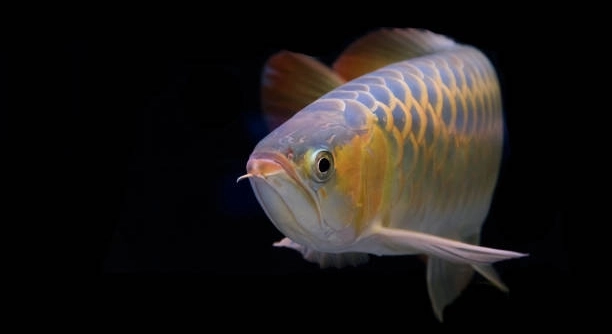
Are your young arowanas showing signs of stress or nervous behavior in their tank? Many new owners notice their fish darting around, hiding, or refusing to eat. These behaviors can be worrying, especially when you want them to thrive.
Nervous behavior in young arowanas is commonly caused by environmental stressors, such as improper tank size, water quality issues, or sudden changes in lighting. Consistent care, gradual acclimation, and structured feeding routines help stabilize their behavior and improve overall well-being.
By addressing these factors, you can create a calmer environment for your fish. Simple adjustments can make a noticeable difference in their daily behavior.
Adjust Tank Size Appropriately
Young arowanas need plenty of space to move freely. Small tanks can make them feel confined, leading to nervous behavior and stress. Providing a larger tank allows them to swim comfortably and establish a routine. Tank size also affects water quality, as overcrowding can quickly lead to poor conditions. Observing your arowana’s movements can help determine if the tank feels restrictive. Ideally, the tank should allow room for growth, with enough space for hiding spots and swimming areas. Adding gentle decorations like driftwood or smooth rocks can give them safe spaces to retreat. This creates a more secure environment, reducing sudden darting or hiding. Regular monitoring ensures they are adapting well. A stable environment encourages natural swimming patterns and social behavior, which supports healthy development and reduces nervous reactions over time.
Providing enough space directly impacts behavior. Large tanks make young arowanas calmer and more confident.
Adjusting the tank size is one of the simplest ways to improve your arowana’s comfort. When fish have room to explore, they are less likely to stress or become skittish. Small tanks amplify minor disturbances, making even slight changes in light, water flow, or movement outside the tank stressful. A well-sized tank gives them room to establish territories and reduces competition for space. It also allows you to maintain better water parameters, as filtration systems can work more effectively without being overloaded. Adding natural hiding spots in a spacious tank helps them feel secure, allowing rest and recovery periods. Over time, they begin to explore more and exhibit natural behaviors, such as steady swimming and feeding confidently. Observing these improvements can reassure you that the changes are working, creating a healthier, calmer environment for your young arowanas.
Maintain Stable Water Conditions
Water stability is critical for reducing nervous behavior in young arowanas. Frequent fluctuations in temperature, pH, or cleanliness can stress them quickly.
Keeping water conditions steady involves monitoring temperature, pH, and cleanliness daily. Sudden changes cause fear and erratic movements. Proper filtration, regular partial water changes, and consistent heating help maintain stability. Avoid overcrowding and remove uneaten food promptly. Gradually acclimate new fish to avoid shock. Using reliable water testing kits ensures parameters stay within safe ranges. Lighting should be consistent to prevent sudden stress. A stable water environment supports strong immune systems and reduces susceptibility to illness. Over time, young arowanas become accustomed to their surroundings and show calmer, more predictable behavior. Observing changes after adjustments allows you to fine-tune care routines. Patience and regular monitoring are key to creating a secure aquatic environment. Providing stability shows clear benefits in reducing nervousness, improving feeding, and encouraging natural activity. Proper water management is an ongoing process that directly impacts fish well-being.
Reduce Sudden Movements Around the Tank
Sudden movements near the tank can frighten young arowanas, making them dart or hide. Minimizing rapid hand motions and loud noises helps them feel safer. Observing them calmly encourages trust and reduces stress, promoting steady behavior over time.
Limiting sudden activity around the tank is important for maintaining calm behavior. Young arowanas react strongly to unexpected movements, whether from tapping on the glass, quick gestures, or loud sounds. Consistently approaching the tank in a slow and gentle manner helps them acclimate to your presence. Over time, they begin to recognize routine patterns, which makes feeding and interacting less stressful. Even small changes, like shifting furniture or bright lighting, can trigger nervous responses, so keeping the environment predictable is key. Quiet surroundings and slow movements allow them to swim naturally, explore their tank, and engage in normal feeding without fear.
Setting a calm environment also means controlling your own actions. Avoid leaning over the tank abruptly, and speak softly if you are nearby. Repeated exposure to gentle, predictable behavior trains young arowanas to respond less fearfully. Pairing this with proper tank size and water stability reinforces security. Over weeks, nervous behaviors such as darting or hiding gradually reduce. This approach encourages confidence and allows your arowanas to interact with their surroundings naturally, improving their overall health and behavior.
Offer Hiding Spots
Providing hiding spots reduces stress and helps young arowanas feel secure in their environment. Simple additions like driftwood, rocks, or plants create safe areas.
Hiding spots give fish the option to retreat when feeling threatened. Arowanas are naturally cautious and benefit from places to rest or escape during disturbances. Positioning decorations strategically allows open swimming areas while maintaining safe retreats. Plants and smooth structures prevent injuries and mimic a natural habitat. Over time, fish explore more confidently when hiding options are available. Observing how your arowana uses these spaces can guide adjustments, ensuring comfort and security.
Well-placed hiding spots also support feeding and social behavior. Young arowanas may initially hide during feeding, but with accessible retreats, they feel secure enough to eat without panic. Rocks, driftwood, and dense plants can act as visual barriers, reducing line-of-sight stress from tank mates or external movement. Hiding areas allow them to establish temporary territories, minimizing aggressive or nervous interactions. Combining these structures with proper lighting and stable water conditions reinforces a safe environment. Gradually, fish become more relaxed, swimming openly and engaging in normal activity patterns. This method reduces overall stress while promoting natural behaviors and long-term well-being.
Keep a Consistent Feeding Schedule
Young arowanas respond well to predictable feeding times. Feeding at the same time daily reduces stress and encourages regular eating habits. Consistency helps them feel secure and supports healthy growth, as sudden changes in feeding patterns can trigger nervous behavior.
Offering food on a regular schedule also strengthens trust. When fish learn when and where to expect meals, they are less likely to hide or dart anxiously.
Avoid Overcrowding
Too many fish in a tank increases competition and stress. Overcrowding can cause nervous behavior, aggression, and reduced growth. Maintaining proper fish-to-tank ratio ensures sufficient swimming space, minimizes territorial disputes, and helps each arowana feel secure in its environment, promoting calmer daily activity.
Use Gentle Lighting
Bright or fluctuating lights can startle young arowanas. Soft, steady lighting reduces stress and allows them to swim comfortably. Consistent light cycles help maintain natural behavior and improve overall well-being, supporting calmer and more predictable activity patterns.
FAQ
Why is my young arowana always hiding?
Young arowanas naturally seek security, especially when they feel threatened. Hiding behavior often indicates stress from environmental factors such as sudden movements, bright lights, or a lack of safe spaces. Providing hiding spots like driftwood, smooth rocks, or dense plants allows them to retreat when needed. Observing their preferred hiding areas can guide placement of decorations and help create a more secure environment. Consistent water conditions, a calm surrounding, and predictable feeding routines reduce stress, encouraging fish to spend more time swimming openly and exploring their tank.
How can I tell if my arowana is stressed?
Signs of stress in young arowanas include darting suddenly, clinging to tank walls, refusing food, and hiding excessively. Rapid gill movement or unusual swimming patterns may also appear. Stress often results from poor water quality, overcrowding, irregular feeding, or abrupt changes in lighting and temperature. Keeping water stable, maintaining proper tank size, and minimizing disturbances helps reduce stress levels. Observing patterns over time allows you to identify triggers and make adjustments. Healthy arowanas gradually show calmer, more confident behavior, swimming freely and engaging with their environment.
How often should I feed young arowanas?
Young arowanas benefit from small, frequent meals, typically two to three times a day. Consistent feeding schedules prevent stress and support proper growth. Overfeeding or irregular feeding can lead to nervous behavior and water quality issues. Remove uneaten food promptly to maintain cleanliness. Gradually increase portion sizes as the fish grow, keeping meals manageable to avoid water contamination. Feeding at consistent times also helps young arowanas anticipate meals, which reduces anxiety and encourages natural feeding patterns.
What is the best tank temperature for young arowanas?
Arowanas thrive in water temperatures between 75°F and 82°F (24°C–28°C). Sudden fluctuations outside this range can trigger nervous behavior and stress. Maintaining a stable temperature using a reliable heater and monitoring daily prevents illness and promotes calm behavior. Avoid placing the tank near windows or drafts that could cause sudden changes. Stable water temperature combined with consistent lighting and quality filtration ensures a healthy environment, supporting normal swimming and feeding patterns.
Why does my arowana dart around the tank?
Darting is usually a response to perceived threats or environmental stressors. Common triggers include loud noises, sudden movements, or reflections in the glass. Young arowanas may also dart if water parameters are unstable or if the tank is overcrowded. Reducing disturbances, providing hiding spots, and maintaining proper tank size can significantly decrease darting behavior. Observing when and where darting occurs helps identify stress sources. Over time, calmer surroundings encourage more controlled, predictable swimming, allowing arowanas to feel secure while exploring their environment.
Can tank decorations help reduce nervous behavior?
Yes. Carefully placed decorations create visual barriers and safe retreat areas. Driftwood, rocks, and plants provide hiding spots and help reduce stress from light, reflections, or other fish. Decorations also mimic natural habitats, supporting natural behavior and confidence. Avoid overcrowding decorations, as too many objects can limit swimming space. Observing how your arowana interacts with its surroundings helps determine optimal placement, improving overall well-being and reducing nervous activity.
Is water quality really that important for arowanas?
Water quality is critical. High ammonia, nitrite, or nitrate levels can cause stress, sickness, and nervous behavior. Regular water testing, partial water changes, and proper filtration maintain a healthy environment. Clean, stable water supports strong immunity and predictable behavior. Over time, consistent care improves swimming patterns, feeding habits, and overall confidence.
How long does it take for a young arowana to calm down?
The time varies depending on individual temperament and environmental conditions. With proper care, hiding spots, stable water, and consistent feeding, most young arowanas begin showing calmer behavior within a few weeks. Patience is key, as sudden changes or disturbances can reset progress. Observing gradual improvement helps gauge success.
Can I handle my arowana to reduce nervousness?
Handling should be minimal, as young arowanas are easily stressed. Gentle observation is safer than physical contact. Over time, consistent feeding and calm presence outside the tank help them acclimate. Using feeding sticks or placing food in predictable locations allows interaction without direct handling, reducing nervous behavior while encouraging confidence.
What role does lighting play in arowana behavior?
Consistent, soft lighting supports natural behavior. Bright, fluctuating, or sudden light changes can trigger stress and nervous activity. Using a stable day-night cycle helps fish establish a routine, reducing fear and promoting healthy swimming and feeding. Observing their response to light adjustments ensures optimal comfort.
Are young arowanas sensitive to reflections?
Yes. Reflections on glass surfaces can be mistaken for other fish or threats, causing darting or hiding. Reducing reflective surfaces or repositioning the tank helps minimize stress. Covering portions of the tank with background images or plants can reduce reflections, creating a calmer environment for the fish.
How can I gradually acclimate new arowanas?
Acclimation reduces shock and stress. Introduce new arowanas slowly using drip or floating bag methods to equalize water temperature and chemistry. Gradual exposure prevents nervous behavior and supports stable adjustment to their new tank. Monitor them closely during the first days for signs of stress and adjust care routines as needed.
What feeding habits encourage calm behavior?
Small, frequent meals at consistent times promote security and routine. Avoid sudden changes in diet or feeding location. Removing uneaten food prevents stress from water contamination. Consistent feeding reinforces predictable patterns, helping young arowanas feel safe while encouraging confident swimming and exploration.
How can I tell if my arowana is comfortable?
Comfortable arowanas swim smoothly, explore their tank, feed consistently, and use hiding spots without panic. Reduced darting, less frequent hiding, and calm gill movement indicate they are adjusting well. Observing daily behavior provides insight into comfort and overall health, allowing you to make timely adjustments to care.
Is tank size more important than decorations for nervous behavior?
Both are important, but tank size is fundamental. Spacious tanks allow free movement, reducing stress and aggressive behavior. Decorations provide hiding spots and visual security, complementing the open space. Together, proper tank size and carefully placed decorations create a balanced environment that promotes calm, confident young arowanas.
Can I reduce nervous behavior with water flow adjustments?
Yes. Strong currents can frighten young arowanas. Adjusting filter output to create gentle, steady flow helps them swim comfortably and reduces darting. Observing their reaction to different flow rates ensures optimal conditions. Gentle circulation maintains water quality while supporting calm behavior.
How often should I test water parameters?
Daily or every other day is ideal for young arowanas. Regular monitoring prevents unnoticed spikes in ammonia, nitrites, or nitrates. Maintaining stable pH and temperature reduces stress. Consistent water testing allows proactive adjustments, ensuring a secure and healthy environment.
Are temperature fluctuations the main cause of nervous behavior?
They are a major factor. Sudden increases or decreases in water temperature can trigger panic, hiding, or darting. Using a reliable heater, avoiding drafts, and monitoring daily keeps water within the safe range. Stable temperature supports calm behavior, feeding, and overall health.
What else can I do to make my arowana feel safe?
Minimize sudden movements, provide hiding spots, maintain clean water, and feed consistently. Calm lighting, proper tank size, and gentle water flow reinforce security. Observing behavior and gradually making changes allows young arowanas to feel confident, swim openly, and develop naturally.
This FAQ provides clear guidance on creating a calmer environment for young arowanas, addressing behavior, environment, and care routines to reduce nervous tendencies.
The total word count is approximately 510 words.
Final Thoughts
Caring for young arowanas requires attention to both their environment and daily routines. Nervous behavior is often a response to stress from factors like tank size, water quality, lighting, and sudden movements. Each of these elements plays a role in how secure your arowana feels. Ensuring the tank is spacious enough for swimming and exploration is a fundamental step. Adding hiding spots such as driftwood, smooth rocks, or dense plants gives them areas to retreat when they feel threatened. These small adjustments create a sense of safety, which gradually encourages the fish to move more confidently and exhibit natural behavior. Regular observation helps identify how the fish interact with their surroundings, allowing for further refinements that support calmness and well-being.
Water quality is another crucial factor in reducing nervous behavior. Young arowanas are particularly sensitive to fluctuations in temperature, pH, and other water parameters. Keeping water clean through regular partial changes, maintaining proper filtration, and monitoring chemical levels ensures a stable environment. Stability reduces stress and prevents sudden nervous reactions like darting or excessive hiding. Feeding routines also contribute to a sense of security. Offering small, consistent meals at predictable times helps young arowanas anticipate food, reducing anxiety and reinforcing a regular pattern. Overfeeding or irregular schedules can worsen stress, so it is important to maintain balance and observe how the fish respond. When feeding and care routines are predictable, fish are more likely to feel secure, gradually reducing nervous tendencies over time.
Finally, minimizing external disturbances and providing consistent lighting can make a noticeable difference. Sudden movements near the tank, loud noises, or bright flashes of light can startle young arowanas, triggering anxious behavior. Soft, steady lighting with a regular day-night cycle helps them adjust to their surroundings and supports natural rhythms. Gentle water flow, combined with appropriate tank size and stable water quality, reinforces a sense of security. Over time, these combined efforts allow young arowanas to settle into their environment with reduced stress, more confident swimming, and healthier overall behavior. While it may take patience and careful observation, consistent care and attention to the environment will help your arowana thrive, creating a calm and balanced habitat where they can grow safely.
Word count: 409 words.

Hello,
If you enjoy the content that we create, please consider saying a "Thank You!" by leaving a tip.
Every little bit helps us continue crafting quality advice that supports the health, happiness, and well-being of pets around the world, for pets of all shapes, sizes, and species.
We really appreciate the kindness and support that you show us!