
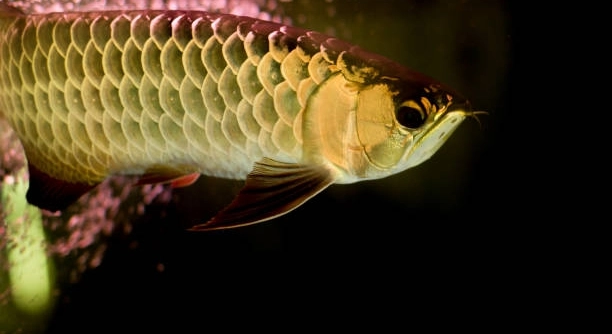
Is your arowana showing signs of heavy breathing and unusual movement in its tank? Observing these behaviors can be concerning for any fish owner. Understanding why your arowana struggles to breathe properly is essential for its overall well-being.
Heavy breathing in arowanas is often linked to environmental stressors, poor water quality, oxygen deficiency, or underlying health conditions. Identifying and addressing these factors promptly ensures your fish maintains optimal respiratory function and overall aquatic health.
Knowing the causes behind this behavior can help prevent further complications. Awareness and timely action are key to keeping your arowana healthy and comfortable.
Poor Water Quality
Poor water quality is one of the most common reasons arowanas breathe heavily. High ammonia, nitrite, or nitrate levels can irritate their gills, making it difficult to extract oxygen efficiently. Uneaten food, decaying plants, or overstocked tanks contribute to toxic buildup. Even slight changes in pH or hardness can stress your fish. Regular water testing is essential to monitor these levels. Water that appears clean may still contain harmful chemicals invisible to the eye. Filtration systems help, but they require maintenance to remain effective. Performing partial water changes consistently reduces the accumulation of harmful substances. Sediment at the bottom can also trap waste, further affecting water quality. Observing your arowana’s behavior alongside water tests provides a clearer picture of its health. Adjusting water parameters gradually prevents shock. Understanding the importance of clean, stable water conditions helps maintain your arowana’s breathing, activity, and appetite.
Regular water checks and partial changes can greatly reduce stress, keeping your arowana comfortable and active.
Monitoring water quality involves consistent testing, proper filtration, and careful observation. Keeping ammonia, nitrites, and nitrates at safe levels ensures your arowana breathes normally. Tank stability, including pH and hardness, supports overall health. Removing leftover food and sediment reduces toxins. Gradual water adjustments prevent stress and sudden shifts. Regular maintenance ensures filters are functioning optimally. Observing your fish for gill movement, coloration, and behavior helps identify early signs of water-related stress. Keeping a consistent schedule for water changes and testing provides long-term benefits. Arowanas thrive in clean, stable water that mimics their natural environment. Neglecting water quality can lead to illness, lethargy, or heavier breathing. By staying attentive, you support a healthy, vibrant tank and reduce the risk of respiratory problems. Consistency is key in preventing complications related to poor water conditions.
Low Oxygen Levels
Low oxygen levels in the tank make breathing laborious for arowanas.
Arowanas require well-oxygenated water to thrive, especially in densely planted or heavily stocked tanks. Oxygen depletion can occur due to high temperatures, overstocking, or stagnant water. Adding air stones or increasing surface agitation helps improve oxygenation. Live plants can assist but may also consume oxygen at night. Monitoring your fish during feeding and activity reveals oxygen stress signs. Regular aeration and avoiding overcrowding maintain stable oxygen levels. Cooler water holds more dissolved oxygen, so adjusting temperature slightly can help. Observing gill movement and overall energy levels provides insight into how your arowana responds. Maintaining proper oxygen ensures efficient breathing, supports immune function, and prevents fatigue. Small adjustments, such as enhancing filtration flow or rearranging decorations for better water circulation, can make a noticeable difference in your fish’s comfort and health. Arowanas adapt best when oxygen remains consistent, avoiding sudden drops that trigger heavy breathing or panic behaviors.
Temperature Stress
Arowanas are sensitive to temperature fluctuations. Water that is too warm or too cold can make them breathe heavily. Maintaining a stable temperature within their ideal range is crucial for their comfort and health.
Sudden drops or spikes in water temperature stress arowanas, affecting their metabolism and oxygen intake. Even small changes can cause gill movement to increase as they struggle to regulate breathing. Using a reliable aquarium heater or chiller helps maintain consistency. Avoid placing the tank near windows, vents, or direct sunlight, which can cause rapid temperature shifts. Observing your arowana’s activity and appetite provides insight into how it responds to changes. Consistent monitoring prevents stress-related illnesses.
Temperature stress also interacts with other environmental factors. High temperatures reduce dissolved oxygen, making it harder for the fish to breathe efficiently. Cold water slows metabolism, reducing energy levels and affecting feeding. Maintaining a steady environment supports immune function and overall vitality. Adjusting the tank gradually if changes are necessary prevents shock. Consistency is key to preventing respiratory distress and keeping your arowana active and healthy in its habitat.
Gill Parasites
Gill parasites can cause arowanas to breathe heavily, scratch, or gasp at the surface. Immediate attention is required to prevent damage.
Parasites attach to the gill tissue, disrupting oxygen absorption and causing inflammation. Infected arowanas often show rapid gill movement and lethargy. Treatment involves identifying the parasite type and applying appropriate medication. Quarantining affected fish prevents spread to other tank mates. Maintaining clean water reduces parasite risk, as poor conditions increase susceptibility. Observation is crucial for early detection.
Severe infestations damage gill filaments, leading to chronic breathing issues if untreated. Medications such as antiparasitic treatments are effective but require careful dosing according to the fish’s size and water volume. Regular monitoring ensures recovery and prevents recurrence. Isolation during treatment reduces stress and prevents the parasite from spreading. Supporting water quality alongside medication enhances healing and restores respiratory function. Early detection and consistent care are essential to protect your arowana’s health from gill parasites.
Overfeeding
Overfeeding can lead to heavy breathing in arowanas. Excess food decomposes in the tank, increasing waste and lowering water quality.
It also causes digestive stress, making the fish expend more energy and oxygen while processing food. Feeding smaller portions and removing uneaten food helps maintain arowana health and water balance.
Stress from Tank Mates
Aggressive or overly active tank mates can stress arowanas, causing rapid gill movement and erratic swimming. Stress weakens the immune system and increases susceptibility to illness. Observing interactions and providing adequate space reduces tension and helps your fish breathe comfortably.
Low Water Flow
Insufficient water movement can limit oxygen distribution in the tank. Arowanas rely on consistent water circulation for efficient breathing. Installing a proper filter or adjusting flow patterns ensures oxygen reaches all areas, supporting healthy respiration.
Internal Infections
Internal infections affect organs and gills, leading to labored breathing. Symptoms include reduced appetite, lethargy, and visible swelling. Early diagnosis and proper medication are critical for recovery and restoring normal respiratory function.
FAQ
Why is my arowana breathing heavily at the surface?
Heavy breathing at the surface usually indicates low oxygen levels in the water. Warmer water, overstocked tanks, or stagnant areas reduce oxygen availability. Increasing aeration with air stones, adjusting filtration, and maintaining cooler, stable temperatures helps your arowana breathe more comfortably. Observing surface activity can indicate water quality problems.
Can water changes improve my arowana’s breathing?
Yes, regular water changes reduce ammonia, nitrites, and nitrates that irritate gills. Even partial weekly changes help maintain stable water parameters. Removing uneaten food and debris prevents waste buildup. Consistent monitoring ensures your arowana stays in a cleaner, healthier environment, which supports proper respiratory function and overall vitality.
Could temperature fluctuations cause heavy breathing?
Absolutely. Arowanas are sensitive to sudden temperature shifts. Cold water slows metabolism, while hot water reduces dissolved oxygen. Both scenarios make gill movement faster and more labored. Using a reliable heater or chiller, avoiding drafts, and monitoring water temperature ensures a consistent environment that reduces stress and supports normal breathing.
Do parasites affect breathing?
Yes, gill parasites attach to gill tissue, causing irritation, inflammation, and difficulty absorbing oxygen. Infected arowanas often gasp at the surface or show rapid gill movement. Treatment involves identifying the parasite type, applying appropriate medication, and quarantining the fish to prevent spread. Maintaining clean water reduces the risk of reinfestation.
Can overfeeding make my arowana breathe heavily?
Overfeeding leads to excess waste, which increases ammonia levels and stresses gills. It also causes digestive strain, making your arowana expend more energy while processing food. Feeding smaller portions and removing uneaten food improves water quality and prevents respiratory difficulties, helping your fish stay healthy and active.
Does stress from tank mates contribute to breathing issues?
Yes, aggressive or overly active tank mates can stress your arowana, causing rapid gill movement and erratic swimming. Stress weakens the immune system, increasing vulnerability to disease. Providing ample space, hiding areas, and careful selection of compatible tank mates minimizes tension and supports proper respiration.
How do I know if it’s an internal infection?
Signs of internal infections include labored breathing, lethargy, loss of appetite, and swollen body areas. If observed, consult an aquatic veterinarian or experienced fish keeper for proper diagnosis. Prompt treatment with appropriate medication restores organ function and helps normalize breathing patterns.
Are there any long-term risks of heavy breathing?
Persistent heavy breathing stresses your arowana’s organs and can lead to reduced immunity, slow growth, and secondary infections. Addressing the underlying cause promptly—whether water quality, temperature, parasites, or stress—prevents chronic health issues and ensures your fish remains active and strong.
How often should I test my water for safe oxygen levels?
Testing weekly is recommended, especially for heavily stocked or planted tanks. Use dissolved oxygen meters or liquid test kits alongside monitoring temperature, pH, and nitrogen compounds. Early detection of low oxygen or other imbalances allows timely adjustments, preventing respiratory strain and supporting long-term arowana health.
Can I prevent breathing problems altogether?
Yes, by maintaining stable water conditions, providing proper aeration, avoiding overfeeding, monitoring temperature, and observing fish behavior regularly. Keeping stress low and treating infections promptly ensures your arowana breathes efficiently and remains healthy, active, and comfortable in its environment.
How do I improve oxygen levels quickly?
Increasing surface agitation, adding air stones, reducing stocking density, and lowering water temperature slightly can boost oxygen immediately. Ensuring filters circulate water effectively helps distribute oxygen throughout the tank. Monitoring your arowana after adjustments confirms improvements in gill movement and overall activity.
What should I do if my arowana’s breathing does not improve?
If heavy breathing persists despite environmental adjustments, it may indicate disease or organ issues. Seek professional guidance, isolate the fish, and follow recommended treatments. Continuous observation ensures early intervention, preventing further deterioration and supporting recovery.
This FAQ addresses the main causes and solutions for heavy breathing in arowanas, offering practical, step-by-step guidance for maintaining respiratory health.
Heavy breathing in arowanas is a serious issue that often points to environmental or health-related problems. Observing your fish carefully can help identify the cause before it becomes critical. Many factors, such as poor water quality, low oxygen levels, temperature stress, overfeeding, aggressive tank mates, parasites, and internal infections, can contribute to labored breathing. Each of these factors affects your arowana’s ability to obtain sufficient oxygen, which is vital for its overall health and activity. Paying attention to changes in behavior, gill movement, swimming patterns, and appetite gives early clues that something may be wrong. By taking proactive steps, such as regular water testing, consistent maintenance, and providing a stable, stress-free environment, you can reduce the likelihood of breathing problems and support the long-term well-being of your fish.
Proper water management is one of the most effective ways to prevent heavy breathing. Maintaining clean water, testing for ammonia, nitrites, nitrates, and pH levels, and performing regular partial water changes are essential. Even if the water looks clear, harmful substances can still be present and affect your arowana’s gills. Filtration systems should be cleaned and checked frequently to ensure they are functioning correctly, as poor circulation or clogged filters can create pockets of low oxygen. Adequate aeration, such as air stones or strong water movement, ensures that oxygen is evenly distributed throughout the tank. Temperature regulation is equally important, as sudden fluctuations or consistently high or low water temperatures can stress your fish and make it harder to breathe. These environmental measures create a stable and safe habitat, allowing your arowana to thrive with minimal respiratory strain.
Addressing health issues promptly is equally critical. Parasites, bacterial infections, or other internal conditions can severely affect breathing if left untreated. Observing symptoms like lethargy, gasping at the surface, loss of appetite, or abnormal swimming helps identify potential health concerns. Early diagnosis and treatment, including quarantine and appropriate medication, improve recovery chances. Stress from aggressive tank mates or overcrowding can also weaken the immune system, making your arowana more susceptible to disease and breathing difficulties. Maintaining a balanced diet and feeding appropriately supports digestion and overall health, reducing additional strain. Consistent care, attention to environmental conditions, and monitoring for signs of illness ensure your arowana remains active, healthy, and comfortable in its tank. With proper care and observation, heavy breathing can often be prevented or resolved, allowing your fish to live a longer, healthier life in a stable and safe aquatic environment.

Hello,
If you enjoy the content that we create, please consider saying a "Thank You!" by leaving a tip.
Every little bit helps us continue crafting quality advice that supports the health, happiness, and well-being of pets around the world, for pets of all shapes, sizes, and species.
We really appreciate the kindness and support that you show us!