
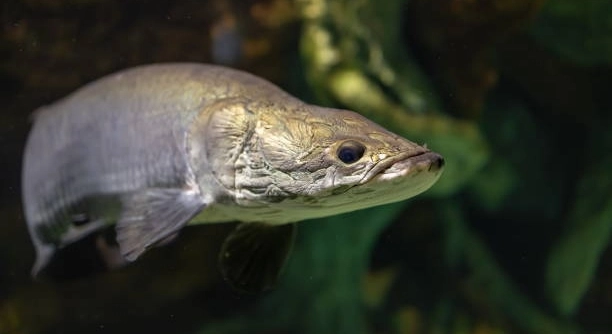
Arowanas are beautiful and majestic fish that many aquarists admire. Watching them swim gracefully can be calming, and some owners become interested in seeing them reproduce in a home aquarium environment.
Breeding arowanas requires careful attention to tank conditions, water quality, diet, and the age and health of the fish. Successful reproduction is influenced by multiple environmental and biological factors, making it a complex but achievable process with proper preparation.
Understanding the key factors that affect breeding can help you make informed decisions for your aquarium setup. These considerations ensure your arowanas remain healthy and have the best chance at successful spawning.
Tank Size and Setup
Arowanas are large, active fish that need plenty of space to thrive. A tank of at least 250 gallons is recommended for adult arowanas to swim comfortably. Proper filtration and strong water flow are essential to maintain clean water, which reduces stress and disease. Decorations should be minimal to prevent injury, but hiding spots like driftwood or rocks can help create a more natural environment. Temperature and pH stability are crucial, as fluctuations can impact their health and readiness to breed. Lighting should mimic a natural day-night cycle, supporting their circadian rhythm. Regular water testing and partial water changes keep ammonia, nitrite, and nitrate levels safe. Arowanas prefer slightly acidic to neutral water, with temperatures between 75–82°F (24–28°C). The tank should also have a secure lid, as arowanas are known to jump. Consistency and careful monitoring make the environment more suitable for breeding behavior to appear naturally.
Proper tank setup lays the foundation for healthy growth and breeding potential. A controlled environment increases the likelihood of observing natural behaviors.
Even small changes in water parameters or tank layout can stress arowanas and prevent breeding. Ensuring plenty of swimming space and stable conditions allows them to feel safe and secure. Overcrowding, poor filtration, or sudden changes in temperature can inhibit spawning instincts. Observing their interaction and activity levels can indicate readiness to breed. Pairing compatible fish in a well-maintained tank encourages bonding and courtship behaviors.
Diet and Nutrition
Arowanas require a high-protein diet for optimal health and breeding readiness.
Feeding a mix of live, frozen, and pellet foods ensures they get essential nutrients. Variety in their diet improves coloration and overall vitality, supporting reproductive health.
Quality nutrition directly impacts fertility and breeding behavior. Healthy arowanas are more likely to display courtship and successful spawning. A diet rich in vitamins, minerals, and proteins supports egg development in females and sperm production in males. Live foods like feeder fish or insects can stimulate natural hunting instincts, while frozen shrimp or worms provide balanced nutrients. Pellets formulated for carnivorous fish maintain consistency and reduce the risk of nutritional deficiencies. Feeding should be done multiple times a day in small portions to prevent overfeeding and maintain water quality. Observing how your arowanas respond to their meals helps identify their health and readiness to breed. Nutrition, combined with stable tank conditions, plays a significant role in promoting successful breeding outcomes.
Age and Maturity
Arowanas need to reach sexual maturity before breeding, usually around 3 to 4 years old. Males and females must be healthy and fully grown to display proper courtship behavior and successfully spawn.
Maturity is critical for arowanas because breeding too early can stress the fish and lead to poor egg quality. Females typically produce viable eggs only after reaching full size, while males develop stronger parental instincts. Observing their size, body shape, and overall health helps determine if they are ready. Some breeders track growth rates and physical development to ensure the pair is mature enough for breeding attempts. Patience is key, as forcing younger fish can result in injury or failure to reproduce.
Even after reaching maturity, some arowanas take longer to show spawning behavior. Environmental triggers, nutrition, and tank dynamics influence readiness. A stable routine, consistent feeding, and minimal disturbances encourage natural mating rituals. Watching for paired swimming, mouth-to-mouth interaction, and territorial displays signals the pair may soon spawn.
Water Quality
Maintaining clean, stable water is essential for breeding arowanas. Frequent testing and partial water changes prevent harmful chemical buildup.
Water quality directly impacts health, stress levels, and reproductive readiness. Ammonia, nitrite, and nitrate levels must remain near zero, while pH and temperature stay stable.
Even small fluctuations in water parameters can prevent spawning and reduce egg viability. Consistent temperature, ideally between 75–82°F (24–28°C), and pH around 6.5–7.5 provide the best conditions for breeding. Proper filtration and aeration maintain oxygen levels and remove waste efficiently. Monitoring hardness and keeping water free of contaminants helps prevent illness that could disrupt reproductive behavior. Many breeders use test kits daily and perform weekly partial water changes to keep the environment stable. Clean water encourages natural courtship, feeding, and egg care, all of which are crucial for successful reproduction.
Pair Compatibility
Arowanas need compatible pairs for successful breeding. Aggressive or mismatched fish can fight, preventing spawning.
Observing interactions helps identify the best pair. Calm, similarly sized fish are more likely to bond and engage in courtship behaviors.
Breeding Behavior
Male and female arowanas display distinct behaviors before spawning. Males often become more territorial, while females may show increased receptiveness and following behavior. Watching for these patterns helps predict when spawning is likely.
Courtship can include circling, synchronized swimming, and gentle nudging. These behaviors indicate readiness but require a stable environment to continue. Breeders often reduce disturbances and maintain consistent feeding and water routines to encourage natural spawning. Providing adequate space and observing without interference allows these behaviors to progress into actual egg laying and fertilization. Noticing small changes in mood, posture, and interaction helps confirm a pair’s compatibility and readiness.
Egg and Fry Care
After spawning, eggs need gentle handling and proper water conditions to survive.
FAQ
How long does it take for arowanas to spawn?
Arowanas usually take a few hours to several days to complete the spawning process once they begin courtship. Environmental conditions, maturity, and health all affect timing. Some pairs spawn quickly, while others may take multiple attempts before successful fertilization occurs.
How many eggs do a female arowana lay?
A female arowana can lay anywhere from 30 to 100 eggs per spawning session. The exact number depends on her size, age, and overall health. Larger, well-nourished females generally produce more eggs with higher chances of survival.
Do arowanas require a separate breeding tank?
Using a separate breeding tank is recommended. It reduces stress from other fish, provides more control over water quality, and allows easier observation of spawning behavior. This setup also prevents aggression and predation that can occur in a community tank.
What water parameters are best for breeding?
Stable water temperature between 75–82°F (24–28°C) and a pH of 6.5–7.5 work best. Low levels of ammonia, nitrite, and nitrate are critical. Consistent filtration, regular water changes, and minimal fluctuations help encourage spawning.
How can I tell if my arowanas are ready to breed?
Signs of readiness include paired swimming, gentle nudging, and territorial displays by males. Females may follow males closely, showing interest in interaction. Both fish should be healthy, fully grown, and feeding well, displaying calm but attentive behavior in the tank.
Do males take care of the eggs?
Yes, male arowanas are mouthbrooders. After fertilization, they carry the eggs in their mouths until they hatch. This behavior protects the eggs from predators and ensures proper oxygenation, allowing a higher survival rate of the fry.
How long does it take for eggs to hatch?
Eggs usually hatch within 6–10 days, depending on water temperature and quality. Warmer, stable conditions tend to speed up hatching, while fluctuating conditions can delay or harm the eggs. Monitoring without disturbing the male is essential during this period.
What should I feed fry once they hatch?
Once the fry are released, they need tiny, protein-rich foods like baby brine shrimp or finely crushed pellets. Feeding small amounts multiple times a day supports growth and ensures fry get enough nutrients while keeping water quality stable.
Can arowanas breed in a community tank?
Breeding in a community tank is possible but not ideal. Other fish may stress the pair, eat eggs, or interfere with courtship. A dedicated breeding tank increases the chances of successful spawning and fry survival.
How often can arowanas spawn?
Arowanas may spawn once or twice a year under ideal conditions. Overfeeding or poor water quality can reduce frequency, while healthy nutrition, stable water, and proper care encourage more consistent breeding cycles.
Do arowanas need special lighting to breed?
Natural day-night cycles work best. Bright or inconsistent lighting can stress fish and inhibit spawning. A consistent, moderate lighting schedule helps maintain normal behavior and supports breeding readiness.
Is it normal for arowanas to fight during breeding?
Some aggression is normal, especially from males defending territory. Monitoring interactions ensures it doesn’t escalate into serious injury. Providing enough space and minimal tank disturbances reduces the risk of harm while allowing natural behaviors.
How can I increase the chances of successful breeding?
Maintaining optimal water quality, providing a balanced diet, pairing compatible and mature fish, and minimizing stress are key. Patience and careful observation help detect readiness and encourage natural courtship, leading to higher success rates.
This FAQ covers common concerns and provides practical advice for preparing arowanas to breed successfully, ensuring both the parents and fry remain healthy throughout the process.
Final Thoughts
Breeding arowanas can be challenging, but it is rewarding when done carefully and patiently. These fish are large, active, and intelligent, which means they require a lot of attention to their environment. Providing a spacious tank with stable water conditions is the first step toward creating an environment where they feel safe enough to display natural breeding behavior. Proper filtration, regular water changes, and consistent temperature and pH help reduce stress and promote health. Decorations should be minimal but thoughtful, allowing swimming space while offering a few hiding spots. Observing your arowanas closely helps you notice changes in behavior that indicate readiness to breed. Paired swimming, gentle nudging, and territorial displays are all signs that they may soon spawn. Setting up these conditions doesn’t guarantee immediate breeding, but it significantly increases the chances when your fish reach maturity.
Nutrition is another important factor that cannot be overlooked. Arowanas need a high-protein diet to maintain energy, health, and reproductive ability. Feeding a mix of live, frozen, and pellet foods ensures they get all the necessary vitamins and minerals. Live foods stimulate natural hunting instincts, while high-quality pellets provide consistent nutrition. Healthy females produce more viable eggs, and healthy males are more likely to display proper mouthbrooding behavior. Feeding several small portions a day instead of one large meal helps maintain water quality while supporting growth and reproductive health. Monitoring how your fish respond to different foods can also help you spot health issues early. When arowanas are well-fed and healthy, their behavior becomes more predictable, and breeding becomes more achievable.
Patience and observation are key throughout the breeding process. Arowanas do not follow a strict schedule, and each pair develops at its own pace. Maturity, compatibility, water quality, and diet all combine to create the right conditions, and sometimes it takes multiple attempts before successful spawning occurs. During this time, minimizing disturbances in the tank is crucial. Watching without interfering allows natural courtship to take place, and it gives the male time to protect the eggs properly. Understanding each step, from setting up the tank to caring for fry, makes the process less stressful and more manageable. While breeding arowanas requires effort and attention, the results are rewarding. Seeing a healthy pair interact, spawn, and raise their fry offers a unique glimpse into the fascinating behavior of these magnificent fish and provides a sense of accomplishment for anyone willing to invest in their care.

Hello,
If you enjoy the content that we create, please consider saying a "Thank You!" by leaving a tip.
Every little bit helps us continue crafting quality advice that supports the health, happiness, and well-being of pets around the world, for pets of all shapes, sizes, and species.
We really appreciate the kindness and support that you show us!