
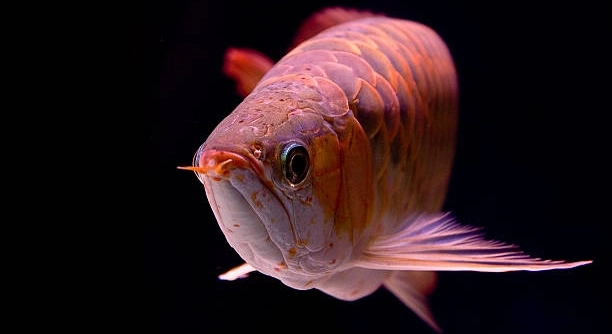
Are you noticing unusual behavior in your arowana, such as sluggish swimming or frequent hiding? Many tank conditions can subtly affect your fish, even when everything seems fine. Small details in their environment can make a big difference.
Arowanas are sensitive to subtle tank issues such as water quality fluctuations, improper filtration, inadequate tank size, insufficient hiding spaces, inconsistent temperature, aggressive tank mates, and poor lighting. These factors can negatively impact their health, growth, and overall well-being if not properly managed.
Recognizing these hidden problems is crucial for maintaining a healthy, stress-free environment for your arowana. Addressing them early supports their long-term happiness and vitality in your aquarium.
Poor Water Quality
Maintaining clean water is one of the most important aspects of keeping an arowana healthy. Even small changes in water chemistry, such as ammonia spikes or nitrite buildup, can stress your fish and make it more prone to illness. I learned early on that consistent water testing is essential. Using a reliable test kit, I monitor pH, ammonia, nitrites, and nitrates at least once a week. Frequent partial water changes help maintain stability. Even though it can feel tedious, these small steps prevent many health problems. Over time, I noticed my arowana became more active and displayed brighter colors once water quality was kept steady.
Regular monitoring prevents unexpected problems and keeps your fish calm and healthy.
Neglecting water quality can lead to fin rot, gill damage, and slow growth. Arowanas are sensitive to sudden shifts, so maintaining stable conditions is key. Ensuring the water is filtered properly, free of debris, and cycled allows your arowana to thrive. Combining frequent water changes with careful testing creates a stable environment. Temperature and pH stability also play a role, as arowanas react strongly to fluctuations. Investing in quality filtration and monitoring tools reduces stress and improves longevity. Observing your fish daily helps detect early signs of water-related stress. Over time, maintaining these habits becomes part of routine care. Clean water supports healthy metabolism, prevents disease, and allows your arowana to swim freely. Small adjustments, like topping off evaporated water or checking for chemical contaminants, make a notable difference. Regular attention to tank conditions is more effective than sporadic interventions. When water parameters remain consistent, your arowana demonstrates more natural behavior and stronger immunity. Keeping a clear, stable environment ensures the fish remains vibrant and active, improving both appearance and overall health.
Inadequate Tank Size
Arowanas grow quickly and need space to swim comfortably. A small tank restricts movement and can lead to stress and aggression. Properly sizing the tank from the start reduces behavioral issues.
Providing at least a 250-gallon tank for adult arowanas allows them to move freely, turn without hitting walls, and display natural swimming patterns. Limited space can stunt growth and cause injuries from repeated collisions. When I upgraded my tank, I noticed immediate improvements in my fish’s behavior; it became less skittish and more confident. Arowanas are strong, active swimmers and require open water to thrive. In addition to size, considering tank height is important, as they often jump. Covering the tank securely prevents accidents. Regularly rearranging decorations and leaving open swimming lanes encourages healthy exercise. Proper tank sizing also helps maintain water quality, as larger volumes buffer chemical changes more effectively. A well-sized tank supports growth, reduces stress, and encourages natural behavior. Overcrowding or inadequate space can create long-term health problems, so planning ahead for the adult size of your arowana is essential.
Inconsistent Temperature
Arowanas are sensitive to temperature changes, which can stress their immune system. Sudden drops or spikes make them lethargic and prone to illness. Maintaining a stable temperature is essential for their activity, feeding habits, and overall health.
I use a reliable heater and a thermometer to keep the tank consistently between 78°F and 82°F. Temperature fluctuations, even a few degrees, can lead to appetite loss or disease. I check the water daily and adjust the heater as needed. Nighttime cooling can be subtle but impactful, so I add insulation or adjust room temperature. Keeping stability reduces stress and allows natural behavior.
Stable temperature supports metabolism and strengthens immunity. Even small, unnoticed shifts can affect growth and coloration. Monitoring carefully ensures arowanas stay healthy and active. Proper temperature control also reduces stress-induced aggression in multi-fish tanks.
Aggressive Tank Mates
Arowanas do best with peaceful companions or alone. Aggressive or territorial fish can cause injuries or constant stress. Avoid mixing them with fin-nipping or predatory species to maintain calm.
I once added smaller fish to my tank, assuming they would coexist. The arowana became defensive, chasing them constantly and causing stress for all. Observing interactions early helped me separate them and restore calm. Choosing tank mates carefully prevents injuries and allows natural feeding and swimming behavior. Even subtle aggression can reduce appetite and affect health over time.
Selecting compatible species reduces stress and fosters stability in the tank environment. Proper spacing, hiding spots, and monitoring behavior prevent conflicts. Observing body language and reactions helps identify tension before serious injuries occur. Over time, peaceful companions or solitary setups ensure the arowana remains confident and active. Consistent monitoring and adjustments maintain harmony, protecting both physical health and overall well-being. Choosing the right companions supports long-term happiness and natural behavior patterns.
Poor Filtration
Arowanas produce a lot of waste, and inadequate filtration can quickly degrade water quality. A strong, efficient filter keeps the tank clean and reduces stress on your fish, supporting their health and longevity.
Regularly cleaning and maintaining the filter prevents clogs and ensures consistent performance. I learned that neglecting filter care leads to cloudy water and unhealthy conditions. Choosing the right filter for tank size and flow rate keeps water oxygenated and debris-free. This simple step greatly impacts overall tank stability and reduces disease risk.
Insufficient Hiding Spaces
Arowanas need areas to feel secure. Open water without shelter can make them nervous and stressed. Providing caves, driftwood, or plants allows them to retreat and display natural behavior.
Poor Lighting
Excessive or inconsistent lighting can stress arowanas. Bright lights for long periods may cause erratic swimming or hiding. I keep a regular light schedule to simulate natural day-night cycles. This helps maintain their internal rhythm, reduces stress, and encourages healthy activity and feeding habits.
FAQ
Why is my arowana constantly hiding?
Arowanas hide when they feel stressed or unsafe. Common causes include poor water quality, aggressive tank mates, or lack of hiding spaces. I noticed that after adding driftwood and plants, my arowana spent less time hiding and appeared more relaxed. Even subtle disturbances like sudden lights or vibrations can make them retreat. Ensuring a calm, stable environment helps your fish feel secure and reduces stress-related behaviors.
How often should I test the water?
Water testing should be done at least once a week. Key parameters include ammonia, nitrites, nitrates, and pH. I use a reliable test kit daily during changes in feeding or temperature. Weekly checks ensure the water remains safe and prevent problems before they affect your arowana’s health. Consistent monitoring reduces disease risks and supports proper growth.
What is the ideal tank size for an arowana?
Adult arowanas need at least a 250-gallon tank. They grow quickly and require open swimming space. I learned that smaller tanks restricted my fish’s movement and caused stress. Providing a large tank allows natural swimming patterns, reduces collisions, and supports overall well-being. Tank height is equally important to prevent jumping accidents.
How do I maintain stable temperature?
Arowanas thrive between 78°F and 82°F. I use a reliable heater and thermometer to keep the temperature steady. Sudden changes can cause stress, reduced appetite, and disease. Nighttime cooling should also be considered. Simple insulation or room adjustments help maintain consistency, keeping your fish healthy and active.
Can aggressive tank mates harm my arowana?
Yes, aggressive or territorial fish can injure arowanas. I once added smaller fish, and my arowana constantly chased them, leading to stress. Choosing peaceful companions or a solitary setup prevents conflicts. Hiding spaces and proper observation further reduce the risk of aggression, ensuring a calm tank environment.
How much should I feed my arowana?
Feed small amounts two to three times a day for juveniles and once daily for adults. Overfeeding can pollute water and cause health issues. I space meals evenly and remove leftovers promptly. Offering a balanced diet with live, frozen, or prepared foods ensures proper nutrition while maintaining water quality.
Why is my arowana not growing properly?
Stunted growth often results from poor water quality, insufficient space, or improper nutrition. I noticed growth improved after upgrading my tank and adjusting the diet. Regular water changes, proper filtration, and a high-protein diet support healthy development. Monitoring feeding habits and environmental conditions also prevents growth issues.
How do I reduce stress in my arowana?
Stress is caused by sudden changes, poor water, aggressive tank mates, or inadequate hiding spots. I maintain a calm environment with consistent water parameters, ample space, and regular feeding schedules. Observing behavior daily helps detect early signs of stress. Simple adjustments, like rearranging decorations or moderating light, improve overall well-being.
What lighting is best for arowanas?
Moderate lighting with a consistent day-night cycle works best. I avoid long periods of bright light, which caused hiding and restlessness in my fish. Natural or subdued artificial lighting supports feeding, activity, and color development. A timer helps maintain regular cycles without disrupting the tank environment.
How often should I clean the tank?
Partial water changes of 20–30% weekly are essential. I clean debris, vacuum substrate, and check filters regularly. This routine prevents toxic buildup and keeps the water clear. Proper cleaning supports immune function, reduces stress, and ensures a stable environment for healthy arowanas.
Can arowanas live with other fish?
Compatibility depends on size, temperament, and tank layout. I found that larger, peaceful species work best. Aggressive or fin-nipping fish cause injuries and stress. Observing interactions and providing ample hiding areas helps maintain harmony, but some arowanas thrive better alone to prevent conflicts.
Why is my arowana losing color?
Fading colors often indicate stress, poor water, or inadequate nutrition. I noticed color improved after correcting water parameters and providing a varied diet. Stable environment, proper lighting, and quality food all contribute to vibrant, healthy coloration over time.
How do I prevent jumping accidents?
A secure tank lid is essential. I observed my arowana trying to jump during feeding or sudden disturbances. Covering the tank completely prevents injuries. Adding floating plants or creating hiding spaces reduces panic and helps the fish feel more secure, minimizing the risk of jumping.
Why does my arowana refuse food?
Refusal to eat can result from stress, illness, or water issues. I experienced this after temperature drops and adjusted my heater. Offering varied foods and maintaining optimal conditions restores appetite. Observing behavior and checking tank parameters helps identify underlying problems before they worsen.
How long do arowanas live?
With proper care, arowanas can live 15–20 years or longer. Consistent water quality, proper tank size, balanced diet, and minimal stress contribute to longevity. I have seen my arowana thrive for many years after upgrading the environment and maintaining a regular care routine, showing healthy growth and active behavior.
Can arowanas be trained or tamed?
Yes, they recognize feeding routines and respond to hand-feeding. I noticed my arowana approaching during feeding times and showing less fear. Regular interaction builds familiarity, but patience and consistency are key. Over time, your fish can display more confident and interactive behavior without stress.
What signs indicate illness in an arowana?
Common signs include lethargy, loss of appetite, fin damage, unusual swimming, or color fading. I always monitor daily and isolate sick fish immediately. Early detection and correcting environmental or dietary issues prevent more serious health problems and improve recovery chances.
How do I balance diet for optimal health?
Feed a combination of live, frozen, and prepared foods. I alternate protein sources to ensure variety and nutrition. Avoid overfeeding to prevent water issues. Supplements like vitamins support immune function. A balanced diet promotes growth, strong coloration, and overall vitality, keeping the fish active and healthy.
What is the best filtration system for arowanas?
A high-capacity canister or sump filter works best. I use one rated for double my tank size to handle waste. Proper filtration ensures clean, oxygenated water, reduces maintenance, and minimizes stress. Regular cleaning and monitoring performance maintain optimal conditions, supporting overall fish health and growth.
How do I handle aggressive behavior in an arowana?
Aggression often comes from territorial stress or inadequate space. I separated fish when conflicts arose and provided more open swimming space. Monitoring daily interactions and offering visual barriers or hiding spots reduces tension. Consistent care and proper tank conditions also minimize aggressive tendencies, keeping the arowana calm and healthy.
How can I prevent fin damage?
Fin injuries often result from rough tank mates, decorations, or jumping. I maintain smooth décor, monitor interactions, and provide hiding spaces. Clean water and balanced nutrition help fins heal faster. Preventive care reduces infections and maintains overall appearance and health.
Is water flow important for arowanas?
Moderate water flow mimics natural conditions and encourages swimming. I adjust filter output to avoid excessive current, which can stress my arowana. Proper flow also improves oxygenation and waste removal, contributing to a healthier environment and promoting natural, active behavior.
What temperature fluctuations are safe?
Fluctuations should not exceed 2–3°F. I observed stress and appetite loss with bigger swings. Maintaining steady temperature supports immune function, feeding habits, and overall health. Small, gradual changes are tolerable, but sudden shifts should always be avoided to prevent disease and behavioral issues.
How do I know if my arowana is stressed?
Signs include hiding, erratic swimming, color fading, or reduced appetite. I learned that even minor environmental changes caused stress. Regular observation, stable water parameters, appropriate tank mates, and proper feeding schedules all help reduce stress and maintain a healthy, active fish.
How can I maintain long-term tank stability?
Consistent water testing, filtration maintenance, feeding routines, and temperature control are essential. I keep detailed logs and make gradual changes when necessary. Stability prevents disease, supports growth, and reduces stress. Proper planning, observation, and adjustments ensure a safe, thriving environment for arowanas over many years.
Final Thoughts
Caring for an arowana requires attention to detail and consistent maintenance. These fish are sensitive to changes in their environment, and even small issues can affect their health and behavior. Over the years, I’ve realized that keeping track of water quality, tank size, temperature, and diet makes a noticeable difference. Regular monitoring helps prevent stress, illness, and stunted growth. Small, consistent actions—like partial water changes, cleaning filters, and observing behavior—build a strong foundation for a healthy aquarium. While it may feel time-consuming at first, these routines become easier over time and ensure the arowana thrives. Understanding the subtle needs of these fish allows you to create a stable and balanced environment where they can live comfortably.
Arowanas are naturally active and curious, so providing space and a calm environment is essential. Inadequate tank size or aggressive tank mates can lead to stress and erratic behavior. I’ve seen my fish become calmer and more confident after upgrading to a larger tank and arranging hiding spaces. Proper tank design isn’t just about aesthetics; it directly affects the fish’s health and well-being. Lighting and water flow also play important roles. Too much light or strong currents can cause stress, while moderate, consistent conditions encourage natural swimming patterns and regular feeding. Even subtle environmental factors, like room vibrations or nearby activity, can influence behavior. Paying attention to these details ensures that your arowana can develop healthy habits and display natural behaviors.
Nutrition and routine care are equally important. Feeding the right type and amount of food prevents overfeeding and water pollution while supporting proper growth and coloration. I learned that a varied diet, combined with careful observation, reduces the risk of dietary deficiencies. Monitoring the fish daily allows early detection of illness, stress, or other issues, making it easier to take corrective actions. Filtration, temperature regulation, and water testing work together to maintain stability. By keeping these elements consistent, the tank remains a safe and stress-free environment. Caring for an arowana is rewarding because, over time, you can see the direct impact of proper care on its behavior, growth, and overall health. A structured approach to tank management ensures that your arowana not only survives but thrives for many years.

Hello,
If you enjoy the content that we create, please consider saying a "Thank You!" by leaving a tip.
Every little bit helps us continue crafting quality advice that supports the health, happiness, and well-being of pets around the world, for pets of all shapes, sizes, and species.
We really appreciate the kindness and support that you show us!