
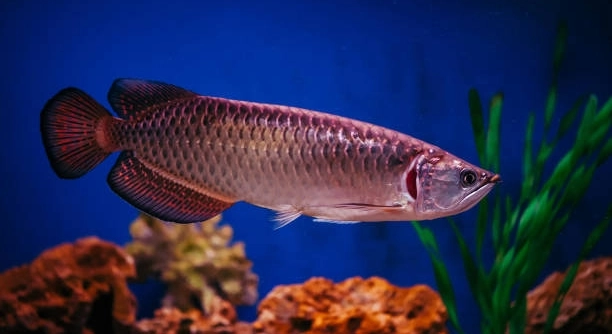
Arowanas are majestic fish that captivate many aquarists with their elegant swimming and shimmering scales. Observing them in a home aquarium often sparks curiosity about their behavior and whether they can develop daily routines.
Arowanas can form simple daily habits, primarily driven by feeding schedules and environmental cues. Consistent care, including regular feeding times and stable tank conditions, allows these fish to anticipate routines and exhibit predictable behaviors over time.
Understanding these patterns can improve care and interaction with your fish. Consistent observation helps maintain their health and strengthens the bond between owner and arowana.
How Arowanas Respond to Routine
Arowanas are surprisingly aware of their surroundings and can learn to respond to consistent cues. When feeding occurs at the same time each day, these fish quickly begin to associate certain actions with food. They may swim closer to the front of the tank, hover near the surface, or display alert movements when they sense their feeding time approaching. This behavior is not random but reflects their ability to recognize patterns and anticipate events. Tank lighting, feeding schedules, and even the presence of their owner can become part of their routine. Over time, these behaviors appear more predictable, showing that arowanas are capable of forming basic habits. Maintaining consistent conditions, such as water temperature and quality, also supports the development of these routines. Subtle changes in their environment can disrupt their patterns, highlighting the importance of stability for both their comfort and health. Observing these responses provides insight into how habits are formed in fish.
Regular observation helps owners notice subtle signs of stress or satisfaction in their arowana’s daily habits. Tracking behavior ensures a healthier, more stable environment.
Building these daily routines benefits the fish in multiple ways. Arowanas that are accustomed to consistent feeding times and environmental conditions tend to exhibit less stress and more natural activity. They become more predictable in their behavior, which can make tank maintenance and feeding easier for the owner. Consistent routines help with monitoring their health because sudden changes in appetite or behavior are easier to detect. Some arowanas may even learn to interact gently with their environment, following predictable swimming paths or responding to visual cues. While they do not form habits like mammals, their learned responses to repeated stimuli demonstrate a simple but effective type of daily habit formation. Owners who pay attention to these patterns often notice a stronger bond with their fish, as understanding their habits allows for more responsive care. Ultimately, routine and consistency improve both the fish’s welfare and the owner’s experience.
Encouraging Healthy Habits
Setting clear routines is key for arowanas’ well-being. Simple daily schedules create a sense of predictability and reduce stress.
Providing a structured environment, including regular feeding times and consistent water conditions, encourages positive habits in arowana. Over time, these fish may learn to anticipate meals, recognize their owner’s presence, and respond calmly to routine tank maintenance. Environmental enrichment, such as floating objects or stable hiding spots, can reinforce these patterns by giving the fish consistent points of interaction. It is also important to maintain tank hygiene, monitor water quality, and avoid sudden changes in temperature or lighting. Gradual introductions of new stimuli help the fish adapt without disrupting established routines. While arowanas do not exhibit complex routines like terrestrial animals, these consistent cues allow them to develop predictable behaviors that enhance their comfort and overall health. Owners who focus on stability and attentive observation often find their fish more active, responsive, and resilient in their daily life. This approach ensures the fish remains in good condition while making daily care easier to manage.
Signs Your Arowana Has Developed Daily Habits
Arowanas often display predictable behaviors when they develop daily habits. They may swim to specific areas at feeding times, respond to tank maintenance, or follow familiar paths around the tank. Recognizing these signs can help maintain consistent care and monitor their well-being effectively.
These fish quickly learn to associate environmental cues with routine events. For example, arowanas may swim near the water surface when lights are turned on or linger near the feeding area when they sense food preparation. Over time, these behaviors become more predictable, showing that the fish can adapt to repetitive stimuli. Understanding these patterns allows owners to anticipate the fish’s needs and create a stable environment that supports their natural behavior. Observing these signs also helps in spotting any disruptions that could indicate stress or illness, ensuring proactive care.
Daily habits also manifest in subtle interactions with the tank. Arowanas may follow consistent swimming routes, pause near decorations, or react calmly when the tank is cleaned. This predictability reflects their ability to learn from repeated experiences. By paying attention to these behaviors, owners can fine-tune feeding schedules, monitor health, and enrich the tank environment to reinforce positive routines. Maintaining stability strengthens these habits, promoting the fish’s comfort and long-term health. Consistent routines not only benefit the arowana but also make tank management smoother and more satisfying.
How to Support Habit Formation in Arowanas
Consistency is key for habit formation in arowanas. Regular feeding times, stable lighting, and predictable tank maintenance help these fish adapt quickly.
Creating a stable environment encourages the development of daily routines. Arowanas respond best when tank conditions, such as water temperature, pH levels, and filtration, are kept steady. Gradual changes in diet or environment should be introduced carefully to avoid stress. Repetition of positive stimuli, like regular feeding or interaction during tank cleaning, reinforces learned behaviors. Owners may notice the fish approaching the feeding area consistently or reacting calmly to routine handling. These predictable responses demonstrate the fish’s ability to anticipate events. Supporting habit formation also includes providing enrichment that encourages natural behavior, such as floating objects or hiding spaces, which offers mental stimulation while keeping routines intact. Over time, these efforts result in a healthier, more confident arowana, making care more manageable and enjoyable.
Factors That Influence Arowana Habits
Water quality and temperature play a major role in habit formation. Consistent conditions help arowanas feel secure, making them more likely to respond predictably to feeding and environmental cues.
Tank size and decoration also impact behavior. Open swimming space and stable hiding spots encourage regular movement patterns and daily routines.
Feeding Schedules and Their Impact
Arowanas thrive on consistent feeding routines. Providing food at the same time each day allows them to anticipate meals, reducing stress and encouraging predictable behavior. Variety in diet, balanced nutrition, and portion control are essential. Irregular feeding can disrupt these patterns, causing anxiety or overexcitement, which may affect their overall health. Maintaining a structured feeding schedule supports both habit formation and optimal growth while helping the fish remain active and alert. Over time, they may even begin to recognize the presence of their owner or specific cues associated with feeding, demonstrating their capacity to adapt to repeated stimuli. Consistent feeding practices are fundamental to their daily habits.
Environmental Stability Matters
Stable lighting and minimal sudden changes reinforce habits. Arowanas adjust better to consistent daily patterns and display calmer behavior.
FAQ
Can arowanas remember feeding times?
Yes, arowanas can remember feeding times. They quickly associate environmental cues, like the sound of food hitting the water or the presence of their owner, with mealtime. Over days and weeks of consistent feeding, they begin to anticipate when food is coming, showing alert or active behavior near the surface.
Do arowanas react to their owners?
Arowanas often recognize the presence of their owner, especially if feeding is involved. They may swim closer, follow movements near the tank, or become more active. This is not true affection as mammals show, but a learned response from repeated interaction. Consistency in routine strengthens this recognition.
How can I encourage daily habits in my arowana?
Maintaining regular feeding schedules, stable water conditions, and consistent lighting helps arowanas develop predictable behaviors. Gradually introducing enrichment, such as floating objects or hiding spots, reinforces routines. Avoid sudden changes in diet, temperature, or tank setup, as disruptions can confuse the fish and break habits.
Can arowanas get stressed if routines change?
Yes, sudden changes in feeding times, water temperature, or tank maintenance can stress arowanas. Stress may manifest as hiding, reduced appetite, or unusual swimming patterns. Keeping routines consistent and introducing any necessary changes gradually helps reduce stress and maintain healthy behavior.
How long does it take for an arowana to form habits?
Habits form over weeks of consistent routine. Observing the fish daily helps identify when it begins responding predictably to cues like feeding or lighting. Some behaviors, such as swimming to a specific area at mealtime, may appear within a few days, while more complex patterns require longer.
Do arowanas need environmental enrichment to form habits?
Environmental enrichment is helpful but not required for simple routines. Decorations, floating objects, and hiding spots provide mental stimulation and support natural behavior, making daily patterns more engaging. A stable tank environment combined with enrichment encourages predictable and healthy habits.
Is habit formation the same for all arowanas?
No, individual fish may vary in their response to routines. Factors like age, temperament, past experiences, and tank conditions influence how quickly and consistently they form habits. Monitoring each arowana allows you to adapt care practices to suit its specific behavior.
Can feeding at irregular times harm habit formation?
Yes, inconsistent feeding can disrupt daily habits. Arowanas may become anxious, overeat, or ignore certain cues if mealtime is unpredictable. Following a regular feeding schedule is essential to reinforce predictable behavior and support overall health.
Do arowanas remember previous owners or tanks?
Arowanas respond primarily to learned cues rather than personal attachment. They may react differently when moved to a new tank or handled by someone unfamiliar, but this behavior reflects adaptation to new conditions rather than memory of a specific person or place.
How can I monitor if my arowana’s habits are healthy?
Healthy habits include predictable swimming patterns, consistent appetite, and calm responses to routine events. Sudden changes, lethargy, or aggression may indicate stress or illness. Observing behavior daily allows you to maintain routines while adjusting care to keep the fish healthy and active.
Do lighting schedules affect daily habits?
Yes, consistent lighting helps regulate activity patterns. Arowanas often become more active with lights on and less so in darkness. Sudden changes or irregular light cycles can disrupt habits and stress the fish, making it important to maintain a stable schedule.
Can arowanas form habits without human interaction?
Yes, arowanas can develop habits based on environmental cues alone, such as feeding times, tank maintenance, or light changes. Human interaction may accelerate learning or recognition, but habits are primarily a response to repeated stimuli within the tank.
Are there limits to the habits arowana can form?
Arowanas can form simple, predictable habits but do not exhibit complex routines like mammals. Habits are largely driven by feeding, environmental stability, and repeated cues. They do not learn abstract tasks, but predictable daily behavior is achievable and beneficial.
What role does water quality play in habit formation?
Stable water quality supports predictable behavior. Fluctuations in temperature, pH, or cleanliness can disrupt daily patterns, stress the fish, and interfere with habit formation. Maintaining optimal water conditions is crucial for developing and sustaining healthy routines.
Can habits improve arowana health?
Yes, consistent routines reduce stress, promote regular feeding, and encourage activity, all of which support overall health. Predictable patterns allow owners to detect issues early and provide timely care, enhancing the fish’s well-being and longevity.
Final Thoughts
Arowanas are fascinating fish that can adapt to routines and develop simple daily habits over time. While their behavior is not as complex as that of mammals, repeated cues like consistent feeding, lighting, and tank maintenance allow them to respond in predictable ways. Observing these patterns closely can provide insight into their needs, moods, and overall health. Regular feeding schedules, stable water conditions, and minimal sudden changes help the fish anticipate daily events. These predictable behaviors make it easier to monitor their well-being and identify potential issues before they become serious. For instance, an arowana that swims toward the feeding area at the same time each day demonstrates that it has learned to associate cues with food. Over time, owners may notice other small routines, such as swimming to specific areas, following the tank’s edges, or pausing near hiding spots. Recognizing and supporting these behaviors contributes to a more stable, comfortable environment. It also enhances the overall interaction between the fish and its owner, even though arowanas do not form bonds in the same way mammals do.
Maintaining a consistent environment is essential for habit formation in arowanas. Water quality, temperature, and pH levels should be carefully monitored to avoid stress, which can disrupt routines. Arowanas are sensitive to sudden changes, and even minor fluctuations may affect behavior. Providing a stable feeding schedule helps them anticipate meals and reduces anxiety. Gradual introduction of new food types or enrichment items, such as floating objects or hiding spots, allows the fish to adjust without breaking established habits. By focusing on consistency, owners can encourage predictable behaviors that indicate the fish is comfortable and healthy. Daily observation is important not only for maintaining routines but also for detecting early signs of illness or stress. Habits that develop under stable conditions can reveal how well the fish is adjusting to its environment, making it easier to provide the appropriate care. Predictable patterns also allow for better tank management and can prevent overfeeding, underfeeding, or accidental stress caused by sudden changes.
Supporting habit formation in arowanas benefits both the fish and the owner. Fish that respond to routine cues tend to be more active, alert, and less prone to stress-related behaviors. They develop predictable patterns that make daily care more manageable, including feeding, cleaning, and monitoring health. Consistent routines help owners notice subtle changes in appetite, swimming behavior, or activity levels, allowing for timely intervention when problems arise. While arowanas may not form habits as complex as those seen in mammals, their ability to respond to repeated stimuli shows a remarkable level of adaptability. By providing stable conditions, maintaining regular feeding schedules, and observing behavior carefully, owners can foster an environment where their arowanas feel secure and thrive. Over time, these habits contribute to long-term health, increased activity, and an overall sense of stability for both the fish and the aquarium. Establishing and maintaining predictable routines ultimately enhances the quality of life for arowanas while making care straightforward and effective.

Hello,
If you enjoy the content that we create, please consider saying a "Thank You!" by leaving a tip.
Every little bit helps us continue crafting quality advice that supports the health, happiness, and well-being of pets around the world, for pets of all shapes, sizes, and species.
We really appreciate the kindness and support that you show us!