
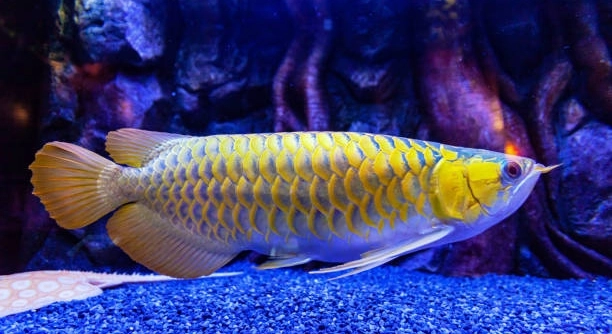
Arowanas are striking and intelligent fish that form connections with their owners. Observing their behavior closely can reveal how they respond to your presence and care in the aquarium. These interactions may indicate affection and familiarity.
Arowanas show signs of recognition and attachment through consistent swimming patterns near their owner, gentle nudging, and responsiveness to feeding routines. These behaviors reflect comfort and positive association, suggesting that the fish perceives the owner as a trusted part of its environment.
Learning to interpret these subtle behaviors allows you to better bond with your arowana and maintain its well-being within your aquatic setup.
Understanding Your Arowana’s Body Language
Arowanas communicate through body movements, posture, and positioning within the tank. Observing these cues is essential for recognizing their mood and level of comfort. When your arowana swims calmly near the glass where you stand, it shows familiarity and trust. Flicking fins or gentle tail movements toward you indicate curiosity and engagement. Sudden darting or hiding may signal stress or discomfort, rather than affection. Consistent observation over time allows you to notice patterns and changes in behavior, which helps in identifying positive interactions versus neutral or negative reactions. Feeding time often provides clear signals; a fish that anticipates your presence or swims to greet you is showing attachment. Likewise, recognizing subtle signs like eye movement, body tilting, or slow circling around the tank can reflect comfort. Each arowana has a unique temperament, so learning these specific habits strengthens understanding and builds a stronger connection.
Reading these behaviors regularly can improve your care approach and support their mental well-being.
Watching closely and noting small movements helps you understand what your arowana prefers and dislikes in its environment.
Responding to Your Arowana’s Signals
Reacting appropriately to your arowana’s behavior reinforces trust and reduces stress. Avoid sudden movements that might startle them, especially near the tank. Slow hand gestures and gentle tapping on the tank glass can encourage interaction without intimidation. Providing food in a consistent routine strengthens recognition and shows reliability. Environmental enrichment, such as floating objects or safe hiding areas, can invite exploration and interaction. Respecting their space when they retreat is crucial; forcing engagement can harm trust. Over time, your arowana will associate your presence with positive experiences, reinforcing its comfort and willingness to engage. Tracking changes in swimming patterns or responsiveness helps identify health or mood shifts early, allowing adjustments in care. Consistency in interaction, feeding, and tank maintenance signals predictability, which arowanas respond to favorably. Positive reinforcement, rather than abrupt or aggressive handling, ensures they feel secure and recognized, fostering subtle displays of attachment that grow stronger as familiarity increases.
Properly responding to signals ensures your arowana thrives, both physically and emotionally, and strengthens the bond you are building.
Feeding Interactions
Arowanas quickly learn to recognize the person who feeds them. Approaching the tank at feeding time often triggers excitement and movement toward the surface. They respond to cues like the sight of food or your hand near the water.
Consistent feeding routines help your arowana associate you with positive experiences. Over time, it may swim closer when you approach, follow your hand, or show eagerness during meal preparation. Some arowanas even appear to anticipate feeding moments, waiting near the surface. These behaviors reflect recognition and trust, suggesting they view you as part of their daily environment. Observing these reactions can guide how you interact safely and effectively, ensuring both engagement and the fish’s comfort.
Feeding interactions also offer insight into your arowana’s health. A responsive fish with a healthy appetite demonstrates well-being, while changes in enthusiasm or approach may indicate stress or illness. Monitoring these subtle cues ensures you address any issues early. Maintaining calm movements and consistency reinforces a positive bond, allowing your arowana to show attachment without fear or hesitation.
Play and Exploration
Arowanas display curiosity through exploring their tank, swimming around decorations, and occasionally nudging objects. These actions show engagement with their environment and responsiveness to stimuli.
Encouraging play can involve floating items or gentle movements in the water that attract attention. Observing how your arowana reacts helps determine its comfort and trust level. Some may interact with objects or follow slow movements near the tank, signaling attachment. Others prefer solo exploration, which is normal. Providing a safe and stimulating environment supports natural behavior and reduces boredom.
Regularly offering enrichment fosters mental stimulation and strengthens your connection with the fish. Introducing new but safe objects allows it to explore while monitoring reactions to ensure no stress occurs. These experiences reinforce the bond subtly, as your arowana learns to recognize you as a part of its daily routine. Watching interactions closely can reveal individual preferences, guiding how to present activities that both entertain and maintain trust. Over time, the fish may actively seek engagement, demonstrating comfort and curiosity alongside you in the tank environment.
Recognizing Trust
Arowanas often show trust by swimming calmly near the tank glass when you are present. Remaining still and avoiding sudden movements encourages them to stay close. This consistent behavior indicates comfort and a sense of safety around you.
Trust can also appear through gentle nudges or following your hand. These subtle gestures suggest the fish is comfortable with your presence and views you as non-threatening. Over time, repeated positive interactions build familiarity, which strengthens trust and encourages more frequent, relaxed engagement. Observing these patterns allows you to respond appropriately, maintaining a secure environment.
Signs of Affection
Some arowanas display attachment by consistently approaching when you enter the room. This behavior reflects recognition and interest, rather than random movement. They may linger near feeding areas or swim alongside your hand, signaling comfort and connection.
Maintaining a Calm Environment
Arowanas respond best to quiet surroundings with minimal abrupt changes. Keeping a stable tank environment supports their confidence and willingness to engage with you.
FAQ
How can I tell if my arowana recognizes me?
Arowanas show recognition by swimming to the front of the tank when you approach, following your hand slowly, or responding to feeding cues. They may linger near areas where you usually feed them or react to consistent movements, indicating they associate you with a safe and predictable environment.
Why does my arowana swim along the tank edges when I am near?
Swimming along the edges can indicate curiosity and awareness of your presence. It may also reflect comfort in observing you without fully approaching. Over time, repeated positive interactions, like feeding and gentle movement, encourage closer engagement and trust.
What are the signs that my arowana enjoys my company?
Signs include calm swimming near your presence, gentle nudging, following slow hand movements, and active interest during feeding. Some arowanas wait near the surface when they see you, which reflects recognition and attachment. Behavioral consistency over days or weeks shows comfort and a positive association.
How do I avoid stressing my arowana while interacting?
Move slowly around the tank and avoid sudden gestures. Maintain consistent feeding schedules and clean the tank carefully without startling the fish. Avoid tapping the glass excessively, as abrupt sounds or movements can trigger stress. Respect retreating behavior and allow space when the fish is hiding.
Can arowanas form long-term attachment to their owner?
Yes, they can. Repeated positive interactions, calm handling, and predictable feeding routines contribute to trust and attachment. While not like mammals, arowanas can show preference for familiar people and respond positively to their presence, demonstrating a form of bond over time.
Why does my arowana ignore me sometimes?
Ignoring behavior may be due to stress, health issues, or simply the fish’s natural independence. Changes in water conditions, illness, or irregular feeding can reduce engagement. Ensuring stable conditions, observing behavior patterns, and maintaining calm routines improve responsiveness.
How important is tank environment for interaction?
A stable, calm environment is crucial. Clear water, proper temperature, and minimal abrupt disturbances help your arowana feel secure. Safe decorations, hiding spots, and enough space to swim freely support natural behavior, making the fish more likely to interact and show attachment over time.
Do arowanas remember past interactions?
Yes, they have a strong memory for routines and familiar individuals. They recognize feeding patterns, approach familiar faces, and may respond more eagerly to people who regularly engage with them. Consistent, positive interactions strengthen recognition and trust over weeks and months.
Can arowanas show affection differently than other fish?
Arowanas display attachment through subtle behaviors like swimming near you, nudging objects, or following gentle movements. Unlike smaller or more social fish, these signs are often less overt but consistent. Observation over time reveals patterns indicating comfort and positive association with your presence.
What should I do if my arowana seems distant?
Check water quality, temperature, and diet first. Ensure minimal disturbances and give the fish space to feel secure. Reintroduce gentle interactions slowly, using consistent feeding routines or calm movements near the tank. Patience and observation help rebuild engagement and trust gradually.
How does feeding impact the bond with my arowana?
Feeding is a primary way arowanas associate you with positive experiences. Regular schedules, calm delivery, and observing their reaction strengthen recognition. Over time, they may anticipate your presence at feeding times, demonstrating attachment and trust.
Are some arowanas naturally more interactive?
Yes, temperament varies by individual. Some are naturally curious and responsive, while others are cautious and prefer observing from a distance. Understanding your fish’s personality helps guide interactions and ensures a comfortable, trusting environment that encourages engagement.
How can I safely encourage interaction without stress?
Move slowly, maintain consistency in routines, and provide enrichment like floating objects or safe tank decorations. Avoid sudden taps or rapid hand movements. Positive reinforcement through calm feeding and quiet observation encourages interaction while keeping the fish relaxed and confident.
What is the best way to measure if my arowana likes me?
Consistency in approach, willingness to swim near your hand, and responsiveness during feeding are key indicators. Observing repeated patterns over days or weeks shows trust and comfort, which are signs of recognition and attachment.
Can arowanas show mood changes toward their owner?
Yes, they can respond differently based on stress, health, or environment changes. A calm and responsive fish indicates comfort, while avoidance or hiding may signal stress. Monitoring these subtle behaviors ensures proper care and helps maintain a positive relationship.
How often should I interact with my arowana?
Daily, gentle interaction during feeding or tank maintenance helps build recognition and trust. Avoid forcing engagement; short, calm sessions are more effective than prolonged or aggressive attempts, allowing the fish to remain comfortable while strengthening attachment.
Is it normal for my arowana to sometimes act aloof?
Yes, independence is natural. Even fish that regularly show recognition may occasionally ignore you. This behavior does not necessarily reflect dislike but rather their natural rhythm or temporary stress. Consistent care and gentle interaction maintain overall comfort and trust.
How can I tell if my arowana is stressed rather than just independent?
Stress signs include erratic swimming, hiding for long periods, loss of appetite, or rapid gill movement. Independence usually appears as calm observation or minimal engagement. Monitoring health, water quality, and environmental stability helps distinguish between stress and natural behavior.
What small behaviors indicate growing attachment?
Following hand movements, waiting near the surface during feeding, and lingering near your presence are subtle signs. These repeated actions show comfort and positive association, signaling that your arowana recognizes and responds to you over time.
How do I maintain a healthy bond long-term?
Keep a calm and stable environment, maintain consistent feeding routines, observe behavior closely, and respect the fish’s space. Gentle, predictable interactions allow your arowana to recognize and trust you, ensuring a steady, positive relationship over months and years.
Final Thoughts
Caring for an arowana involves more than just providing food and clean water. These fish are intelligent and observant, capable of recognizing the person who tends to them and responding to consistent routines. Over time, your presence becomes familiar, and subtle behaviors can indicate trust and comfort. Swimming close to the glass, following gentle movements, and showing interest during feeding are all ways your arowana expresses recognition. Observing these cues carefully helps you understand how your fish feels and allows you to respond in ways that encourage positive interaction. Each arowana has a unique personality, so learning its specific habits is essential. Some may be naturally more curious and active, while others are cautious and prefer observation from a distance. Neither approach is wrong; it simply reflects individual temperament. Respecting these differences ensures that your arowana remains calm and comfortable in its environment while allowing opportunities for gradual attachment.
Creating a consistent and stable environment is key to fostering a sense of security. Arowanas are sensitive to sudden changes in their tank, including rapid movements, abrupt noises, or inconsistent feeding schedules. Maintaining predictable routines reassures your fish and strengthens the association between your presence and positive experiences. Providing a clean tank, proper water conditions, and safe hiding spots supports both physical health and mental well-being. Enrichment, such as floating objects or gentle movement of safe decorations, encourages exploration and curiosity without causing stress. During interactions, slow and deliberate gestures are most effective in gaining the fish’s attention and promoting calm engagement. Over time, these small but consistent efforts help your arowana recognize you as part of its environment, allowing trust to develop naturally. Observing and responding to your fish’s signals is a continuous process, but it creates a rewarding connection built on understanding and respect.
Bonding with an arowana is a gradual process that relies on patience and attentiveness. Positive reinforcement through feeding, calm observation, and gentle interaction encourages recognition and attachment. Paying attention to subtle cues such as body movements, positioning, and patterns of engagement helps identify comfort levels and preferences. Some arowanas may follow your hand during feeding, wait near the surface, or interact with objects you introduce, all of which indicate interest and trust. At the same time, it is important to allow space when your fish retreats or avoids interaction, as forcing engagement can cause stress. Long-term attachment is built on respect for your arowana’s natural behavior, maintaining stable conditions, and providing consistent care. By observing patterns, responding appropriately, and offering a secure environment, you foster a relationship that benefits both the fish and yourself. These ongoing efforts lead to a stronger understanding of your arowana’s needs, preferences, and personality, creating a rewarding experience for both caretaker and fish.
Word count: 414

Hello,
If you enjoy the content that we create, please consider saying a "Thank You!" by leaving a tip.
Every little bit helps us continue crafting quality advice that supports the health, happiness, and well-being of pets around the world, for pets of all shapes, sizes, and species.
We really appreciate the kindness and support that you show us!