
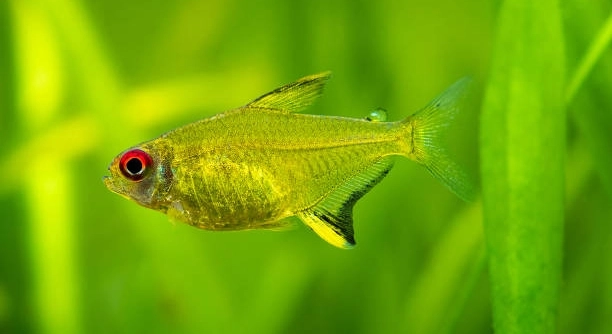
Are your lemon tetras swimming energetically across the tank, showing off their bright colors and playful movements? Observing their behavior can help you understand if your fish is thriving in its environment. Small signs often reveal important details.
A happy lemon tetra displays consistent activity, vibrant coloration, and smooth, coordinated swimming patterns. Regular feeding responses and interaction with tank mates indicate a stable, stress-free environment, which contributes significantly to the fish’s overall well-being and health.
Monitoring your fish carefully allows you to respond to subtle changes early. Learning these indicators can make caring for your lemon tetra more rewarding and effective.
Recognizing Signs of Happiness in Lemon Tetras
Lemon tetras show happiness through active swimming and exploring their environment. A vibrant, yellow hue is a reliable indicator of well-being, reflecting proper nutrition and low stress levels. Observing their interactions with other fish also provides clues. When tetras swim in coordinated groups, it shows comfort and social stability. Eating consistently and showing interest in food are additional signs of contentment. Stress behaviors like hiding, lethargy, or fading color indicate issues that need attention. Water quality, tank size, and compatible tank mates play a major role in maintaining their happiness. Regularly checking water parameters ensures the environment remains stable, supporting their natural behavior. Providing plants and hiding spots allows tetras to express normal instincts, reducing stress. Small daily observations can help detect early problems before they affect overall health. Creating a balanced habitat promotes long-term happiness and encourages active, lively behavior that makes your tank visually engaging and healthy.
Monitoring these behaviors closely allows timely adjustments for their well-being. Consistency is key to maintaining happy tetras.
Maintaining an appropriate diet and stable environment is essential. Lemon tetras thrive on a mix of high-quality flakes, frozen, or live foods. Observing feeding behavior ensures they are eating well, which supports growth and coloration. Tank conditions such as temperature, pH, and cleanliness directly affect happiness. A group of at least six tetras reduces stress and promotes social behavior, while overcrowding can lead to aggression or hiding. Plants, rocks, and open swimming areas provide a balanced habitat, allowing exploration and rest. Minimal sudden changes in light, noise, or water conditions prevent stress responses. Frequent observation allows identification of early health or social issues. Ensuring compatible tank mates avoids conflict and maintains peaceful interactions. Regular partial water changes reduce toxins and keep the environment stable. Happiness in tetras is not just about visible signs but also about creating conditions where natural behaviors can flourish consistently.
Common Stress Indicators
Lemon tetras may show stress through erratic swimming, hiding, or dull coloration. Promptly addressing these signs can prevent long-term health issues.
Stress often stems from poor water quality, inadequate tank size, or incompatible tank mates. Sudden changes in temperature, strong currents, or bright lighting can also trigger anxiety. Overcrowding reduces personal space, leading to fatigue and aggression. Observing social interactions helps determine if tetras feel safe within their group. Dietary deficiencies or irregular feeding schedules can worsen stress, causing lethargy or diminished colors. In some cases, illness may mimic stress behaviors, requiring careful monitoring and intervention. Maintaining stable conditions with regular water testing, proper filtration, and a balanced diet minimizes stress factors. Plants and hiding spots provide comfort, allowing tetras to retreat when needed. Creating a predictable and calm environment helps reinforce natural behavior and ensures they remain active and visible. Attention to these details not only supports physical health but also encourages social and exploratory activities. Consistent care allows tetras to thrive, displaying both vibrant colors and confident swimming patterns.
Creating an Ideal Tank Environment
A balanced tank setup is essential for lemon tetras’ happiness. Proper temperature, water quality, and lighting directly affect their health. Plants and hiding spots give security and reduce stress. Open swimming areas encourage natural movement and social interaction, keeping tetras active and calm.
Maintaining temperature between 72–78°F and a pH around 6.5–7.0 creates a stable environment. Regular water changes and proper filtration remove toxins and prevent disease. Live plants not only provide hiding places but also support natural behavior, while smooth substrate prevents injuries. Decorating the tank with rocks and driftwood offers variety without overcrowding. Open areas for swimming are equally important, allowing tetras to form schools and display coordinated movements. Ensuring stability in these conditions reduces stress and promotes vibrant colors, strong appetites, and active behavior, all signs of a happy tetra thriving in its environment.
Plants and hiding spots help reduce stress, while open areas allow tetras to swim naturally. Regular maintenance prevents harmful conditions. Observation ensures adjustments when needed, supporting long-term well-being.
Social Behavior and Group Dynamics
Lemon tetras are schooling fish and thrive in groups of at least six. Their interactions reveal comfort and social stability within the tank. Consistent swimming patterns and coordinated movement indicate a healthy social hierarchy.
Strong group dynamics reduce stress and promote confidence. When tetras feel secure with tank mates, they exhibit vibrant colors, synchronized swimming, and playful chasing rather than aggression. Observing interactions allows early detection of bullying, isolation, or dominance issues. Proper group size prevents territorial conflicts and ensures everyone has access to food and swimming space. Maintaining peaceful tank mates is crucial, as aggressive or overly active species disrupt harmony. Healthy social environments contribute to feeding efficiency, reduce hiding behavior, and reinforce natural schooling instincts. Balanced group interactions are as important as tank conditions for overall well-being, ensuring tetras remain active, healthy, and visibly happy in their environment.
Feeding Habits and Nutrition
Regular feeding supports lemon tetras’ health and happiness. Providing high-quality flakes or pellets alongside occasional frozen or live foods ensures a balanced diet. Observing their eating behavior helps identify stress or health issues early.
Overfeeding can lead to water quality problems, while inconsistent feeding may cause lethargy or competition among fish. Maintaining a routine and portion control keeps tetras active and vibrant, supporting natural behavior and coloration.
Water Quality Maintenance
Maintaining clean water is critical for happy lemon tetras. Regular testing for pH, ammonia, nitrite, and nitrate levels prevents stress and illness. Adequate filtration and partial water changes help sustain a stable environment and reduce harmful buildup.
Tank Size and Space Considerations
Lemon tetras need sufficient space to swim freely. A crowded tank increases stress, triggers aggression, and reduces overall well-being. Providing open areas alongside plants and decorations allows natural movement and schooling behavior to thrive.
Observing Health Indicators
Vibrant coloration, active swimming, and consistent appetite are clear indicators of a healthy, happy tetra. Dull colors or lethargy signal the need for environmental or dietary adjustments.
FAQ
How many lemon tetras should I keep together?
Lemon tetras are schooling fish and need at least six in a tank to feel secure. Smaller groups can cause stress, leading to hiding or lethargy. Keeping them in larger groups encourages natural swimming patterns, social interactions, and active behavior. Proper group size also reduces bullying and allows even access to food and space.
What tank size is best for lemon tetras?
A minimum of 20 gallons is recommended for a small group of six tetras. Larger tanks are better for bigger schools, as they provide enough open swimming areas and reduce territorial conflicts. Open spaces alongside plants and decorations encourage schooling, resting, and natural exploration. Proper space directly influences their happiness and health.
What should I feed my lemon tetras?
A varied diet keeps tetras healthy and colorful. High-quality flakes or pellets can be supplemented with frozen or live foods like brine shrimp, daphnia, or bloodworms. Feeding small amounts two to three times a day prevents overfeeding, maintains water quality, and ensures all fish get sufficient nutrition. Monitoring their eating habits also helps detect early health or stress issues.
How often should I change the water?
Regular water changes are essential to prevent toxin buildup. A partial water change of 20–30% weekly helps maintain stable parameters. Cleaning the substrate and checking filtration ensures debris does not accumulate. Stable water conditions reduce stress, promote vibrant colors, and prevent illness in lemon tetras.
What water parameters are ideal?
Lemon tetras thrive in slightly acidic to neutral water, with a pH of 6.5–7.0. Temperature should stay between 72–78°F, and ammonia and nitrite levels must remain at zero. Nitrate levels should be kept under 20 ppm. Maintaining consistent water parameters supports natural behavior, prevents stress, and keeps tetras active and healthy.
Can lemon tetras live with other fish?
Yes, but tank mates should be peaceful, small, and non-aggressive. Suitable species include small rasboras, corydoras, and peaceful dwarf gouramis. Aggressive or overly active fish can stress tetras, leading to hiding, color loss, or disrupted schooling behavior. Observing interactions helps maintain a calm, balanced community.
What signs indicate stress or unhappiness?
Hiding, lethargy, faded coloration, or erratic swimming are clear signs of stress. Overcrowding, poor water quality, incompatible tank mates, or sudden environmental changes are common causes. Detecting these behaviors early allows adjustments to water, diet, or tank setup, preventing long-term health issues.
Do lemon tetras need plants in their tank?
Plants provide security, resting spots, and visual barriers that reduce stress. Live plants also support water quality by absorbing excess nutrients. A mix of dense areas and open swimming spaces encourages natural behavior, making tetras feel safe and confident in their environment.
How do I know if my tetra is healthy?
Active swimming, bright colors, smooth scales, and consistent appetite are clear indicators. Any sudden changes in appearance or behavior should prompt observation and possible adjustments to diet, water, or tank mates. Early attention prevents illness and maintains happiness.
Can I keep lemon tetras alone?
No, they are social fish and require a group to thrive. Isolated tetras often become stressed, hide frequently, and lose color. Keeping them in schools encourages interaction, natural behavior, and overall well-being.
How can I prevent aggression in the tank?
Provide adequate space, hiding spots, and ensure a proper group size. Avoid aggressive tank mates and monitor behavior regularly. Peaceful environments allow tetras to swim freely, feed without competition, and maintain their natural schooling behavior.
Is lighting important for lemon tetras?
Moderate lighting highlights their colors and supports plant growth without causing stress. Sudden changes in light can startle tetras, so consistent, indirect lighting is ideal. Light cycles that mimic day and night help maintain natural rhythms and activity levels.
How long do lemon tetras live?
With proper care, lemon tetras can live 5–8 years. Stable water, balanced diet, social environment, and clean conditions all contribute to their lifespan. Observing behavior and health ensures they live a full, happy life.
What should I do if a tetra becomes sick?
Isolate affected fish to prevent the spread of disease. Check water quality and maintain stable conditions. Feeding high-quality food and monitoring for symptoms like fin rot, spots, or lethargy allows for prompt treatment. Early intervention is key to recovery and happiness.
Can stress affect coloration?
Yes, stressed tetras often show faded or dull colors. Proper diet, water quality, tank mates, and environmental stability maintain vibrant coloration. Healthy, stress-free fish display bright yellow hues and shiny fins, reflecting overall well-being and contentment.
How often should I observe my tetras?
Daily observation is important. Noticing changes in swimming patterns, appetite, or interactions helps catch early signs of stress or illness. Regular monitoring ensures the tank remains a safe, stable environment, promoting active, happy tetras consistently.
Lemon tetras are small, vibrant fish that bring life and movement to any freshwater aquarium. Observing their behavior and appearance gives valuable insight into their well-being. Happy tetras are active, swim in coordinated schools, and display bright yellow coloration. They explore their environment confidently, interact well with tank mates, and respond consistently to feeding times. Creating conditions that support these natural behaviors is essential for their long-term health. Ensuring proper water parameters, stable temperatures, and clean, well-filtered water prevents stress and disease, allowing tetras to thrive. Even small adjustments in tank setup, such as adding plants or hiding spots, can make a significant difference in their comfort and security. By understanding these fundamental needs, owners can foster a stable environment that promotes both physical health and behavioral richness in their fish.
Feeding practices also play an important role in the happiness of lemon tetras. A balanced diet with high-quality flakes, supplemented with frozen or live foods, supports growth, color vibrancy, and overall vitality. Observing their feeding behavior helps detect early signs of health problems or stress. Overfeeding or irregular schedules can negatively impact water quality and lead to lethargy or competitive behavior among tetras. A proper routine ensures that each fish receives adequate nutrition while maintaining stable tank conditions. Alongside diet, monitoring social interactions is crucial. Lemon tetras are schooling fish and require a group to feel secure. A small group can cause stress, while overcrowding may lead to aggression. Providing enough space and maintaining peaceful tank mates encourages natural schooling behavior, reduces tension, and allows the fish to express normal activity. Healthy social dynamics, combined with proper diet and tank management, form the foundation for a thriving tetra community.
Regular observation and consistent care are the keys to maintaining a happy aquarium. Daily attention to water quality, temperature, and fish behavior allows early detection of issues that might otherwise go unnoticed. Signs of stress, such as hiding, faded coloration, or erratic swimming, indicate the need for adjustments in tank conditions, social grouping, or diet. Encouraging natural behaviors by providing open swimming areas, plants, and hiding spots ensures tetras feel safe and active. Over time, maintaining these conditions leads to confident, energetic, and visually striking fish that reflect well-being and contentment. A well-maintained tank also reduces the likelihood of disease, promotes longevity, and allows owners to enjoy the natural beauty and social interactions of their lemon tetras. Consistent care, combined with attention to their specific environmental and social needs, creates an aquarium where lemon tetras can flourish, demonstrating clear signs of happiness through their appearance, movement, and interactions.

Hello,
If you enjoy the content that we create, please consider saying a "Thank You!" by leaving a tip.
Every little bit helps us continue crafting quality advice that supports the health, happiness, and well-being of pets around the world, for pets of all shapes, sizes, and species.
We really appreciate the kindness and support that you show us!