
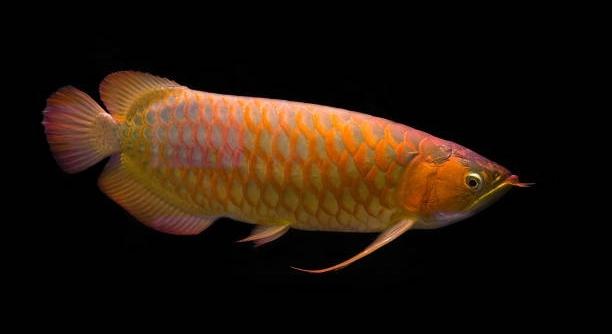
Are your arowanas acting restless or stressed during water changes? Many fish owners notice sudden movements or hiding behaviors when fresh water is added. Keeping them calm requires gentle care and consistent handling routines.
The most effective way to keep arowanas calm during water changes is by gradually adjusting water temperature, minimizing sudden movements, and maintaining familiar surroundings. Providing hiding spots and limiting external disturbances helps reduce stress and supports stable aquatic conditions.
Even small adjustments can make a big difference for your fish’s comfort and health, making future water changes smoother for both you and your arowana.
Gradual Water Changes
When I started keeping arowanas, I noticed they became very agitated when I replaced a large portion of the tank water all at once. Gradual water changes are far less stressful and allow your fish to adjust slowly to new conditions. Start by changing only 10–20% of the water at a time, repeating every few days instead of doing large replacements. This helps maintain stable water parameters, including pH, temperature, and mineral content, which arowanas are very sensitive to. I also make sure the water added is pre-treated and matches the tank’s temperature closely. Using a siphon or bucket carefully can prevent strong currents that unsettle the fish. Over time, your arowana will remain calmer during these smaller changes, reducing erratic swimming and hiding behaviors. Patience and consistency are key, and it quickly becomes easier to manage stress levels in the tank.
Smaller, frequent water changes reduce shock and keep arowanas from becoming overly stressed or aggressive.
Gradual water changes are more than just gentle handling. They protect delicate gill tissue, maintain beneficial bacteria in filters, and support a stable environment. By changing water slowly, you preserve essential minerals and prevent sudden chemical shifts. I’ve found this method also keeps the tank cleaner overall because it prevents sudden disturbances that stir up debris. Over time, the arowanas seem to recognize the process and swim calmly, allowing me to monitor their health more effectively. It’s a simple routine, but consistency is crucial. Matching temperature and avoiding sudden splashes keeps stress minimal, creating a more balanced, peaceful tank environment.
Limit External Disturbances
Arowanas are sensitive to sudden noises and movements near the tank. Keeping the area quiet during water changes helps them stay calm.
Limiting disturbances prevents panic reactions and allows fish to remain in their preferred spots. It also minimizes risk of injury from darting around.
External activity around the tank can significantly affect your arowana’s behavior. I make a habit of moving slowly, speaking softly, and avoiding shadows over the tank when performing maintenance. Even small vibrations from footsteps or tapping on the glass can trigger sudden movements, which are stressful. If children or other pets are nearby, I gently guide them away during water changes. Lighting changes are also important; I usually keep overhead lights off or dimmed to reduce sudden brightness. Over time, creating this calm environment allows arowanas to feel secure during routine maintenance. They begin to swim steadily, explore the tank confidently, and show less stress-related behavior. Maintaining a peaceful area benefits not only their health but also makes water changes easier and safer for me.
Maintain Consistent Water Temperature
Keeping water temperature stable reduces stress during changes. Sudden shifts can make arowanas panic or hide. Matching new water to the tank temperature is essential.
I always measure the temperature of the water before adding it to the tank. I use a reliable aquarium thermometer and adjust with a heater or letting it sit at room temperature. Even a few degrees difference can make arowanas restless. Maintaining a steady temperature ensures that their metabolism and immune system are not affected. Over time, this practice makes water changes smoother and the fish calmer, as they become familiar with the gentle, consistent routine.
Stable temperatures also help preserve beneficial bacteria in the filter and prevent sudden chemical changes. I’ve noticed that when the water temperature is consistent, my arowanas swim steadily and show fewer stress signs. Gradually adjusting water temperature before adding it keeps the environment safe and predictable. This approach reduces shock, supports long-term health, and keeps the tank balanced.
Provide Hiding Spots
Arowanas feel safer when they have places to hide during water changes. Hiding spots reduce panic and allow them to rest.
Adding driftwood, rocks, or large decorations gives them security. I arrange these strategically so they can retreat without being trapped.
Providing hiding places is crucial for reducing stress. I use large pieces of driftwood, caves, or tall plants to give my arowanas options during water changes. Even when I gently pour new water, they often swim to these areas and remain calm. Hiding spots mimic natural environments where arowanas would feel safe, and they also help break up strong currents created during maintenance. I make sure decorations are secure to avoid accidents or injuries. Over time, my fish learn these areas are safe retreats, and water changes no longer cause frantic swimming or panic. It has improved their overall comfort and well-being significantly.
Minimize Strong Currents
Strong water flow can make arowanas nervous during changes. Gentle movement keeps them calm and prevents sudden darting.
I always pour water slowly and direct it toward the side of the tank. Using a diffuser or placing your hand in the flow softens the current and reduces stress.
Limit Handling
Frequent or rough handling increases stress levels. Minimizing direct contact helps maintain calm behavior in arowanas.
Whenever I need to move them, I use soft nets and avoid quick movements. Handling only when necessary keeps them more relaxed during routine maintenance and water changes.
Use Dim Lighting
Bright lights during water changes can startle arowanas. Dimming the lights reduces sudden reactions and keeps the tank peaceful.
FAQ
How often should I perform water changes for my arowana?
I usually change about 10–20% of the water weekly. Frequent small changes are better than large, infrequent ones because they maintain stable water conditions and prevent stress. Over time, my arowanas swim calmly during these routines and show fewer signs of agitation.
What is the best water temperature for arowanas?
I keep the water between 75°F and 82°F. Matching the temperature of new water to the tank is important. Even slight differences can stress them, making them hide or swim frantically. A stable temperature helps maintain their metabolism and reduces sudden behavioral changes.
Can arowanas be stressed by loud noises?
Yes, they are very sensitive to vibrations and sudden sounds. I make sure the room is quiet during water changes. Moving slowly and speaking softly near the tank prevents panic, allowing them to stay calm in their hiding spots or swim steadily.
Should I add water directly or use a diffuser?
I always pour water slowly and, when possible, use a diffuser or place my hand in the stream to soften the flow. Strong currents can scare arowanas, causing them to dart or bump into decorations. A gentle approach keeps them relaxed.
Do arowanas need hiding spots during water changes?
Absolutely. I provide driftwood, caves, or tall plants for retreats. Hiding places reduce stress and mimic their natural environment. Even during careful water changes, arowanas often move to these areas, helping them stay secure and calm.
How long should I keep lights dimmed during water changes?
I usually dim lights for the entire duration of the water change and a few minutes afterward. Sudden brightness can startle arowanas. Soft lighting helps them remain calm while adjusting to the new water, especially when combined with hiding spots and gentle flow.
Can water additives stress arowanas?
Yes, abrupt changes in water chemistry can be stressful. I always test water parameters before adding new water. Any conditioners, dechlorinators, or supplements are added gradually to prevent shock, which keeps my fish healthy and calmer during routine maintenance.
Is it okay to handle arowanas during water changes?
I try to avoid handling unless necessary. Direct contact can increase stress and cause injuries. If I must move them, I use soft nets and slow movements. Limiting handling allows arowanas to feel secure, swim naturally, and avoid panic responses.
Why do arowanas dart after water changes?
Sudden changes in water temperature, chemistry, or current often trigger this. I found that using gradual water replacement, stabilizing temperature, and creating hiding spots prevents this behavior. Over time, they remain calmer and adjust more easily to maintenance routines.
Can dimming lights and reducing disturbances really help?
Yes, in my experience, arowanas respond well to a quiet environment. Limiting vibrations, keeping the room calm, and using dimmed lighting during water changes makes a significant difference in reducing stress and erratic swimming.
How do I know if my arowana is stressed?
Signs include hiding excessively, darting, loss of appetite, or clamped fins. I observe my fish carefully during water changes. By applying slow water replacement, dim lighting, and gentle handling, these stress signs often disappear, showing that the fish are comfortable and adjusting well.
Can I combine all these methods?
Yes, combining gradual water changes, stable temperature, gentle flow, hiding spots, and minimal disturbances creates the best environment. I always use multiple strategies together, and my arowanas remain calmer and healthier during every maintenance session.
Are frequent water tests necessary?
I test water weekly to monitor pH, ammonia, nitrite, and nitrate levels. Maintaining stable conditions prevents stress and supports their health. Frequent checks ensure that gradual water changes and additives do not cause sudden fluctuations, keeping my fish calm and thriving.
Do arowanas adapt to water change routines over time?
Yes, they learn patterns. After consistent gentle practices, my arowanas swim steadily and show less panic. They anticipate calm water replacement and retreat spots, making maintenance easier and reducing stress-related behavior significantly.
How long should a water change session last?
I aim for 20–30 minutes for small, gradual changes. Taking time prevents rushing, reduces strong currents, and allows my arowanas to stay calm while adjusting. Longer sessions are okay if paced slowly, but I avoid sudden additions or removals of water.
What should I avoid during water changes?
I avoid sudden temperature shifts, strong currents, loud noises, direct handling, and skipping hiding spots. Any abrupt change can stress arowanas. By eliminating these factors, water changes become a calm, routine part of tank maintenance.
This FAQ approach has helped me maintain arowanas that are calmer, healthier, and more responsive during every water change.
Final Thoughts
Keeping arowanas calm during water changes is about creating a stable and predictable environment. From my experience, sudden movements, changes in temperature, or loud noises can cause them stress. Small, gradual water changes help prevent shock and allow the fish to adjust slowly. Matching the temperature of new water to the tank, using gentle water flow, and minimizing disturbances are simple steps that make a significant difference. Over time, these practices reduce frantic swimming, hiding, or other stress-related behaviors, creating a calmer atmosphere in the tank. Consistency is key, as arowanas quickly adapt to regular routines and respond well to predictable care.
Providing hiding spots is another essential factor in maintaining calm behavior. Driftwood, caves, and tall plants give arowanas places to retreat when water is being replaced or disturbed. These safe zones reduce panic and mimic natural environments, helping the fish feel secure. Even with careful water changes, having a place to hide allows them to rest and stay relaxed. I have noticed that once my arowanas have familiar retreats, they spend less time darting around and more time swimming steadily. Hiding spots also break up strong currents during water changes, further minimizing stress and giving the fish a sense of control over their space.
Finally, observing and understanding your arowanas’ responses is just as important as following routines. Signs of stress, such as clamped fins, loss of appetite, or excessive hiding, indicate that adjustments may be needed. I check water parameters regularly to ensure pH, temperature, and chemical levels remain stable. Dimmed lighting and limited handling further help reduce stress. By combining gradual water changes, safe retreats, gentle water flow, and careful observation, arowanas remain calmer and healthier. These practices create a safer environment, improve their overall well-being, and make routine maintenance much easier for both the fish and the caretaker. Patience and attention to detail turn water changes into a low-stress process that benefits long-term health and comfort.

Hello,
If you enjoy the content that we create, please consider saying a "Thank You!" by leaving a tip.
Every little bit helps us continue crafting quality advice that supports the health, happiness, and well-being of pets around the world, for pets of all shapes, sizes, and species.
We really appreciate the kindness and support that you show us!