
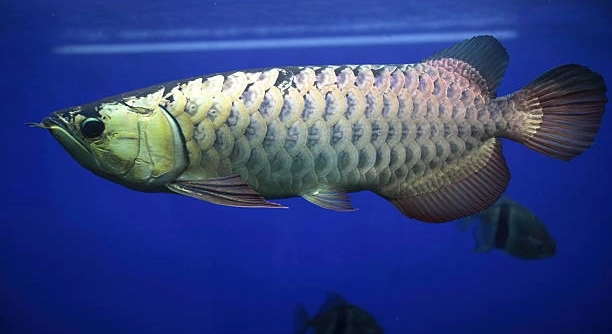
Are your arowanas swimming lazily and showing little interest in their environment? Observing these graceful fish move sluggishly can be discouraging for any aquarium enthusiast who values a lively aquatic display.
Increasing your arowana’s activity can be achieved through proper tank management, varied diet, and environmental enrichment. Regular water changes, stimulating decorations, and consistent feeding schedules contribute to enhanced movement and healthier behavior patterns.
Simple adjustments in care and environment can transform your arowana’s energy levels and overall well-being. These small changes often make a noticeable difference in daily activity.
Adjusting Tank Conditions
Keeping your arowana active starts with the environment. The tank size, water temperature, and filtration all play a role in its energy levels. Arowanas need spacious tanks to swim freely, as cramped spaces can make them lethargic. Ideal water temperatures range between 75°F and 82°F. Maintaining proper pH levels and regular water changes ensures a clean habitat that encourages natural movement. Lighting can also affect activity. Bright lights during the day and dimmer lighting at night help simulate natural conditions. Decorations such as driftwood or plants provide hiding spots, which reduce stress and encourage exploration. Observing your arowana’s response to small environmental changes can indicate whether adjustments are effective. Even minor improvements in water quality or space can significantly boost its willingness to move and interact with its surroundings, promoting both physical health and mental stimulation.
Arowanas respond positively to stable and clean water conditions. Small changes can noticeably increase activity levels.
Providing the right tank environment not only keeps your arowana active but also supports its long-term health. Clean water, proper temperature, and space to swim are essential. Adding hiding spots and decorations encourages natural behaviors, making the fish feel more secure. Regular monitoring helps ensure the conditions remain optimal, creating a stimulating habitat.
Feeding Techniques for More Activity
Feeding plays a crucial role in your arowana’s liveliness.
Offering a varied diet encourages natural hunting behavior and increases energy. Rotate between live, frozen, and pellet foods to keep feeding stimulating. Avoid overfeeding, as excess food can reduce activity and harm water quality.
To promote activity, feeding should mimic natural behavior. Live or frozen foods, like small fish or insects, stimulate the arowana’s hunting instincts, prompting it to swim and chase. Pellets can be used for consistency but should be supplemented with protein-rich options. Feeding small portions multiple times a day encourages movement and prevents lethargy. Removing uneaten food immediately prevents decay and keeps water clean, further supporting activity. Observing how your arowana responds to different foods helps refine the feeding routine. Structured feeding not only boosts physical activity but also enhances overall health and reduces stress, making your arowana more alert and engaged throughout the day. Consistency, variety, and portion control are key to maintaining a lively, healthy fish.
Encouraging Movement Through Toys and Enrichment
Adding objects like floating logs or plants can make your arowana more curious and active. These enrichments provide both hiding spots and interactive areas, stimulating exploration and natural swimming behaviors.
Toys and decorations simulate a more dynamic environment. Floating objects and carefully placed plants encourage the arowana to swim around and investigate. Mirrors or gentle water currents can also prompt movement. Introducing change gradually prevents stress while keeping the fish engaged. Rotating decorations or adding new textures keeps the habitat stimulating and prevents boredom, which often leads to inactivity. Observing how your arowana interacts with these objects helps tailor enrichment to its preferences, ensuring consistent engagement.
Regular enrichment fosters both mental and physical activity. The fish explores, hunts, and swims more, reducing stress and improving overall health. Changing items periodically keeps the environment interesting and encourages continuous movement.
Maintaining Proper Lighting and Day-Night Cycles
Lighting affects your arowana’s activity levels. Consistent day and night cycles support natural rhythms and promote movement.
Arowanas thrive under a predictable schedule of light and dark periods. Bright daytime lighting combined with subdued evening lighting simulates natural conditions, prompting regular activity and rest cycles. Sudden changes in lighting can startle the fish and reduce movement, so gradual transitions are preferable. Using timers helps maintain consistency, ensuring the fish adapts to a steady rhythm. Proper lighting enhances feeding response, encourages exploration, and reduces stress, making your arowana more energetic throughout the day.
In addition to timers, positioning the tank away from direct sunlight prevents overheating and sudden glare. Combining light control with environmental enrichment and feeding routines maximizes activity. Observing how your arowana responds to lighting adjustments allows you to fine-tune conditions, ensuring it remains lively and healthy. Predictable light cycles help establish a natural rhythm, improve appetite, and encourage daily swimming, contributing to overall well-being.
Regular Water Changes
Consistent water changes are essential for keeping your arowana active. Clean water reduces toxins and creates a healthier environment, encouraging swimming and exploration.
Replacing 20–30% of the water weekly helps maintain proper water quality. Stable conditions reduce stress, which often causes inactivity in arowanas.
Adjusting Water Temperature
Maintaining the right water temperature supports energy and activity. Slight changes can affect metabolism, making the fish more lively. Regularly check the thermometer to ensure water stays between 75°F and 82°F.
Encouraging Natural Swimming Patterns
Providing open spaces and minimal obstruction allows your arowana to move freely. Swimming unimpeded promotes muscle development and overall health.
FAQ
How often should I feed my arowana to keep it active?
Feeding small portions two to three times a day works best. This encourages natural hunting behavior and keeps the fish moving. Overfeeding reduces activity and pollutes the water, which can stress the arowana and affect its overall energy levels.
What types of food stimulate movement the most?
Live or frozen foods like small fish, shrimp, or insects are the most effective. They trigger hunting instincts, prompting your arowana to swim actively. Pellets are convenient for routine feeding but should be supplemented with protein-rich live options to maintain interest and activity.
How important is tank size for activity?
Arowanas need spacious tanks to swim freely. Crowded tanks restrict movement, causing lethargy and stress. Providing at least 250 gallons for adult arowanas ensures they have room to exercise, explore, and display natural behaviors, which directly impacts their energy levels.
Do decorations affect activity levels?
Yes, strategically placed driftwood, plants, or floating objects can encourage exploration and reduce boredom. Enrichment items stimulate natural behaviors like hiding, chasing, and navigating through obstacles, keeping your arowana physically and mentally engaged.
How does water quality impact activity?
Poor water quality stresses the fish and reduces movement. Regular water changes and monitoring pH, ammonia, and nitrate levels create a healthier environment. Clean, stable water allows the arowana to swim confidently and maintain energy.
Can lighting influence activity?
Proper lighting supports day-night cycles, which regulate activity. Bright daytime light followed by dim evening light encourages normal movement and rest patterns. Using timers ensures consistent cycles, helping the arowana remain energetic and reducing sudden lethargy caused by abrupt lighting changes.
What role does temperature play in activity?
Arowanas are tropical fish that thrive between 75°F and 82°F. Temperatures below this range slow metabolism, leading to less movement, while slightly warmer water boosts energy and encourages regular swimming. Monitoring and adjusting the heater ensures optimal activity.
How do water currents affect swimming?
Gentle currents stimulate movement by prompting the fish to navigate and maintain balance. Too strong currents can cause stress and limit swimming, while no current can lead to inactivity. Adjusting filtration output creates an ideal balance for natural swimming patterns.
Is regular observation necessary?
Yes, observing your arowana helps detect inactivity or unusual behavior early. Monitoring how it reacts to food, decorations, and water changes allows you to adjust care routines. Active fish are usually healthy, and slight changes in behavior can indicate environmental or dietary issues.
Can enrichment prevent boredom?
Absolutely. Rotating toys, plants, and floating items keeps the fish engaged. Boredom can cause lethargy, so regular changes in the environment encourage exploration and maintain consistent activity levels.
How long does it take to see results?
Improvements in activity can appear within days to weeks after adjusting water quality, feeding, or enrichment. Consistency in care routines ensures long-term increases in energy and natural behavior patterns.
Are there signs that my arowana is too inactive?
Lethargy, staying at the bottom, refusing food, or hiding constantly indicate low activity. Addressing tank conditions, diet, and enrichment can reverse inactivity and improve overall health.
Can companions influence activity?
Yes, other compatible fish can stimulate movement through interaction and competition. Avoid overcrowding, as stress can reduce activity, but moderate interaction encourages swimming and exploration, especially in larger tanks.
Does stress affect activity?
Stress directly reduces energy and movement. Causes include poor water quality, sudden temperature changes, strong currents, or overcrowding. Minimizing stress factors promotes natural activity levels and supports long-term well-being.
How often should I adjust enrichment items?
Changing decorations or floating objects every few weeks maintains curiosity. Regular updates prevent boredom and encourage the arowana to explore and exercise, keeping it consistently active and mentally stimulated.
Can overfeeding decrease activity?
Yes, excess food reduces motivation to hunt or explore. Overfeeding also degrades water quality, which stresses the fish and lowers energy. Controlled portions help maintain both health and activity levels.
Do seasonal changes affect activity?
Mild seasonal temperature shifts or changes in daylight can influence energy. Maintaining consistent temperature and lighting mitigates these effects, keeping your arowana active year-round.
How do I know if activity levels are healthy?
A healthy arowana swims steadily, explores its tank, responds to food, and interacts with enrichment items. Sudden reductions in movement may indicate environmental or dietary issues that need adjustment.
Can supplements boost activity?
Occasionally, high-quality vitamins or protein-rich food can increase energy and stamina. Supplements should complement a balanced diet, not replace it, and should be used carefully to avoid overfeeding or health issues.
Are there medical conditions that reduce activity?
Yes, infections, parasites, or internal issues can make your arowana lethargic. Persistent inactivity despite proper care may require a vet or aquatic specialist consultation to ensure health is not compromised.
Does tank location matter?
Placing the tank in a low-traffic area reduces stress, while some movement around the room can stimulate curiosity. Avoid direct sunlight or drafty areas, as sudden changes can affect activity levels.
How do I encourage older arowanas to stay active?
Older fish naturally slow down, but gentle enrichment, consistent feeding schedules, and clean water help maintain movement. Avoid overcrowding and monitor health closely to support continued activity.
Can I track activity changes?
Yes, note swimming patterns, feeding response, and interaction with objects. Tracking over time helps identify trends, making it easier to adjust care for sustained activity and overall health.
What’s the most effective combination for activity?
A mix of proper tank conditions, varied diet, enrichment, consistent lighting, and stable water temperature produces the best results. Combined, these factors create an environment that encourages natural, energetic swimming and healthy behavior.
How long should activity sessions last?
Natural swimming occurs throughout the day. Short bursts of play or exploration are normal, and the fish will rest in between. Maintaining a consistent routine supports long-term activity without overexertion.
Does tank cleanliness influence curiosity?
Yes, debris or algae buildup can discourage exploration. Regular cleaning and filter maintenance create a comfortable environment, promoting curiosity and active swimming.
Are there signs of over-stimulation?
Constant frantic swimming or collisions with tank walls can indicate stress or excessive enrichment. Balance is key—enough stimulation to encourage activity, but not so much that it causes agitation or injury.
Can seasonal feeding adjustments help?
Yes, slightly adjusting food types or frequency based on temperature and activity can maintain energy. Fish may eat less in cooler periods, so feeding smaller portions helps keep them engaged without overfeeding.
Do tank mates need to match activity levels?
Compatible, moderately active companions encourage exploration without stress. Too passive or aggressive fish can reduce or disrupt activity, so careful selection supports a lively environment.
Is observation enough to maintain activity?
Observation helps identify issues early but must be paired with consistent care. Adjustments in environment, feeding, and enrichment based on what you see ensure sustained activity and well-being.
Can changes in water chemistry instantly affect activity?
Yes, sudden shifts in pH, ammonia, or nitrate levels can stress the fish and reduce movement. Gradual changes and regular monitoring prevent shock and maintain consistent energy levels.
Does tank shape matter?
Long, open tanks allow more swimming space than tall or narrow tanks. Providing horizontal room encourages continuous movement, supporting physical fitness and mental stimulation.
How do I prevent inactivity in young arowanas?
Start with proper tank size, enrichment, varied diet, and consistent care routines. Establishing good habits early encourages energy, natural swimming, and healthy growth.
Are there warning signs for diet-related inactivity?
Refusal to eat, slowed movement, or hiding often indicate insufficient nutrition or inappropriate food types. Adjusting diet to include protein-rich options can restore activity.
How long does it take for enrichment to show effects?
Most fish respond within a few days. Gradual introduction of new items and observing interaction ensures the environment remains stimulating without causing stress.
Can frequent water testing impact activity?
Yes, testing ensures stability and prevents conditions that reduce movement. Monitoring pH, temperature, and ammonia keeps the fish active and healthy over time.
Is interaction necessary for activity?
While arowanas can be active alone, gentle interaction through feeding or observing encourages curiosity and movement. Too much handling or tapping on the tank can stress them, reducing activity.
How do I balance diet, enrichment, and environment?
Combine varied feeding, stimulating decor, and stable tank conditions consistently. Each factor supports natural behaviors, helping maintain energy and ensuring your arowana remains lively and healthy daily.
Are supplements ever risky?
Yes, overuse can cause nutrient imbalance or overfeeding. Use supplements sparingly and as part of a balanced diet to safely support activity and overall health.
Does age affect response to enrichment?
Younger arowanas are more curious and energetic, while older ones may need gentler stimulation. Adapting enrichment to age ensures continued engagement and prevents stress.
Can diet alone increase activity?
Diet helps, but without proper tank conditions, water quality, and enrichment, activity may remain low. Combining all care aspects produces the best results.
How do I know if my arowana is thriving?
Regular swimming, exploring decorations, responsive feeding, and steady health are signs of a thriving, active arowana. Persistent inactivity despite optimal care requires evaluation.
Can seasonal lighting changes affect activity?
Yes, light exposure influences natural rhythms. Maintaining consistent cycles with timers helps stabilize activity levels year-round, supporting overall health.
What is the safest way to introduce new enrichment?
Add one item at a time and observe responses. Gradual introduction prevents stress and encourages natural exploration without overwhelming the fish.
How does tank maintenance influence long-term activity?
Regular cleaning, water changes, and filter upkeep prevent stress, support energy, and encourage swimming. A well-maintained tank sustains long-term activity and health.
Can enrichment replace a varied diet?
No, enrichment stimulates movement but cannot provide essential nutrients. Combining proper diet with engaging items ensures both health and activity.
How do I adjust activity strategies over time?
Monitor behavior and energy patterns. Modify feeding, enrichment, and environmental factors gradually to match changes in age, health, or tank dynamics, maintaining optimal activity consistently.
Is consistency more important than variety?
Both are crucial. Consistency in water quality, temperature, and lighting provides stability, while variety in diet and enrichment prevents boredom and keeps your arowana active.
Can stress from handling affect activity?
Yes, excessive handling reduces movement and energy. Gentle care during feeding or maintenance minimizes stress and promotes natural activity.
Do reflection or mirrors stimulate activity?
Some arowanas respond to reflections, which can encourage movement. Use sparingly, as overexposure may cause stress or aggression. Observation helps determine tolerance.
How can I safely test new foods for activity?
Introduce small portions of new foods and observe interaction. If the fish shows interest and hunts, the food is suitable. Avoid large amounts that could spoil water.
What is the relationship between health and activity?
Active swimming reflects good health. Lethargy often signals environmental, dietary, or medical issues, making monitoring essential for long-term well-being.
How can I maintain motivation for daily observation?
Track feeding response, swimming patterns, and interaction with enrichment. Small notes help adjust care and ensure consistent activity over time.
Is tank placement critical for activity?
Yes, low-stress locations with moderate visual stimulation encourage curiosity. Avoid direct sunlight or drafts to maintain stable activity levels.
Can temperature fluctuations affect daily activity?
Yes, sudden drops or spikes in temperature reduce energy and swimming. Stable heating promotes consistent movement and healthy metabolism.
Do certain water additives influence activity?
Safe water conditioners support quality and health, indirectly encouraging movement. Avoid unnecessary chemicals that could stress or reduce activity.
How do I identify boredom in my arowana?
Repeated hiding, minimal swimming, or ignoring enrichment indicate boredom. Rotating decorations and varying diet usually restore curiosity and movement.
Can tank mates improve or hinder activity?
Compatible, moderately active fish can stimulate interaction and swimming. Overcrowding or aggressive companions reduce energy and create stress, lowering activity.
How do I balance stimulation and rest?
Provide enrichment and open swimming space while ensuring quiet periods. Fish need downtime to avoid stress and maintain healthy energy levels.
Are all arowanas equally active?
Individual personality, age, and health influence activity. Some fish naturally swim more, while others are calmer. Adjust care to match their behavior patterns.
Can I use exercise routines?
Indirectly, yes. Structured feeding, enrichment, and gentle water currents encourage regular movement, mimicking exercise and improving stamina.
Does feeding at the same time help?
Yes, routine feeding supports daily energy cycles. Predictable schedules stimulate movement and reduce stress, creating a more active fish.
Are visual stimuli like moving objects effective?
Yes, moving items encourage chasing and exploration. Introduce gradually to avoid stress, and monitor responses for optimal activity.
How do I track improvements over time?
Note swimming patterns, feeding enthusiasm, and interaction with enrichment. Comparing observations weekly helps measure success and adjust care.
Can arowanas be too active?
Excessive frantic movement may indicate stress, strong currents, or overcrowding. Balance stimulation with calm periods for safety and health.
Does water hardness affect activity?
Yes, extreme hardness or softness can stress fish, reducing movement. Maintain recommended parameters to support consistent activity.
Are live plants better than artificial?
Both provide enrichment, but live plants may improve water quality and natural behavior, encouraging activity. Artificial plants are easier to maintain but still offer exploration opportunities.
How do I ensure long-term activity?
Consistency in tank conditions, varied diet, enrichment rotation, and regular observation create a stable, stimulating environment that keeps your arowana active over time.
Can changes in diet or enrichment cause temporary stress?
Yes, sudden changes may reduce activity briefly. Introduce modifications gradually to maintain energy and engagement.
What is the role of mental stimulation?
Mental engagement through enrichment and varied feeding keeps your arowana curious and active, supporting overall health.
Do older fish need different care for activity?
Yes, gentle enrichment, proper diet, and stable conditions maintain energy without overexertion. Observing responses ensures adjustments are appropriate.
How often should I monitor activity levels?
Daily observation helps identify changes in behavior or health, allowing timely interventions to sustain a lively, active fish.
Can seasonal changes in daylight affect behavior?
Yes, consistent artificial lighting mitigates seasonal fluctuations, maintaining energy levels and natural swimming patterns year-round.
Are there signs of overfeeding or underfeeding affecting activity?
Yes, sluggishness or disinterest in food indicates overfeeding or low energy from insufficient nutrition. Adjust diet to restore normal movement.
Does tank cleanliness influence appetite and activity?
Yes, a clean environment encourages feeding and exploration. Debris, algae, or poor water quality reduce energy and curiosity.
Can enrichment prevent boredom in single fish setups?
Yes, rotating toys, plants, and floating objects keeps a single arowana engaged, promoting swimming and mental stimulation.
How do I know if water changes are effective?
Observe swimming patterns and energy. Active behavior indicates proper conditions. Regular testing confirms water parameters are stable.
Are there behavioral differences between arowana species?
Yes, some species are naturally more active or aggressive. Tailor enrichment, diet, and tank conditions to match species-specific behavior.
Do seasonal temperature adjustments help activity?
Minor adjustments can mimic natural conditions, supporting energy and encouraging natural swimming, but extreme fluctuations should be avoided.
How long can inactivity go unnoticed?
Days to weeks of low movement may be subtle, but persistent lethargy signals environmental, dietary, or health issues requiring attention.
Does tank shape impact swimming patterns?
Horizontal space promotes natural swimming, while tall, narrow tanks restrict movement. Ensuring enough length encourages continuous activity.
Can stress from noise reduce activity?
Yes, loud or constant noise can startle and stress fish. Placing the tank in a quiet area supports calm, active behavior.
How do I know if activity changes are normal?
Short fluctuations are normal, but persistent inactivity or hyperactivity indicates environmental, dietary, or health adjustments may be needed.
Can arowanas adapt to smaller tanks for activity?
They can survive, but smaller tanks limit swimming, reduce energy, and can cause stress. Providing as much space as possible is ideal.
Does water flow speed influence energy?
Gentle currents encourage swimming and exercise, while strong flows can stress and tire the fish, reducing overall activity.
Are there risks with mirrors or reflections?
Occasional reflections can stimulate curiosity, but constant exposure may cause aggression or stress. Monitor responses carefully.
Can supplements restore activity in older fish?
When combined with proper care and diet, supplements may support energy, but they cannot replace environmental enrichment or healthy tank conditions.
How do I handle inactivity during illness?
Provide quiet, stable conditions, monitor feeding, and consult a veterinarian if inactivity persists, ensuring the fish recovers safely.
Does tank lighting duration matter?
Yes, 10–12 hours of light daily supports natural rhythms and activity. Use timers to maintain consistency.
Can enrichment prevent inactivity in young arowanas?
Yes, early introduction of stimulation promotes natural swimming, curiosity, and energy, establishing long-term active behavior patterns.
Is water temperature consistency more important than exact degrees?
Yes, stable conditions matter more than small deviations. Sudden changes cause stress, while consistent temperature supports healthy activity levels.
Can activity levels indicate overall health?
Yes, active swimming, exploration, and consistent feeding reflect good health. Sudden lethargy often signals issues requiring adjustment in care or diet.
Do feeding methods influence movement?
Yes, hand-feeding, tossing live food, or using feeding tongs encourages chasing and swimming, boosting daily activity.
Are seasonal dietary adjustments necessary?
Minor adjustments may help maintain energy during cooler months, but overall diet balance remains the priority.
Can over-enrichment cause stress?
Yes, too many items or rapid changes may overwhelm the fish. Gradual introduction maintains interest without causing agitation.
How do I balance rest and activity?
Provide a quiet area with minimal disturbances while ensuring enough space and stimulation during active periods. Observing the fish helps maintain balance.
Are there signs of boredom besides inactivity?
Ignoring enrichment, hiding frequently, or repetitive swimming patterns indicate a need for varied stimulation to encourage engagement.
Does tank cover affect activity?
A secure cover prevents jumps and reduces stress,
Final Thoughts
Keeping an arowana active requires consistent attention to several aspects of care. The tank environment is one of the most important factors. Spacious tanks with clean water, proper temperature, and gentle water currents allow the fish to swim naturally and explore its surroundings. Decorations, plants, and enrichment items also play a role, as they provide stimulation and opportunities for the fish to interact with its habitat. Regular observation ensures that any changes in activity or behavior are noticed early, making it easier to adjust care routines. Even small improvements in water quality or tank layout can make a noticeable difference in your arowana’s energy levels, overall health, and well-being.
Diet is another key factor in maintaining an active arowana. Providing a varied diet with live, frozen, and pellet foods encourages natural hunting behavior and helps maintain energy throughout the day. Overfeeding should be avoided, as it can reduce activity and negatively impact water quality. Feeding routines that mimic natural patterns help keep the fish engaged and moving. In addition, supplements and occasional protein-rich treats can support stamina, especially for older fish, but they should never replace a balanced diet. By paying attention to both the type and timing of food, you can encourage consistent activity while supporting overall health.
Finally, lighting and day-night cycles, as well as proper enrichment, contribute to a lively and healthy fish. Consistent lighting schedules help regulate natural rhythms, while rotating decorations or introducing interactive objects prevents boredom. Stress should be minimized by maintaining stable water conditions, avoiding sudden changes, and placing the tank in a low-disturbance area. Combining environmental control, diet management, and mental stimulation ensures that your arowana remains active over the long term. By focusing on these key areas, you create a habitat that encourages movement, promotes natural behaviors, and supports the overall well-being of your fish, resulting in a more vibrant and engaging aquatic display.

Hello,
If you enjoy the content that we create, please consider saying a "Thank You!" by leaving a tip.
Every little bit helps us continue crafting quality advice that supports the health, happiness, and well-being of pets around the world, for pets of all shapes, sizes, and species.
We really appreciate the kindness and support that you show us!