
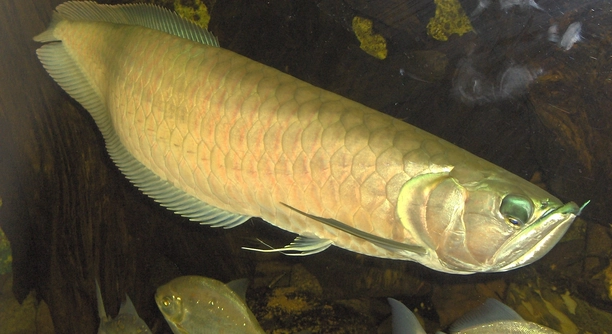
Arowanas are graceful and fascinating fish that thrive in well-stimulated environments. Observing them explore can be enjoyable, and creating a space that encourages movement benefits their health and natural instincts, making aquarium life more engaging.
Encouraging Arowana exploration involves providing ample swimming space, varying decorations, and introducing safe stimuli. Structured environments, combined with controlled interaction and periodic changes, enhance activity levels, reduce stress, and support natural behaviors, promoting overall physical and psychological well-being in captivity.
These simple strategies will help transform your aquarium into an engaging space, making your Arowana more active and enriching its daily life naturally.
Create Ample Swimming Space
Arowanas need plenty of room to move freely. In a small tank, they often become inactive and stressed, which can affect their health. A tank that is at least 250 gallons for a full-grown Arowana gives enough space for swimming and exploring. Avoid overcrowding with other fish that may stress your Arowana or compete for territory. Arranging the tank to provide open swimming paths encourages natural behavior. Even small adjustments, like moving decorations or plants occasionally, can make a big difference. Vertical space is just as important as horizontal space, so make sure the water depth allows for natural movement. By prioritizing space, you support both physical exercise and mental stimulation, helping your Arowana stay healthy and active. Large tanks also help maintain stable water quality, reducing stress caused by poor conditions. Monitoring swimming patterns and providing extra room can prevent injuries and promote longevity in your fish.
Providing enough swimming room reduces stress and improves overall health, making exploration a regular and natural behavior for your Arowana.
Regularly observing how your Arowana uses the tank can reveal areas where movement is restricted. Rearranging items or adding structures in the right places encourages it to explore previously unused spaces. Small changes can make the tank more engaging.
Introduce Safe Stimuli
Toys, floating objects, and mild water currents can attract your Arowana’s attention. These stimuli should not overcrowd the tank but provide variety that encourages movement and curiosity. Objects like driftwood, large smooth rocks, or floating rings create interesting spots for investigation. Light changes or reflections can also spark exploration without causing stress. Avoid sharp or small items that could injure your fish. Introducing stimuli gradually helps the Arowana adjust without becoming anxious. Rotate or change objects occasionally to prevent boredom, while maintaining a safe environment. Observing how your fish interacts with new additions allows you to fine-tune what is effective, keeping the tank engaging without overwhelming your pet. Safety and simplicity are key—stimuli should encourage natural behavior, not disrupt it. With thoughtful planning, these additions can enhance mental activity and keep the Arowana active daily.
Careful placement of safe objects provides curiosity triggers that keep your Arowana moving and engaged.
Stimuli can also include feeding enrichment. Floating or sinking foods encourage chasing or foraging, which mimics natural behavior in the wild. Using tongs or a feeding stick allows controlled interaction that stimulates movement and alertness. You can also vary feeding locations within the tank to motivate swimming and exploration. Observing your fish during feeding times can help determine which methods encourage the most activity. Combining structural and feeding stimuli promotes both physical exercise and mental engagement, ensuring your Arowana remains healthy and lively. These strategies, when implemented thoughtfully, create a dynamic environment that fosters natural behavior and reduces boredom. Over time, your Arowana will become more confident and active in its habitat, making your care efforts more rewarding and effective.
Maintain Water Quality
Clean water is essential for Arowanas to feel comfortable and explore. Poor water quality can stress them, reducing activity and curiosity. Regular testing, partial water changes, and proper filtration support a healthy environment that encourages natural movement.
Monitoring pH, ammonia, nitrite, and nitrate levels keeps conditions stable. Frequent water changes prevent toxin buildup and maintain clarity. Arowanas are sensitive to sudden changes, so gradual adjustments are necessary when correcting water parameters. Filtration systems should handle the tank’s full volume efficiently, removing debris and supporting biological balance. By keeping water clean and well-oxygenated, you provide a safe environment that promotes consistent exploration and activity.
Temperature also plays a role. Maintaining a stable range, typically between 75–82°F, ensures comfort and supports metabolic function. Using a reliable heater and thermometer prevents fluctuations that could stress the fish. Clean water combined with consistent temperature creates an environment where Arowanas are more willing to move, investigate, and interact with their surroundings naturally.
Vary Decorations and Layout
Changing tank decorations stimulates exploration. New plants, rocks, or driftwood create fresh pathways and areas to investigate, keeping the environment engaging.
Rotating or adding items periodically prevents boredom and encourages your Arowana to move through different zones of the tank. Strategic placement of hiding spots, swimming lanes, and open areas balances safety with freedom. Avoid cluttering the tank, as excessive decorations can restrict swimming and create stress. Observing how your fish interacts with new layouts helps refine future changes. Gradual adjustments are preferable, allowing your Arowana to adapt without anxiety. By varying the tank’s appearance, you create an environment that fosters curiosity and mental stimulation.
This approach also supports natural instincts. In the wild, Arowanas navigate complex habitats with varying structures and territories. Replicating this dynamic in captivity, even on a smaller scale, encourages healthy activity patterns. Combining stable open areas with rotating features ensures both comfort and novelty. Watching your Arowana explore these changes can provide insight into preferences and behaviors, helping you fine-tune the layout. This method reduces stagnation and supports long-term physical and mental health, making the fish more confident and engaged in its aquarium environment.
Provide Hiding Spots
Hiding spots reduce stress and encourage exploration. Your Arowana will feel safer moving around when it knows there are areas to retreat to if needed.
Using smooth rocks, caves, or dense plants gives secure spaces. Avoid sharp edges that could injure your fish.
Use Floating Objects
Floating objects catch attention and motivate movement. Lightweight rings, driftwood, or floating plants can create points of interest that your Arowana will investigate naturally. Regular rotation of these objects prevents boredom and keeps activity levels high.
Encourage Gentle Interaction
Controlled interaction, like feeding with tongs, helps your Arowana associate movement and exploration with positive experiences. This encourages activity without causing stress.
Observe Behavior Regularly
Watching your Arowana’s patterns reveals what stimulates curiosity. Tracking responses to new objects, decorations, or feeding locations helps you fine-tune the environment to keep the fish active and engaged.
FAQ
How often should I change the water to encourage Arowana exploration?
Partial water changes should be done at least once a week, replacing about 20–30% of the tank’s water. Regular water changes maintain stable conditions, remove waste, and prevent toxins from accumulating. Clean water supports natural activity and makes your Arowana more willing to explore freely.
What types of decorations are best for stimulating activity?
Smooth rocks, driftwood, and live or artificial plants are ideal. They create hiding spots and visual interest without restricting swimming space. Avoid sharp or small items that could injure your fish. Rotating decorations occasionally introduces novelty and encourages exploration in areas previously ignored.
Can feeding methods impact exploration?
Yes. Using tongs or floating food in different tank areas encourages movement and interaction. Offering live or frozen food that sinks or floats can simulate hunting behavior. Varying feeding locations keeps your Arowana active and engaged, making exploration part of its daily routine.
Is tank size important for Arowana activity?
Absolutely. Arowanas need large tanks, preferably over 250 gallons for adult fish. Larger spaces allow natural swimming patterns, reduce stress, and encourage exploration. Open swimming areas combined with strategically placed structures create a balanced environment that promotes curiosity and movement.
How do water conditions affect Arowana exploration?
Stable water parameters are crucial. Maintain pH between 6.5–7.5, ammonia and nitrite at 0 ppm, and nitrates below 20 ppm. Keep temperature around 75–82°F. Sudden fluctuations or poor quality can stress the fish, reducing activity. Regular monitoring ensures a safe, stimulating environment.
Can light influence my Arowana’s behavior?
Yes. Moderate lighting with a natural day-night cycle helps regulate activity. Too bright or harsh lighting can stress the fish, while consistent lighting encourages normal behavior. Adding floating plants or shaded areas can create comfortable zones and promote exploration.
How do I know if my Arowana is exploring enough?
Active swimming, inspecting decorations, and interacting with food or objects indicate healthy exploration. If your Arowana hides constantly or avoids moving, the environment may need adjustment. Observe patterns and make small changes to encourage more activity.
Are there risks to encouraging too much exploration?
Excessive stimulation isn’t common if done thoughtfully. Avoid overcrowding the tank with decorations or introducing objects that cause stress. Gradual changes and attention to behavior ensure exploration remains safe, enriching, and beneficial.
Can Arowanas play with each other or other fish?
Arowanas are territorial and may not interact well with other fish, especially in smaller tanks. If kept with tankmates, ensure they are large and non-aggressive. Solitary stimulation, decorations, and feeding enrichment are often the safest ways to encourage activity.
How do I rotate objects or stimuli effectively?
Change one or two items at a time every few weeks. This keeps the environment interesting without overwhelming your fish. Observe how your Arowana reacts, and use this information to refine future adjustments. Gradual rotation maintains curiosity and encourages natural exploration consistently.
What signs show my Arowana is stressed or unhappy?
Signs include hiding constantly, reduced swimming, loss of appetite, or erratic movements. Poor water quality, overcrowding, or sharp decorations are common causes. Addressing these issues promptly helps restore confidence, making the fish more willing to explore and interact with its environment.
Can I use toys to encourage exploration?
Yes, safe floating rings, ping pong balls, or gentle currents can motivate movement. Make sure objects are large enough to prevent swallowing and free of sharp edges. Using these toys occasionally can stimulate curiosity and provide gentle mental exercise without stress.
How does tank layout affect exploration?
A balanced layout with open swimming lanes, hiding spots, and visually interesting areas encourages movement. Avoid cluttering the tank, as tight spaces limit activity. Strategic placement of decorations, combined with rotation, keeps your Arowana engaged and encourages consistent exploration.
How long does it take to see increased activity?
Depending on the fish and changes made, noticeable improvements may take days to weeks. Gradual adjustments, consistent water quality, and enrichment create conditions that support steady increases in exploration over time. Patience and observation are key.
Are live plants better than artificial for exploration?
Both types work well. Live plants offer natural hiding spots and improve water quality, while artificial plants are easier to maintain and can be rearranged freely. The choice depends on your maintenance preferences, but both can encourage activity effectively.
What is the safest way to introduce new stimuli?
Introduce objects gradually, one or two at a time. Monitor your Arowana’s reaction to ensure it isn’t stressed. Rotate or remove items that cause anxiety. Gradual changes maintain curiosity while keeping the environment safe and comfortable.
Can music or vibrations influence Arowana behavior?
Gentle vibrations from filtered water or soft background noise usually don’t harm them. Sudden loud sounds or tapping on the tank can cause stress. Calm and consistent environmental stimuli are best for encouraging natural exploration without anxiety.
How do I track what works best for my Arowana?
Observe daily behaviors, noting which decorations, feeding methods, or stimuli increase activity. Keeping a simple journal helps identify patterns, refine the environment, and provide consistent enrichment tailored to your Arowana’s preferences.
Are there seasonal changes that affect exploration?
Temperature and lighting shifts with seasons can influence activity. Maintaining stable tank conditions year-round helps prevent stress and ensures your Arowana continues exploring consistently. Minor seasonal adjustments, like slight temperature changes, can mimic natural rhythms without causing anxiety.
How often should I clean and rearrange decorations?
Clean surfaces every few weeks to prevent algae buildup, and rotate or slightly rearrange decorations monthly. This keeps the environment interesting, encourages exploration, and maintains hygiene. Observing your Arowana’s reaction ensures changes are beneficial and not stressful.
Final Thoughts
Encouraging your Arowana to explore its tank is an important part of providing a healthy and engaging environment. These fish are naturally curious and active, but without proper space, stimulation, and care, they can become stressed or inactive. By focusing on basic needs such as tank size, clean water, and safe decorations, you can create a habitat that allows your Arowana to move and behave naturally. Large open areas in the tank are essential, as they give the fish room to swim freely and practice natural movements. At the same time, adding hiding spots and varied decorations gives it opportunities to investigate and engage with its surroundings, which keeps mental stimulation high. Thoughtful arrangement and occasional rotation of decorations prevent boredom while maintaining a safe environment. Even small adjustments, like adding a driftwood piece or a floating object, can spark curiosity and encourage movement. Over time, your Arowana will show more consistent activity, moving confidently throughout the tank and interacting with the stimuli provided.
Maintaining water quality is just as critical as providing space and objects. Regular water changes, proper filtration, and monitoring key parameters like pH, ammonia, and nitrate levels ensure the environment remains safe and comfortable. Temperature stability also plays a role in encouraging natural activity. When the water is clean and within the proper range, your Arowana is more likely to explore freely rather than hiding or resting in one spot. Feeding methods can be used strategically to further promote movement. Offering food in different areas of the tank or using tongs to deliver meals encourages swimming and mimics natural foraging behavior. Incorporating both structural and feeding enrichment provides a well-rounded approach to activity, helping the fish develop both physically and mentally. Over time, these consistent practices create a dynamic and engaging environment that supports the overall well-being of your Arowana.
Observation is a key part of keeping your Arowana active and healthy. By watching how it responds to changes in decorations, stimuli, or feeding routines, you can identify what encourages the most movement and curiosity. Each fish is different, and what works for one may need adjustment for another. Gradual changes and careful attention to its behavior ensure that exploration is encouraged without causing stress. Combining clean water, proper space, stimulating objects, and thoughtful interaction fosters a balanced environment where the Arowana can thrive. With patience and consistent care, your fish will grow more confident, curious, and active, making the aquarium a more lively and enjoyable space for both the fish and yourself. A well-stimulated Arowana is not only healthier but also more engaging to observe, reflecting the care and attention given to its habitat.

Hello,
If you enjoy the content that we create, please consider saying a "Thank You!" by leaving a tip.
Every little bit helps us continue crafting quality advice that supports the health, happiness, and well-being of pets around the world, for pets of all shapes, sizes, and species.
We really appreciate the kindness and support that you show us!