
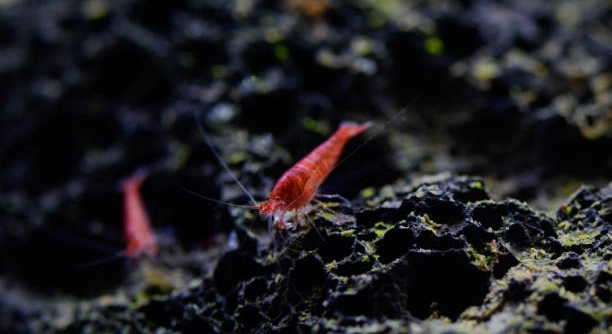
Have you ever struggled to see your cherry shrimp thrive in a home aquarium? Many shrimp keepers enjoy their colorful pets but find breeding them consistently can be challenging and confusing for beginners.
The most effective way to boost cherry shrimp breeding involves maintaining stable water parameters, providing a nutrient-rich diet, and creating plenty of hiding spots. Optimal temperature, pH balance, and regular tank maintenance all contribute to successful reproduction.
Knowing the right environment and care routines can make a big difference in your shrimp’s breeding success. These strategies help improve survival rates and encourage healthy populations over time.
Maintaining Stable Water Conditions
Keeping water stable is key to encouraging cherry shrimp to breed. Sudden changes in temperature, pH, or hardness can stress shrimp, causing them to hide or stop reproducing. I learned early on that even minor fluctuations can reduce baby survival. Testing water regularly and making gradual adjustments ensures a calm environment. Using a reliable heater and filter helps maintain steady conditions. Avoid overfeeding, as leftover food can pollute water and trigger ammonia spikes. When my tank stayed consistent, I noticed more frequent molting and healthier shrimp overall. Observing shrimp behavior, like active grazing and mating displays, indicates the water is suitable. Live plants and moss provide natural filtration and cover, which further supports water quality. In short, stability encourages shrimp confidence, leading to more breeding and stronger populations.
Monitoring water conditions every week prevents unexpected problems. A small daily check can save you stress and shrimp losses later.
Stable water conditions reduce stress and create an ideal environment for breeding. By keeping parameters steady and providing natural filtration, shrimp feel safe, leading to more successful reproduction. Consistency is more important than fancy equipment.
Providing a Nutrient-Rich Diet
A varied, nutrient-rich diet promotes healthy shrimp growth and breeding. Feeding high-quality flakes, algae wafers, and occasional blanched vegetables ensures they get essential proteins and minerals. I noticed females carrying more eggs after adding spinach and zucchini to their meals. Protein helps with molting, which is necessary for reproduction. Avoid feeding too much, or the tank water will deteriorate quickly. Balanced nutrition not only improves shrimp color but also strengthens their immune system, reducing deaths among babies. I like to rotate foods weekly, offering different textures and nutrients. Shrimp enjoy grazing on biofilm, which naturally develops on plants and surfaces. This helps maintain energy for breeding. Supplements like calcium or specialized shrimp pellets can boost egg quality and overall health. Watching them actively search for food shows the diet is working, which encourages mating and more frequent berried females.
Balanced nutrition leads to stronger, more active shrimp. Their energy levels rise, directly influencing reproduction success.
Providing a nutrient-rich diet improves egg production, female health, and baby survival. Regularly rotating vegetables, pellets, and algae maintains interest and ensures shrimp receive all necessary minerals and proteins. Overfeeding is harmful, but careful portioning supports a thriving breeding population consistently.
Creating Plenty of Hiding Spots
Hiding spots reduce stress and protect baby shrimp. Moss, plants, and small caves allow them to escape aggressive tankmates and feel secure, which increases breeding success. I noticed more berried females when the tank had dense plant coverage.
Adding moss and plants creates natural shelters for shrimp. Baby shrimp are vulnerable to being eaten, so dense foliage helps them survive. I added java moss, floating plants, and small driftwood pieces, which encouraged shrimp to explore and hide. Females often stay in these areas while carrying eggs, improving hatch rates. Creating layers of cover also allows shrimp to feel safe during molting, which is a critical time for their survival. Over time, the tank developed biofilm on moss, providing additional nutrition for juveniles. Even simple structures like PVC tubes or ceramic caves make a difference. When hiding spots are available, stress decreases, and shrimp reproduce more frequently.
Shrimp benefit from natural shelters, and providing a variety of hiding options improves survival and encourages reproduction. Observing their behavior confirms the effectiveness of these spaces in supporting breeding.
Maintaining Optimal Temperature
Stable, appropriate temperatures keep shrimp healthy and breeding actively. My tank runs around 72–78°F, which seems ideal for most cherry shrimp. Fluctuations can slow metabolism and reduce egg production.
Consistent temperatures support molting, growth, and reproduction. Shrimp are sensitive to sudden changes, which can lead to stress or death. I use a heater with a thermostat and monitor it daily to ensure fluctuations stay minimal. Too-cold water slows activity, while overly warm water reduces oxygen levels. I’ve seen females stop carrying eggs when the temperature dropped even a few degrees overnight. The right temperature range keeps shrimp active, encourages feeding, and promotes mating behavior. Temperature also affects water chemistry, so maintaining stability indirectly improves water quality. Using a thermometer and adjusting heaters gradually prevents shocks. Over time, keeping stable warmth led to more frequent berried females and healthier juveniles.
Temperature directly affects shrimp breeding, activity, and survival. Maintaining a consistent range ensures eggs develop fully, females stay healthy, and baby shrimp thrive.
Controlling Light Exposure
Shrimp benefit from a regular day-night cycle. I keep my tank lights on for about 8–10 hours daily. Consistent lighting helps regulate activity and encourages natural behaviors like grazing and breeding.
Too much light can stress shrimp and promote excessive algae growth. Limiting exposure keeps the tank balanced and shrimp calm, supporting successful reproduction.
Regular Water Changes
Frequent, small water changes maintain water quality and reduce toxins. I change about 10–15% of the tank water weekly, which keeps ammonia and nitrate levels low. This routine supports healthy shrimp and increases breeding activity.
Separating Aggressive Tankmates
Aggressive fish or larger invertebrates can harm cherry shrimp. Keeping shrimp in a peaceful community prevents stress, molting issues, and predation, which directly affects breeding success.
Observing Shrimp Behavior
Monitoring shrimp daily helps catch problems early. Active grazing, frequent molting, and berried females indicate a healthy, productive tank environment.
FAQ
How often should I feed cherry shrimp?
Feeding small amounts once or twice a day works best. I usually give them enough so that food is gone within a few hours. Overfeeding can pollute the tank and stress shrimp, while underfeeding slows growth and breeding. Offering a mix of flakes, algae wafers, and blanched vegetables ensures they get balanced nutrition. Occasionally rotating foods keeps shrimp interested and healthy, encouraging more frequent molting and egg production.
What water parameters are ideal for breeding?
Cherry shrimp thrive in temperatures between 72–78°F, pH around 6.5–7.5, and soft to moderately hard water. I test water weekly to prevent sudden changes that can stress shrimp. Stable conditions improve survival rates of both adults and juveniles, leading to consistent breeding. Using a reliable heater, filter, and gentle aeration maintains stability, while plants and moss help buffer minor fluctuations naturally.
How can I tell if a female is ready to breed?
A ready female often has a visible saddle, which looks like a cluster of eggs developing behind her head. I watch for active grazing and hiding in dense plants, which shows she’s healthy and preparing to carry eggs. Once fertilized, she will carry eggs under her tail until they hatch, usually two to three weeks later. Stress-free conditions and proper nutrition significantly improve egg viability.
Do I need to separate shrimp from other tankmates?
Yes, especially from aggressive fish or larger invertebrates. In my experience, keeping shrimp in a peaceful community reduces stress and prevents predation on juveniles. Even slow-moving fish can eat babies if hiding spots are limited. Dense plants, moss, and small caves create safe spaces and encourage more breeding activity.
How can I increase baby survival?
Providing plenty of hiding spots, maintaining stable water conditions, and feeding a nutrient-rich diet help improve survival rates. I noticed adding moss and fine-leaved plants gives juveniles a place to graze safely on biofilm. Gentle filtration prevents babies from being sucked in, while avoiding sudden water changes keeps them from being shocked. Consistent care over time increases the number of juveniles reaching adulthood.
Is temperature the most important factor for breeding?
Temperature plays a major role but is one of several critical factors. I keep my tank within the ideal range and monitor fluctuations daily. Stable temperature supports molting, activity, and egg development. Paired with water stability, nutrition, and hiding spots, it creates an environment where shrimp naturally breed more frequently.
How long does it take for eggs to hatch?
Cherry shrimp eggs usually hatch in about two to three weeks, depending on temperature and water quality. I’ve seen slightly faster hatching in warmer, stable tanks, but too much heat can be harmful. Keeping the tank calm, clean, and well-planted ensures the highest survival rate for juveniles.
Can I encourage breeding without adding chemicals or hormones?
Absolutely. I rely on stable water parameters, a balanced diet, hiding spots, and proper temperature rather than any additives. Natural conditions alone are enough to encourage consistent breeding. Chemicals or hormones are unnecessary and can stress shrimp or affect water quality.
What signs indicate a healthy breeding tank?
Active shrimp, frequent molting, berried females, and visible juveniles indicate a healthy tank. I also look for grazing behavior on plants and moss, which shows they are getting enough nutrition. Water clarity and low ammonia levels support ongoing reproduction and juvenile survival.
How many shrimp should I keep to maximize breeding?
A moderate population with a balanced male-to-female ratio works best. Overcrowding causes stress and reduces reproduction, while too few shrimp slow population growth. I aim for enough shrimp to maintain activity without overwhelming the tank, allowing each female space and access to resources for successful breeding.
This FAQ covers the most common concerns I’ve encountered while breeding cherry shrimp, offering practical, straightforward strategies to improve success and maintain a healthy, thriving tank.
Cherry shrimp are small, colorful creatures that bring life to any aquarium. Over time, I have learned that their breeding success depends on creating a stable and supportive environment. Maintaining steady water parameters, such as temperature, pH, and hardness, is essential. Sudden changes can stress shrimp, reducing egg production or causing juveniles to die. Regular testing and small, consistent adjustments help prevent these issues. A calm, predictable tank allows shrimp to focus on feeding, molting, and reproducing rather than adapting to sudden changes. Plants and moss not only improve water quality but also provide natural hiding spots, which is vital for both females carrying eggs and for newly hatched shrimp. Dense foliage allows them to explore safely, graze on biofilm, and avoid unnecessary stress. Over time, a tank that maintains stability and provides cover becomes a space where shrimp thrive naturally.
Nutrition plays a major role in supporting breeding. I have noticed that females carrying eggs often look healthier and more vibrant when they receive a balanced diet. Offering a variety of foods, including high-quality flakes, algae wafers, and occasional blanched vegetables, ensures they get the necessary proteins and minerals. Rotating foods keeps shrimp engaged and encourages active grazing. Proper nutrition not only supports growth but also improves molting, which is critical for reproduction. Calcium and other essential minerals strengthen eggs and shells, reducing mortality among juveniles. Feeding small amounts prevents water pollution, which can otherwise harm both adults and hatchlings. Observing shrimp behavior, such as active feeding and regular molting, is a good indicator that their dietary needs are being met. When nutrition and environment are in balance, breeding becomes a natural process rather than a forced effort.
Consistency and patience are key factors in breeding cherry shrimp successfully. I have found that maintaining a stable temperature, providing adequate hiding spots, and monitoring water quality daily contributes more to long-term success than any quick fix or additive. Shrimp reproduce more frequently when stress is minimized, which includes limiting interactions with aggressive tankmates and avoiding sudden changes in light or water conditions. Observing the tank regularly allows me to notice berried females, molting patterns, and juvenile activity, which helps adjust care routines if needed. Over time, these small, consistent actions accumulate, leading to a thriving population. Cherry shrimp breeding is a gradual process, and by focusing on stability, nutrition, and shelter, a healthy, self-sustaining tank can be achieved. The results are rewarding, and the experience becomes both manageable and enjoyable.

Hello,
If you enjoy the content that we create, please consider saying a "Thank You!" by leaving a tip.
Every little bit helps us continue crafting quality advice that supports the health, happiness, and well-being of pets around the world, for pets of all shapes, sizes, and species.
We really appreciate the kindness and support that you show us!