
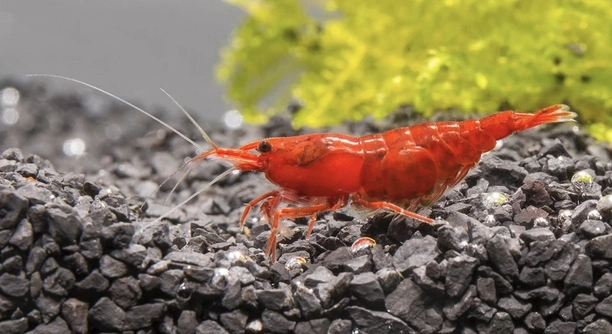
Many shrimp owners enjoy watching their cherry shrimp move freely in the tank, but sometimes these tiny creatures spend hours hiding and staying out of sight. This behavior can be puzzling, especially for newer aquarists trying to understand their pets.
Cherry shrimp often hide too frequently due to stress, poor water conditions, lack of food, insufficient hiding spots, molting cycles, sudden changes in the environment, or the presence of aggressive tank mates. Each factor can significantly influence their activity levels.
Knowing the main reasons behind their hiding can help you create a calmer and healthier environment for your shrimp, making their behavior easier to manage and understand in your aquarium.
Poor Water Quality
Poor water quality is one of the main reasons cherry shrimp hide too often. When ammonia, nitrite, or nitrate levels rise, shrimp feel stressed and unsafe. Even small fluctuations in pH or temperature can cause them to retreat into hiding. They are sensitive creatures, and sudden changes can make them cautious. Regular water testing and partial water changes help maintain a stable environment. Overfeeding can also harm water quality, as uneaten food decays and increases toxins. Using a sponge filter or gentle filtration reduces strong currents that can further stress shrimp. Live plants and mosses can assist in keeping the water clean while offering natural hiding spots. Keeping consistent water parameters encourages your shrimp to explore and reduces excessive hiding. Understanding and controlling these water conditions ensures they remain healthy and visible, which is essential for monitoring their behavior and overall well-being in the tank.
Maintaining clean water prevents unnecessary stress, helping your shrimp feel secure and more active throughout the day.
Observing water parameters daily and performing weekly maintenance routines is crucial. Even minor imbalances can trigger hiding behaviors, especially for younger or newly introduced shrimp. Providing a stable and clean environment allows them to thrive, grow, and interact naturally without constant fear of poor conditions.
Lack of Hiding Spots
Cherry shrimp need places to hide, especially during molting or stressful periods. Without plants, rocks, or decorations, they feel exposed and vulnerable.
Providing moss, leaf litter, and small caves can reduce hiding and help them feel safe in the tank.
A well-decorated aquarium encourages natural behavior and prevents constant hiding. Hiding spots are critical during molting when their exoskeleton is soft and they are most vulnerable. Lack of secure areas can lead to stress, which affects feeding, growth, and breeding. By arranging decorations strategically, you can create a comfortable environment with plenty of cover. Even small additions like Java moss or floating plants give shrimp areas to explore while maintaining a sense of safety. Observing their use of these spaces also helps you gauge their comfort level. Prioritizing shelter ensures your cherry shrimp feel secure, supporting healthier activity patterns, better feeding, and natural interactions with other tank inhabitants, reducing prolonged hiding.
Sudden Environmental Changes
Sudden changes in temperature, light, or water parameters can stress cherry shrimp, causing them to hide. They prefer a stable environment and react strongly to abrupt shifts.
Even minor adjustments, such as adding new decorations or changing the lighting schedule, can make shrimp retreat. Rapid temperature fluctuations, for example, can disrupt their metabolism and behavior. Moving the tank to a different room or changing the water source without acclimation may also trigger hiding. Gradually introducing changes allows shrimp to adapt more easily and reduces stress. Their sensitivity means that even small disturbances can result in prolonged hiding periods. Maintaining consistency in daily routines and tank conditions helps them feel secure and encourages more natural activity. Observing shrimp behavior after changes can indicate whether the environment is suitable or needs further adjustment to reduce stress and improve overall well-being.
Providing a predictable environment and gradual adjustments keeps shrimp active and reduces prolonged hiding episodes, helping them thrive naturally in the aquarium.
Presence of Aggressive Tank Mates
Aggressive fish or other tank inhabitants intimidate cherry shrimp, prompting them to hide frequently. They instinctively seek safety when larger or more active creatures are nearby.
Shrimp are vulnerable and often avoid open areas when aggressive or territorial species are present. Even small fish may chase or nip at shrimp, making hiding their default behavior. Tank mates that are fast, curious, or predatory increase stress levels, discouraging shrimp from exploring or feeding openly. Providing plenty of hiding spaces and observing interactions can help reduce conflicts. In some cases, separating aggressive species or choosing peaceful tank mates ensures shrimp feel secure. Proper planning of community tanks, considering shrimp size and temperament of other inhabitants, is crucial. Maintaining a calm and balanced environment supports shrimp activity and allows them to display natural behaviors without constant fear.
Overfeeding
Overfeeding can cause cherry shrimp to hide more often. Uneaten food decays, affecting water quality and stressing them.
Excess food increases toxins like ammonia and nitrate. Shrimp respond by retreating to safe areas until conditions improve, avoiding risky open spaces.
Molting Cycle
During molting, shrimp shed their exoskeleton to grow. This process leaves them soft and vulnerable. They instinctively hide to protect themselves from potential threats.
Molting occurs regularly depending on age, diet, and water conditions. Juvenile shrimp molt more frequently, while adults do so less often. Hiding provides safety during this sensitive time. Providing plenty of hiding spots, such as moss, caves, or dense plants, allows them to complete the process safely. Stress-free water parameters and a stable environment reduce molting complications and encourage shrimp to emerge sooner after shedding. Observing these periods helps you understand their normal behavior and ensures they stay healthy.
Lack of Food
Insufficient or irregular feeding can make shrimp hide. They conserve energy and wait for safer opportunities to feed.
Why are my cherry shrimp hiding all the time?
Cherry shrimp hide frequently due to stress, poor water conditions, lack of hiding spots, sudden environmental changes, aggressive tank mates, molting, or inconsistent feeding. Each factor affects their sense of safety. Shrimp are naturally cautious creatures and will seek shelter when they feel threatened or uncomfortable.
How can I improve water quality for my shrimp?
Regular water testing is essential. Monitor ammonia, nitrite, nitrate, and pH levels closely. Perform partial water changes weekly to maintain stability. Avoid overfeeding, as uneaten food increases toxins. Using a gentle sponge filter or adding live plants can help clean the water and reduce stress. Keeping water parameters stable encourages shrimp to be more active and visible.
What types of hiding spots work best for cherry shrimp?
Moss, leaf litter, caves, and dense plants provide excellent cover. These spots allow shrimp to retreat during molting or stressful periods. Even small decorations like PVC tubes or floating plants help them feel secure. Distribute hiding areas throughout the tank to create multiple safe zones, reducing constant hiding and promoting natural behavior.
Do temperature changes affect shrimp behavior?
Yes, sudden temperature shifts can stress shrimp, causing them to hide. Gradual adjustments are safer when moving tanks or changing lighting schedules. Maintaining a stable, predictable environment prevents unnecessary stress and encourages normal activity levels.
Can aggressive tank mates cause hiding?
Aggressive or fast-moving fish intimidate cherry shrimp, making them retreat. Even small fish that chase or nip can trigger hiding behavior. Providing adequate shelter or choosing peaceful tank mates ensures shrimp feel secure and reduces prolonged hiding episodes.
Why do shrimp hide during molting?
Molting leaves shrimp soft and vulnerable. They instinctively hide to protect themselves from predators or other tank inhabitants. Providing sufficient cover, such as moss or caves, allows them to complete molting safely and emerge without risk.
Does feeding frequency affect hiding?
Irregular feeding or insufficient food causes shrimp to hide and conserve energy. Consistent feeding encourages them to explore and reduces stress. Overfeeding, however, can harm water quality, so a balanced routine is essential. Observing their behavior after feeding helps gauge their comfort and activity levels.
How do I know if hiding is normal or a problem?
Occasional hiding is normal, especially during molting or after environmental changes. Persistent hiding, lethargy, or reduced feeding may indicate stress or poor water conditions. Monitoring water parameters, tank mates, and feeding routines helps identify and correct issues, ensuring shrimp remain healthy and active.
Can I prevent hiding completely?
While hiding cannot be eliminated entirely, you can reduce it by maintaining stable water conditions, providing plenty of hiding spots, feeding regularly, and avoiding aggressive tank mates. A calm and predictable environment encourages shrimp to spend more time exploring and feeding rather than constantly seeking shelter.
How long do shrimp typically hide?
The duration varies depending on the cause. During molting, hiding may last a few hours to a day. Stress from environmental changes or aggressive tank mates can extend hiding periods. Observing their patterns helps understand their behavior and allows you to adjust tank conditions accordingly.
Are baby shrimp more likely to hide?
Yes, juvenile shrimp are smaller and more vulnerable, so they hide more frequently. Providing dense vegetation and small shelters ensures they grow safely and develop confidence to explore the tank as they mature.
Do shrimp prefer certain areas of the tank?
Shrimp often gravitate toward areas with cover, such as moss patches, plant roots, or rocks. Open areas may feel unsafe, especially when the tank has active fish or strong currents. Arranging the tank to provide multiple safe zones encourages exploration and reduces prolonged hiding.
Can water changes trigger hiding?
Large or sudden water changes can stress shrimp. Always perform gradual adjustments, using water with similar temperature and parameters. This minimizes stress and prevents excessive retreating while maintaining water quality.
Is hiding harmful to shrimp?
Hiding itself is a natural survival behavior. Problems arise if hiding is constant due to poor water quality, aggression, or lack of food. Addressing these factors ensures shrimp remain healthy and display normal activity levels while still using hiding spots appropriately.
How can I monitor shrimp stress effectively?
Observe behavior patterns, feeding habits, and color intensity. Frequent hiding, reduced feeding, or pale colors indicate stress. Regular water testing, proper tank maintenance, and providing secure shelters help reduce stress and maintain a healthy, active shrimp population.
What signs indicate molting problems?
Shrimp struggling to shed or remaining in hiding for unusually long periods may have molting issues. Check water parameters, calcium levels, and stress factors. Providing secure hiding spots and stable conditions supports successful molting and reduces health risks.
Can tank size influence hiding behavior?
Smaller tanks with limited cover may increase hiding due to lack of security. Larger tanks with ample plants, moss, and decorations offer more options for shrimp to feel safe and reduce constant retreating. Proper tank layout is essential for their comfort.
Are some shrimp more prone to hiding than others?
Individual temperament, age, and health influence hiding behavior. Younger or less confident shrimp hide more frequently, while older, established shrimp may explore more. Providing stable conditions and sufficient shelter helps all shrimp feel secure and active.
How does lighting affect shrimp activity?
Bright or sudden lighting can stress shrimp, prompting hiding. Gradual light changes and using shaded areas help them adjust and feel safe. Adjusting lighting schedules supports natural activity patterns and reduces excessive retreating.
What is the best way to encourage shy shrimp to explore?
Maintain stable water parameters, provide ample hiding spots, feed consistently, and avoid aggressive tank mates. Gradual adjustments in lighting and minimal disturbances encourage shrimp to emerge naturally, balancing safety with activity.
Can water hardness impact hiding?
Yes, soft or very hard water outside their preferred range stresses shrimp. Maintaining moderate hardness with stable pH supports normal behavior. Sudden fluctuations increase hiding, while consistent parameters allow shrimp to feel secure and active.
Do shrimp communicate stress through hiding?
Hiding is a natural stress response. Frequent retreating signals discomfort from poor water quality, aggressive tank mates, or environmental changes. Observing these patterns helps identify issues early and provides guidance on improving conditions.
How long does it take for shrimp to feel safe in a new tank?
Shrimp may hide for several days when introduced to a new environment. Gradual acclimation, stable water, and plenty of hiding spots reduce stress and help them settle more quickly. Regular feeding and observing behavior ensures they adapt safely.
Can overpopulation lead to hiding?
High shrimp density increases competition for food and shelter, prompting more hiding. Providing sufficient space, hiding areas, and regular feeding reduces stress and ensures a balanced, active community without constant retreating.
What role do plants play in preventing hiding?
Plants offer cover, grazing surfaces, and water filtration benefits. Dense plants and moss reduce stress, encourage exploration, and provide safe zones during molting or disturbances. Strategic planting promotes activity and overall well-being.
Does tank location matter for hiding behavior?
Placing the tank in a quiet, low-traffic area reduces stress. Vibrations, loud noises, or frequent disturbances trigger hiding. A calm location combined with proper decor helps shrimp feel secure and more likely to explore.
Can adding more shrimp reduce hiding?
Adding shrimp may create competition, which can increase hiding initially. However, in a well-planted, spacious tank, a community of shrimp often feels safer, and hiding decreases as they acclimate and establish territories.
How do I balance hiding and visibility?
Provide multiple shelters while keeping open areas for exploration. Regular feeding and stable water encourage activity, but hiding spots remain essential for safety during molting or stressful events. This balance ensures shrimp stay healthy and display natural behavior.
What are the long-term effects of constant hiding?
Prolonged hiding due to stress, poor water, or aggression can affect feeding, growth, and reproduction. Ensuring stable conditions, proper nutrition, and sufficient shelter promotes healthier shrimp populations and more natural activity levels over time.
Are there signs of illness linked to hiding?
Shrimp that hide excessively while showing pale color, lethargy, or loss of appetite may be ill. Checking water quality, diet, and tank mates can identify the issue and prevent further health complications.
How important is observation for preventing hiding?
Regularly monitoring shrimp behavior allows early detection of stress, illness, or environmental issues. Timely intervention ensures they remain active, healthy, and comfortable in the tank, reducing prolonged hiding episodes.
Do seasonal changes affect hiding?
Shifts in room temperature, light, or humidity may stress shrimp slightly, prompting temporary hiding. Maintaining stable tank conditions mitigates these effects and ensures shrimp feel secure year-round.
Can tank decorations alone reduce hiding?
Decorations help, but alone they are not enough. Combined with stable water, proper feeding, and peaceful tank mates, decorations provide essential shelter and encourage activity while supporting natural shrimp behavior.
How do I know if hiding is resolved?
Shrimp that begin exploring more, feed consistently, and display natural movement patterns indicate reduced stress. Continued observation ensures environmental improvements are effective, maintaining long-term health and comfort in the tank.
Are some shrimp breeds more prone to hiding?
Different breeds may vary in activity levels. Cherry shrimp generally are moderately active, but subtle differences in temperament exist. Providing secure, stable conditions encourages all breeds to balance safety with exploration.
Can water additives affect hiding?
Certain water conditioners or supplements may temporarily stress shrimp if not used correctly. Follow recommended dosages and monitor behavior to ensure additives improve water quality without increasing hiding tendencies.
How can I make a new tank shrimp-friendly?
Ensure stable water parameters, provide hiding spots, add plants or moss, feed consistently, and avoid aggressive fish. Gradual acclimation helps shrimp feel secure and reduces excessive hiding from the start.
What is the best feeding routine to prevent hiding?
Feed small, regular portions to maintain water quality and meet nutritional needs. Balanced feeding encourages shrimp to be active, reduces stress, and minimizes hiding caused by hunger or overfeeding.
How does tank cleaning influence hiding?
Thorough, sudden cleaning can stress shrimp. Partial water changes and gentle substrate maintenance preserve hiding areas while keeping water safe. Gradual and careful cleaning routines prevent prolonged retreating.
Can seasonal plant growth affect hiding?
As plants grow denser, hiding areas increase. While this benefits shrimp safety, overly thick growth may reduce open spaces for exploration. Regular trimming ensures a balance between cover and activity space.
Does noise or vibration impact hiding?
Shrimp are sensitive to vibrations and loud sounds. Tank placement away from frequent movement or household noise reduces stress and encourages activity. Minimizing disturbances helps shrimp feel safe and decreases prolonged hiding.
Is hiding behavior linked to reproduction?
Shrimp may hide during molting or before mating. Adequate shelter supports reproduction by protecting vulnerable individuals. Understanding hiding patterns aids in providing a secure environment for breeding and healthy population growth.
What should I do if hiding continues despite proper care?
Review all environmental factors, including water quality, tank mates, and hiding spots. Observe shrimp individually for signs of illness or stress. Gradual improvements and patient observation typically resolve persistent hiding, promoting healthier and more active shrimp behavior.
How often should I observe shrimp to monitor hiding?
Daily observation is ideal. Noting behavior patterns, feeding habits, and interactions with tank mates helps identify stressors early. Consistent monitoring ensures timely intervention and maintains a safe, active, and healthy tank environment.
Can water flow affect hiding?
Strong currents can make shrimp feel exposed. Adjusting flow with sponge filters or gentle circulation allows shrimp to explore more confidently without constant retreating. Proper flow ensures comfort while supporting filtration.
Are there signs of chronic stress in hiding shrimp?
Chronic hiding, reduced feeding, pale coloration, and lethargy indicate long-term stress. Maintaining stable water, adequate shelter, and a calm environment reduces these symptoms and supports shrimp health and activity.
How does tank size and layout influence hiding?
Small, open tanks with limited shelter increase hiding frequency. Larger tanks with plants, moss, and decorations provide security while allowing exploration. Proper layout ensures shrimp feel safe and active, reducing prolonged retreating behavior.
Can lighting schedules reduce hiding?
Gradual, consistent lighting mimics natural cycles and reduces stress-induced hiding. Abrupt changes startle shrimp, prompting retreat. Adjusting light intensity and timing encourages activity while maintaining safe, shaded areas.
Do shrimp hide more at night?
Shrimp are naturally more active during low-light periods, but hiding can increase if tank conditions or disturbances occur. Providing safe nighttime zones ensures they feel secure while maintaining healthy circadian behavior.
Can tank mates reduce hiding in some cases?
Peaceful, non-aggressive species may encourage shrimp to explore, creating a sense of safety in numbers. Overcrowding or aggressive species, however, increase hiding. Balance and observation are key to maintaining healthy shrimp behavior.
Is hiding a form of communication?
Yes, hiding signals stress, fear, or molting. Observing retreating behavior informs caretakers about water quality, tank conditions, and interactions with other inhabitants. This non-verbal behavior helps maintain a safe and comfortable environment.
How can I tell if hiding is environmental or health-related?
If water parameters are stable, feeding is consistent, and tank mates are peaceful, hiding is likely normal. Pale coloration, lethargy, or extended retreating may indicate illness or nutritional deficiency. Observing behavior carefully distinguishes between environmental and health causes.
Can tank placement near windows or vents affect hiding?
Yes, exposure to direct sunlight, drafts, or temperature fluctuations increases stress. Placing the tank in a stable, quiet area reduces retreating and encourages natural shrimp activity.
Does shrimp age affect hiding behavior?
Younger shrimp hide more frequently for safety, while mature shrimp explore more confidently. Providing adequate shelter ensures all age groups feel secure and active.
Are there signs that hiding is decreasing?
Shrimp feeding openly, moving around decorations, and showing consistent activity indicate reduced hiding. Observing these behaviors confirms improvements in tank conditions, water quality, and overall shrimp well-being.
Can too many decorations increase hiding?
Excessive cover can encourage hiding by offering constant shelter. A balance between open spaces and secure areas allows shrimp to feel safe while still exploring and feeding naturally.
How do I know if hiding is affecting shrimp health?
Prolonged hiding with reduced feeding, slow growth, or pale coloration indicates stress impacting health. Addressing water quality, tank mates, and diet helps restore normal behavior and prevent long-term issues.
Can stress from frequent handling trigger hiding?
Yes, excessive handling or tank disturbances cause shrimp to retreat. Limiting contact and maintaining a calm environment reduces stress and promotes natural activity.
Does substrate type influence hiding?
Fine gravel or sand allows shrimp to forage safely, while dense or smooth surfaces provide limited security. Choosing appropriate substrate supports comfort, foraging, and controlled hiding behavior.
Is hiding linked to diet variety?
A varied diet encourages activity and reduces hiding caused by hunger or nutritional deficiency. Providing algae, pellets, and occasional vegetables keeps shrimp engaged and healthy.
How quickly should hiding decrease after improvements?
Shrimp may begin exploring within hours to a few days after stabilizing water, adding shelters, or addressing stressors. Consistent care ensures gradual reduction in retreating behavior and healthier activity levels.
Can molting frequency affect hiding trends?
Frequent molting, especially in juveniles, increases temporary hiding. Adults molt less often but still need secure areas. Observing these cycles helps distinguish normal behavior from stress-induced hiding.
Do seasonal water changes impact hiding?
Yes, temperature, pH, and hardness fluctuations with seasonal water sources may stress shrimp. Gradual adjustments and monitoring prevent prolonged hiding and maintain a stable environment year-round.
How does shrimp coloration relate to hiding?
Pale or dull coloration often indicates stress, poor diet, or water issues. Hiding combined with color changes signals that the environment may need adjustment. Healthy, vibrant shrimp are usually more active and explore the tank confidently.
Can I train shrimp to reduce hiding?
Not in the traditional sense, but creating a safe, stable, and enriched environment encourages exploration. Gradual exposure to gentle activity and consistent feeding supports confidence, reducing prolonged hiding.
How long should I monitor shrimp for hiding behavior?
Daily observation over several weeks ensures accurate assessment. Noting changes in response to water quality, tank mates, or environmental adjustments helps identify patterns and address issues effectively.
Are hiding behaviors hereditary?
Some tendencies may vary between shrimp lines or strains, but environmental factors play a larger role. Providing stable conditions, hiding spots, and appropriate feeding minimizes differences in activity due to heredity.
Can overcrowding worsen hiding?
Yes, high shrimp density increases competition and stress, leading to more hiding. Adequate space, feeding, and shelter are necessary to maintain balance and healthy activity levels.
How do I balance hiding and visibility for enjoyment?
Placing shelters strategically while keeping open areas allows shrimp to feel safe yet remain visible. Stable water, regular feeding, and peaceful tank mates enhance exploration without compromising security.
Can water supplements reduce hiding?
Certain supplements improve water quality and mineral levels, indirectly reducing stress-induced hiding. Follow instructions carefully to avoid overuse or imbalances that could increase retreating.
Does tank lid security impact hiding?
Shrimp may hide more if they sense disturbances from loose lids or vibrations. A secure, stable tank top minimizes external stressors, encouraging natural activity and reducing prolonged hiding.
How can I encourage shy shrimp to explore more?
Gradually adjust lighting, provide open feeding areas, and ensure stable water parameters. Patience combined with sufficient shelter allows shrimp to build confidence and spend more time visible in the tank.
Can changing water source affect hiding?
Switching to water with different pH, hardness, or temperature can stress shrimp. Gradual acclimation to new water helps maintain activity and prevents extended hiding periods.
How do I know if hiding is environmental rather than health-related?
If water quality is stable, food is adequate, and tank mates are peaceful, hiding is likely environmental or molting-related. Persistent retreating with pale colors or inactivity suggests health issues requiring intervention.
Can sudden light changes trigger hiding?
Yes, abrupt brightness startles shrimp, causing them to retreat. Gradual lighting schedules and shaded areas help them feel secure while maintaining normal activity.
How does water movement affect hiding?
Strong currents make shrimp feel exposed. Gentle filtration with minimal turbulence allows safe exploration, reducing hiding and supporting healthy behavior.
Can stress from tank relocation cause hiding?
Moving the tank or rearranging decorations can trigger hiding. Gradual acclimation and maintaining consistent water parameters reduce stress and encourage normal activity.
Do shrimp have favorite hiding spots?
Yes, shrimp often select areas with cover, such as moss, caves, or plant roots. Multiple safe zones reduce competition and ensure shrimp can retreat when needed.
How long should shrimp hide during molting?
Hiding may last a few hours to a full day. Providing secure shelters
Cherry shrimp are small and delicate creatures that rely heavily on their environment to feel safe and comfortable. Their natural instinct is to hide whenever they sense stress, danger, or changes in their surroundings. Hiding is a normal behavior, especially during molting or when water conditions are not ideal. By understanding the reasons behind this behavior, it becomes easier to create a tank environment that supports both their safety and their activity. Observing shrimp behavior regularly helps identify patterns, which can indicate if the hiding is due to natural instincts or issues that need attention.
Maintaining stable water parameters is one of the most important steps in reducing excessive hiding. Ammonia, nitrite, nitrate, pH, and temperature fluctuations can all trigger stress in shrimp, leading them to seek shelter. Regular water testing and partial water changes ensure that their environment remains consistent. Overfeeding or leaving uneaten food in the tank can also harm water quality, so feeding the right amount is key. Providing plenty of hiding spots, such as moss, plants, rocks, or small caves, gives shrimp areas to retreat when needed while still encouraging exploration. Gradual changes in lighting, temperature, or tank layout help shrimp adapt without becoming overly stressed.
Behavioral factors, including the presence of aggressive tank mates or overcrowding, also influence hiding tendencies. Shrimp feel safer in a calm and predictable environment, where they can feed and move around without constant threats. Juvenile shrimp and molting individuals are especially prone to hiding, as their vulnerability is higher. Balancing the number of shrimp in the tank and providing multiple safe zones ensures that each shrimp can find shelter when necessary. Paying attention to these factors allows shrimp to display natural behavior, reduces prolonged hiding, and supports overall health and well-being. A well-maintained, thoughtfully arranged tank ultimately encourages shrimp to be active, visible, and thriving, making it easier to monitor their growth and behavior over time.

Hello,
If you enjoy the content that we create, please consider saying a "Thank You!" by leaving a tip.
Every little bit helps us continue crafting quality advice that supports the health, happiness, and well-being of pets around the world, for pets of all shapes, sizes, and species.
We really appreciate the kindness and support that you show us!