
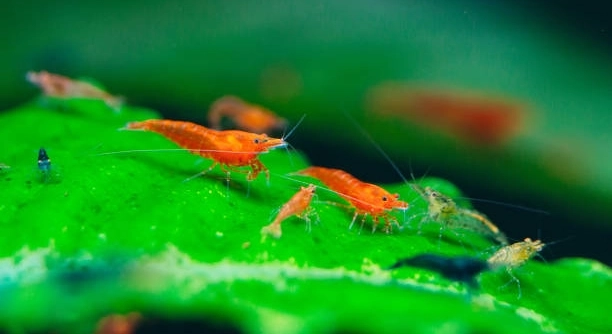
Shrimp are delicate creatures that thrive in carefully maintained environments. Small adjustments to their habitat and daily care can have a noticeable impact on their health and overall well-being. Ensuring a balanced routine is essential for their happiness.
Providing shrimp with a stable environment, adequate hiding spaces, clean water, proper diet, and compatible tank mates significantly improves their well-being. These small but consistent changes reduce stress, promote natural behaviors, and support overall health, leading to happier and more active shrimp.
Even minor adjustments can make a big difference. These practical steps are easy to implement and will enhance your shrimp’s daily life noticeably.
Stable Water Conditions
Maintaining stable water conditions is one of the most important steps in keeping shrimp happy. Sudden changes in temperature, pH, or hardness can stress them, leading to illness or even death. Regular water testing is essential to ensure levels remain consistent. Use a reliable thermometer and test kits to monitor temperature, ammonia, nitrite, nitrate, and pH. Performing partial water changes weekly helps remove toxins and replenish essential minerals, keeping the water clean and balanced. Avoid introducing untreated tap water directly, as chlorine and heavy metals can be harmful. A sponge filter provides gentle circulation without disturbing delicate shrimp. Adding live plants also helps stabilize water chemistry while offering hiding spots. Keeping a consistent feeding schedule prevents overfeeding, which can pollute the water and trigger stress. Observing shrimp behavior daily allows for early detection of problems. Even small fluctuations in water quality can have a strong effect on their overall happiness and activity.
Stable water conditions create an environment where shrimp feel safe and can thrive naturally.
With careful attention to water chemistry and regular maintenance, shrimp display brighter colors, increased activity, and improved health. Consistent conditions reduce stress, encourage molting, and allow them to interact comfortably with tank mates. Plants, hiding spots, and a gentle filter enhance stability further, supporting long-term well-being. Proper preparation and observation are key to maintaining these conditions over time, allowing shrimp to adapt and flourish.
Proper Diet
Feeding shrimp a balanced diet ensures their growth, color, and vitality.
Shrimp benefit from a mix of high-quality flakes, algae wafers, and occasional protein supplements.
A proper diet not only provides essential nutrients but also encourages natural foraging behaviors. Including plant matter like blanched spinach or zucchini helps with digestion and adds variety. Protein-rich foods, such as daphnia or brine shrimp, support molting and overall health. Avoid overfeeding, as leftover food decomposes and harms water quality. Feeding in small amounts multiple times a day prevents waste buildup and keeps shrimp active. Observing how much they eat helps adjust portions accurately. Rotating food types ensures shrimp receive a range of vitamins and minerals. Fresh or frozen options can be used, but always ensure they are safe and free of contaminants. A well-planned diet enhances coloration, energy, and reproductive success, contributing directly to happier shrimp. Maintaining a consistent feeding routine also reduces stress and promotes predictable behavior, making the aquarium more enjoyable to watch.
Hiding Spaces
Providing hiding spaces helps shrimp feel secure and reduces stress. Plants, rocks, and small caves give them places to retreat during molting or when feeling threatened.
Hiding spots are essential for shrimp, especially during molting when their shells are soft and vulnerable. Moss, driftwood, and dense plant clusters create natural shelters that mimic their habitat. Shrimp use these areas to rest, explore, and escape from potential aggression by tank mates. Even in peaceful tanks, having a variety of hiding spaces encourages natural behaviors and increases activity. Small crevices and overhangs give shrimp confidence, allowing them to move freely without fear. This environment promotes healthier molting cycles and reduces injuries or stress-related behaviors.
Different types of shelters cater to shrimp of all sizes and personalities. Floating plants and leaf litter add additional layers of cover. Using materials like cholla wood or ceramic caves allows shrimp to graze while staying safe. By varying hiding spots, shrimp can choose preferred locations based on comfort, light, and safety. Dense plant arrangements also help maintain water quality, as they absorb excess nutrients and provide surfaces for biofilm growth, which shrimp can feed on. Consistently accessible shelters make the tank feel secure and enrich their daily routine, keeping them more active and content overall.
Tank Mates
Choosing compatible tank mates prevents stress and aggression. Avoid large or predatory fish that may nip at shrimp or compete for food.
Small, peaceful fish such as neon tetras or otocinclus catfish coexist well with shrimp without causing harm. Shrimp often become stressed when constantly chased or cornered by more active or aggressive species. Even moderately sized fish can intimidate them, reducing feeding or molting activity. Tank design, including hiding spots and plant density, further supports harmonious interactions. Observing shrimp behavior and adjusting the community ensures a calm environment. Avoid sudden introductions of new species, as this can disrupt social balance and increase stress.
Shrimp thrive best in a tank where they feel safe and undisturbed by tank mates. Overcrowding or incompatible species can lead to constant hiding, slower growth, and lower reproduction rates. Planning a tank with peaceful companions and sufficient cover allows shrimp to forage, explore, and interact naturally. Introducing new fish gradually, while maintaining water quality and stable conditions, prevents unnecessary stress. A well-planned community tank balances shrimp needs with aesthetic appeal, ensuring all inhabitants can coexist without conflict. Monitoring interactions and adjusting accordingly creates a calm, thriving aquarium ecosystem that promotes long-term shrimp happiness.
Gentle Filtration
A gentle filter prevents strong currents that can stress shrimp or make feeding difficult. Sponge filters are ideal because they provide water movement without harming delicate shrimp.
Filtration also helps maintain water clarity and removes debris, keeping the tank healthy. Proper placement ensures even circulation while leaving calm areas for shrimp to rest.
Consistent Lighting
Consistent lighting supports natural behavior and molting cycles. Avoid sudden changes in brightness that can startle shrimp. A regular day-night cycle helps them remain active and reduces stress, encouraging healthier growth and coloration over time.
Clean Environment
Regular cleaning removes waste and leftover food that can pollute the tank. A clean environment prevents ammonia spikes and supports overall shrimp health, allowing them to explore and feed safely.
FAQ
How often should I feed my shrimp?
Feeding small amounts two to three times daily works best. Shrimp eat slowly, and overfeeding can pollute the tank. Offer only what they can consume within a few hours. Rotate foods between algae wafers, blanched vegetables, and protein sources to provide balanced nutrition. Observing how quickly they eat helps adjust portions accurately, ensuring they remain healthy and active without water quality issues.
What is the ideal water temperature for shrimp?
Most freshwater shrimp thrive between 72°F and 78°F (22°C–26°C). Consistency is more important than exact numbers. Sudden temperature swings stress shrimp, affect molting, and can reduce immunity. Using a reliable heater and thermometer keeps the environment stable. Gradual adjustments are necessary when acclimating new shrimp to prevent shock.
How do I prevent shrimp from hiding too much?
Providing plenty of hiding spaces is essential, but balance is key. Shrimp need accessible open areas to forage and interact. Dense plant clusters should be complemented with open swimming spaces. Stress, poor water quality, or aggressive tank mates also cause excessive hiding. Ensuring stable water conditions, compatible companions, and sufficient food encourages shrimp to explore naturally.
Can I keep shrimp with other fish?
Yes, but only with small, peaceful species. Avoid larger or aggressive fish that may nip at shrimp. Fish like neon tetras, otocinclus catfish, or small rasboras are generally safe. Introduce new tank mates slowly, monitor behavior, and maintain hiding spots. Shrimp should always have escape routes, especially during molting.
Why are my shrimp losing color?
Loss of color often results from stress, poor diet, or suboptimal water conditions. Ensure water parameters are stable, provide a balanced diet with adequate protein and minerals, and reduce stress from tank mates or excessive handling. Healthy shrimp display brighter, more consistent colors over time.
How do I know if my shrimp is molting properly?
Shrimp shed their exoskeleton regularly as they grow. A healthy molt appears complete and cleanly removed. Shrimp may hide before and after molting due to vulnerability. Incomplete molts or frequent difficulties suggest water issues, poor nutrition, or stress. Observing behavior and providing hiding spots encourages successful molting.
Is it necessary to quarantine new shrimp?
Yes, quarantining new shrimp for at least two weeks helps prevent disease spread. Use separate tanks with stable water conditions to monitor for parasites or infections. Acclimate shrimp slowly to avoid stress, and observe eating and behavior before introducing them to the main tank.
How do I maintain clean water without stressing shrimp?
Perform small, regular water changes rather than large, infrequent ones. Use a sponge filter to avoid strong currents. Remove uneaten food daily and vacuum substrate carefully. Testing water parameters consistently helps detect early issues, maintaining a healthy, stable environment.
What plants are best for shrimp tanks?
Live plants like java moss, anubias, and java fern provide shelter, surfaces for biofilm growth, and improve water quality. Floating plants add shade and security. Dense plants allow shrimp to graze naturally while reducing stress, supporting healthier molting and activity levels.
Why do shrimp sometimes hide after a water change?
Even small water changes can cause temporary stress. Shrimp may retreat to hiding spots until they adjust. Ensuring water temperature, pH, and hardness remain consistent minimizes stress. Gradual changes and careful observation help shrimp resume normal activity quickly.
Can I breed shrimp in a community tank?
Yes, but breeding is easier with stable conditions and plenty of hiding spaces for juveniles. Ensure tank mates are not aggressive or overly competitive for food. Providing a variety of foods supports growth, molting, and reproduction. Dense plants or moss give baby shrimp shelter until they mature.
How often should I test water parameters?
Test water at least once a week for ammonia, nitrite, nitrate, and pH. Temperature should be monitored daily. Consistent testing helps prevent problems before they affect shrimp. Keeping a log allows for tracking trends and adjusting care as needed.
Why are my shrimp dying unexpectedly?
Unexpected deaths often point to water quality issues, disease, or predation. Check for ammonia or nitrite spikes, sudden temperature changes, or aggressive tank mates. Inspect shrimp for signs of illness or injury. Maintaining a clean, stable environment reduces mortality and promotes long-term health.
How do I introduce new shrimp safely?
Acclimate new shrimp slowly to the tank’s water parameters over several hours. Float the bag to equalize temperature, then gradually add small amounts of tank water. Avoid sudden changes in pH or hardness. Observing behavior after introduction ensures they adjust without stress.
What signs indicate stressed shrimp?
Shrimp under stress may hide excessively, display dull coloration, molt irregularly, or reduce feeding. Aggressive tank mates, poor water quality, or inadequate hiding spots are common causes. Correcting these factors restores normal behavior, color, and activity, promoting overall well-being.
Can shrimp eat algae alone?
Algae is a natural part of their diet but not sufficient for complete nutrition. Supplement with algae wafers, blanched vegetables, and occasional protein sources to ensure balanced growth, molting success, and vibrant coloration. Algae alone may lead to nutrient deficiencies over time.
How do I reduce aggression between shrimp?
Aggression is rare but can occur during molting or in overcrowded tanks. Provide ample hiding spaces and space for each shrimp to establish its area. Avoid overfeeding and maintain consistent water conditions. Separating individuals temporarily can help reduce stress during vulnerable periods.
What is the best substrate for shrimp?
Fine gravel, sand, or specialized shrimp substrates support biofilm growth and molting. Darker substrates often enhance coloration. Substrates that buffer pH or release minerals help maintain stable water chemistry, benefiting shrimp health and longevity.
Can I keep different shrimp species together?
Yes, if species have similar water requirements and temperaments. Avoid pairing highly aggressive or very small shrimp with larger or dominant varieties. Observe interactions, provide ample hiding spaces, and monitor feeding to prevent competition or stress.
How do I encourage natural foraging behavior?
Scatter food in small amounts and include surfaces like moss, rocks, or driftwood for grazing. Rotating foods and occasionally adding leaf litter allows shrimp to explore, feed naturally, and exhibit normal behaviors that support health and activity.
Is it normal for shrimp to molt frequently?
Molting frequency varies with age and species. Young shrimp molt more often as they grow. Adult shrimp molt less frequently. Ensure proper nutrition, stable water conditions, and hiding spaces to support safe molting. Stress or poor diet can disrupt molting cycles and growth.
How long do shrimp live?
Most freshwater shrimp live between one and three years. Lifespan depends on species, water quality, diet, and tank conditions. Providing consistent care, proper nutrition, and a stress-free environment supports longer, healthier lives.
What should I do if a shrimp dies suddenly?
Remove the dead shrimp promptly to prevent water contamination. Check water parameters, inspect other shrimp for signs of illness, and review feeding and tank conditions. Sudden deaths often indicate water quality issues or disease, requiring immediate attention to prevent further loss.
Can I keep shrimp in a planted tank with low light?
Yes, shrimp do not require intense lighting. Low-light plants like java fern, anubias, and moss thrive and provide shelter. Adequate plant growth ensures biofilm for grazing, hiding spaces, and a natural environment that supports shrimp health and activity.
How do I know if my shrimp are healthy?
Healthy shrimp are active, explore the tank, feed regularly, molt properly, and display vibrant coloration. Consistent behavior, normal molting, and bright colors indicate well-being. Observing shrimp daily helps detect early signs of stress, illness, or environmental issues, allowing for timely intervention.
What foods should I avoid feeding shrimp?
Avoid processed human foods, oily or salty items, and anything prone to rapid decay. These can pollute water, harm shrimp health, and disrupt molting. Stick to specialized shrimp foods, blanched vegetables, and occasional protein sources. Safe, clean foods promote longevity, coloration, and activity.
How do I acclimate shrimp to a new tank?
Float the bag in the tank for 15–30 minutes to equalize temperature. Slowly mix tank water into the bag over several hours to adjust pH and hardness. Introduce shrimp gently to reduce stress, prevent shock, and support smooth adaptation to the new environment.
Can shrimp live in brackish water?
Some species tolerate slightly brackish water, but most freshwater shrimp require pure freshwater. Research species-specific requirements carefully before attempting brackish setups. Incorrect salinity levels can cause stress, molting problems, or death. Adjust slowly if conditions differ from their natural habitat.
How do I prevent disease in shrimp?
Maintaining stable water conditions, avoiding overcrowding, quarantining new additions, and providing a balanced diet reduces disease risk. Regular observation and tank maintenance help detect early issues. Healthy environments and careful care minimize illness and promote long-term shrimp well-being.
Can shrimp survive without hiding places?
Shrimp can survive but are more stressed, especially during molting or if tank mates are present. Lack of shelter increases vulnerability, reduces activity, and can negatively affect growth and reproduction. Providing even minimal cover improves comfort and overall health.
How much space do shrimp need?
A minimum of one to two gallons per shrimp is recommended. Overcrowding increases stress, competition, and aggression. Sufficient space ensures proper feeding, molting, and activity while maintaining water quality and overall health.
Is it necessary to feed shrimp daily?
Yes, small daily feedings are ideal. Shrimp graze continuously, and regular feeding prevents nutrient deficiencies. Portion control avoids overfeeding, which can pollute the tank. Rotating food types supports growth, coloration, and molting while maintaining a clean, healthy environment.
How do I know when shrimp are ready to molt?
Shrimp often hide, become less active, and may develop a darker or duller shell before molting. Providing hiding spots and stable water conditions ensures safe and successful molts, reducing stress and vulnerability during this critical time.
Can I use tap water for shrimp?
Tap water must be treated to remove chlorine and heavy metals. Using water conditioners and monitoring parameters ensures a safe environment. Untreated water can be toxic and stress shrimp, affecting health and growth. Regular testing confirms water safety before introduction.
Why do shrimp sometimes die after molting?
Death after molting usually indicates stress, poor water quality, or lack of essential minerals for a strong exoskeleton. Providing a balanced diet, hiding spots, and stable water reduces risks and supports successful, healthy molting.
What are the best hiding materials for shrimp?
Cholla wood, ceramic caves, dense plants, moss, and leaf litter provide security. These materials allow shrimp to feel safe during molting and reduce stress. Varied hiding spaces encourage natural exploration and activity throughout the tank.
How can I tell if water parameters are safe?
Test for ammonia, nitrite, nitrate, pH, and temperature regularly. Parameters within species-specific ranges indicate a safe environment. Consistency over time is more important than exact numbers, as shrimp adapt better to stable conditions. Regular testing ensures early detection of potential problems.
Can shrimp live with snails?
Yes, peaceful snails like nerites or mystery snails coexist well with shrimp. They do not compete aggressively for food and help clean the tank. Avoid large, predatory snail species that may harm shrimp or disturb hiding areas.
Do shrimp need a heater?
A heater is recommended in cooler environments to maintain stable temperatures. Some tropical species require consistent warmth to thrive. Fluctuations in temperature can stress shrimp, affect molting, and reduce activity.
How do I reduce algae overgrowth while keeping shrimp fed?
Limit excess nutrients by controlling feeding and performing regular water changes. Including algae wafers or blanched vegetables supplements their diet while preventing reliance solely on uncontrolled algae growth. Balanced feeding and maintenance support water quality and shrimp health.
Can I keep baby shrimp with adults?
Yes, but provide dense plant cover or moss for protection. Juveniles are vulnerable to being outcompeted for food or accidentally harmed during molting. Adequate shelter ensures survival and healthy growth.
How do I know if shrimp are breeding successfully?
Look for berried females carrying eggs under their tails. Healthy, consistent water parameters, balanced nutrition, and secure hiding spaces increase the likelihood of successful breeding. Observing juveniles in moss or plant clusters confirms reproduction.
Can I use chemical treatments in a shrimp tank?
Most medications and chemicals can harm shrimp. Only use products labeled safe for invertebrates. Avoid accidental exposure from medications used for fish, as shrimp are highly sensitive to chemicals in the water.
Why are my shrimp climbing out of the tank?
Climbing often occurs due to poor water conditions, insufficient food, or stress. Ensure proper water parameters, hiding spaces, and consistent feeding. A secure lid prevents escapes while addressing underlying environmental issues.
What is the best water pH for shrimp?
Most freshwater shrimp prefer a slightly acidic to neutral pH between 6.5 and 7.5. Maintaining stability within this range supports molting, reproduction, and general health. Sudden pH shifts can cause stress or mortality.
How long does it take for shrimp to adjust to a new tank?
Adjustment varies but typically takes a few days to a week. Stable water conditions, hiding spaces, and minimal disturbance accelerate acclimation. Observing behavior and feeding habits helps confirm adaptation.
Can shrimp survive in small tanks?
Yes, if water quality is maintained and stocking levels are appropriate. Small tanks require careful monitoring of parameters and frequent maintenance to prevent stress and ensure health. Proper hiding spaces and feeding support survival.
How do I reduce stress during handling?
Minimize direct contact, move slowly, and use soft nets when necessary. Avoid sudden changes in water conditions or tank placement. Stress reduction helps prevent molting issues, illness, and mortality.
What minerals are essential for shrimp health?
Calcium, magnesium, and trace elements support exoskeleton formation, molting, and reproduction. Supplements or mineral-rich substrates help maintain proper levels, especially in soft water environments. Monitoring ensures shrimp remain healthy and active.
Can shrimp live in cold water?
Most tropical shrimp require warmer water and do not thrive in cold temperatures. Cold water slows metabolism, affects molting, and reduces activity. Some cold-tolerant species exist, but research species-specific requirements before attempting a cold setup.
How do I identify disease in shrimp?
Symptoms include lethargy, discoloration, unusual swimming, missing limbs, or difficulty molting. Early detection allows for adjustments to water parameters, diet, and isolation of affected individuals to prevent spread. Regular observation is critical.
Is it normal for shrimp to molt frequently as juveniles?
Yes, young shrimp molt often to grow. Frequency decreases with age. Providing proper nutrition, hiding spaces, and stable water ensures safe molts and healthy development into adulthood.
Can shrimp live with crabs or crayfish?
No, most crabs and crayfish are predatory and will harm or eat shrimp. Only carefully researched species with compatible behavior and size may coexist under controlled conditions, but risk remains high.
How often should I replace filter media?
Rinse sponge filters in tank water as needed to avoid clogging but avoid replacing all media at once. Maintaining beneficial bacteria is essential for water quality and shrimp health. Gradual replacement prevents harmful spikes in ammonia or nitrite.
Why do shrimp sometimes die after a water change?
Sudden changes in temperature, pH, or hardness can stress shrimp. Gradual water changes with matched parameters prevent shock. Observing shrimp after water changes ensures they adjust safely.
What is the best tank size for a small shrimp colony?
A minimum of 10 gallons is recommended for stability and room to explore. Larger tanks provide better water quality, reduce stress, and allow for more hiding spaces, supporting health and reproduction.
Can I use fertilizers in a shrimp tank?
Only use fertilizers labeled safe for invertebrates. Excess nutrients or toxic chemicals can harm shrimp. Stick to slow-release, plant-safe options to support plant growth without compromising shrimp health.
How do I tell if shrimp are stressed from tank mates?
Shrimp hiding excessively, avoiding food, molting poorly, or displaying dull coloration may indicate stress from tank mates. Ensure compatibility, sufficient hiding spaces, and observe interactions to correct behavior and environment.
Is it normal for shrimp to be inactive sometimes?
Yes, shrimp rest periodically, especially at night or after molting. Persistent inactivity, loss of appetite, or hiding may indicate stress, poor water quality, or illness requiring attention.
How do I prevent overfeeding in a shrimp tank?
Offer small portions that shrimp can consume in a few hours. Remove leftover food promptly and rotate types to ensure balanced nutrition without polluting water. Consistent observation helps control feeding effectively.
Can shrimp live with bettas?
Bettas may nip at shrimp, especially juveniles or brightly colored species. Only very cautious setups with plenty of hiding spots may succeed, but risk of stress or injury remains high. Monitor behavior closely.
Why do shrimp sometimes die after being introduced?
Sudden changes in water parameters, improper acclimation, disease, or stress from tank mates are common causes. Gradual introduction and stable conditions reduce mortality risk. Observation during the first few days is critical.
How do I know if shrimp are happy?
Active exploration, regular feeding, healthy molting, bright coloration, and normal social behavior indicate happy shrimp. Consistent water quality, a balanced diet, and secure hiding spots support well-being and natural behavior.
What is the best way to clean a shrimp tank?
Perform small water changes, remove uneaten food, vacuum substrate carefully, and clean filters gently. Avoid harsh chemicals. Regular maintenance keeps water quality stable, reducing stress and promoting health.
Can shrimp survive without plants?
Yes, but plants provide biofilm, hiding spaces, and help stabilize water parameters. Shrimp without plants may be more stressed, have fewer grazing surfaces, and show slower growth or reproduction.
Do shrimp need live food?
Live food is optional but beneficial. It provides protein and encourages natural foraging. Frozen or prepared alternatives can meet dietary needs if balanced properly. Live food adds variety without requiring constant supplementation.
How do I prevent shrimp from dying after molting?
Provide hiding spots, stable water, and proper nutrition. Calcium and trace minerals strengthen new shells. Reducing stress from tank mates and environmental changes ensures successful molts and reduces post-molt mortality.
Why are my shrimp swimming erratically?
Erratic swimming can indicate stress, poor water quality, or illness. Check temperature, pH, ammonia, and nitrite levels. Ensure compatible tank mates and proper feeding. Observing behavior helps identify and correct underlying causes.
Can shrimp survive without a filter?
Small, well
Final Thoughts
Keeping shrimp happy and healthy requires attention to detail, consistency, and patience. Even small adjustments to water quality, diet, and environment can have a noticeable effect on their behavior and well-being. Stable water parameters, including temperature, pH, and hardness, form the foundation for a safe and stress-free habitat. Regular monitoring and small, routine water changes help maintain these conditions, preventing sudden fluctuations that could harm shrimp. Filters, especially gentle sponge filters, aid in keeping water clean while providing subtle circulation without disturbing the shrimp. Combined with careful observation, these measures ensure that the shrimp remain active, feed regularly, and display bright, natural coloration.
Providing hiding spaces and plant cover is equally important. Shrimp are naturally cautious creatures, and secure shelters allow them to molt safely and explore their environment without fear. Moss, driftwood, and dense plant clusters not only serve as protection but also create surfaces for grazing, allowing shrimp to feed naturally. These areas encourage activity while reducing stress, which supports healthy growth and reproduction. Tank mates must be chosen carefully, as aggressive or large species can intimidate shrimp and interfere with feeding or molting. Peaceful, small fish coexist well when the tank is designed to offer plenty of hiding spots, ensuring harmony within the aquarium. By combining proper shelter, compatible companions, and clean water, shrimp are more likely to thrive and exhibit natural behaviors.
Diet and daily care are equally significant in maintaining shrimp health. Balanced feeding, including high-quality flakes, algae wafers, blanched vegetables, and occasional protein sources, provides essential nutrients for molting, coloration, and activity. Overfeeding should be avoided, as leftover food can pollute the water and cause stress. Consistency in feeding routines helps shrimp feel secure and promotes regular activity patterns. Attention to small details, such as gentle filtration, consistent lighting, and appropriate substrates, further supports their overall well-being. By implementing these practices, you create an environment where shrimp can flourish, displaying natural behaviors, bright colors, and healthy growth. Careful observation, patience, and a focus on stability ensure that your shrimp remain happy and active, enhancing the enjoyment of maintaining their aquarium while promoting their long-term health.

Hello,
If you enjoy the content that we create, please consider saying a "Thank You!" by leaving a tip.
Every little bit helps us continue crafting quality advice that supports the health, happiness, and well-being of pets around the world, for pets of all shapes, sizes, and species.
We really appreciate the kindness and support that you show us!