
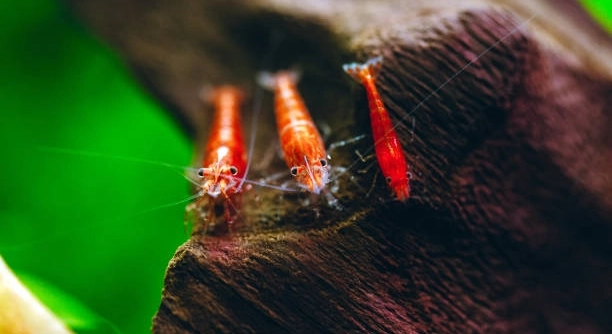
Rearranging a shrimp tank can create noticeable changes in their environment. Even small adjustments, like moving plants or decorations, can influence how shrimp behave and interact with their surroundings. Observing these changes can be insightful for any aquarist.
Shrimp react to tank rearrangements through several behaviors, including hiding, exploring, molting in new locations, altering feeding patterns, adjusting swimming routes, clustering near familiar landmarks, and showing signs of stress. These responses reflect their sensitivity to environmental changes.
Monitoring these behaviors helps maintain a healthy tank and ensures shrimp adapt comfortably to new layouts. Awareness of their reactions improves care and overall tank management.
Shrimp Hiding After Rearrangement
Shrimp often hide when their tank is rearranged. Moving plants, rocks, or decorations can make them feel exposed and unsure about the new layout. They instinctively seek safe spots to observe the changes and feel secure. Even minor adjustments can trigger this behavior. Hiding may last from a few hours to several days, depending on the shrimp’s temperament and the extent of the changes. Some species are naturally more cautious and will spend more time under shelters or behind ornaments. Providing extra hiding spots, like moss, small caves, or dense plant areas, can help them feel safe. During this period, it is important not to disturb them further. Avoid tapping on the glass, moving objects, or attempting to handle the shrimp. Observing from a distance allows them to gradually acclimate to the rearranged environment without added stress, promoting healthier behavior and feeding habits.
Hiding is a protective instinct that helps shrimp feel secure while adjusting to changes in their surroundings.
Creating safe areas ensures shrimp can explore the tank at their own pace. This approach minimizes stress and supports natural behaviors, leading to a more balanced environment.
Changes in Feeding Behavior
Shrimp may alter their feeding routines after a tank rearrangement.
When decorations or plants are moved, familiar feeding areas might disappear. Some shrimp may become hesitant to eat in new locations, preferring to explore or stay hidden first. It is common for shrimp to delay feeding or pick at food cautiously. Observing their patterns helps you understand how they are adapting. Over time, most shrimp resume normal feeding as they become comfortable with the new setup. Providing multiple small feeding spots can encourage consistent eating and reduce competition. Avoid overfeeding during this adjustment phase, as leftover food can degrade water quality. Maintaining a stable water environment is also crucial, as stress from rearrangement can make shrimp more sensitive to changes in water parameters. By monitoring both hiding and feeding, you can ensure shrimp stay healthy while gradually accepting the updated tank layout. Adjustments should be done thoughtfully, keeping their natural behavior and comfort in mind.
Increased Exploration
Shrimp often explore more after a tank rearrangement. They investigate new hiding spots, swim along different routes, and interact with altered surfaces. This behavior helps them understand the changes and find areas where they feel safe.
Exploration is a natural response to changes in their environment. When plants or decorations are moved, shrimp will swim cautiously through open spaces, climb on new surfaces, and test previously unused areas. This behavior allows them to assess safety, locate food, and establish comfort zones. Observing their exploration provides insight into how well they are adapting. Some shrimp may explore quickly, while others take more time, moving gradually to reduce exposure to potential threats. Providing a variety of textures and plants encourages safe exploration, keeping them active and engaged.
Exploring also affects social behavior. Shrimp may cluster in new areas or separate temporarily from others while adjusting. Over time, as they become familiar with the rearranged tank, their movements become more confident and routine, reflecting successful adaptation. Watching these patterns can help you gauge the level of stress and comfort in the tank.
Molting in New Locations
Shrimp may choose new spots for molting after rearrangement. They often seek secure, hidden areas away from open spaces.
Molting is a vulnerable process, and shrimp instinctively look for protection. When the tank layout changes, usual molting spots may no longer feel safe. Shrimp will move to corners, dense plant areas, or behind decorations to complete molting without disturbance. Providing multiple sheltered locations supports healthy molting cycles. Stress or limited hiding spots can delay or complicate the process, so attention to tank layout is important. Monitoring these behaviors ensures they molt safely and recover quickly, reducing the risk of injury or predation.
Adjusting molting behavior also reflects how shrimp perceive their environment. Some may return to previously unused spaces, while others prefer familiar areas that still provide sufficient cover. Over time, they will integrate new hiding locations into their routine, maintaining normal activity levels. Ensuring water quality and consistent feeding during this period supports a smooth transition. Observing how shrimp handle molting after changes provides valuable insight into their comfort and overall well-being in the rearranged tank.
Adjusted Swimming Patterns
Shrimp often change their swimming patterns after a tank rearrangement. They may swim slower, explore new areas cautiously, or avoid open spaces until they feel secure.
These adjustments help shrimp navigate unfamiliar layouts safely. Swimming routes shift around new decorations, plants, or hiding spots, and they may circle or pause more often. Observing these changes provides insight into their comfort and stress levels, showing how they adapt to environmental modifications.
Clustering Around Familiar Landmarks
Shrimp tend to cluster near familiar landmarks even after changes. They use these reference points to feel secure and orient themselves in the tank. Familiar objects provide a sense of stability while they adjust to new areas and explore cautiously.
Signs of Stress
Stress can appear as rapid movements, excessive hiding, or refusal to eat. Monitoring these signs ensures shrimp remain healthy after rearrangement.
Why do my shrimp hide more after rearranging the tank?
Shrimp hide more after a tank rearrangement because they feel uncertain about the new environment. Even minor changes, like moving plants or decorations, can make them perceive the area as unsafe. Hiding is a natural protective response, helping them observe changes while staying secure. Providing extra hiding spots, such as moss, caves, or dense plants, allows them to feel safe and gradually adjust. Avoid disturbing them during this time, as additional stress can affect feeding, molting, and overall health. Observing from a distance helps them regain confidence and return to normal behavior.
How long does it take for shrimp to adapt to a new layout?
Adaptation time varies depending on the species, number of changes, and individual temperament. Some shrimp explore and adjust within hours, while others may take several days. Gradual exploration and cautious feeding are common during this period. Ensuring stable water conditions, proper hiding areas, and minimal disturbances accelerates adjustment. Monitoring feeding habits, swimming patterns, and clustering behavior provides insight into their comfort level. Some shrimp may initially stay hidden, while more confident individuals will investigate new areas first. Over time, they integrate the new layout into their routine, resuming normal activity and social interactions.
Why are my shrimp exploring more after changes?
Increased exploration is a natural response to environmental changes. Shrimp move around to assess new hiding spots, search for food, and understand their surroundings. Exploration helps them locate safe areas for feeding and molting. Providing varied surfaces and decorations encourages safe exploration. Some shrimp are naturally cautious and explore slowly, while others investigate actively. Observing how they interact with new areas allows you to see which parts of the tank they feel comfortable in. Exploration also helps reduce stress by giving shrimp the opportunity to adjust at their own pace.
What causes shrimp to change their swimming patterns?
Changes in swimming patterns usually occur because shrimp need to navigate a modified environment. They may swim slower, pause frequently, or avoid open spaces. Adjusting routes around new plants or decorations ensures safety and helps them identify secure hiding spots. Observing these changes can indicate how comfortable shrimp are with the new setup. Over time, swimming becomes more confident as shrimp familiarize themselves with the tank. Stress, water quality fluctuations, or overcrowding can also affect movement, so monitoring patterns helps identify potential issues early.
Why do some shrimp cluster around familiar landmarks?
Shrimp cluster around familiar landmarks for stability and security. Even after rearrangement, objects they recognize provide comfort. Clustering reduces stress, helps them orient in the tank, and allows safer access to food. Shrimp may return to these areas repeatedly while gradually exploring new locations. Providing multiple reference points throughout the tank can help them feel safe and encourage balanced distribution. Clustering is temporary in most cases, as shrimp typically spread out once they grow accustomed to the changes.
How can I tell if my shrimp are stressed?
Signs of stress include excessive hiding, rapid or erratic swimming, refusal to eat, or molting difficulties. Stress can result from environmental changes, poor water quality, or overcrowding. Monitoring these behaviors is essential for maintaining shrimp health. Providing extra hiding spaces, ensuring stable water parameters, and avoiding sudden disturbances can reduce stress. Observing feeding habits, swimming, and interactions with other shrimp helps determine overall comfort. Early detection of stress allows for timely adjustments, supporting healthy adaptation to tank rearrangements.
What should I do if my shrimp stop eating?
If shrimp stop eating, check for water quality issues, recent changes, or inadequate hiding spots. Feeding in small, consistent portions can encourage eating. Shrimp may resume feeding once they feel secure. Offering food in multiple locations reduces competition and allows shy individuals to eat safely. Avoid overfeeding, as leftover food can harm water quality. Observation is key; gradual return to normal behavior indicates successful adaptation. Patience and attention to their environment support recovery and ongoing health.
Can rearranging a tank affect molting?
Yes, rearranging a tank can affect molting. Shrimp need secure, hidden areas during this vulnerable time. Moving familiar shelters may cause hesitation or relocation for molting. Providing multiple covered spots ensures shrimp can molt safely. Stress or limited hiding spaces can delay the process or lead to complications. Monitoring molting behavior helps ensure proper recovery. Maintaining water quality and consistent feeding supports healthy exoskeleton development. Over time, shrimp integrate new hiding areas into their routine, reducing molting disruptions caused by environmental changes.
How often should I rearrange my shrimp tank?
Frequent rearrangements can stress shrimp, while occasional changes can provide enrichment. Limit major alterations to when necessary, such as cleaning or adding plants. Small adjustments can be made gradually to minimize disruption. Observing shrimp behavior after each change helps determine their comfort and adaptation speed. Providing stable, familiar areas alongside new features ensures balance. Rearranging responsibly supports activity, exploration, and overall well-being without causing unnecessary stress. Gradual changes allow shrimp to feel secure and maintain normal feeding, molting, and social behaviors.
Do all shrimp react the same way to changes?
No, reactions vary by species, individual temperament, and tank environment. Some shrimp are cautious and hide frequently, while others explore quickly. Differences also appear in feeding, swimming, and molting behavior. Understanding these variations helps manage the tank more effectively. Observing individual shrimp provides insight into comfort levels and adjustment needs. Creating diverse hiding spots and stable conditions accommodates different personalities. Awareness of these differences ensures all shrimp maintain health and safety while adapting to environmental changes, supporting a harmonious tank ecosystem.
Rearranging a shrimp tank can create noticeable changes in the way shrimp behave. Even small adjustments, like moving plants, rocks, or decorations, can make them feel uncertain about their environment. Many shrimp respond by hiding, exploring cautiously, or clustering near familiar landmarks. These behaviors are natural responses to change and reflect their instinct to stay safe. Hiding, in particular, allows shrimp to observe the altered surroundings without exposing themselves to potential threats. Over time, most shrimp gradually become comfortable with the new layout and resume their normal routines, including feeding, swimming, and social interactions. Providing a variety of hiding spots, such as moss, caves, or dense plant clusters, can help them feel secure and reduce stress during the adjustment period. Observing their behavior from a distance is important, as minimal interference allows shrimp to adapt naturally and regain confidence in their tank.
Feeding behavior is another area where changes can be observed after rearrangement. Shrimp may initially become hesitant to eat in new locations or avoid previously familiar feeding spots. This adjustment is normal and often temporary. Offering food in multiple areas can encourage consistent feeding while reducing competition among tank mates. Monitoring their eating habits helps determine whether they are adapting well to the changes or if stress is affecting their behavior. Stress can also influence molting, swimming patterns, and overall activity levels. Maintaining stable water conditions, providing adequate hiding areas, and avoiding sudden disturbances are key factors in helping shrimp adjust successfully. Understanding these responses helps ensure that shrimp remain healthy and comfortable in their environment, even after significant changes.
Overall, observing shrimp after a tank rearrangement provides valuable insight into their natural behaviors and coping mechanisms. Each individual may respond differently depending on its temperament and species, and attention to these variations can guide how the tank is arranged. Gradual adjustments, along with the provision of familiar landmarks and secure spaces, allow shrimp to explore, feed, and molt safely. While changes in behavior such as hiding, clustering, or cautious swimming may seem concerning at first, they are usually temporary and indicate normal adaptation. By respecting their natural instincts and providing a supportive environment, shrimp can continue to thrive in a rearranged tank. Careful observation, patience, and thoughtful planning of the tank layout create a healthier, more stable environment where shrimp can feel secure and display natural behaviors consistently. Over time, these adjustments help maintain balance in the tank and ensure the long-term well-being of all its inhabitants.

Hello,
If you enjoy the content that we create, please consider saying a "Thank You!" by leaving a tip.
Every little bit helps us continue crafting quality advice that supports the health, happiness, and well-being of pets around the world, for pets of all shapes, sizes, and species.
We really appreciate the kindness and support that you show us!