
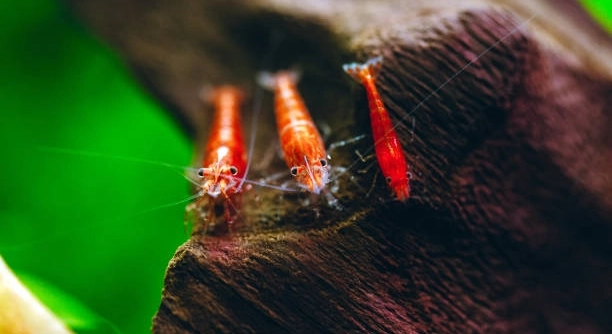
Cherry shrimp are small, colorful freshwater creatures often kept in aquariums for their lively presence. Their behavior around feeding time can be surprisingly expressive, revealing instincts and habits that make observing them enjoyable. These reactions highlight their natural tendencies and preferences.
Cherry shrimp exhibit distinct behaviors during feeding time, including clustering near food sources, rapid movement, antennal waving, and selective picking. These responses demonstrate their sensory acuity and social interaction patterns, reflecting their adaptation to efficient foraging in aquatic environments.
Observing these behaviors provides insight into their natural instincts and helps ensure proper care and feeding practices for a healthy aquarium environment.
Clustering Around Food
Cherry shrimp often gather in tight groups when food is introduced to the tank. This clustering behavior allows them to quickly access available nutrients and reduce competition from others. They sense food through chemical cues in the water, and once detected, multiple shrimp will move toward the same spot. Observing this behavior can be fascinating, as they sometimes appear to coordinate movement almost simultaneously. This clustering is not random; it reflects an instinct to maximize feeding efficiency. Larger shrimp often dominate prime feeding spots, while smaller individuals wait or pick at leftover fragments. The grouping can also provide a sense of security, as being close to others reduces the likelihood of threats. Feeding times become lively scenes as shrimp push, pull, and maneuver around one another to reach the food source. Noticing these patterns helps in understanding their social and survival behaviors in a controlled environment.
This clustering also makes it easier to gauge how many shrimp are healthy and active, providing insight into overall tank well-being.
Watching cherry shrimp group together reveals their social instincts and feeding priorities. It highlights how even small creatures coordinate to survive and thrive in a shared habitat. Observing this carefully can also inform better placement of food and monitoring of their interactions. Over time, this pattern becomes predictable, offering a reliable way to ensure all shrimp receive adequate nutrition. Adjusting feeding portions based on group behavior can prevent waste and maintain water quality. Their clustering not only improves feeding efficiency but also encourages natural behaviors that support a healthier tank environment. By understanding these movements, you can anticipate which shrimp may need more attention or care, ensuring balanced nutrition across the colony. Consistent observation reinforces the connection between shrimp behavior and tank management practices, making it easier to maintain a thriving aquatic setup.
Antennal Waving and Sensory Exploration
Antennal waving is a common behavior during feeding.
Cherry shrimp use their antennae to sense food particles in the water. This waving helps them locate food accurately and detect potential obstacles nearby. They sweep their antennae in a rhythmic motion, enhancing their ability to respond quickly to feeding opportunities. Antennal activity also indicates alertness and curiosity, signaling a healthy, engaged shrimp. By observing this behavior, one can distinguish between hungry shrimp and those that are less active or stressed. Antennal waving often increases when food is freshly added, showing their reliance on sensory input for efficient foraging. It also allows shrimp to communicate indirectly with nearby tank mates, as overlapping antenna movements can indicate presence and feeding priority. Watching the delicate, constant motion of their antennae provides insight into how these small creatures interact with their environment. Paying attention to this detail can help optimize feeding schedules and food placement for maximum engagement and minimal waste. Adjusting food type or size can enhance antennal detection, supporting their natural feeding instincts.
This sensory behavior highlights their reliance on touch and chemical signals to navigate and find food, essential for maintaining a healthy, balanced feeding routine.
Rapid Movement Toward Food
Cherry shrimp move quickly when food is added, darting toward the source with surprising speed. This sudden movement shows their awareness of available nutrients and instinct to secure a portion before others reach it. It is a clear sign of their natural foraging behavior and alertness.
This rapid movement is driven by both hunger and competition. Shrimp use sight and chemical cues to detect food, triggering bursts of activity. Smaller shrimp may hesitate initially, allowing larger or more confident shrimp to claim the first pieces. Once a secure spot is found, their motion slows, focusing on picking up food efficiently. Observing these patterns helps determine feeding amounts and placement to ensure all shrimp can eat without excessive stress. Timing and portion control can reduce waste and maintain water quality. Rapid responses also reflect overall health, as lethargic shrimp may indicate illness or poor water conditions.
Quick dashes across the tank demonstrate their agility and precision. They navigate obstacles and other shrimp while keeping focus on food, showing how instinct drives efficiency and coordination in feeding. Watching these movements gives a clear sense of their alertness and natural behavior patterns.
Selective Picking and Grazing
Cherry shrimp often pick food selectively, choosing the most accessible or appealing pieces first.
They use their tiny claws to grab, inspect, and consume bits of food carefully. This selective picking ensures they maximize nutrition while avoiding waste or less desirable fragments. Grazing behavior follows, as shrimp move slowly across the substrate or plants, consuming leftover particles. This methodical feeding supports their natural survival strategy, where efficiency matters. Selective eating also reveals preferences for certain foods, helping adjust feeding choices. Over time, shrimp may focus on particular flakes, pellets, or biofilm, indicating both taste and nutritional needs. Grazing ensures minimal competition for leftovers, letting all shrimp access sustenance. Observing which pieces are favored helps maintain a balanced diet and avoids overfeeding. Adjusting food types based on this behavior can encourage activity and maintain a clean tank.
Selective picking also allows smaller shrimp to feed without direct competition, balancing feeding dynamics. This behavior reflects how they interact with both food and tank mates, optimizing nutrient intake and minimizing conflict. It demonstrates their instinct to prioritize, manage resources, and sustain energy efficiently.
Vibrant Color Changes
Cherry shrimp can show slight changes in color during feeding. This shift is often more noticeable in healthy, well-fed individuals and signals excitement or alertness. Their red hues may deepen as they gather near food, reflecting both mood and physical response.
Color intensity also depends on diet and water conditions. High-quality food can enhance natural pigmentation, while stress or poor water quality may dull their appearance. Feeding times provide a reliable way to observe these changes. Tracking color shifts helps monitor shrimp health and ensures they are active and responsive during meals.
Antennae Contact with Tank Mates
During feeding, shrimp frequently touch each other with their antennae. This contact allows them to sense nearby movements, avoid collisions, and coordinate access to food efficiently. Antennae serve as both sensory and communication tools in these interactions.
Hiding and Retreating
Some shrimp temporarily retreat or hide when food is added, particularly shy or smaller individuals. This behavior reduces competition and allows them to approach food cautiously once the larger shrimp have fed.
Rapid Scraping and Cleaning
Cherry shrimp often scrape surfaces vigorously during feeding. This behavior helps remove leftover particles and algae from plants, decorations, and substrate. It ensures they extract maximum nutrition from the tank environment while maintaining cleanliness and supporting natural grazing instincts.
How do I know if my cherry shrimp are hungry?
Hungry cherry shrimp show active movement toward the food source. They may dart quickly as soon as food is introduced and use their antennae to explore the area. You may also notice clustering or more intense scraping of surfaces to find leftovers. Lethargic shrimp or those ignoring food might already be full, stressed, or unhealthy. Observing feeding times consistently helps gauge their hunger and adjust feeding amounts accordingly.
Can cherry shrimp overeat?
Yes, cherry shrimp can overeat if too much food is added. Overfeeding leads to leftover food, which can decay and degrade water quality. Uneaten food increases ammonia and nitrate levels, stressing shrimp and promoting algae growth. Offering smaller, controlled portions based on the number of shrimp ensures they eat efficiently without waste. Watching their selective picking and grazing behaviors can guide portion size adjustments.
Why do some shrimp hide during feeding?
Shy or smaller shrimp often retreat when larger shrimp dominate feeding areas. Hiding reduces competition and stress. Once larger shrimp finish eating, the shy shrimp cautiously emerge to feed on leftover particles. This behavior is normal and does not indicate illness. Ensuring multiple feeding spots or spreading food across the tank allows all shrimp to access nutrients comfortably.
Why do cherry shrimp wave their antennae so much?
Antennae waving is a sensory behavior used to detect food, obstacles, and tank mates. During feeding, it increases as shrimp locate food particles and navigate crowded areas. Antennal contact also helps them sense others nearby, reducing collisions and supporting coordinated movement. Healthy, active shrimp display regular antennal motion. Changes in this behavior can indicate stress, illness, or poor water conditions.
Do cherry shrimp fight over food?
Cherry shrimp do not aggressively fight but compete passively by clustering, positioning themselves near food, and using antennae to sense availability. Larger or more confident shrimp often claim the best spots, while smaller ones wait or feed on leftovers. Distributing food in multiple locations reduces competition and ensures all shrimp can feed safely. Observing these interactions helps identify dominant and timid individuals.
How can I encourage grazing and selective feeding?
Providing varied food types like algae wafers, blanched vegetables, or specially formulated shrimp pellets promotes natural grazing behaviors. Observing which pieces shrimp prefer helps fine-tune their diet. Scraping surfaces like rocks, plants, and decorations encourages scavenging instincts. Smaller portions spread throughout the tank allow multiple shrimp to feed simultaneously while mimicking natural foraging patterns. Consistency in feeding times strengthens these behaviors.
What does rapid movement during feeding indicate?
Rapid movement signals excitement and alertness. Shrimp quickly dart toward food, navigating obstacles and avoiding other shrimp to secure nutrients. This is a normal, healthy behavior. Shrimp that remain slow or unresponsive may be stressed, unhealthy, or experiencing poor water conditions. Regular observation during feeding helps assess overall tank health.
Can feeding behaviors indicate shrimp health?
Yes, behaviors such as clustering, selective picking, rapid movement, and antennal waving are indicators of vitality. Shy or inactive shrimp may signal stress, illness, or inadequate water conditions. Monitoring how shrimp respond to food consistently provides insight into their physical and behavioral health, allowing timely adjustments to care routines.
How often should I feed my cherry shrimp?
Feeding once a day or every other day is usually sufficient. Small portions encourage natural behaviors like selective picking and grazing while preventing leftover food. Adjusting feeding frequency based on shrimp activity, size, and tank population ensures they remain healthy and active without compromising water quality.
Why do some shrimp change color at feeding times?
Color intensity often increases during feeding due to excitement or physical response. Healthy, well-fed shrimp display brighter reds when near food. Diet quality and water conditions also influence coloration. Tracking color changes helps monitor health and ensures shrimp are active and engaged during meals.
This FAQ section provides practical guidance to observe, interpret, and support cherry shrimp feeding behaviors, improving their health, diet management, and overall well-being in the aquarium.
Cherry shrimp are fascinating creatures, and their feeding behaviors reveal much about their instincts and health. Observing them during feeding time shows how they interact with each other, respond to food, and navigate their environment. From clustering around food to selective picking, each behavior has a purpose. They are not random movements but carefully executed actions to maximize nutrition, avoid competition, and maintain safety. By paying attention to these small but noticeable actions, aquarists can better understand the shrimp’s needs and natural tendencies. Even their subtle color changes or antennal movements provide insight into their mood, alertness, and overall well-being. Feeding time becomes more than just providing nutrients; it turns into an opportunity to monitor the colony’s health and social dynamics.
Proper observation during feeding also allows for improved care and tank management. Overfeeding, uneven distribution of food, or poor water quality can cause stress or illness in shrimp. By watching how they respond to food, it becomes easier to determine the right portion sizes and feeding schedule. For example, if some shrimp hide while others eat, spreading food in multiple locations ensures that everyone can access it without conflict. Likewise, understanding which types of food they prefer allows for a more balanced diet, promoting vibrant color and natural activity. Grazing behaviors, such as scraping algae or leftover particles from surfaces, help maintain cleanliness in the tank while giving the shrimp extra nutrition. Every action during feeding reflects instinctive habits honed for survival, which aquarists can support through thoughtful tank management and consistent care routines.
Finally, the behaviors of cherry shrimp during feeding illustrate the importance of attentive observation and a structured feeding approach. Consistency in feeding times, portion control, and monitoring shrimp activity can prevent health issues and support natural behaviors. Watching them cluster, wave their antennae, or rapidly move toward food is both informative and enjoyable, as it demonstrates their alertness and adaptability. Feeding time provides a way to gauge health, detect stress, and maintain a balanced environment in the aquarium. Understanding these behaviors not only supports the shrimp’s physical needs but also allows the caretaker to create a stable, thriving habitat. Over time, careful attention to feeding responses helps cultivate a healthier, more active, and visually vibrant shrimp colony, making the aquarium a dynamic and engaging ecosystem.

Hello,
If you enjoy the content that we create, please consider saying a "Thank You!" by leaving a tip.
Every little bit helps us continue crafting quality advice that supports the health, happiness, and well-being of pets around the world, for pets of all shapes, sizes, and species.
We really appreciate the kindness and support that you show us!