
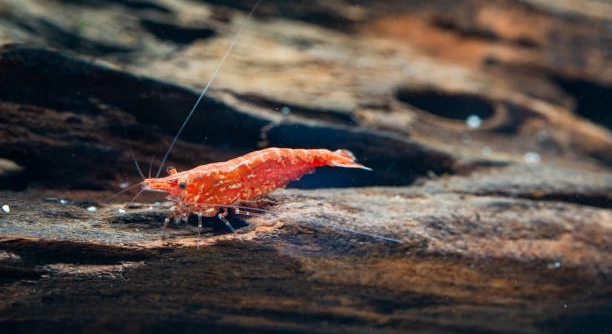
Starting a new shrimp tank can feel exciting but a bit overwhelming. Many new shrimp keepers find themselves learning the basics while trying to keep their tiny pets healthy and happy in a controlled environment.
The most common questions new shrimp keepers ask usually relate to water parameters, tank setup, feeding schedules, shrimp compatibility, breeding, molting issues, and general care. Understanding these areas is essential for establishing a successful and thriving shrimp habitat.
Knowing these essentials will make caring for your shrimp easier and more enjoyable, helping you avoid common mistakes that often frustrate beginners.
How Often Should I Feed My Shrimp
Feeding shrimp can be tricky at first. Overfeeding leads to water problems, while underfeeding affects their growth and color. Most shrimp do well with tiny portions once a day, and leftover food should be removed after a few hours. Observing their behavior helps you adjust the amount. Different species have slightly different needs, and tank size also matters. Shrimp enjoy a mix of high-quality flakes, algae wafers, and occasional blanched vegetables like zucchini or spinach. Providing variety ensures they get all the nutrients necessary for molting, reproduction, and vibrant coloration. Keep in mind that newly introduced shrimp may be shy at first and won’t eat immediately. Monitoring the tank and adjusting feeding gradually allows them to acclimate comfortably. Over time, you’ll recognize the right amount by noticing how quickly they consume the food. Maintaining this balance keeps both the shrimp and the water healthy.
Most shrimp require small, controlled feedings once daily. Overfeeding risks water quality issues, while underfeeding can stunt growth and reduce vitality.
Proper feeding goes beyond just giving food. It involves observing shrimp behavior, rotating food types, and ensuring no leftovers remain to decay. For beginners, starting with a single pinch and increasing gradually works best. Blanched vegetables like spinach or zucchini provide fiber, while specialized shrimp flakes or wafers supply essential proteins. Feeding at the same time daily creates routine, reducing stress. Tank size affects how much food can be safely given; smaller tanks tolerate less waste. Overfeeding can increase ammonia and nitrite, harming shrimp health. Young or new shrimp are often timid, requiring patience. Offering food in small, scattered amounts encourages activity and reduces competition. Rotating foods weekly prevents nutritional gaps. Keeping an eye on leftovers after a couple of hours ensures water remains clean. Feeding properly supports molting, reproduction, and bright colors. By monitoring and adjusting gradually, shrimp keepers can create a balanced, healthy environment for long-term success.
How to Keep Water Parameters Stable
Stable water is essential for shrimp survival. Sudden changes in pH, temperature, or hardness can be fatal. Testing regularly and using quality water treatments helps maintain consistency. Small, gradual adjustments are safer than major changes.
Water parameters should be monitored weekly using reliable test kits. Temperature, pH, GH, KH, and ammonia levels directly affect shrimp health. Drastic fluctuations stress shrimp, leading to molting problems or death. Using RO water with mineral additives allows better control over hardness and pH. Maintaining a heater for tropical species and avoiding direct sunlight or drafts helps keep temperature steady. Cycling a new tank before adding shrimp ensures beneficial bacteria are established, reducing ammonia spikes. Partial water changes with dechlorinated water support stability while removing waste. Observing shrimp behavior can reveal early signs of stress related to water quality, such as hiding or erratic swimming. Consistent care and testing create a safe, predictable environment, allowing shrimp to thrive, reproduce, and show vibrant coloration. Stability is key to preventing common beginner mistakes and ensuring a healthy, long-term setup.
Choosing the Right Tank Size
A larger tank is easier to maintain than a small one. It provides more stable water parameters and space for shrimp to explore. Small tanks are prone to rapid changes that stress shrimp.
Starting with a tank of at least 10 gallons is recommended for beginners. More water volume means slower fluctuations in pH, temperature, and ammonia, reducing the risk of stress and deaths. Larger tanks also allow for more decorations, plants, and hiding spots, which make shrimp feel secure. Shrimp reproduce more successfully in a stable environment, and a bigger tank helps prevent overcrowding as the population grows. Small tanks require very precise care, leaving little margin for error, whereas larger setups forgive minor mistakes. For beginners, investing in a medium-sized tank improves success rates and reduces daily maintenance stress.
When selecting a tank, consider placement and equipment. Heaters, filters, and lighting must fit the size and species requirements. Live plants improve water quality and provide shelter. Substrate depth matters for burrowing and feeding behavior. Avoid overcrowding by limiting shrimp numbers to a safe ratio per gallon. Monitoring water parameters regularly ensures stability. Decorations like moss, rocks, and driftwood help shrimp hide during molting, reducing mortality. Choosing a larger, well-equipped tank simplifies care and supports a thriving shrimp population over time.
Dealing with Molting Issues
Molting is critical for shrimp growth and health. Stress, poor water quality, or insufficient nutrients can delay or prevent proper molting. Observation is key to identifying problems early.
Shrimp need calcium, magnesium, and trace minerals for a successful molt. Providing mineral-rich foods, supplements, or specialized substrates ensures they have what they need. Stress from sudden water changes, aggressive tank mates, or overcrowding can cause molting problems or incomplete molts. Dead molts left in the tank are normal but should be monitored for signs of difficulty. Environmental consistency and proper nutrition prevent most molting issues, and maintaining hiding spots reduces stress during this vulnerable phase.
Monitoring shrimp closely during molting periods helps detect difficulties early. Remove aggressive species or overcrowded conditions that may interfere with molting. Adjust feeding to include mineral-rich options and keep water parameters stable. Avoid major water changes immediately before or after molting to prevent shock. Observing behavior like hiding or partial molts allows for timely intervention. Providing enough plants, moss, and shelters gives shrimp safe places to molt. With proper care, shrimp can molt successfully, grow, and reproduce without complications. Consistency in feeding, water quality, and environment ensures smooth molting cycles and healthier, vibrant shrimp.
Selecting Compatible Tank Mates
Shrimp are small and vulnerable, so tank mates must be peaceful. Aggressive or large fish can stress or eat them. Snails and small, calm fish usually work well.
Avoid fish that nip fins or hunt actively. Shrimp prefer quiet companions and plenty of hiding spaces. Overcrowding with incompatible species leads to stress, molting problems, and deaths.
Preventing Algae Overgrowth
Algae can quickly take over a tank if not controlled. Balancing light, nutrients, and tank maintenance is key. Overfeeding and excess light fuel rapid algae growth, which can affect water quality.
Maintaining algae at manageable levels improves tank health and appearance. Regularly remove visible algae, control feeding, and limit light exposure to eight to ten hours per day. Adding fast-growing plants can outcompete algae for nutrients, reducing its spread naturally. Snails and certain shrimp species also help keep algae under control, creating a cleaner and more balanced environment for all tank inhabitants.
Breeding Basics
Shrimp breed most successfully in stable, stress-free conditions. Providing hiding spots and consistent water parameters encourages reproduction. Proper nutrition supports egg development and hatching rates.
Handling Stress
Shrimp show stress through hiding, lethargy, or color fading. Stable water, gentle handling, and a quiet environment reduce stress.
What is the ideal water temperature for shrimp?
Most shrimp species do best in temperatures between 72°F and 78°F. Keeping water within this range ensures proper metabolism, molting, and breeding. Sudden fluctuations in temperature can stress shrimp, sometimes leading to death. Use a reliable heater and thermometer to maintain consistency. Avoid placing the tank near windows or vents that cause drafts or direct sunlight, as this can create sudden spikes or drops. Tropical species, like cherry shrimp, tolerate slightly higher ranges, but consistent temperature is always more important than exact numbers.
How often should I test water parameters?
Weekly testing is enough for most stable tanks. Parameters to monitor include pH, GH, KH, ammonia, nitrite, and nitrate. Frequent testing helps catch problems before they affect shrimp health. Keep a simple log to track trends over time. Sudden changes often indicate an underlying problem, such as overfeeding, decaying plants, or filter issues. Using reliable test kits ensures accuracy. If ammonia or nitrite spikes are detected, perform partial water changes immediately to prevent harm. Tracking water parameters consistently makes maintaining a healthy environment much easier.
Can shrimp live with other fish?
Shrimp can live with peaceful, small fish, like certain tetras or rasboras. Avoid aggressive species that may eat or stress them. Snails are another safe option for companionship. Overcrowding with incompatible tank mates increases stress and can lead to molting problems or deaths. Providing plenty of hiding spots and plants helps shrimp feel secure. Even with safe species, monitor behavior initially to make sure shrimp are not being harassed. Shrimp do best in calm environments with stable water and predictable routines.
What should I feed my shrimp?
Shrimp thrive on a varied diet that includes high-quality flakes, algae wafers, and occasional blanched vegetables like spinach or zucchini. Feeding small amounts once daily is usually enough. Overfeeding causes water quality problems, while underfeeding can stunt growth and affect coloration. Adding mineral supplements supports proper molting and reproduction. Observe how quickly they eat and adjust amounts accordingly. Rotating foods weekly ensures balanced nutrition. Avoid feeding leftover human food, as it can decay and pollute the tank.
How do I encourage shrimp to breed?
Stable water conditions, proper nutrition, and hiding places encourage breeding. Female shrimp carry eggs under their tails, which hatch in two to four weeks depending on species and temperature. Providing live plants or moss gives babies shelter. Maintaining consistent water parameters, including pH and hardness, improves survival rates. A well-fed population produces healthier eggs. Avoid disturbing females while they carry eggs, and remove aggressive or large tank mates that may harm juveniles. A calm, balanced environment ensures shrimp reproduce successfully.
Why are my shrimp hiding constantly?
Shrimp hide when stressed, during molting, or if water conditions are off. Check water quality, tank mates, and hiding spaces. Excess light, aggressive fish, or sudden changes in water parameters can trigger hiding. Shrimp molting or preparing to molt naturally retreat to safe areas. Providing plants, moss, or decorations helps them feel secure. Consistent water temperature and minimal disturbances reduce stress and encourage shrimp to be more active. Monitoring their behavior helps identify problems early and improve tank conditions.
What causes molting problems?
Molting issues usually come from stress, poor water quality, or mineral deficiencies. Shrimp need calcium, magnesium, and trace elements for healthy molts. Incomplete or failed molts can be fatal. Ensure water parameters are stable, provide mineral-rich foods, and maintain safe hiding spots. Avoid sudden water changes during molting periods. Overcrowding or aggressive tank mates can also interfere with molting. Observing shrimp during molts allows early intervention if problems arise. Proper care ensures successful molting cycles and healthier, more vibrant shrimp over time.
How do I prevent algae from taking over?
Algae growth is controlled by balancing light, nutrients, and feeding. Limit light to eight to ten hours per day and avoid overfeeding. Fast-growing plants compete with algae for nutrients. Snails and some shrimp species help keep algae manageable. Regular cleaning and partial water changes reduce excess nutrients that fuel algae growth. Keeping the tank balanced prevents unsightly overgrowth and maintains healthy water conditions. A combination of plant competition, animal helpers, and light management ensures algae stays under control without harsh chemicals.
How can I reduce stress in my shrimp?
Stress can cause hiding, lethargy, and color fading. Stable water, gentle handling, quiet surroundings, and adequate hiding spaces help shrimp feel safe. Avoid sudden changes in temperature, pH, or lighting. Overcrowding or aggressive tank mates increase stress levels. Providing a calm environment with predictable routines supports healthy behavior and successful molting. Monitoring shrimp regularly allows for early detection of stress, letting you adjust tank conditions promptly. Reducing stress improves longevity, coloration, and reproduction, making shrimp more active and visible.
Are decorations necessary in a shrimp tank?
Decorations like plants, moss, and driftwood provide hiding places during molting and reduce stress. They also create surfaces for biofilm, which shrimp eat. Decorations support overall health, offer shelter, and enhance tank stability. A mix of live plants and hardscape elements keeps shrimp comfortable and encourages natural behaviors, such as grazing and exploring. Properly placed decorations allow easy movement while offering security, making the tank functional and attractive.
How many shrimp should I keep in one tank?
A safe ratio is about one shrimp per gallon for beginners. Overcrowding leads to stress, water quality issues, and competition for food. Start with a small group and allow the population to grow gradually. Adequate space supports molting, reproduction, and overall activity. Observing behavior helps determine if stocking levels are suitable. Adjusting the number ensures a balanced, healthy environment for long-term success.
Can I use tap water for shrimp tanks?
Tap water is usable if treated to remove chlorine and chloramines. Adding mineral supplements may be necessary to balance GH and KH levels. Untreated water can harm shrimp or kill beneficial bacteria. Using a reliable water conditioner ensures safe water while supporting proper hardness and pH. Testing water before use confirms parameters are appropriate. Gradually acclimating shrimp to treated water prevents shock and promotes a healthy, thriving tank.
How do I clean a shrimp tank safely?
Avoid harsh chemicals. Use siphons to remove debris and perform partial water changes. Clean algae manually or with soft tools. Avoid disturbing molting shrimp or eggs. Maintaining a gentle, consistent cleaning routine supports water stability and shrimp health. Proper cleaning prevents waste buildup while keeping the environment safe and stress-free.
What signs show shrimp are healthy?
Active movement, vibrant coloration, regular feeding, and successful molting indicate good health. Healthy shrimp explore, graze on biofilm, and interact with the environment. Dull color, hiding excessively, or failed molts suggest stress or water issues. Observing behavior daily helps catch problems early. Maintaining clean water, stable parameters, and proper nutrition supports strong, healthy shrimp with good reproduction potential.
Keeping shrimp can be a very rewarding experience, but it comes with responsibilities that should not be overlooked. These small creatures rely entirely on their environment for survival, so maintaining stable water conditions, proper feeding routines, and safe tank companions is essential. Paying attention to details like water temperature, pH, hardness, and cleanliness can prevent many common problems beginners face. Even minor fluctuations in water parameters can stress shrimp, affecting molting, breeding, and overall health. Regular testing and partial water changes are simple practices that go a long way in creating a safe and balanced habitat for your shrimp.
Nutrition is another key factor in shrimp care. Providing a varied diet that includes high-quality flakes, algae wafers, blanched vegetables, and mineral supplements helps shrimp grow, molt successfully, and reproduce. Overfeeding or underfeeding can quickly lead to water issues or health problems, so it is important to monitor how much food is offered and adjust it based on their behavior and consumption. Observing shrimp while they feed not only ensures they are eating properly but also provides a chance to notice any early signs of illness or stress. A balanced diet combined with careful monitoring of water conditions creates an environment where shrimp can thrive naturally.
Finally, creating a comfortable and secure habitat is essential for stress-free shrimp keeping. Adding plants, moss, and decorations provides hiding spots, especially during molting or when juveniles are present. Choosing compatible tank mates and avoiding overcrowding ensures shrimp remain active and healthy. Patience and careful observation are important; shrimp may be shy or slow to adapt at first, but with consistent care, they will grow, reproduce, and display their full colors. By focusing on water stability, proper nutrition, and a safe environment, shrimp keepers can enjoy a healthy, thriving tank that supports the long-term well-being of their tiny aquatic pets.

Hello,
If you enjoy the content that we create, please consider saying a "Thank You!" by leaving a tip.
Every little bit helps us continue crafting quality advice that supports the health, happiness, and well-being of pets around the world, for pets of all shapes, sizes, and species.
We really appreciate the kindness and support that you show us!