
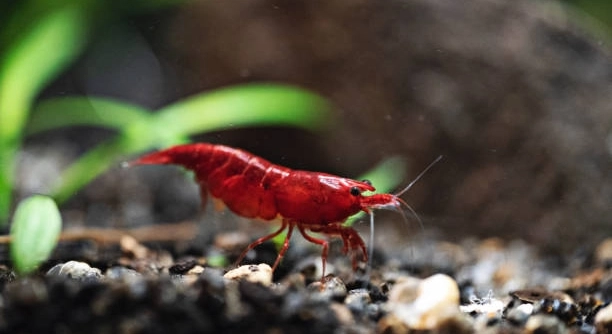
Cherry shrimp are small, colorful freshwater creatures that can add life and activity to your aquarium. They are gentle, peaceful, and easy to care for, making them a popular choice for both beginners and experienced hobbyists alike.
Cherry shrimp contribute to tank cleanliness by consuming algae, leftover food, and detritus. Their constant grazing helps prevent buildup on surfaces, reducing harmful bacteria and improving water quality. This natural cleanup process supports a healthier, more stable aquatic environment.
Understanding how these tiny shrimp operate can improve tank management and enhance your overall aquarium experience, making care routines easier and more effective.
Controlling Algae Growth
Cherry shrimp are excellent at keeping algae under control in your tank. They feed on soft algae that form on plants, decorations, and glass surfaces, helping maintain a clean and visually appealing environment. Over time, their grazing can significantly reduce algae buildup, which is often a common issue for aquarium owners. Unlike chemical solutions, using shrimp is a natural and ongoing method that does not disrupt the balance of your tank. By regularly consuming algae, they help prevent it from overtaking your plants or creating cloudy water. Their constant activity encourages a healthier ecosystem and reduces the need for manual cleaning, which can be time-consuming and stressful for delicate plants and decorations. Maintaining the right number of shrimp for your tank size ensures the effect is noticeable without overpopulating. Cherry shrimp work quietly but effectively, making them a low-maintenance solution for algae control that benefits both the tank’s appearance and its overall health.
Their steady algae grazing keeps surfaces clear and maintains cleaner water over time.
Cherry shrimp not only clean algae from visible surfaces but also from hard-to-reach corners of the tank. Their small size allows them to navigate tight spaces where algae can accumulate. Consistent grazing prevents algae from establishing strong colonies and reduces the need for frequent scrubbing. Additionally, by limiting algae growth, they help improve oxygen levels and light penetration, supporting healthier plant growth. The shrimp’s activity also minimizes leftover organic material that could otherwise decompose and compromise water quality. This combination of benefits contributes to a balanced aquatic ecosystem. Over weeks, the difference is clear: plants thrive, glass stays clean, and the tank maintains a more natural appearance. Using cherry shrimp as algae managers creates a self-sustaining method that works around the clock without constant supervision.
Consuming Leftover Food
Cherry shrimp readily eat uneaten fish food before it can settle and rot.
By removing leftover food, they reduce the buildup of harmful bacteria and prevent water from becoming cloudy. This natural cleanup helps maintain stable water conditions for all tank inhabitants.
Leftover food can quickly decay, creating ammonia spikes that stress fish and other aquatic life. Cherry shrimp act as tiny cleaners, scavenging bits of flakes, pellets, and even frozen food remnants. Their feeding behavior ensures that less waste accumulates at the bottom, decreasing the frequency of water changes needed. This is especially useful in heavily stocked tanks, where food can easily go unnoticed. Over time, their consumption of extra food contributes to clearer water and reduces the risk of algae blooms fueled by excess nutrients. Because they work continuously, cherry shrimp provide ongoing support for water quality, making your tank healthier without extra effort on your part. They integrate seamlessly into daily tank maintenance while quietly improving the overall balance.
Removing Detritus
Cherry shrimp quickly consume detritus, including decaying plant matter and tiny debris. This behavior helps prevent waste buildup and reduces the chance of harmful substances accumulating at the tank bottom, keeping the environment cleaner.
Detritus in a tank can lead to poor water quality and stress for fish. Cherry shrimp feed on these small particles, breaking them down and reducing organic waste. Their constant movement across the substrate ensures that debris does not settle and decompose, which can release toxins. By eating detritus, they maintain cleaner surfaces and improve the overall health of the tank. This natural cleanup supports better water clarity and reduces the frequency of heavy substrate cleaning, making tank maintenance easier.
Regular detritus removal by cherry shrimp also prevents odor and keeps the tank visually appealing. Their activity helps balance nutrient levels, benefiting plants and other tank inhabitants, while providing a reliable and low-maintenance method to manage organic waste efficiently.
Supporting Beneficial Bacteria
Cherry shrimp contribute to the growth of beneficial bacteria in the tank. Their waste and leftover food fragments provide nutrients that help these bacteria thrive.
Beneficial bacteria are essential for breaking down harmful compounds like ammonia and nitrites. By providing a small, steady source of nutrients through their feeding and excretion, cherry shrimp support the biological filtration system of the aquarium. This helps maintain stable water parameters, which is crucial for the health of fish and plants. The bacteria colonize surfaces like gravel and decorations, creating a robust ecosystem that processes waste efficiently.
In addition to feeding bacteria, cherry shrimp also stir the substrate as they move, preventing compacted areas that could limit bacterial growth. This combination of nutrient support and substrate aeration ensures a more effective and evenly distributed bacterial population. Over time, their presence strengthens the tank’s natural filtration, reducing reliance on mechanical or chemical interventions. By encouraging beneficial bacteria, cherry shrimp play a key role in sustaining a balanced, healthy aquatic environment.
Cleaning Plant Surfaces
Cherry shrimp graze on leaves and stems, removing algae and tiny debris. This keeps plants looking healthy and prevents buildup that can block light or hinder growth.
Their constant movement over plants also helps prevent decay from settling particles. Regular grazing maintains a cleaner, more vibrant plant environment without extra effort.
Eating Biofilm
Cherry shrimp feed on biofilm that forms on tank surfaces. This slimy layer is often rich in microorganisms and nutrients, which can become unsightly if left unchecked. By consuming it, shrimp keep surfaces cleaner, contributing to a healthier and more balanced aquarium ecosystem.
Stirring the Substrate
As cherry shrimp move across the gravel or sand, they naturally stir the substrate. This activity prevents dead zones where waste could accumulate, supporting better water circulation and reducing potential buildup of harmful substances.
How many cherry shrimp should I keep in my tank?
The ideal number depends on the size of your tank and other inhabitants. For a small 10-gallon tank, starting with 10 to 15 shrimp is reasonable. Larger tanks can support more, but overpopulation may lead to competition for food and resources. It’s better to maintain a balanced ratio to allow shrimp to thrive and continue cleaning efficiently.
Can cherry shrimp survive with fish?
Yes, but compatibility is key. Peaceful fish that don’t hunt small shrimp are ideal tank mates. Aggressive or large fish may see shrimp as food, which reduces their population and cleaning efficiency. Small schooling fish, like tetras or rasboras, usually coexist without problems, allowing shrimp to continue their natural cleaning behaviors.
Do cherry shrimp eat all types of algae?
Cherry shrimp prefer soft algae such as green hair algae or biofilm. They may not fully consume tougher algae types like black beard algae or large green spots. Regular grazing helps slow growth, but occasional manual removal may still be necessary. Their presence reduces algae spread and helps maintain cleaner surfaces overall.
How often should I feed cherry shrimp?
Feeding depends on the natural food available in your tank. In a well-established tank with algae and leftover food, supplemental feeding 2 to 3 times a week is sufficient. Overfeeding can lead to water quality issues and reduce the shrimp’s cleaning activity, as excess food may settle and decay instead of being consumed immediately.
Do cherry shrimp help with water quality?
Yes, indirectly. By eating leftover food, detritus, and biofilm, they reduce waste accumulation. Less organic waste means fewer toxins like ammonia and nitrites build up, supporting a healthier tank. Additionally, their movement helps aerate the substrate and encourages beneficial bacteria growth, which further stabilizes water parameters.
Can I have too many cherry shrimp in my tank?
Overcrowding can lead to stress, insufficient food, and higher competition, which reduces their effectiveness in cleaning. It can also increase waste output, potentially affecting water quality. Maintaining a balanced number according to tank size ensures shrimp remain active and efficient while preserving a healthy aquatic environment.
Do cherry shrimp breed in a home tank?
Yes, cherry shrimp breed readily in well-maintained tanks with stable water conditions. Females carry eggs under their tails, and tiny shrimp hatch and begin grazing within weeks. A breeding population can naturally maintain tank cleanliness, but keep in mind that over time, numbers may increase significantly if not monitored.
How do I care for baby shrimp?
Baby shrimp need the same environment as adults, but they are more sensitive to water quality and rapid changes. Providing plenty of plants and hiding spaces helps protect them. They feed on biofilm and tiny particles, so avoid disturbing the substrate excessively. Ensuring consistent parameters promotes survival and allows them to grow and contribute to cleaning.
Are cherry shrimp effective in tanks without algae?
Even in tanks with minimal algae, they continue to eat leftover food, detritus, and biofilm. Their cleaning role adapts based on available resources, making them useful in nearly any freshwater setup. While algae presence enhances their grazing, they still support water quality and reduce waste accumulation effectively.
What water conditions do cherry shrimp need?
They prefer stable water with a pH between 6.5 and 8.0, temperatures from 65°F to 80°F, and low levels of ammonia and nitrites. Clean, well-filtered water supports both shrimp health and their cleaning efficiency. Regular monitoring ensures they continue performing their role without stress or population decline.
Can I add cherry shrimp to an established tank?
Yes, they adapt well to established tanks, provided conditions are suitable. Introducing a few at a time allows them to acclimate and ensures survival. They will gradually start grazing on leftover food, algae, and debris, improving overall tank cleanliness and helping maintain a balanced ecosystem.
Do cherry shrimp need hiding spaces?
Yes, plants, moss, and decorations provide shelter and security, especially during molting. Hiding spaces reduce stress, protect young shrimp, and encourage natural grazing behavior. When they feel safe, they actively clean surfaces, ensuring your tank stays healthier with minimal maintenance.
Can cherry shrimp survive without plants?
While they can survive, plants improve water quality, provide food in the form of biofilm, and offer shelter. Shrimp thrive in planted tanks, which support natural grazing and protection. A tank without plants may require more monitoring and alternative hiding spots to keep them healthy and productive.
How long do cherry shrimp live?
The typical lifespan is around 1.5 to 2 years under proper care. Providing stable water, food, and shelter ensures they remain active and continue cleaning efficiently. Healthy shrimp populations sustain the tank’s cleanliness over time, reducing the need for constant intervention.
Do cherry shrimp remove fish waste?
They help break down small particles of fish waste, but they are not a substitute for regular water maintenance. By grazing on detritus and leftover food, they reduce the overall load, but periodic water changes and filtration remain essential for optimal water quality.
Can cherry shrimp survive in a bare-bottom tank?
Yes, they can survive, but bare-bottom tanks provide less surface area for grazing and no hiding places. Adding plants, moss, or decorations supports biofilm growth and shelter, allowing shrimp to clean more effectively and feel secure while performing their natural behaviors.
Are cherry shrimp sensitive to water changes?
They are sensitive to sudden changes in temperature, pH, or water chemistry. Gradual adjustments minimize stress and allow them to continue cleaning efficiently. Using acclimation procedures and stable routines ensures their health, longevity, and ongoing contribution to tank cleanliness.
Do cherry shrimp eat leftover food immediately?
Yes, they quickly scavenge small bits of uneaten food before it settles and begins to decay. This behavior prevents nutrient buildup, reduces waste, and supports water clarity. Feeding should be moderate to avoid excess food that could compromise their cleaning effectiveness.
Can I mix different shrimp species with cherry shrimp?
Some species can coexist, but compatibility is important. Aggressive or larger species may stress or eat smaller shrimp. Mixing similar-sized, peaceful species allows them to share the cleaning role and maintain a balanced tank ecosystem without harming each other.
Do cherry shrimp work in cold water tanks?
They tolerate cooler temperatures but remain more active in moderate ranges. Very cold water slows metabolism and cleaning behavior. Maintaining water within their preferred range ensures they actively graze, remove debris, and support tank health efficiently.
Are cherry shrimp suitable for beginners?
Yes, they are hardy, low-maintenance, and effective cleaners. Their natural behaviors help reduce tank upkeep while providing visual appeal. With stable water, food, and shelter, even new aquarium keepers can maintain a healthy, self-cleaning environment.
How long does it take for cherry shrimp to clean a tank?
Cleaning is ongoing rather than immediate. Their constant grazing gradually reduces algae, detritus, and leftover food. Within weeks, noticeable improvements in water clarity and plant health appear. Continuous maintenance ensures the tank remains cleaner with minimal intervention.
Can cherry shrimp survive in a tank with strong currents?
Strong currents can stress shrimp and limit grazing efficiency. Moderate, gentle flow allows them to move freely, feed on surfaces, and maintain cleaning activity. Tank setup should balance filtration needs with shrimp safety and activity.
Do cherry shrimp eat mold or fungus?
They may consume small amounts of mold or fungus that develop on leftover food or surfaces. While not a primary function, their scavenging helps reduce minor fungal growth, supporting cleaner tank conditions alongside other maintenance practices.
How do I encourage shrimp to clean more effectively?
Provide plants, moss, and hiding spots, feed moderately, and maintain stable water conditions. A healthy environment encourages natural grazing behaviors. Regularly observing shrimp ensures they are active and contributing to algae, detritus, and leftover food removal consistently.
Can cherry shrimp survive in brackish water?
They prefer freshwater conditions. Brackish water can be stressful or lethal. Keeping them in freshwater ensures survival, healthy activity, and efficient cleaning performance, supporting overall tank maintenance and ecosystem stability.
Do cherry shrimp need light to clean?
Light helps algae and biofilm grow, providing food for shrimp. While they can graze in low-light conditions, moderate lighting supports continuous feeding and cleaning activity. Proper lighting balances plant growth, algae formation, and shrimp grazing behavior effectively.
Are there any health concerns that affect cleaning ability?
Molting, stress, or poor water conditions reduce activity and grazing. Sick or stressed shrimp may hide and stop cleaning, affecting tank upkeep. Maintaining water stability, adequate food, and shelter ensures shrimp remain healthy and effective in their natural cleaning role.
Do cherry shrimp eat fish eggs?
They may eat small, unguarded fish eggs if left exposed. However, their impact is minimal in tanks with protective fish behaviors. Careful tank management and plant coverage can prevent egg predation while still benefiting from shrimp cleaning activities.
Can cherry shrimp remove leftover plant fertilizer?
They consume tiny particles and residues that settle on surfaces, helping limit excess fertilizer buildup. While they cannot remove all chemicals, their grazing reduces organic debris that could interact with fertilizers, supporting cleaner substrate and water quality.
Do cherry shrimp need a separate tank for breeding?
Not necessarily. They breed readily in community tanks, but providing hiding spaces improves juvenile survival. Dense plants, moss, and decorations protect young shrimp while allowing adults to continue cleaning efficiently in the same environment.
Are cherry shrimp effective in heavily stocked tanks?
They help manage leftover food and detritus, but extremely high stocking densities may overwhelm their cleaning capacity. Combining shrimp with regular maintenance ensures tank health while still benefiting from their grazing activity. Proper balance is key for effective results.
How long do shrimp stay active each day?
Cherry shrimp are active throughout daylight and dim periods, with activity peaking during moderate lighting. They graze continuously on algae, detritus, and biofilm, contributing to tank cleanliness and preventing buildup. Consistent activity maintains a balanced, healthy environment for all inhabitants.
Do cherry shrimp help prevent cloudy water?
Yes, by consuming decaying food, detritus, and biofilm, they reduce particles that cause cloudiness. Their grazing keeps surfaces cleaner, supports bacterial balance, and contributes to clearer water, reducing the need for frequent cleaning interventions.
Can cherry shrimp survive in low-tech tanks?
They are well-suited to low-tech setups with moderate plants and minimal filtration. Their natural cleaning behaviors compensate for limited equipment, maintaining algae control and waste removal while supporting water quality in simpler systems.
Do cherry shrimp eat leftover snail food?
Yes, they scavenge small remnants of snail food or other animal feed. This behavior prevents excess food from decomposing, maintaining cleaner substrate and water quality, and supporting a balanced tank ecosystem.
Are cherry shrimp compatible with live plants?
Absolutely. They graze on algae and detritus without damaging plants, supporting healthy growth. Mosses and dense foliage also provide shelter and biofilm sources, enhancing cleaning efficiency and promoting a more natural, balanced aquarium environment.
Can cherry shrimp survive in a new tank?
New tanks may lack sufficient algae or biofilm for immediate feeding. Supplementing with shrimp-specific food helps them adapt. Once established, they contribute to cleaning while gradually benefiting from growing algae and detritus, supporting tank balance.
Do cherry shrimp eat uneaten frozen food?
They consume small leftover bits of frozen or thawed food that settle on the substrate. This prevents decay, reduces waste accumulation, and supports cleaner water conditions while complementing regular feeding routines.
How do I maintain a healthy shrimp population?
Maintain stable water, moderate feeding, and provide plants or hiding spaces. Monitor tank parameters and avoid aggressive tank mates. Healthy populations remain active, breed successfully, and continuously clean algae, detritus, and leftover food, sustaining a balanced and visually appealing tank.
Can cherry shrimp remove leftover fish flakes?
Yes, they quickly scavenge uneaten flakes, preventing them from decomposing and affecting water quality. Regular grazing keeps the substrate cleaner and supports a healthier tank environment, complementing other maintenance practices.
Are cherry shrimp effective in planted tanks?
They thrive in planted tanks, where they clean algae, detritus, and biofilm. Plants provide shelter and surfaces for grazing. The combination of shrimp and plants improves water quality, balances nutrients, and reduces manual cleaning requirements effectively.
Do cherry shrimp eat decaying leaves?
Yes, they consume small decaying plant matter that falls to the substrate. This helps prevent excessive organic buildup, reduces waste decomposition, and maintains cleaner tank conditions while supporting a more natural ecosystem.
Can cherry shrimp survive in tanks with strong filtration?
They can tolerate moderate filtration but should not be exposed to strong currents that limit movement. Gentle flow allows them to graze surfaces and perform natural cleaning behaviors safely and efficiently.
Do cherry shrimp eat leftover fish pellets?
They readily consume small pellet fragments that settle on the substrate. This scavenging behavior reduces organic waste, prevents decomposition, and supports better water quality, complementing their ongoing role in tank maintenance.
How do I prevent shrimp from hiding too much?
Provide plants, moss, and stable water conditions. Avoid sudden changes, overstocking, or aggressive tank mates. A secure environment encourages natural grazing behavior, ensuring they remain active and continue cleaning algae, detritus, and leftover food efficiently.
Can cherry shrimp survive in low-light tanks?
Yes, they can survive, but algae and biofilm growth may be limited, reducing food availability. Occasional supplemental feeding supports their grazing activity, maintaining cleaning efficiency in lower-light conditions.
Do cherry shrimp help reduce ammonia levels?
Indirectly. By consuming leftover food, detritus, and decaying matter, they prevent ammonia spikes. Combined with beneficial bacteria growth, their activity supports a more stable and safer aquatic environment for all tank inhabitants.
Are cherry shrimp effective in tanks with few fish?
Yes, they still clean biofilm, algae, and detritus. While fewer fish may mean less leftover food, shrimp adapt by grazing surfaces, supporting cleaner conditions and maintaining water quality even in lightly stocked tanks.
How often should I check on my shrimp?
Daily observation is sufficient to ensure they are active and healthy. Monitoring for molting, hiding behavior, or water parameter changes helps maintain their cleaning efficiency and supports a balanced tank ecosystem.
Do cherry shrimp eat leftover flakes immediately after feeding?
They scavenge small amounts of flakes that remain on surfaces after fish feeding. This behavior prevents decay, reduces waste accumulation, and supports a cleaner, more stable tank environment.
Can cherry shrimp survive with aggressive fish?
Aggressive fish may stress or eat shrimp, limiting their cleaning role. Peaceful species are preferable to maintain shrimp populations and their ongoing contribution to tank maintenance.
Do cherry shrimp require supplements to clean effectively?
No supplements are required for basic cleaning. However, occasional food for shrimp ensures they remain healthy and active, especially in tanks with minimal algae or organic matter. This supports consistent grazing and waste reduction.
Are cherry shrimp sensitive to copper?
Yes, copper can be toxic. Avoid medications or fertilizers containing copper, as exposure can harm shrimp and reduce their effectiveness in cleaning algae, detritus, and leftover food.
Do cherry shrimp help prevent slime buildup?
They graze on biofilm and organic residues, reducing slime accumulation on surfaces. Their activity supports cleaner tank walls, decorations, and plants, contributing to overall water quality and a more visually appealing aquarium.
How long does it take for shrimp to start cleaning a tank?
Shrimp begin grazing immediately, but visible effects accumulate over days to weeks. Consistent activity gradually reduces algae, detritus, and leftover food, enhancing tank cleanliness and overall ecosystem balance.
Can cherry shrimp survive in soft water?
Yes, they adapt to soft water conditions, but stable parameters are important. Soft water supports their health and allows continued grazing and cleaning behaviors without stress or population decline.
Do cherry shrimp need a heater to clean efficiently?
Heaters help maintain stable temperatures that support active grazing. While they can survive in cooler water, moderate, consistent temperatures maximize cleaning efficiency and overall health.
Can cherry shrimp eat leftover frozen bloodworms?
They scavenge small, settled fragments, preventing decomposition. This behavior supports cleaner substrate, reduces waste accumulation, and complements their natural cleaning role in the tank.
Do cherry shrimp eat leftover flake food from the top of the tank?
They mainly consume flakes that settle to the substrate or surfaces. Flakes floating at the top may be eaten by fish first, but any remaining particles contribute to their ongoing cleaning efforts.
Are cherry shrimp effective in tanks with strong lighting?
Strong lighting encourages algae growth, which shrimp graze on continuously. This natural balance supports effective cleaning, reduces excessive algae buildup, and maintains a visually appealing environment for plants and other tank inhabitants.
How do I acclimate cherry shrimp to a new tank?
Gradual acclimation to temperature and water parameters reduces stress. Floating the bag, slowly adding tank water, and monitoring behavior ensures shrimp remain healthy and active in their cleaning role.
Do cherry shrimp eat leftover frozen shrimp pellets?
Yes, they scavenge small remnants, preventing decay. This behavior supports cleaner substrate and water, complementing other cleaning activities like algae and detritus removal.
Can cherry shrimp survive in tanks with driftwood?
Driftwood provides surfaces for biofilm growth and hiding spaces. Shrimp graze naturally on biofilm, enhancing cleaning efficiency while using driftwood for shelter and grazing areas.
Do cherry shrimp require aeration to clean effectively?
Moderate water movement is sufficient. Aeration supports oxygen levels and encourages activity, but excessive currents may stress shrimp and reduce grazing efficiency. Balanced conditions allow them to clean consistently.
Are cherry shrimp effective in tanks with snails?
Yes, they coexist well with small, peaceful snails. Both species graze on biofilm and detritus, complementing each other’s cleaning efforts and supporting a healthier tank environment.
How long do cherry shrimp graze each day?
They remain active throughout most of the day, grazing continuously on algae, biofilm, and detritus. This consistent activity maintains cleaner surfaces and supports overall water quality.
Do cherry shrimp help prevent plant decay?
By eating decaying matter and preventing algae overgrowth, they indirectly support plant health. Cleaner surfaces and reduced waste reduce stress on plants and help maintain a more balanced tank environment.
Can cherry shrimp survive in tanks with fluctuating temperatures?
Rapid temperature changes stress shrimp and reduce activity. Stable conditions are crucial for health and cleaning efficiency. Gradual adjustments prevent population decline and maintain ongoing tank maintenance benefits.
Do cherry shrimp eat leftover frozen pellets immediately?
They scavenge fragments that settle on the substrate, preventing decay and maintaining cleaner water conditions. Immediate removal of leftover food supports overall tank health and reduces waste accumulation.
Are cherry shrimp effective in community tanks?
Yes, they clean algae, detritus, and leftover food without disturbing peaceful fish. Their activity supports water quality and substrate cleanliness, benefiting the entire tank ecosystem.
How do I keep shrimp from escaping?
Cherry shrimp are small but mighty helpers in any freshwater tank. Their natural behaviors, from grazing on algae to scavenging leftover food, make a noticeable difference in maintaining a clean and balanced environment. Over time, the presence of cherry shrimp reduces the buildup of waste and organic material, helping to prevent water quality issues and the stress that comes with poor tank conditions. They are low-maintenance creatures, requiring only stable water parameters, moderate feeding, and places to hide. Even without constant attention, cherry shrimp continue their cleaning activity, making them an efficient and reliable addition to both beginner and experienced aquariums. Their small size and peaceful nature allow them to coexist with a variety of fish and other tank inhabitants, adding activity and color while quietly performing their role in maintaining a healthier aquatic environment.
In addition to their cleaning abilities, cherry shrimp support the overall ecosystem in the tank. By consuming detritus, biofilm, and algae, they help regulate the nutrient balance, which in turn benefits plants and other inhabitants. Their grazing reduces areas where harmful bacteria could grow excessively, and their constant movement aerates the substrate, preventing dead zones that might otherwise trap waste. Over time, this leads to clearer water, healthier plants, and a more stable tank environment. Cherry shrimp also contribute indirectly to the growth of beneficial bacteria, which are critical for breaking down harmful compounds like ammonia and nitrites. This combination of behaviors means that cherry shrimp do more than just clean surfaces—they support a self-sustaining system that makes tank maintenance easier and more predictable. Their role is especially valuable in planted tanks, where algae control and nutrient management are essential for plant health and overall tank balance.
Caring for cherry shrimp is straightforward but requires attention to water quality and tank conditions. Stable pH, temperature, and low levels of ammonia and nitrites are key to ensuring their survival and activity. Providing plants, moss, and other hiding spots encourages natural grazing behaviors and protects them during molting. Populations can grow over time, offering ongoing cleaning support while also adding visual interest with their bright colors and constant movement. While they do not replace regular water changes or filtration, cherry shrimp complement these tasks by continuously reducing waste and helping maintain a healthier environment. By integrating cherry shrimp into a tank, you create a cleaner, more balanced aquatic setup that benefits all inhabitants. Their presence is practical and low-effort, proving that even the smallest creatures can have a big impact on tank maintenance and overall health.

Hello,
If you enjoy the content that we create, please consider saying a "Thank You!" by leaving a tip.
Every little bit helps us continue crafting quality advice that supports the health, happiness, and well-being of pets around the world, for pets of all shapes, sizes, and species.
We really appreciate the kindness and support that you show us!