
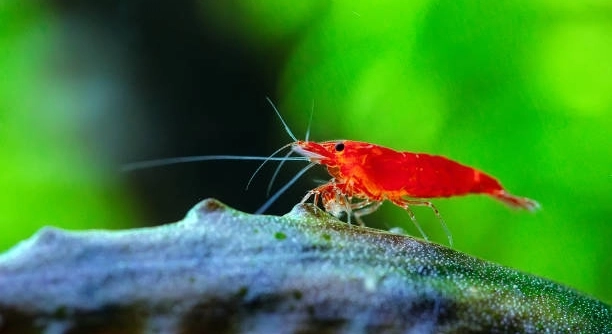
Do you enjoy keeping cherry shrimp but find your tank strangely quiet, with no new babies appearing despite your care? Many shrimp keepers notice this and feel frustrated when breeding doesn’t happen as expected.
Cherry shrimp may fail to breed due to unsuitable water conditions, lack of proper nutrition, stress from overcrowding, or absence of mature, healthy shrimp. Addressing these factors systematically often encourages successful reproduction and healthy offspring.
Understanding these basic requirements can make a big difference for your shrimp’s growth. Small adjustments in care and environment often lead to noticeable changes in breeding success.
Water Conditions and Tank Setup
Water quality is the most important factor for cherry shrimp breeding. I learned that even small changes in pH, hardness, or temperature can stop them from reproducing. Ideally, the water should have a pH between 6.5 and 7.5, soft to moderately hard, and a stable temperature around 72–78°F. Frequent water changes are important, but sudden shifts can stress shrimp and prevent breeding. Substrate, plants, and hiding spots also matter. Moss, leaf litter, and dense plants give baby shrimp places to hide and grow safely. Filtration is necessary, but strong currents can harm shrimp, so I always use a gentle sponge filter. Observing shrimp behavior helps determine if the tank is comfortable for them. When I adjusted my setup to these conditions, I noticed more active, healthy shrimp and eventually saw berried females, signaling breeding had started. Consistency in maintenance makes a noticeable difference over time.
Maintaining proper water parameters prevents stress and creates a safe, comfortable environment that encourages breeding and overall shrimp health.
Even slight fluctuations in water chemistry can have immediate effects on breeding behavior. I track temperature and pH daily and use test kits to monitor ammonia, nitrite, and nitrate levels. Overcrowding or understocking also affects reproduction, as shrimp need the right balance of social interaction. Adding leaf litter and moss not only improves hiding spots but also provides natural food sources. Mature females need stable conditions to carry eggs safely, and males are more active when water quality is steady. I’ve seen tanks fail to produce babies until I corrected hardness and ammonia issues. Tank decorations and plants also influence stress levels. Smooth surfaces and plenty of places to cling allow shrimp to move freely without danger. By combining proper water chemistry, gentle filtration, and a thoughtful layout, breeding becomes more consistent. Regular observation helps catch problems early, ensuring a healthy population.
Nutrition and Feeding
Balanced food is essential for breeding success. Cherry shrimp need a variety of nutrients, not just flakes or pellets.
A diet rich in biofilm, algae, blanched vegetables, and specialized shrimp food encourages growth and reproduction.
Feeding too little or too much can stress shrimp. I usually rotate foods, giving spinach, zucchini, and shrimp-specific pellets, while also letting them graze on biofilm. Protein boosts egg development, but excessive protein leads to water quality issues. Observing shrimp while feeding helps me know if they are getting enough. I remove uneaten food after a few hours to prevent ammonia spikes. Feeding small amounts several times a day mimics natural conditions. Even simple additions like Indian almond leaves or dried leaves improve water quality and provide extra nutrients. I’ve found that healthy, well-fed shrimp are much more likely to show berried females and active males, indicating the tank is ready for reproduction. Consistency in feeding habits builds stable conditions that support successful breeding over time.
Stress and Overcrowding
Too many shrimp in one tank can prevent breeding. I noticed that when my tank got crowded, females hid more and males became less active. Stress from rapid changes or aggressive tankmates also discourages reproduction.
I had to reduce numbers to create a calm environment. Shrimp need space to move, graze, and interact naturally. Overcrowding increases competition for food and hiding spots, leading to weaker, less active shrimp. Stress can cause berried females to drop eggs or stop reproducing entirely. I made sure to maintain moderate stocking levels and separated aggressive species, which helped shrimp feel safe. Observing behavior became key—I could see when shrimp were comfortable versus stressed. Small adjustments like adding more plants or hiding places improved the tank’s balance, and activity levels increased noticeably. Stress reduction alone can dramatically improve breeding chances, especially in small community tanks.
Providing enough space and a calm, stable environment encourages active, healthy shrimp, which directly improves breeding success and overall tank harmony.
Even minor disturbances, like sudden water changes or moving decorations, can trigger stress responses. I learned to make changes slowly and carefully. Consistent feeding, gentle filtration, and soft lighting all contributed to a peaceful environment. I also noticed that when other species were present, some shrimp became overly cautious and avoided mating behaviors. Separating shrimp by size or creating breeding-only tanks gave them privacy, which increased the number of berried females. Monitoring water temperature and keeping daily routines predictable helped reduce anxiety. Once stress was minimized, shrimp became more active, showing more mating behaviors and carrying eggs consistently. Planning the tank layout and population carefully made a big difference in reproductive success.
Maturity and Population Balance
Young shrimp cannot breed until they reach the right age. I had to wait several months before my smallest shrimp started reproducing.
Adult shrimp need a balanced ratio of males to females to encourage mating.
In my tank, I noticed reproduction improved once there were enough mature females and males. A population too skewed in one gender reduces encounters and successful mating. Providing adequate space for each shrimp also matters—overcrowded tanks make mating difficult, while too few shrimp can limit social interaction. Ensuring all shrimp reach maturity under stable conditions improves breeding outcomes. I also separated aggressive species and monitored health to maintain balance. Observing interactions helped me identify if males were actively seeking females. Once the population was balanced and mature, berried females appeared regularly, and the tank became lively with shrimp activity. Small adjustments to ratios and habitat conditions consistently led to better breeding results.
Tank Cleanliness
Dirty tanks can prevent breeding. I learned that leftover food and waste quickly raise ammonia, stressing shrimp and reducing reproductive activity.
Regular maintenance is key. I clean surfaces gently, siphon debris, and perform partial water changes to keep conditions safe and stable.
Lighting and Environment
Shrimp respond well to consistent lighting. I keep lights on a 8–10 hour schedule, which helps regulate activity and feeding patterns. Plants also benefit from proper lighting, supporting biofilm growth that shrimp eat naturally.
Monitoring Health
Sick or weak shrimp rarely breed. I watch for discoloration, lethargy, or unusual behavior and separate affected individuals to prevent spreading issues.
Why are my cherry shrimp not breeding even though they seem healthy?
Even healthy-looking shrimp may not breed if water conditions are off. I had shrimp that looked active, but ammonia and nitrate levels were slightly high. Small changes in pH or hardness can also stress shrimp. I corrected the water chemistry slowly, and soon berried females started appearing.
How long does it take for cherry shrimp to mature?
Cherry shrimp usually reach maturity in about 4–6 months, depending on tank conditions and diet. I noticed my youngest shrimp needed patience before showing any breeding behavior. Providing stable water, good nutrition, and enough hiding places helps them develop normally and safely reach reproductive age.
Can temperature affect breeding?
Yes, temperature plays a big role. I keep my tank around 74–78°F. Cooler temperatures slow metabolism and mating activity, while extreme heat stresses shrimp. A stable, moderate temperature encourages frequent activity and healthier females carrying eggs consistently.
Do I need both males and females for breeding?
Absolutely. I observed that having mostly one gender stalled reproduction. A proper ratio of males to females increases encounters and mating success. Too few males or females can prevent mating entirely, so I always maintain a balanced population.
Does tank size matter for breeding?
Yes, overcrowded or very small tanks reduce breeding chances. I found shrimp breed best in tanks with enough space to move, forage, and hide. Overcrowding stresses them and increases competition, which lowers the likelihood of berried females appearing. Moderate stocking levels are ideal.
How often should I feed them?
Shrimp need small, frequent meals. I feed a mix of blanched vegetables, specialized pellets, and allow grazing on biofilm daily. Overfeeding can pollute the tank, while underfeeding slows growth and breeding. Watching how shrimp eat helps me adjust portions correctly.
Can other tank mates affect breeding?
Yes, aggressive or fast-moving fish can stress shrimp and prevent mating. I once had small cichlids in the tank, and females hid constantly. Removing or separating incompatible species improved comfort and increased berried females within weeks. Calm, peaceful tank mates work best.
Do lighting conditions influence reproduction?
Consistent lighting helps regulate shrimp activity. I use an 8–10 hour schedule. Too much light can stress them, while too little reduces feeding and biofilm growth. Steady light cycles make shrimp more active, which indirectly supports mating and egg-carrying behaviors.
Why are my berried females dropping eggs?
Stress, poor water quality, or sudden changes can cause females to drop eggs. I experienced this when water changes were too large at once. Stabilizing water parameters, maintaining a calm environment, and ensuring females have hiding spots helps prevent egg loss.
Can diet really make a difference?
Yes, nutrition directly impacts egg production. I rotate shrimp-specific food, blanched veggies, and natural biofilm sources. High-quality protein supports egg development, while a varied diet keeps shrimp healthy. A balanced diet increases the chance of consistent breeding and healthier offspring.
How do I know if my tank conditions are right for breeding?
Active males, berried females, and healthy coloration are good signs. I monitor water parameters, shrimp behavior, and population balance. When shrimp explore freely, feed well, and interact, it usually means conditions are suitable for reproduction.
How long do eggs take to hatch?
Eggs typically hatch in 2–4 weeks, depending on temperature. I keep the tank stable during this time, providing plenty of hiding spots for baby shrimp. Sudden changes in water or temperature can affect hatching success, so patience and consistency are key.
What should I do if breeding still doesn’t happen?
Check water quality, diet, tank population, and stress factors systematically. I reassessed each element in my tank before seeing results. Sometimes small, incremental adjustments like adding plants, correcting pH, or reducing crowding make all the difference in starting successful breeding.
This FAQ covers the main reasons and solutions I learned through hands-on experience. Proper water conditions, a balanced population, nutrition, and low stress are consistently the factors that finally encouraged my cherry shrimp to breed successfully.
Breeding cherry shrimp can feel tricky at first, especially when everything seems fine, but no babies appear. From my experience, the most important factors are water quality, tank setup, and shrimp health. Even small changes in pH, hardness, or temperature can prevent shrimp from reproducing. Maintaining stable conditions takes patience, but it makes a big difference. Over time, I noticed that keeping water parameters consistent and performing gentle, regular maintenance encouraged my shrimp to become active and healthy. Proper filtration, hiding spots, and a clean substrate also helped reduce stress and created a comfortable environment for mating. Simple things, like adding moss or leaf litter, can make the tank feel more natural for shrimp and provide safe places for baby shrimp to hide. These small details add up, and once they are in place, breeding often happens naturally.
Nutrition is another key factor that I had to pay attention to. Cherry shrimp need a balanced diet to grow strong and reproduce. I rotate blanched vegetables, shrimp-specific pellets, and allow them to graze on natural biofilm. High-quality protein helps females develop eggs, while a varied diet keeps shrimp healthy and active. Feeding small amounts several times a day works better than one large meal, and removing uneaten food prevents water quality problems. I noticed that when my shrimp had access to natural foods and a stable feeding routine, berried females became more common. This shows that nutrition, combined with a calm and well-maintained tank, directly supports reproduction. Paying attention to both quantity and quality of food ensures that shrimp remain strong enough to breed and carry eggs safely.
Population balance and stress levels also play a major role. Having the right ratio of males to females and avoiding overcrowding encourages breeding. I observed that overcrowded tanks led to hiding, less activity, and fewer berried females. Stress from sudden water changes, aggressive tankmates, or inconsistent routines also slows down reproduction. By creating a calm environment with enough space and predictable routines, I was able to see a noticeable increase in shrimp activity and mating behaviors. Watching shrimp behavior closely helps detect stress before it becomes a problem. Overall, breeding cherry shrimp is largely about creating a stable, comfortable environment with proper care, nutrition, and population management. When these elements are in place, breeding tends to happen naturally, and the tank becomes lively with new shrimp.

Hello,
If you enjoy the content that we create, please consider saying a "Thank You!" by leaving a tip.
Every little bit helps us continue crafting quality advice that supports the health, happiness, and well-being of pets around the world, for pets of all shapes, sizes, and species.
We really appreciate the kindness and support that you show us!