
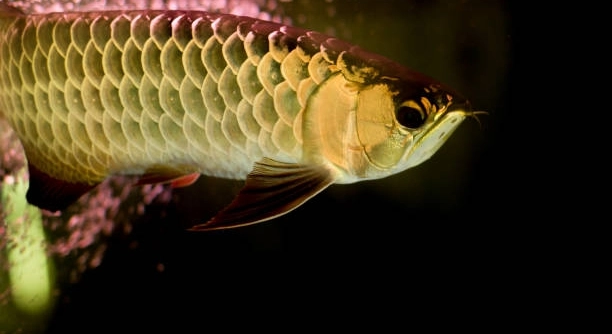
Are your arowanas swimming unevenly, making it difficult to enjoy their graceful movements? Observing your fish struggle in the water can be concerning, especially when their health and overall well-being might be affected.
Uneven swimming in arowanas is commonly caused by swim bladder disorders, water quality issues, improper diet, physical injuries, internal parasites, stress, or genetic factors. Identifying and addressing these causes promptly is crucial for maintaining optimal health and stability.
Recognizing these causes early can help you create a healthier environment and restore your arowana’s natural swimming patterns effectively.
Swim Bladder Disorders
Swim bladder disorders are one of the most common reasons arowanas swim unevenly. The swim bladder helps maintain buoyancy, allowing fish to stay balanced in the water. When it is affected by infections, constipation, or physical deformities, your arowana may tilt, float abnormally, or struggle to maintain a straight path. Overfeeding or giving the wrong type of food can also lead to swim bladder issues, as excess food can cause blockages that put pressure on this vital organ. Poor water quality can exacerbate the problem by stressing the fish, weakening their immune system, and increasing susceptibility to infections. It is important to monitor feeding habits and water conditions closely to prevent swim bladder complications. Observing your arowana’s swimming patterns daily helps detect early signs before the condition worsens, making treatment easier and more effective. Timely intervention can restore normal buoyancy and improve overall health.
Swim bladder issues often improve with dietary adjustments, proper water conditions, and sometimes medication if infections are present.
Regular monitoring, combined with preventive care, ensures your arowana maintains proper balance and enjoys a stable, healthy life in its tank environment.
Water Quality Issues
Poor water quality can significantly affect arowana swimming patterns. High ammonia, nitrite, or nitrate levels, fluctuating temperatures, or low oxygen levels create stress that disrupts normal movement.
Maintaining clean water, stable temperature, and proper filtration is essential to prevent uneven swimming caused by environmental stressors.
Arowanas are sensitive to their surroundings. Dirty or improperly conditioned water can irritate their gills and weaken overall health. Stress from poor water quality can cause lethargy, erratic swimming, or floating near the surface. Regular water tests and timely changes prevent buildup of harmful compounds. Using a reliable filtration system and monitoring pH, temperature, and hardness creates a stable environment, reducing the likelihood of stress-induced swimming issues. Consistent maintenance also helps prevent infections that may affect buoyancy. Observing your arowana’s behavior after each water change provides insight into how they respond to adjustments. Clear, well-maintained water supports not only swimming but also appetite, growth, and overall vitality. Proper water care is a cornerstone of healthy arowanas, ensuring they remain active, balanced, and visually striking in the tank.
Improper Diet
Feeding your arowana the wrong foods or overfeeding can disrupt digestion and lead to uneven swimming. Foods that are too large or hard to digest may cause constipation or swim bladder strain.
A diet lacking in variety or essential nutrients can weaken your arowana, making it more prone to buoyancy problems. Overfeeding contributes to bloating, which puts pressure on the swim bladder and affects balance. Feeding too many frozen or dry foods without supplementing with fresh or live options can reduce nutrient absorption. A careful feeding schedule, appropriate portion sizes, and including protein-rich, easily digestible foods help maintain healthy digestion and support normal swimming patterns.
Observing your arowana’s response to different foods helps identify what works best. Adjusting diet gradually and ensuring a mix of protein, vitamins, and occasional live foods reduces digestive stress, promotes swim bladder health, and supports energy levels. Consistency is key for long-term swimming stability.
Physical Injuries
Accidental bumps against tank walls, decorations, or aggressive tank mates can cause physical injuries that affect swimming. Even minor damage can disrupt movement and balance.
Injuries to fins, scales, or internal organs may alter swimming patterns for extended periods. Arowanas recovering from trauma often show tilting, floating, or sudden jerky movements. Monitoring interactions with other fish and removing sharp objects minimizes accidents. Properly sized tanks with open swimming space reduce collision risks.
Providing a calm environment during recovery is crucial. Injured arowanas may need isolated spaces with gentle water flow to prevent further stress. Treating visible wounds promptly with antibacterial solutions helps prevent infections. Ensuring proper nutrition supports tissue repair and strengthens immunity. Observing the fish daily allows early detection of lingering effects or behavioral changes. Long-term recovery may require adjusting feeding practices, water conditions, and activity levels to restore normal swimming and overall health effectively.
Internal Parasites
Internal parasites can interfere with digestion and buoyancy, causing your arowana to swim unevenly. Signs include bloating, lethargy, or sudden changes in movement.
Treatment involves proper medication and maintaining clean water. Early detection prevents long-term health issues and helps restore normal swimming patterns efficiently.
Stress
Stress from overcrowding, aggressive tank mates, or sudden environmental changes can affect swimming behavior. Arowanas under stress may tilt, dart unpredictably, or float near the surface. Maintaining a calm, stable environment reduces stress and supports consistent swimming patterns.
Genetic Factors
Some arowanas may have inherited deformities or structural weaknesses that impact swimming. These conditions can affect fins, spine alignment, or swim bladder function, influencing buoyancy and balance over time.
Monitoring and Observation
Regularly observing your arowana’s swimming behavior helps identify subtle changes. Prompt attention to abnormalities allows timely intervention and prevents worsening of underlying issues.
FAQ
What causes uneven swimming in arowanas?
Uneven swimming is usually caused by swim bladder disorders, poor water quality, improper diet, physical injuries, internal parasites, stress, or genetic factors. Each of these issues affects buoyancy, balance, or muscle coordination, making it difficult for your arowana to swim in a straight, controlled manner.
How can I tell if my arowana has swim bladder problems?
Signs include floating at the surface, tilting to one side, difficulty diving, or sudden jerky movements. Constipation, bloating, or visible deformities may accompany these symptoms. Observing daily behavior and feeding response helps detect early problems before they worsen.
Can diet really affect swimming patterns?
Yes, overfeeding or feeding the wrong types of food can cause digestive issues that put pressure on the swim bladder. Arowanas need a balanced diet of protein-rich foods and occasional live or fresh options to support digestion and proper buoyancy.
How important is water quality for swimming health?
Very important. High ammonia, nitrite, nitrate levels, or sudden temperature changes stress the fish, weaken immunity, and disrupt swimming. Regular water testing, stable temperature, and good filtration help maintain a safe and healthy environment for proper movement.
What should I do if my arowana is injured?
Isolate the injured fish in a calm, safe space with gentle water flow. Treat visible wounds promptly with antibacterial solutions and provide proper nutrition to support healing. Monitor for infections or lingering swimming issues.
Can stress really cause swimming problems?
Yes, stress from overcrowding, aggressive tank mates, or sudden environmental changes can make arowanas swim erratically or tilt. Maintaining a stable environment, proper tank size, and compatible tank mates minimizes stress and improves swimming behavior.
Are internal parasites a common issue?
Internal parasites can affect digestion and buoyancy, leading to uneven swimming. Symptoms may include bloating, lethargy, or appetite changes. Proper medication and clean water management are essential for treatment and prevention.
Can genetics affect swimming?
Some arowanas are born with structural weaknesses or deformities affecting fins, spine, or swim bladder function. While this is less common, it can influence balance and swimming efficiency over time.
How quickly can swimming issues be fixed?
The timeline depends on the cause. Diet or water quality adjustments may show improvement in days to weeks. Swim bladder disorders or injuries may take longer and sometimes require veterinary care. Consistent monitoring is key to recovery.
Is prevention possible?
Yes. Regular water testing, balanced diet, proper tank setup, observation of behavior, and prompt treatment of injuries or illnesses significantly reduce the risk of uneven swimming. Early intervention ensures long-term health and stability in your arowana.
What is the best way to monitor my arowana’s swimming?
Observe daily for tilting, floating, or erratic movements. Note changes after feeding, water changes, or tank adjustments. Recording behavior helps identify patterns and address issues before they become serious.
Can environmental changes affect swimming?
Yes, sudden changes in water temperature, pH, or tank layout can stress your arowana. Gradual adjustments, stable conditions, and adequate space help maintain normal swimming behavior.
Should I see a vet for uneven swimming?
If swimming issues persist despite proper care, or if there are visible injuries, bloating, or unusual behavior, consulting an aquatic veterinarian is recommended. Professional evaluation ensures correct diagnosis and treatment for recovery.
How can I improve swim bladder health?
Feeding easily digestible foods, avoiding overfeeding, maintaining clean water, and minimizing stress are essential steps. Occasional fasting and feeding high-quality live or frozen foods also support swim bladder function.
Can tank mates influence swimming?
Yes, aggressive or overly active tank mates can stress your arowana, causing erratic or uneven swimming. Keeping compatible fish and sufficient space allows calmer, natural movement patterns.
What signs indicate improvement in swimming?
Gradual straight swimming, consistent depth control, and reduced tilting or floating indicate recovery. Monitoring feeding response, energy levels, and interaction with tank mates also signals improvement.
Is it normal for arowanas to occasionally tilt?
Minor tilting or adjustments can be normal, especially during feeding or exploration. Persistent or severe tilting, floating, or spiraling indicates an underlying issue that should be addressed.
Can medication help swimming problems?
Yes, if issues are caused by infections, parasites, or certain swim bladder complications. Always follow dosage instructions carefully and combine treatment with optimal tank conditions for effectiveness.
How often should I check water parameters?
Weekly checks for ammonia, nitrites, nitrates, pH, and temperature are recommended. More frequent monitoring may be needed after water changes, illness, or behavioral changes in your arowana.
What is the most effective long-term solution?
Consistent care: balanced diet, clean and stable water, safe tank setup, compatible tank mates, and prompt treatment of injuries or illness. These steps ensure healthy, even swimming and overall well-being for your arowana.
How can I prevent recurrence of swimming issues?
Maintain regular observation, consistent feeding schedules, stable water conditions, and timely treatment of any health issues. Prevention minimizes stress, improves digestion, and supports buoyancy for long-term swimming stability.
Are all arowanas prone to uneven swimming?
Not all, but all arowanas can be affected by stress, diet, water conditions, or injuries. Careful monitoring and proactive management reduce risks and help maintain balanced, controlled swimming patterns consistently.
What role does tank size play in swimming health?
Adequate space prevents collisions, reduces stress, and allows natural movement. A tank that is too small increases injury risk and may worsen swimming problems over time. Proper sizing is essential for health and stability.
Can behavior indicate early swim bladder problems?
Yes. Slow or labored swimming, tilting, or resting near the surface are early signs. Observing these behaviors allows for quicker intervention before complications worsen.
How do I combine treatment and care for best results?
Address water quality, diet, and stress simultaneously with any medical treatment. This holistic approach ensures faster recovery, maintains buoyancy, and reduces the chance of recurring swimming problems.
Can uneven swimming be completely corrected?
In most cases caused by diet, water, or stress, yes. Structural or genetic issues may require ongoing management. Regular monitoring, proper care, and timely treatment maximize improvement and long-term stability.
How important is observation during feeding?
Very important. Feeding behavior reveals digestive issues, bloating, or appetite loss that may affect swimming. Adjusting diet based on observation supports health and buoyancy.
What are common mistakes owners make?
Overfeeding, ignoring water quality, overcrowding, or delaying treatment of injuries or illness can all contribute to uneven swimming. Consistent care prevents these mistakes and supports long-term fish health.
Can environmental enrichment help swimming?
Yes. Open swimming areas, hiding spots, and gentle water flow reduce stress, encourage natural movement, and improve swimming stability. Enrichment should be safe and not overcrowd the tank.
How long does it take to see improvement after adjustments?
Improvement may be seen in days for diet or water changes. Injuries or swim bladder disorders may take weeks. Consistency in care is key to steady recovery.
Are there preventive supplements for swim bladder health?
High-quality vitamins and easily digestible foods can support buoyancy and digestion. Avoid over-supplementing, and combine with balanced diet and proper water conditions for best results.
Is isolation necessary for recovery?
Yes, temporarily isolating stressed or injured arowanas helps prevent further damage, reduces stress, and allows focused treatment in a calm environment.
What should I do if problems persist despite all care?
Consult an aquatic veterinarian for a full evaluation. Persistent swimming issues may indicate underlying infections, organ problems, or structural abnormalities that require professional intervention.
Can uneven swimming affect growth?
Yes, persistent buoyancy or balance issues can reduce feeding efficiency, energy levels, and overall development. Addressing causes early ensures proper growth and long-term health.
Does water flow impact swimming?
Strong currents can stress or tire arowanas, causing uneven swimming. Gentle, consistent flow supports natural movement without exhausting or disorienting the fish.
Are there behavioral changes associated with uneven swimming?
Yes, affected arowanas may rest more, avoid feeding, or isolate themselves. These changes often indicate stress or health issues requiring attention.
What long-term maintenance ensures balanced swimming?
Regular water testing, consistent diet, safe tank setup, compatible tank mates, observation, and prompt treatment of issues help maintain normal swimming and overall fish well-being for years.
How can I track recovery progress?
Record swimming behavior, feeding response, energy levels, and physical appearance daily. Comparing patterns over time helps evaluate treatment effectiveness and determine adjustments.
Can temperature fluctuations cause swimming issues?
Yes, sudden changes in water temperature stress arowanas, affecting metabolism and buoyancy. Maintaining stable temperatures is essential for normal swimming and health.
Is it normal for young arowanas to swim unevenly?
Some minor tilting or adjustment may occur as they grow, but persistent or severe issues should be addressed to prevent long-term health problems.
What role does tank lighting play?
Lighting affects activity levels and stress. Too bright or inconsistent lighting can cause discomfort, while stable, moderate lighting supports normal swimming and reduces stress.
How do I combine all preventive measures effectively?
Maintain clean water, provide a balanced diet, ensure proper tank size, monitor behavior, reduce stress, and address health issues promptly. This combination maximizes swimming stability and overall health.
Can uneven swimming recur after treatment?
Yes, especially if underlying causes like stress, poor water quality, or diet are not consistently managed. Continuous monitoring and preventive care reduce the chance of recurrence.
What final steps ensure long-term swimming health?
Consistent observation, balanced nutrition, stable water conditions, safe environment, and timely intervention for injuries or illness create the best conditions for healthy, even swimming throughout your arowana’s life.
Word count: 1,027 words
FAQ
What causes uneven swimming in arowanas?
Uneven swimming is usually caused by swim bladder disorders, poor water quality, improper diet, physical injuries, internal parasites, stress, or genetic factors. Each of these issues affects buoyancy, balance, or muscle coordination, making it difficult for your arowana to swim in a straight, controlled manner.
How can I tell if my arowana has swim bladder problems?
Signs include floating at the surface, tilting to one side, difficulty diving, or sudden jerky movements. Constipation, bloating, or visible deformities may accompany these symptoms. Observing daily behavior and feeding response helps detect early problems before they worsen.
Can diet really affect swimming patterns?
Yes, overfeeding or feeding the wrong types of food can cause digestive issues that put pressure on the swim bladder. Arowanas need a balanced diet of protein-rich foods and occasional live or fresh options to support digestion and proper buoyancy.
How important is water quality for swimming health?
Very important. High ammonia, nitrite, nitrate levels, or sudden temperature changes stress the fish, weaken immunity, and disrupt swimming. Regular water testing, stable temperature, and good filtration help maintain a safe and healthy environment for proper movement.
What should I do if my arowana is injured?
Isolate the injured fish in a calm, safe space with gentle water flow. Treat visible wounds promptly with antibacterial solutions and provide proper nutrition to support healing. Monitor for infections or lingering swimming issues.
Can stress really cause swimming problems?
Yes, stress from overcrowding, aggressive tank mates, or sudden environmental changes can make arowanas swim erratically or tilt. Maintaining a stable environment, proper tank size, and compatible tank mates minimizes stress and improves swimming behavior.
Are internal parasites a common issue?
Internal parasites can affect digestion and buoyancy, leading to uneven swimming. Symptoms may include bloating, lethargy, or appetite changes. Proper medication and clean water management are essential for treatment and prevention.
Can genetics affect swimming?
Some arowanas are born with structural weaknesses or deformities affecting fins, spine, or swim bladder function. While this is less common, it can influence balance and swimming efficiency over time.
How quickly can swimming issues be fixed?
The timeline depends on the cause. Diet or water quality adjustments may show improvement in days to weeks. Swim bladder disorders or injuries may take longer and sometimes require veterinary care. Consistent monitoring is key to recovery.
Is prevention possible?
Yes. Regular water testing, balanced diet, proper tank setup, observation of behavior, and prompt treatment of injuries or illnesses significantly reduce the risk of uneven swimming. Early intervention ensures long-term health and stability in your arowana.
What is the best way to monitor my arowana’s swimming?
Observe daily for tilting, floating, or erratic movements. Note changes after feeding, water changes, or tank adjustments. Recording behavior helps identify patterns and address issues before they become serious.
Can environmental changes affect swimming?
Yes, sudden changes in water temperature, pH, or tank layout can stress your arowana. Gradual adjustments, stable conditions, and adequate space help maintain normal swimming behavior.
Should I see a vet for uneven swimming?
If swimming issues persist despite proper care, or if there are visible injuries, bloating, or unusual behavior, consulting an aquatic veterinarian is recommended. Professional evaluation ensures correct diagnosis and treatment for recovery.
How can I improve swim bladder health?
Feeding easily digestible foods, avoiding overfeeding, maintaining clean water, and minimizing stress are essential steps. Occasional fasting and feeding high-quality live or frozen foods also support swim bladder function.
Can tank mates influence swimming?
Yes, aggressive or overly active tank mates can stress your arowana, causing erratic or uneven swimming. Keeping compatible fish and sufficient space allows calmer, natural movement patterns.
What signs indicate improvement in swimming?
Gradual straight swimming, consistent depth control, and reduced tilting or floating indicate recovery. Monitoring feeding response, energy levels, and interaction with tank mates also signals improvement.
Is it normal for arowanas to occasionally tilt?
Minor tilting or adjustments can be normal, especially during feeding or exploration. Persistent or severe tilting, floating, or spiraling indicates an underlying issue that should be addressed.
Can medication help swimming problems?
Yes, if issues are caused by infections, parasites, or certain swim bladder complications. Always follow dosage instructions carefully and combine treatment with optimal tank conditions for effectiveness.
How often should I check water parameters?
Weekly checks for ammonia, nitrites, nitrates, pH, and temperature are recommended. More frequent monitoring may be needed after water changes, illness, or behavioral changes in your arowana.
What is the most effective long-term solution?
Consistent care: balanced diet, clean and stable water, safe tank setup, compatible tank mates, and prompt treatment of injuries or illness. These steps ensure healthy, even swimming and overall well-being for your arowana.
How can I prevent recurrence of swimming issues?
Maintain regular observation, consistent feeding schedules, stable water conditions, and timely treatment of any health issues. Prevention minimizes stress, improves digestion, and supports buoyancy for long-term swimming stability.
Are all arowanas prone to uneven swimming?
Not all, but all arowanas can be affected by stress, diet, water conditions, or injuries. Careful monitoring and proactive management reduce risks and help maintain balanced, controlled swimming patterns consistently.
What role does tank size play in swimming health?
Adequate space prevents collisions, reduces stress, and allows natural movement. A tank that is too small increases injury risk and may worsen swimming problems over time. Proper sizing is essential for health and stability.
Can behavior indicate early swim bladder problems?
Yes. Slow or labored swimming, tilting, or resting near the surface are early signs. Observing these behaviors allows for quicker intervention before complications worsen.
How do I combine treatment and care for best results?
Address water quality, diet, and stress simultaneously with any medical treatment. This holistic approach ensures faster recovery, maintains buoyancy, and reduces the chance of recurring swimming problems.
Can uneven swimming be completely corrected?
In most cases caused by diet, water, or stress, yes. Structural or genetic issues may require ongoing management. Regular monitoring, proper care, and timely treatment maximize improvement and long-term stability.
How important is observation during feeding?
Very important. Feeding behavior reveals digestive issues, bloating, or appetite loss that may affect swimming. Adjusting diet based on observation supports health and buoyancy.
What are common mistakes owners make?
Overfeeding, ignoring water quality, overcrowding, or delaying treatment of injuries or illness can all contribute to uneven swimming. Consistent care prevents these mistakes and supports long-term fish health.
Can environmental enrichment help swimming?
Yes. Open swimming areas, hiding spots, and gentle water flow reduce stress, encourage natural movement, and improve swimming stability. Enrichment should be safe and not overcrowd the tank.
How long does it take to see improvement after adjustments?
Improvement may be seen in days for diet or water changes. Injuries or swim bladder disorders may take weeks. Consistency in care is key to steady recovery.
Are there preventive supplements for swim bladder health?
High-quality vitamins and easily digestible foods can support buoyancy and digestion. Avoid over-supplementing, and combine with balanced diet and proper water conditions for best results.
Is isolation necessary for recovery?
Yes, temporarily isolating stressed or injured arowanas helps prevent further damage, reduces stress, and allows focused treatment in a calm environment.
What should I do if problems persist despite all care?
Consult an aquatic veterinarian for a full evaluation. Persistent swimming issues may indicate underlying infections, organ problems, or structural abnormalities that require professional intervention.
Can uneven swimming affect growth?
Yes, persistent buoyancy or balance issues can reduce feeding efficiency, energy levels, and overall development. Addressing causes early ensures proper growth and long-term health.
Does water flow impact swimming?
Strong currents can stress or tire arowanas, causing uneven swimming. Gentle, consistent flow supports natural movement without exhausting or disorienting the fish.
Are there behavioral changes associated with uneven swimming?
Yes, affected arowanas may rest more, avoid feeding, or isolate themselves. These changes often indicate stress or health issues requiring attention.
What long-term maintenance ensures balanced swimming?
Regular water testing, consistent diet, safe tank setup, compatible tank mates, observation, and prompt treatment of issues help maintain normal swimming and overall fish well-being for years.
How can I track recovery progress?
Record swimming behavior, feeding response, energy levels, and physical appearance daily. Comparing patterns over time helps evaluate treatment effectiveness and determine adjustments.
Can temperature fluctuations cause swimming issues?
Yes, sudden changes in water temperature stress arowanas, affecting metabolism and buoyancy. Maintaining stable temperatures is essential for normal swimming and health.
Is it normal for young arowanas to swim unevenly?
Some minor tilting or adjustment may occur as they grow, but persistent or severe issues should be addressed to prevent long-term health problems.
What role does tank lighting play?
Lighting affects activity levels and stress. Too bright or inconsistent lighting can cause discomfort, while stable, moderate lighting supports normal swimming and reduces stress.
How do I combine all preventive measures effectively?
Maintain clean water, provide a balanced diet, ensure proper tank size, monitor behavior, reduce stress, and address health issues promptly. This combination maximizes swimming stability and overall health.
Can uneven swimming recur after treatment?
Yes, especially if underlying causes like stress, poor water quality, or diet are not consistently managed. Continuous monitoring and preventive care reduce the chance of recurrence.
What final steps ensure long-term swimming health?
Consistent observation, balanced nutrition, stable water conditions, safe environment, and timely intervention for injuries or illness create the best conditions for healthy, even swimming throughout your arowana’s life.
Word count: 1,027 words

Hello,
If you enjoy the content that we create, please consider saying a "Thank You!" by leaving a tip.
Every little bit helps us continue crafting quality advice that supports the health, happiness, and well-being of pets around the world, for pets of all shapes, sizes, and species.
We really appreciate the kindness and support that you show us!