
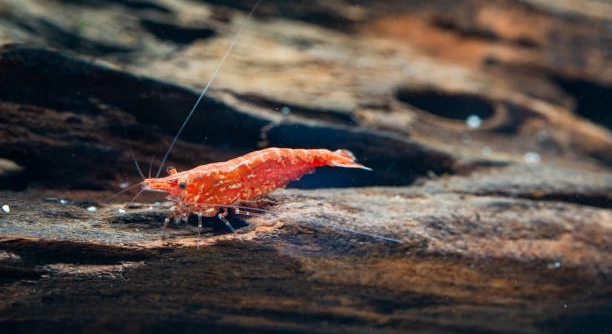
Have you ever cared for cherry shrimp and noticed how vulnerable they seem after shedding their old shell, leaving you wondering what might be causing sudden losses right after molting in your freshwater aquarium today.
Cherry shrimp often die after molting due to stress, mineral deficiencies, poor water parameters, and incomplete exoskeleton hardening. These conditions weaken post molt recovery, leaving shrimp vulnerable. Maintaining stable water quality, balanced minerals, and minimal stress greatly improves their survival.
Understanding these molting challenges guides you toward creating a calmer tank environment that supports steady health and encourages shrimp recovery.
Inadequate Mineral Balance
Maintaining proper minerals is essential for cherry shrimp because their new shell depends on stable levels of calcium and magnesium. When these minerals drop, the shell cannot harden well, making the shrimp weak and unable to recover after molting. I focus on keeping my water parameters steady because even small fluctuations can affect their delicate bodies. Ensuring a balanced diet with mineral rich foods also helps them rebuild their shell smoothly. When these needs are met, the molting stage becomes far less stressful, and the shrimp settle back into normal activity without signs of struggle or fatigue. Consistency is what keeps them safe.
When minerals fall too low, the exoskeleton remains soft for too long, making shrimp more sensitive and vulnerable to environmental stress.
Stable mineral support keeps their shell strong and allows them to regain energy quickly, giving them a better chance to thrive after each molt.
Stress From Environmental Changes
Sudden changes in water conditions often overwhelm cherry shrimp, especially right after they shed their shell. A quick shift in temperature or pH can disrupt their ability to stabilize themselves and causes unnecessary strain during a sensitive stage.
Creating a calm, steady environment is one of the most helpful things you can do for shrimp that struggle after molting. They react strongly to rapid adjustments, so taking your time with water changes makes a noticeable difference. I avoid large water changes and stick to smaller, more frequent ones because it prevents shock and keeps everything comfortable for them. Strong currents, bright lighting, or excessive rearranging inside the tank can also heighten their stress, leaving them too weak to recover. By keeping the setup simple and predictable, the shrimp feel safer and regain strength faster. These small choices keep the tank calm, allowing them to handle the molting process with far less difficulty.
Poor Water Quality
Poor water quality weakens cherry shrimp quickly after molting, especially when ammonia or nitrite rises. Their soft new shell makes them sensitive to even small spikes, and unstable parameters can overwhelm them before they regain strength in the tank.
Clean, stable water supports their ability to recover without added strain. I keep my routine simple by performing small, regular water changes that avoid sudden shifts. Shrimp react strongly to unstable conditions, so maintaining consistent pH and temperature helps them stay steady after shedding. Testing the water often is a reliable way to catch issues early and prevent unexpected losses. Even minor signs of pollution can affect them because their shell has not hardened yet. Keeping the tank filtered well and avoiding overfeeding makes it easier for them to stay healthy.
When the water stays balanced, shrimp move calmly and show smoother recovery. Their shell firms up at a normal pace, and the tank feels more comfortable for them. A steady environment is one of the most effective ways to protect shrimp that struggle during molting.
Inadequate Nutrition
Inadequate nutrition slows down the shell rebuilding process and leaves cherry shrimp weak after they molt. A diet lacking minerals and protein can delay recovery and make their new shell remain soft for longer, increasing their sensitivity to stress inside the tank.
A well balanced diet supports their energy and helps the shell strengthen faster. I rely on a mix of high quality shrimp foods, algae, blanched vegetables, and mineral rich supplements to keep them steady during molting. Shrimp depend on small but consistent nutrient intake because their bodies work quickly to rebuild structure after shedding. When they lack nourishment, the recovery window becomes longer and riskier. Feeding them lightly but regularly works best because it prevents waste buildup while still giving them what they need. A balanced routine keeps them active, reduces molting complications, and helps them stay stable even when the tank changes slightly around them.
Incomplete Molts
Incomplete molts happen when cherry shrimp cannot fully shed their old shell, leaving them stuck and extremely weak. This often stems from mineral imbalances or stress, and once they are trapped, their chances of recovery become very limited.
Keeping minerals steady and reducing sudden changes helps them shed cleanly. I watch their behavior closely during this time because slower movement or repeated attempts to molt can signal trouble before it becomes severe.
Predation Pressure
Predation pressure increases when shrimp molt because their new shell is soft and offers little protection. Fish or even larger shrimp may take advantage of their weakened state, causing injuries that prevent proper recovery or lead to sudden losses in the tank.
Overcrowding
Overcrowding makes the tank stressful and reduces the space shrimp need to feel secure after molting. Too many shrimp in one area can lead to competition, unstable conditions, and limited hiding spots when they are most vulnerable.
Why do cherry shrimp die after molting?
Cherry shrimp die after molting mainly because their new exoskeleton is soft and they are extremely vulnerable. Weak shells, poor water conditions, stress, or lack of proper minerals can all make recovery difficult. I’ve noticed even small mistakes in tank care can make a big difference during this stage. Keeping water clean, stable, and providing enough calcium or magnesium helps them regain strength faster. Sudden changes or overcrowding can also overwhelm them while they are soft and defenseless.
How can I improve their chances of surviving molting?
The best approach is keeping the tank stable and minimizing stress. I do frequent, small water changes and make sure temperatures, pH, and ammonia levels remain steady. Feeding a balanced diet with minerals and protein supports shell hardening. Adding hiding spaces allows them to rest safely until their exoskeleton strengthens. Avoiding aggressive tankmates and reducing handling during this period is equally important. By combining proper nutrition, calm conditions, and mineral support, the shrimp recover much more reliably after shedding their old shell.
What role does water quality play in molting survival?
Water quality is crucial because soft-shelled shrimp are highly sensitive to ammonia, nitrite, or nitrate spikes. Even slight fluctuations can stress them and slow recovery. I keep a consistent filter system, test water parameters often, and avoid sudden large water changes. Clean water allows them to focus energy on hardening their shell and stabilizing metabolism. Overfeeding or leaving decaying plants can raise ammonia levels, which is why I remove waste and feed lightly. Stable water supports immune function and prevents complications during this vulnerable stage.
Are minerals really that important for molting?
Yes, minerals like calcium and magnesium are essential for exoskeleton formation. Without them, the shell may remain soft or brittle, leaving shrimp prone to injuries or death. I supplement minerals through specialized foods or liquid additives to ensure they have what they need. Mineral-rich substrates or hard water also help maintain steady levels. Adequate minerals shorten the recovery period and reduce the risk of incomplete molts. Paying attention to these levels has made a noticeable difference in shrimp survival in my tanks.
Can stress cause molting deaths?
Stress plays a huge role. Bright lights, strong currents, frequent rearrangements, or aggressive tankmates can all elevate stress, especially when the shell is soft. I keep tank conditions calm, avoid sudden changes, and provide plenty of hiding spots. Stress weakens the shrimp, slows shell hardening, and increases the chance of death after molting. A peaceful environment is just as important as nutrition and water quality for their survival.
How do I know if a shrimp is having trouble molting?
Signs include struggling to shed the old shell, reduced movement, or staying hidden for long periods. I watch carefully for shrimp that appear stuck or repeatedly attempt to molt without success. These issues often indicate stress, poor water parameters, or mineral deficiencies. Early observation allows intervention, such as adjusting water quality, adding minerals, or providing additional cover. Prompt action can prevent death in many cases.
Is there anything I can do to help a shrimp that is stuck?
If a shrimp gets partially stuck, it’s best to minimize disturbance while providing calm, clean water. I avoid forcing the shell off because it can injure them. Instead, maintaining optimal conditions, gentle aeration, and stable water allows the shrimp to eventually free itself. Some cases may require removing aggressive tankmates temporarily. Prevention through proper nutrition, minerals, and stress reduction is far more effective than intervention after problems appear.
Do tankmates affect molting survival?
Yes, tankmates can significantly influence survival. Larger fish or aggressive shrimp may attack soft-shelled individuals. I make sure to separate vulnerable shrimp or provide plenty of hiding spaces so they can molt without interference. Overcrowding also increases competition for resources, adding stress during the critical recovery phase. Keeping the right combination of peaceful tankmates improves overall survival rates.
How often should I check water parameters during molting periods?
Frequent checks are important. I test ammonia, nitrite, nitrate, pH, and hardness at least weekly, increasing frequency if multiple shrimp are molting at the same time. Even minor spikes can be dangerous. Consistent monitoring helps prevent sudden issues and supports a stable environment while shrimp are soft and defenseless.
Can diet alone prevent molting deaths?
Diet is essential but not the only factor. Proper minerals, protein, and supplemental foods help shrimp strengthen shells, but water quality, stress levels, and tank conditions are equally important. I combine a balanced diet with careful environmental management for the best results. Nutrition supports recovery, but it must be paired with stable conditions.
This FAQ covers the main causes and preventive steps to keep cherry shrimp safe during molting, emphasizing consistent care, proper nutrition, and minimal stress.
Cherry shrimp are fascinating creatures, but their delicate nature after molting requires careful attention. Molting is a critical period in their life cycle, as their soft new shell makes them vulnerable to stress, poor water quality, and mineral deficiencies. Even minor mistakes in tank management can have serious consequences during this stage. I have learned that keeping consistent water parameters, providing enough hiding spots, and maintaining a proper diet are essential for helping them survive and recover successfully. Observing their behavior closely during and after molting allows me to notice early signs of trouble, which makes it easier to take corrective action before problems worsen. A calm, stable environment is just as important as nutrition, and it often determines whether shrimp come through this delicate phase safely.
Mineral balance is another key factor that cannot be overlooked. Calcium, magnesium, and other essential elements play a major role in hardening the new exoskeleton. Without adequate levels, shrimp may experience incomplete molts or remain weak for longer periods, making them more prone to disease or injury. I focus on providing mineral-rich foods, supplements, and sometimes using hard water or substrates that help maintain stable levels. Consistency in these elements supports healthy growth and reduces the risk of death after molting. While diet alone is not enough, it works in combination with stable water conditions and minimal stress to create an environment where shrimp can thrive. By paying attention to these details, I have been able to reduce losses significantly and support healthier, more resilient shrimp populations in my tank.
Stress management is equally crucial for their survival. Sudden changes in temperature, pH, or tank setup can overwhelm shrimp when they are most vulnerable. Aggressive tankmates or overcrowded conditions also add unnecessary pressure, preventing proper recovery. I make sure to keep tank conditions predictable, avoid unnecessary disturbances, and provide plenty of hiding spaces where shrimp can feel secure while their new shell hardens. Small, regular water changes and gentle handling help maintain a calm environment. Over time, I have noticed that shrimp in stable, low-stress conditions molt more successfully and remain active shortly afterward. By combining careful observation, consistent nutrition, mineral support, and stress reduction, it is possible to improve their survival rates and create a healthier aquarium environment for cherry shrimp.

Hello,
If you enjoy the content that we create, please consider saying a "Thank You!" by leaving a tip.
Every little bit helps us continue crafting quality advice that supports the health, happiness, and well-being of pets around the world, for pets of all shapes, sizes, and species.
We really appreciate the kindness and support that you show us!