
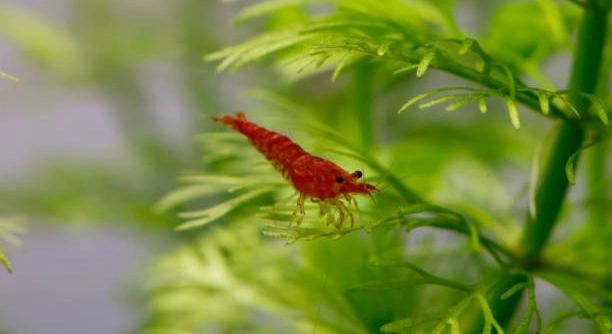
Keeping shrimp healthy and active requires more than just clean water and proper food. Providing them with interesting additions to their habitat can stimulate natural behaviors and make their environment more engaging over time.
Adding unique elements such as hiding spots, textured surfaces, live plants, varied substrates, and occasional floating items can significantly improve shrimp welfare. These enrichments encourage exploration, reduce stress, and promote natural foraging, molting, and social behaviors, enhancing overall health in captivity.
Small adjustments to your shrimp tank can make a noticeable difference in their daily activity and long-term wellbeing. Observing their responses can guide further improvements for a thriving aquatic community.
Hiding Spots
Shrimp feel safer when they have areas to retreat to. Adding small caves, PVC tubes, or ceramic ornaments gives them spaces to explore and hide, which can lower stress and reduce aggressive behavior. Hiding spots are especially helpful during molting when shrimp are most vulnerable. You can arrange them in clusters or scatter them across the tank to create multiple layers of interest. Make sure the materials are safe and smooth, avoiding sharp edges that can harm delicate shrimp. Observing how shrimp interact with these spaces can also reveal their personality and activity levels. Over time, they may claim certain spots as their favorite resting places. Even simple arrangements like stacked rocks or small plant pots can make a difference. By rotating or slightly adjusting hiding spots, you can keep the environment stimulating and prevent boredom. These spaces also help in establishing territories for shrimp that prefer some separation in social groups.
Providing hiding spots not only reduces stress but encourages natural exploration and territorial behavior. This enrichment is crucial for molting protection and overall shrimp activity.
Adding hiding spots is a small effort that can dramatically improve shrimp confidence and reduce tank stress. Watching them navigate these spaces is rewarding and informative.
Live Plants
Incorporating live plants into a shrimp tank creates natural cover and grazing surfaces. Mosses, ferns, and floating plants allow shrimp to forage and cling to leaves, simulating their natural environment. Plants also improve water quality by absorbing nutrients, which reduces algae growth and provides oxygen. The roots and dense foliage offer excellent shelter for juvenile shrimp, increasing their survival rates. Over time, shrimp may develop preferences for certain plant types, often favoring moss or fine-leaved species for grazing and hiding. Positioning plants at different heights creates depth and encourages climbing and exploring behaviors. Lighting and CO₂ levels should be suitable for the plant species, as healthy plants directly support shrimp health. Occasional pruning keeps plants manageable while maintaining a balanced habitat. By combining plant diversity with substrate and décor, shrimp are more active and engaged throughout the tank. Live plants also create a more natural and calming aesthetic, making observation more enjoyable.
Live plants enhance shrimp activity, improve water quality, and provide natural grazing surfaces. Their presence is essential for a thriving habitat.
Textured Surfaces
Textured surfaces give shrimp places to explore and graze. Rocks, driftwood, and rough decorations create varied terrain that encourages natural movement and helps shrimp maintain their claws and antennae.
Different textures promote natural foraging behavior. Shrimp enjoy crawling over rough or uneven surfaces because they can pick off biofilm and tiny particles that form naturally. Smooth glass or plastic surfaces offer little stimulation, so adding textured elements makes the tank more engaging. Driftwood, lava rock, and branching ornaments create shadows and nooks, which further enrich the habitat. Over time, shrimp become more active and curious as they move across these surfaces. Even small changes, like switching a rock arrangement or adding a piece of cork bark, can encourage exploration and interaction with the environment. Textured surfaces also help prevent boredom, which can affect molting and overall health.
Providing varied surfaces encourages shrimp to forage more naturally and stay active. This environmental complexity supports physical health and stimulates curiosity, which is vital for their wellbeing.
Floating Items
Floating items give shrimp new areas to interact with above the substrate. They provide shade, grazing opportunities, and light movement in the water column, which can encourage activity and exploration.
Floating plants, leaves, or lightweight ornaments create dynamic spaces that shrimp can climb or hide under. As they drift, these items provide constant subtle changes in the tank, which stimulates shrimp to investigate. Items like Indian almond leaves not only float but slowly release beneficial tannins, improving water quality and acting as a mild antibacterial aid. Floating moss or small bundles of plants give shrimp additional grazing surfaces and help juveniles find shelter closer to the top of the tank. These additions can reduce stress by offering visual barriers and diffuse light, creating a calmer environment. By rotating or replacing floating items occasionally, shrimp remain engaged with their surroundings, and their behavior becomes more diverse and natural.
Floating elements increase grazing opportunities, provide shade, and promote activity. They help shrimp feel secure while adding constant environmental variation for stimulation.
Varied Substrates
Using different substrates adds interest and encourages natural digging behavior. Sand, fine gravel, and small pebbles create areas for foraging and exploration, giving shrimp tactile variety in their environment.
Layering substrates or mixing textures can enhance grazing opportunities. Shrimp sift through sand and gravel to find leftover food and biofilm. Uneven surfaces help maintain healthy claws and stimulate natural behaviors. This simple adjustment can make a noticeable difference in shrimp activity and overall wellbeing.
Small Leaf Litter
Adding dried leaves like Indian almond or oak creates shelter and natural grazing surfaces. The tannins released improve water conditions and gently lower pH, mimicking natural habitats.
Leaves provide biofilm growth and microfauna for shrimp to feed on. They slowly decompose, offering constant enrichment and a safe place for juveniles to hide. Shrimp enjoy climbing, grazing, and resting among the leaves, which supports healthier, more active behavior. The combination of shade, texture, and nutritional benefit makes leaf litter a highly effective enrichment addition. Observing shrimp interacting with leaves reveals their curiosity and improves overall tank dynamics, creating a more balanced and natural environment for all inhabitants.
Gentle Water Flow
A mild water current encourages swimming and exploration while distributing nutrients and oxygen evenly throughout the tank.
Proper flow prevents stagnant areas, supporting healthy shrimp activity and overall tank hygiene.
FAQ
What is the easiest way to add enrichment for shrimp?
The simplest approach is to introduce small, safe items into their tank, such as smooth rocks, driftwood, or small PVC tubes. These additions encourage natural exploration and provide hiding spaces. Even small changes can make shrimp more active and confident, especially during molting periods.
Can live plants really improve shrimp health?
Yes, live plants offer multiple benefits. They provide surfaces for grazing, cover for shy shrimp, and help maintain water quality by absorbing nutrients. Plants like mosses, ferns, and floating species encourage foraging and climbing behaviors, while their roots and foliage offer natural shelter for juveniles. Regular trimming keeps plants healthy, which supports shrimp wellbeing over time.
How often should I rotate enrichment items?
It is helpful to adjust or rotate items every few weeks. This prevents boredom and keeps the environment stimulating. Simple changes, like moving a rock cluster or adding a new leaf litter piece, can encourage exploration and interaction. Shrimp often investigate new or altered areas, which improves activity levels and promotes natural behaviors.
Are certain substrates better than others for shrimp enrichment?
Different substrates serve different purposes. Fine sand allows natural digging, while gravel or small pebbles encourage foraging. Mixing textures creates a more interesting environment and gives shrimp a variety of surfaces to explore. Uneven or layered substrates can also support biofilm growth, which adds nutritional enrichment and encourages natural grazing behavior.
Do floating items benefit shrimp?
Yes, lightweight floating plants or leaves provide shade, grazing surfaces, and mild movement in the water. These items encourage climbing, resting, and hiding, while adding dynamic stimulation. Some floating leaves, like Indian almond leaves, also release beneficial tannins, helping water quality and mimicking natural habitats. Changing floating items occasionally keeps shrimp engaged.
Can leaf litter be harmful to shrimp?
When used correctly, dried leaf litter is very safe. It slowly decomposes, providing biofilm and microfauna for shrimp to feed on. Leaves like Indian almond or oak gently lower pH and add tannins. Make sure leaves are fully dried and free from pesticides or chemicals. Adding too many leaves at once can slightly affect water chemistry, so gradual introduction is best.
Is hiding space really necessary for all shrimp?
Yes, hiding spaces are crucial, especially during molting. Shrimp are vulnerable when they shed their exoskeleton, so caves, tubes, or dense plant areas give them protection. Hiding spots also reduce stress and encourage natural behaviors, such as territory exploration and interaction. Observing shrimp often shows which spots they prefer, which can guide placement.
How does water flow affect shrimp enrichment?
Gentle water movement encourages swimming and exploration without stressing shrimp. Proper flow distributes nutrients, oxygen, and waste evenly, maintaining a healthier environment. Too strong a current can cause stress, so aim for a mild, consistent flow that keeps shrimp active and supports natural behavior.
Can enrichment reduce aggression among shrimp?
Yes, adding hiding spaces, varied substrates, and plants helps minimize conflict. When shrimp have enough shelter and grazing areas, territorial disputes decrease. Enrichment encourages natural activity and disperses shrimp throughout the tank, reducing stress-related aggression while promoting healthy social interaction.
How do I know if my enrichment is effective?
Observe shrimp behavior regularly. Increased foraging, exploration, and activity indicate that additions are engaging them. Watching interactions with hiding spaces, textured surfaces, plants, and floating items can show which elements are most effective. Adjustments over time help maintain an enriching, stimulating environment for all shrimp.
Final Thoughts
Providing enrichment for shrimp is an important part of keeping them healthy and active. Simple additions like hiding spots, live plants, textured surfaces, and leaf litter can make a big difference in their daily behavior. These elements encourage natural activities such as foraging, climbing, and exploring. Shrimp in enriched environments tend to be more confident and less stressed. Even small changes, like adding a few smooth rocks or a floating plant, can create noticeable improvements in their activity and overall wellbeing. Observing how shrimp interact with these additions can be rewarding, as it shows their personalities and preferences. Over time, you can adjust the arrangement or introduce new items to keep their environment stimulating and dynamic. This ongoing effort ensures that shrimp have both mental and physical stimulation, which is essential for maintaining good health.
Different types of enrichment serve different purposes. Hiding spots are essential during molting, providing safety and reducing stress, while textured surfaces help maintain healthy claws and encourage natural grazing. Live plants and leaf litter improve water quality and give shrimp additional surfaces for biofilm growth, which they feed on. Floating items introduce movement in the water column and offer shade, making the habitat more comfortable and interactive. Even the substrate plays a role; a mix of sand and small pebbles allows shrimp to dig and forage naturally. Each of these elements adds value to the tank in its own way, supporting the shrimp’s physical health and behavioral needs. Combining multiple forms of enrichment creates a more complete and natural habitat, promoting long-term activity and vitality.
Consistency and observation are key when maintaining an enriched shrimp tank. While it’s important to introduce new elements gradually, it’s equally important to watch how shrimp respond. Some shrimp may favor certain plants, hiding spots, or substrates over others, and noticing these preferences helps in arranging the tank for maximum benefit. Periodically rotating or adjusting decorations, substrates, and plants can keep the environment engaging and prevent boredom. Enrichment is not just about decoration; it directly affects shrimp behavior, stress levels, and overall health. By investing a little time and attention into these additions, you can create a thriving and stimulating habitat where shrimp remain active, curious, and healthy. It’s a simple way to improve their quality of life and ensure long-term success in a home aquarium.

Hello,
If you enjoy the content that we create, please consider saying a "Thank You!" by leaving a tip.
Every little bit helps us continue crafting quality advice that supports the health, happiness, and well-being of pets around the world, for pets of all shapes, sizes, and species.
We really appreciate the kindness and support that you show us!