
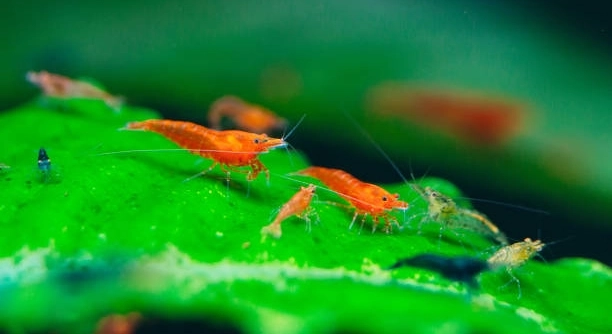
Shrimp are fascinating creatures that often show surprising behaviors in their natural environments. Observing them in aquariums or shallow waters reveals patterns in how they move and settle on surfaces. Their choices are not random but purposeful.
Shrimp may prefer vertical surfaces because these areas provide better access to food particles and offer protection from predators. Vertical structures also reduce competition and allow shrimp to maintain cleaner exoskeletons by minimizing sediment accumulation.
Learning more about their surface preferences can help aquarists create healthier habitats. Small changes in tank setup can improve shrimp well-being and behavior significantly.
Benefits of Vertical Surfaces for Shrimp
Vertical surfaces offer shrimp a combination of safety and efficiency. By clinging to walls or plant stems, they avoid heavy sediment that collects on flat surfaces. This helps keep their exoskeletons cleaner, reducing the risk of infections or molting problems. Additionally, vertical structures give shrimp access to more food. Algae and biofilm tend to grow along these surfaces, creating an easily reachable source of nutrition. In aquariums, shrimp also use vertical areas to establish territories, minimizing conflicts with others. These surfaces create hiding spots that reduce stress, especially for smaller or timid shrimp. Even in small tanks, adding vertical decorations significantly improves shrimp activity. Observing them on these surfaces shows they often spend more time feeding, grooming, and exploring compared to flat areas. The combination of protection, food availability, and reduced competition explains why shrimp consistently favor vertical structures in both natural and artificial habitats.
Using vertical areas also makes shrimp behavior easier to watch and enjoy.
Tank setups that include vertical options, such as moss walls or ceramic tubes, promote healthier shrimp populations. Shrimp feel safer when they can move up and down, and it encourages more natural behaviors. Feeding becomes more efficient because food collects on the surfaces they occupy, preventing it from being buried in the substrate. Vertical surfaces also improve water flow around the shrimp, helping remove waste and maintain cleaner conditions. Even small details, like textured surfaces, allow shrimp to grip better and maintain balance, which is important during molting. Over time, shrimp develop consistent routines along these vertical areas, often using the same spots repeatedly. This can make breeding easier to monitor, as eggs and juveniles are often found near these surfaces. Overall, incorporating vertical structures in aquariums supports shrimp health, reduces stress, and encourages more active, natural behaviors that benefit both shrimp and caretakers.
Material Choices for Vertical Surfaces
Choosing the right materials affects how much shrimp will use vertical areas. Smooth plastics may not offer enough grip, while rough surfaces are preferred.
Natural rocks, driftwood, and live plants are ideal for shrimp. They provide grip, encourage biofilm growth, and mimic natural habitats. Some ceramics and textured decorations also work well. Avoid treated or sharp surfaces that could harm delicate exoskeletons. Vertical surfaces can be placed along tank walls or in the center to create layers of activity. The material choice directly impacts shrimp behavior, feeding opportunities, and overall comfort. Over time, shrimp will consistently use surfaces that meet their needs, making material selection critical for long-term success in both freshwater and saltwater aquariums.
How Vertical Surfaces Improve Feeding
Shrimp cling to vertical surfaces to access biofilm and algae more efficiently. Food particles stick better to these areas, giving shrimp easier and more consistent feeding opportunities compared to flat surfaces covered in sediment.
Vertical surfaces allow shrimp to graze continuously without wasting energy. Biofilm grows along textured walls and plant stems, providing a reliable food source. By staying on these surfaces, shrimp can feed while remaining partially hidden, reducing stress and predation risk. Feeding becomes more efficient, and shrimp expend less energy moving across open substrate. This behavior also encourages natural foraging patterns, keeping shrimp active and healthier. Vertical structures act as both feeding stations and safe zones, making them essential in maintaining a balanced aquarium ecosystem.
Shrimp also benefit from vertical surfaces during molting and growth. The textured areas allow them to grip securely while shedding old exoskeletons. They can remain upright or partially suspended, reducing contact with debris and other shrimp. This setup minimizes injury and stress, supporting faster recovery and healthier development. Over time, shrimp consistently return to these surfaces for both feeding and safety, highlighting their importance in a well-planned tank. Vertical structures provide multiple advantages, from nutrition to protection, shaping shrimp behavior and overall well-being in a subtle yet meaningful way.
Choosing the Right Placement
Placing vertical surfaces strategically affects shrimp activity and comfort. Corners and near water flow create ideal spots for feeding and hiding.
Vertical decorations should be distributed throughout the tank to encourage movement and exploration. Positioning surfaces near gentle currents helps deliver nutrients to biofilm while keeping water clean. Avoid overcrowding, which can increase stress and territorial disputes. Central placements give shy shrimp a chance to navigate safely, while edges offer retreat zones. Observing shrimp behavior can guide adjustments, ensuring they use the structures effectively. Proper placement maximizes feeding efficiency, reduces stress, and supports natural behaviors.
Considering height and orientation also improves vertical surface utility. Taller structures provide multiple levels for climbing and grazing, letting shrimp choose preferred zones. Angled or slightly tilted surfaces add variety and encourage different postures during feeding. Combining soft plants with hard surfaces enhances grip and food accumulation, while open spaces nearby allow for safe movement. Over time, shrimp adapt to the placement, developing routines that include specific grazing and resting spots. Adjusting placement gradually helps shrimp explore new areas without stress, ensuring long-term engagement with vertical surfaces. Thoughtful positioning increases activity, encourages natural feeding habits, and maintains a healthy environment throughout the tank.
Surface Texture Matters
Shrimp prefer surfaces with texture, which allows them to grip firmly while moving or feeding. Smooth surfaces often feel slippery, making climbing and grazing more difficult.
Rough or porous surfaces support biofilm and algae growth, providing a consistent food source. Textured areas also help shrimp feel secure and reduce the risk of injury during molting or climbing.
Impact on Molting
Vertical surfaces give shrimp a stable place to hold onto while shedding their old exoskeleton. This stability reduces stress and potential damage.
Molting is a vulnerable time for shrimp, and vertical surfaces help them remain safe. Textured areas allow them to hang or lean while removing old shells, minimizing contact with debris and other shrimp. Proper surfaces can significantly improve molting success and overall health.
Plant Integration
Adding live plants to vertical surfaces encourages natural behavior. Shrimp use leaves and stems to climb, hide, and feed.
FAQ
Why do shrimp prefer vertical surfaces over flat ones?
Shrimp often choose vertical surfaces because they offer cleaner, safer environments. Flat surfaces collect sediment and debris that can irritate their exoskeleton or make feeding harder. Vertical areas reduce this problem, giving shrimp a place to feed, groom, and rest with less interference from sediment or tank waste.
Do all types of shrimp show this behavior?
Most freshwater and many saltwater shrimp species demonstrate a preference for vertical structures. While there are variations depending on species and size, the tendency to cling to walls, plant stems, or textured decorations is widespread. It helps with feeding, safety, and maintaining cleaner exoskeletons.
What materials work best for vertical surfaces?
Natural options like driftwood, rocks, and live plants are ideal. They offer texture for grip, encourage biofilm growth, and feel familiar to shrimp. Ceramics and rough decorations also work, but smooth plastics should be avoided as they don’t allow proper climbing or grazing. Treated or sharp surfaces may damage shrimp.
Can vertical surfaces improve feeding efficiency?
Yes. Vertical surfaces tend to accumulate biofilm, algae, and small food particles. Shrimp can graze steadily without expending extra energy moving across the substrate. Food sticks better to textured walls or stems, making feeding more efficient and supporting more natural foraging behaviors.
How do vertical surfaces affect molting?
Molting is a delicate process, and vertical surfaces provide stability for shrimp to hang, climb, or rest while shedding old shells. This reduces contact with sediment and other shrimp, lowering injury risks. Textured surfaces also help shrimp grip during molting, supporting safer and more successful growth.
Does placement of vertical surfaces matter in a tank?
Yes, placement is important. Surfaces near gentle currents deliver nutrients to biofilm and keep water clean. Corners and edges give shy shrimp hiding spots, while central locations encourage exploration. Even spacing prevents overcrowding and reduces stress, supporting natural behaviors and activity throughout the tank.
Will shrimp use vertical surfaces without plants?
Yes, but combining plants with hard surfaces is ideal. Plants add texture, hiding spaces, and extra grazing areas. Shrimp use stems and leaves to climb, feed, and rest. Even simple structures like moss walls or ceramic tubes become more appealing when paired with vegetation.
Do vertical surfaces reduce shrimp stress?
Absolutely. Vertical areas create safe zones where shrimp can hide, feed, and rest. This reduces competition and territorial disputes, helping shrimp feel more secure. A well-structured environment with varied vertical surfaces supports calmer, more active, and healthier shrimp.
How often should vertical surfaces be cleaned?
Cleaning depends on algae and biofilm buildup. Light cleaning is usually sufficient to prevent overgrowth without removing all food sources. Too frequent or harsh cleaning may disturb shrimp feeding patterns. Observing shrimp activity helps determine when surfaces need maintenance.
Can vertical surfaces help with breeding?
Yes. Shrimp often attach eggs to vertical structures, and juveniles find shelter among textured surfaces. Properly designed vertical areas encourage natural behaviors, including mating, egg laying, and juvenile hiding, supporting healthier reproduction and population growth in the tank.
Are vertical surfaces necessary for small tanks?
Even in smaller tanks, vertical surfaces are beneficial. They maximize available space, create layers of activity, and provide grazing and hiding areas without crowding the substrate. Shrimp still benefit from climbing and exploring, which promotes healthier behaviors and reduces stress.
Do vertical surfaces affect shrimp activity levels?
Shrimp on vertical surfaces are generally more active. They spend more time feeding, climbing, and exploring, which supports natural behaviors and overall health. Well-placed and textured vertical areas encourage daily routines that keep shrimp engaged and moving.
How do I encourage shy shrimp to use vertical surfaces?
Gradually introducing surfaces near hiding spots helps. Providing gentle currents, textured materials, and plants makes surfaces more inviting. Over time, shrimp will explore, climb, and feed along these areas without feeling threatened or stressed.
Can vertical surfaces help prevent aggression?
Yes. Vertical structures create visual barriers and multiple levels, reducing direct encounters between shrimp. This decreases stress and territorial disputes, allowing more peaceful coexistence in crowded tanks.
What is the best combination of surfaces for shrimp?
A mix of plants, rocks, driftwood, and textured decorations works best. Varying height, orientation, and texture gives shrimp choices for feeding, climbing, hiding, and molting. This combination supports natural behavior and keeps the tank dynamic and engaging.
How important is vertical surface orientation?
Orientation matters. Slightly tilted or angled surfaces allow shrimp to choose postures while feeding or resting. Multiple orientations provide options for climbing, hiding, and grazing, which supports comfort and natural activity patterns.
Do vertical surfaces need to reach the water surface?
Not always. Surfaces that extend partway up are sufficient for feeding, hiding, and climbing. Taller structures offer multiple levels and more grazing space, but shrimp primarily focus on areas with abundant food and safety rather than the exact height.
Can vertical surfaces be temporary?
Yes. Temporary structures still provide grazing, hiding, and molting benefits. However, permanent textured surfaces tend to encourage routine behaviors and consistent use over time, supporting healthier shrimp populations in the long term.
Do shrimp prefer certain textures over others?
Yes. Rough, porous, or fibrous surfaces are favored. Smooth surfaces offer little grip and discourage climbing. Shrimp consistently choose areas where they can hold securely while feeding, grooming, or resting. Selecting the right texture enhances activity and overall health.
How do vertical surfaces influence water flow?
Vertical structures help water circulate around shrimp, preventing stagnant areas. Proper flow removes debris, distributes nutrients, and supports biofilm growth on surfaces. This combination improves shrimp feeding efficiency, health, and overall tank cleanliness.
Are there signs shrimp are not using vertical surfaces correctly?
Shrimp avoiding surfaces, struggling to cling, or repeatedly falling may indicate smooth textures, poor placement, or overcrowding. Adjusting materials, orientation, or spacing can encourage proper use and support healthier behaviors.
Do vertical surfaces help shrimp interact naturally?
Yes. Multiple surfaces create levels and pathways for climbing, grazing, and hiding. This encourages exploration, reduces stress, and allows shrimp to display natural behaviors, including foraging, resting, and social interaction.
Can I combine vertical surfaces with floating plants?
Yes. Floating plants add shade and security, complementing vertical structures. Shrimp may climb stems, hide underneath leaves, and graze on biofilm, increasing surface variety and enhancing overall tank activity.
How long does it take for shrimp to adapt to new vertical surfaces?
Adaptation varies, but most shrimp explore and begin using new surfaces within a few days to a week. Gradual introduction, proper placement, and textured materials speed up acceptance and encourage consistent use.
Does lighting affect shrimp use of vertical surfaces?
Indirectly. Moderate lighting promotes algae and biofilm growth, attracting shrimp to surfaces. Too bright or direct light may stress shrimp, while very low light reduces food availability. Balancing lighting supports feeding and activity along vertical structures.
Can vertical surfaces reduce disease risk?
Yes. By minimizing sediment contact and providing clean resting and grazing areas, vertical surfaces reduce exposure to harmful bacteria. Healthy molting and easier feeding also support overall immunity and lower stress-related vulnerability.
Is there a preferred height for vertical surfaces in tanks?
Shrimp generally use surfaces within mid to upper levels of the tank for feeding and exploration. While taller structures add climbing options, the primary focus is on texture, safety, and food availability rather than exact height.
How often should vertical surfaces be rearranged?
Rearranging occasionally can stimulate exploration, but frequent changes may stress shrimp. Gradual adjustments allow shrimp to adapt while maintaining comfort, food access, and hiding options.
Do vertical surfaces benefit juvenile shrimp differently than adults?
Juveniles rely heavily on vertical surfaces for shelter and feeding. Textured areas provide safe climbing spots and grazing opportunities. Adults use them for feeding, molting, and territorial control, but juveniles benefit most from protection and structured spaces to grow.
Can vertical surfaces improve tank aesthetics?
Yes. Combining textured decorations with plants and natural materials creates a layered, visually interesting environment. Functional vertical structures can be decorative, supporting shrimp health while enhancing tank appearance.
Are vertical surfaces necessary for all shrimp tanks?
While not strictly required, they significantly improve shrimp well-being, feeding efficiency, and natural behavior. Tanks without vertical surfaces may still sustain shrimp, but activity levels and health outcomes are often better with thoughtfully placed structures.
How do I know if my shrimp prefer one vertical surface over another?
Observing time spent on surfaces shows preference. Shrimp often return to textured, biofilm-rich areas or surfaces near safe hiding spots. Adjusting materials, orientation, or placement can enhance use of less favored areas.
Do vertical surfaces need maintenance like other tank decorations?
Yes. Light cleaning prevents overgrowth without removing all biofilm. Textured surfaces may trap debris, so occasional rinsing maintains functionality while preserving feeding resources and hiding spots.
Can vertical surfaces be used in breeding tanks?
Absolutely. Shrimp lay eggs on textured vertical surfaces, and juveniles find shelter there. Proper placement supports reproduction, feeding, and protection, contributing to a successful breeding environment.
Do vertical surfaces affect shrimp hierarchy or social behavior?
Yes. Vertical structures create multiple levels and visual barriers, reducing conflicts. Shy or smaller shrimp can occupy safer spots, while dominant shrimp claim higher or central areas. This layered environment supports more natural social interactions.
Can vertical surfaces be combined with caves or tubes?
Yes. Combining vertical surfaces with horizontal structures like caves or tubes provides variety. Shrimp use caves for hiding and vertical areas for feeding and climbing, creating a more complete and stimulating environment.
How important is biofilm for vertical surfaces?
Biofilm is critical. It provides a consistent food source, attracts grazing, and encourages shrimp to use surfaces regularly. Without biofilm, vertical surfaces may be underutilized and less beneficial.
Do vertical surfaces need to touch the substrate?
Not always. Suspended or floating vertical surfaces can still provide climbing, grazing, and hiding areas. Stability and accessibility are more important than direct substrate contact.
Can vertical surfaces help reduce algae overgrowth on glass?
Yes. Shrimp graze on algae along vertical structures, reducing buildup on tank walls. This indirectly helps maintain cleaner glass and improves tank appearance.
How do I balance vertical and horizontal surfaces?
A mix supports varied shrimp behaviors. Horizontal surfaces allow resting and substrate feeding, while vertical surfaces provide climbing, grazing, and hiding. Balanced design encourages movement, reduces stress, and promotes natural behavior patterns.
Do vertical surfaces affect water parameters?
Indirectly. Surfaces influence water flow, which helps distribute nutrients, prevent stagnation, and reduce debris. Proper flow around surfaces supports shrimp health and maintains a stable environment.
Are certain plant species better for vertical integration?
Yes. Mosses, Java fern, and Anubias attach to vertical surfaces well. Their texture and growth patterns provide grip, biofilm, and hiding spots, making them highly compatible with shrimp preferences.
Can vertical surfaces support shrimp during winter or low-light periods?
Yes. Textured surfaces retain biofilm and provide climbing areas even with reduced plant growth. Shrimp continue grazing and remain active, though overall activity may slow with seasonal changes.
Do vertical surfaces influence water circulation in small tanks?
Even in small tanks, vertical structures help direct flow around decorations, promoting oxygenation and nutrient movement. This supports biofilm growth and prevents stagnant areas, benefiting shrimp health.
How do I introduce new vertical surfaces without stressing shrimp?
Place new surfaces gradually near existing hiding spots. Allow shrimp to explore at their own pace. Avoid sudden rearrangements or high traffic around new structures, giving them time to adjust safely.
Can vertical surfaces help reduce shrimp mortality?
By providing safe feeding, molting, and resting areas, vertical surfaces lower stress and injury risks. Improved access to food and hiding spots contributes to stronger, healthier shrimp populations.
Do vertical surfaces work differently in freshwater vs. saltwater tanks?
The principle is the same. Shrimp in both environments use vertical surfaces for feeding, protection, and molting. Material choice and texture may vary to suit water chemistry, but benefits remain consistent.
Can vertical surfaces be too high or too low?
Height should suit shrimp size and behavior. Too tall without gradual climbing options may be unused. Surfaces too low may limit grazing and reduce safety benefits. Balanced height encourages full use and natural activity.
Do shrimp need multiple vertical surfaces?
Multiple surfaces provide options for feeding, hiding, and molting. This reduces competition and stress, supports social behavior, and allows shrimp to establish routines across different areas.
Are artificial decorations as effective as natural ones?
Textured artificial decorations work well, but natural materials like wood, rocks, and plants often provide better biofilm growth and mimic habitats. Shrimp may prefer natural surfaces for feeding and hiding, though well-designed artificial structures are still beneficial.
Do vertical surfaces help maintain healthier exoskeletons?
Yes. By reducing contact with sediment and debris, textured surfaces support cleaner exoskeletons. Stable surfaces also aid during molting, reducing injury and stress, which promotes stronger, healthier growth.
Can vertical surfaces be combined with substrate feeding?
Yes. Vertical and horizontal feeding areas complement each other. Shrimp graze biofilm on surfaces while foraging on substrate, creating a more balanced diet and encouraging natural movement patterns.
Do vertical surfaces need special lighting?
No special lighting is required. Moderate light supports biofilm and plant growth, which attracts shrimp. Too intense light may stress shrimp, while low light reduces algae and food accumulation. Balanced lighting works best.
Can vertical surfaces help in community tanks?
Yes. Multiple surfaces reduce competition and provide hiding zones for smaller or shy shrimp. This allows them to coexist with other species while maintaining safe feeding and resting areas.
Are vertical surfaces useful for adult and juvenile shrimp together?
Yes. Adults and juveniles use vertical surfaces differently, but both benefit. Adults feed, molt, and claim territories, while juveniles gain protection and grazing opportunities. Shared surfaces support a balanced and active tank environment.
How do I know if vertical surfaces are effective?
Shrimp spending time climbing, grazing, and hiding indicates effective surfaces. Lack of use may signal smooth texture, poor placement, or insufficient food. Observation helps adjust surfaces for optimal engagement.
Can vertical surfaces be used in breeding isolation tanks?
Yes. Providing textured surfaces encourages egg attachment, hiding, and feeding for both adults and juveniles. Vertical structures support safer reproduction and juvenile survival.
Do vertical surfaces impact water quality?
Indirectly. Surfaces improve flow, reduce debris accumulation, and support biofilm, which helps maintain cleaner water and consistent conditions.
Are vertical surfaces important for shrimp enrichment?
Absolutely. Vertical structures provide climbing, grazing, and hiding opportunities. This variety keeps shrimp active, reduces stress, and supports natural behaviors, creating a healthier, more stimulating environment.
Can vertical surfaces reduce algae growth on decorations?
Yes. Shrimp grazing on biofilm along vertical surfaces can help prevent excessive algae buildup elsewhere. Regular activity keeps the tank cleaner and maintains a balanced ecosystem.
Do vertical surfaces encourage territorial behavior?
Yes, but positively. Layers and multiple levels allow shrimp to claim small zones, reducing direct conflict. This controlled territoriality supports social structure while maintaining harmony in the tank.
How do I combine vertical surfaces with caves or tubes?
Placing vertical structures near or above horizontal shelters creates multi-level spaces. Shrimp can hide, climb, and feed in close proximity, promoting natural behavior and reducing stress.
Can vertical surfaces help in shrimp rehabilitation?
Yes. Sick or stressed shrimp benefit from safe, textured surfaces for resting, feeding, and molting. This controlled environment supports recovery and reduces injury risk.
Do vertical surfaces require specific orientation for best use?
Slight angles or varied orientation help shrimp choose comfortable climbing or feeding positions. Multiple angles encourage natural movement patterns and reduce stress.
Are vertical surfaces better for single-species or community tanks?
Both benefit. Single-species tanks use surfaces for feeding, molting, and hiding. Community tanks use surfaces to reduce competition, provide hiding spots, and maintain healthy social interactions.
How do vertical surfaces support shrimp grooming?
Textured surfaces allow shrimp to scrub and clean themselves while feeding or resting. This reduces debris accumulation on the exoskeleton and supports molting readiness, promoting overall health.
Can vertical surfaces be temporary for short-term setups?
Yes. Even temporary structures provide climbing, feeding, and hiding benefits. They help maintain shrimp health during short-term aquariums, events, or quarantine periods.
Do vertical surfaces influence shrimp lifespan?
Indirectly. By reducing stress, injury, and competition while improving feeding and molting success, vertical surfaces contribute to healthier shrimp, which can lead to longer lifespans.
How do vertical surfaces interact with floating plants?
Floating plants provide shade and security, complementing vertical structures. Shrimp climb stems, hide beneath leaves, and graze biofilm, creating layered activity areas.
Do vertical surfaces affect juvenile development differently than adults?
Juveniles rely heavily on vertical surfaces for protection, feeding, and exploration. Adults use the same areas for grazing, molting, and social behavior. Together, these surfaces support a dynamic and safe environment for all life stages.
Are vertical surfaces necessary for successful shrimp keeping?
While shrimp can survive without them, vertical surfaces enhance feeding, safety, molting, and activity. Thoughtful integration improves health, behavior, and overall tank balance, making them highly beneficial for any shrimp habitat.
Can vertical surfaces be used with artificial shrimp food?
Yes. Food flakes or pellets can accumulate on textured surfaces, allowing shrimp to feed naturally while climbing or resting. This combination mimics grazing on biofilm and supports consistent feeding routines.
Do vertical surfaces reduce territorial aggression in larger tanks?
Yes. Multiple levels and hiding spots give shrimp space to claim zones, reducing direct conflict and stress. This allows more peaceful coexistence and healthier social behavior in larger communities.
How often should I check vertical surfaces for wear?
Regular inspection ensures surfaces remain safe, textured, and functional. Damaged or smoothened areas can be replaced to maintain effective climbing, grazing, and hiding zones for shrimp.
Do vertical surfaces improve overall tank activity?
Yes. Providing multiple climbing, grazing, and hiding options keeps shrimp active and engaged. This promotes natural behavior, reduces stress, and enhances the liveliness of the aquarium environment.
Can vertical surfaces be combined with moss walls?
Yes. Moss walls provide texture, biofilm, and shelter. Shrimp climb, graze, and hide, creating a more stimulating and functional environment while enhancing tank aesthetics.
Do vertical surfaces require special positioning relative to water flow?
Moderate flow around surfaces helps deliver nutrients, remove debris, and maintain biofilm growth. Proper flow encourages shrimp activity and supports healthier environmental conditions.
Are vertical surfaces helpful for shrimp in quarantine?
Yes. They
Vertical surfaces play a significant role in the health and behavior of shrimp in aquariums. They provide more than just a place to cling or climb; these structures support feeding, molting, and hiding in ways that flat surfaces cannot. Shrimp naturally seek areas that give them stability and access to food while reducing risks from sediment or other tank inhabitants. By adding vertical surfaces, caretakers create an environment that closely resembles natural habitats, which helps shrimp feel more comfortable and secure. Observing shrimp using these areas shows just how much they benefit from having varied textures, heights, and orientations to explore. Even small vertical additions like plant stems, driftwood, or ceramic tubes can make a noticeable difference in shrimp activity and overall well-being.
In addition to providing safety and feeding opportunities, vertical surfaces encourage natural behavior patterns. Shrimp tend to spend more time grooming, grazing, and exploring when these areas are available. They use textured surfaces to scrub their exoskeletons and remove debris, which supports healthier molting cycles. Juveniles and adult shrimp alike rely on vertical structures to reduce stress and avoid unnecessary conflicts. These surfaces also create layered spaces that reduce competition for food and shelter, giving shy or smaller shrimp a better chance to thrive alongside more dominant individuals. Over time, shrimp develop routines that involve specific vertical surfaces for feeding, resting, and hiding, which helps maintain a stable and balanced tank environment. Providing a variety of materials and textures ensures that shrimp can choose spaces that best meet their needs.
Finally, vertical surfaces contribute to the long-term success of a shrimp tank by combining functional benefits with simple setup improvements. They help improve feeding efficiency, reduce stress, support molting, and encourage natural behavior, all of which contribute to healthier and more active shrimp. Integrating plants, rocks, driftwood, or textured decorations allows caretakers to create a dynamic and engaging environment without requiring complex modifications. Even small changes in placement or material can significantly impact shrimp comfort and activity. Regular observation of shrimp behavior can guide adjustments, ensuring the vertical surfaces continue to meet their needs. Overall, incorporating vertical structures is a straightforward and effective way to enhance shrimp health, support natural habits, and create a more balanced and lively aquarium ecosystem.

Hello,
If you enjoy the content that we create, please consider saying a "Thank You!" by leaving a tip.
Every little bit helps us continue crafting quality advice that supports the health, happiness, and well-being of pets around the world, for pets of all shapes, sizes, and species.
We really appreciate the kindness and support that you show us!